



RutzIndia.com tour packages are multi-day road trips across India in a private car with a chauffeur who stays for the whole journey. There are 35 circuits from 3 to 10 days, grouped by region below. The car fare is billable km times a published per-km rate; hotels and extras are quoted separately.
What you are actually buying
Each package on this page is a fixed route with a fixed number of days, built around one vehicle. The car collects you at the start point (usually an airport or a hotel), carries you and your bags between every overnight town, waits while you sightsee, and drops you where the trip ends. The chauffeur sleeps in the same town you do, knows the next morning's timings, and is the one person who has to keep the schedule honest.
That is the whole product at its simplest. We call it Tier 1: car and chauffeur only, priced on the page and bookable on the web booker. You then choose your own hotels, or you don't bother and use Tier 2, where our travel desk puts together an all-inclusive written quote with rooms, breakfasts, monument tickets and local guides where you want them. Stays in Tier 2 are booked through our partner platform BookingWorldwide.net, and every line is itemised so you can see what the car costs and what the rooms cost.
A package is not a coach tour. There is no group to wait for, no shopping stop you didn't ask for, and nobody else's luggage in the boot. If you want to spend an extra hour at a fort, you tell the chauffeur. If a road is closed, the chauffeur finds another one.
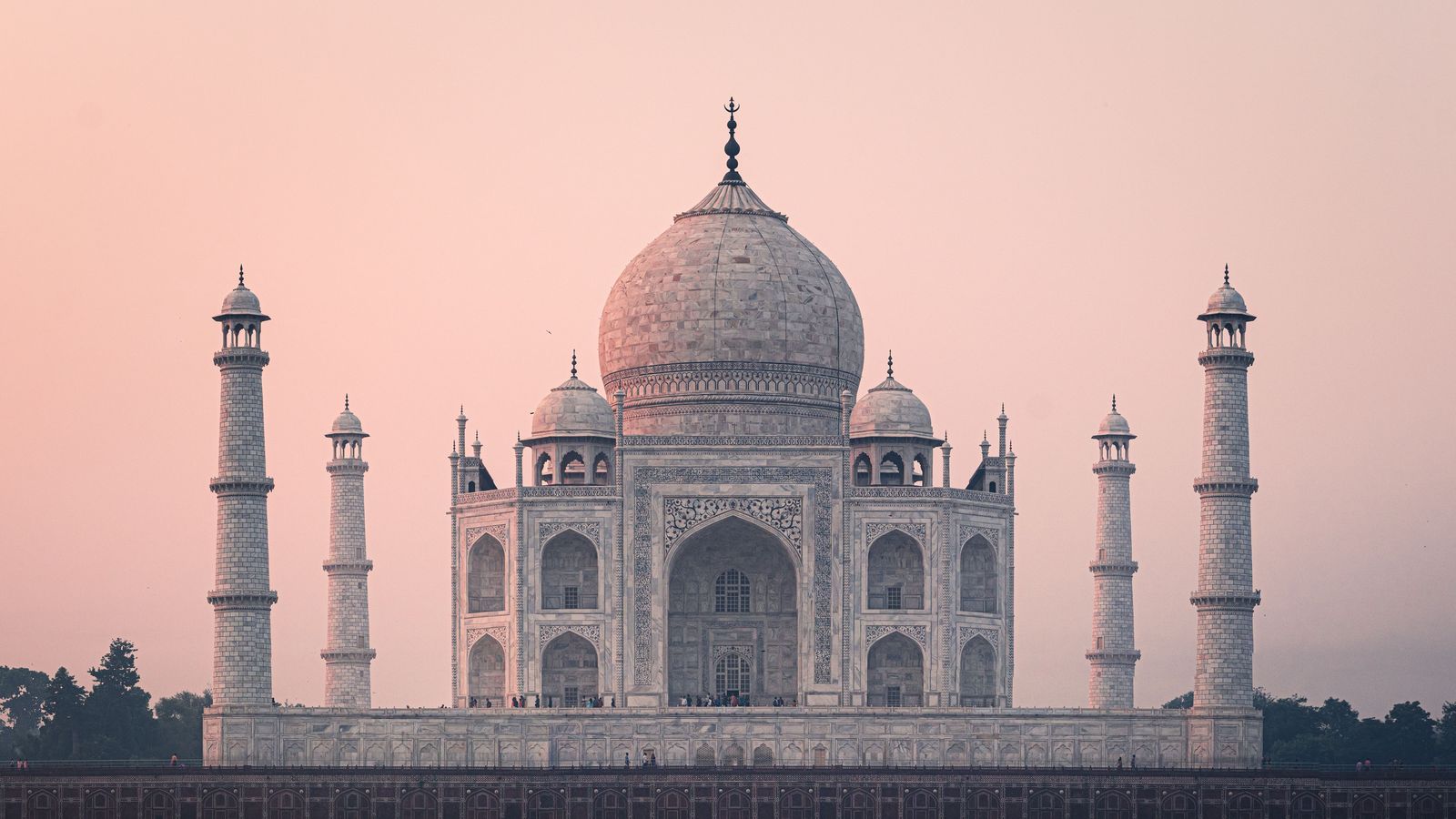
Six regions, six very different trips
The cards above are arranged roughly by where they sit on the map. Here is what separates them.
The north plains: Golden Triangle, Punjab and the Buddhist trail
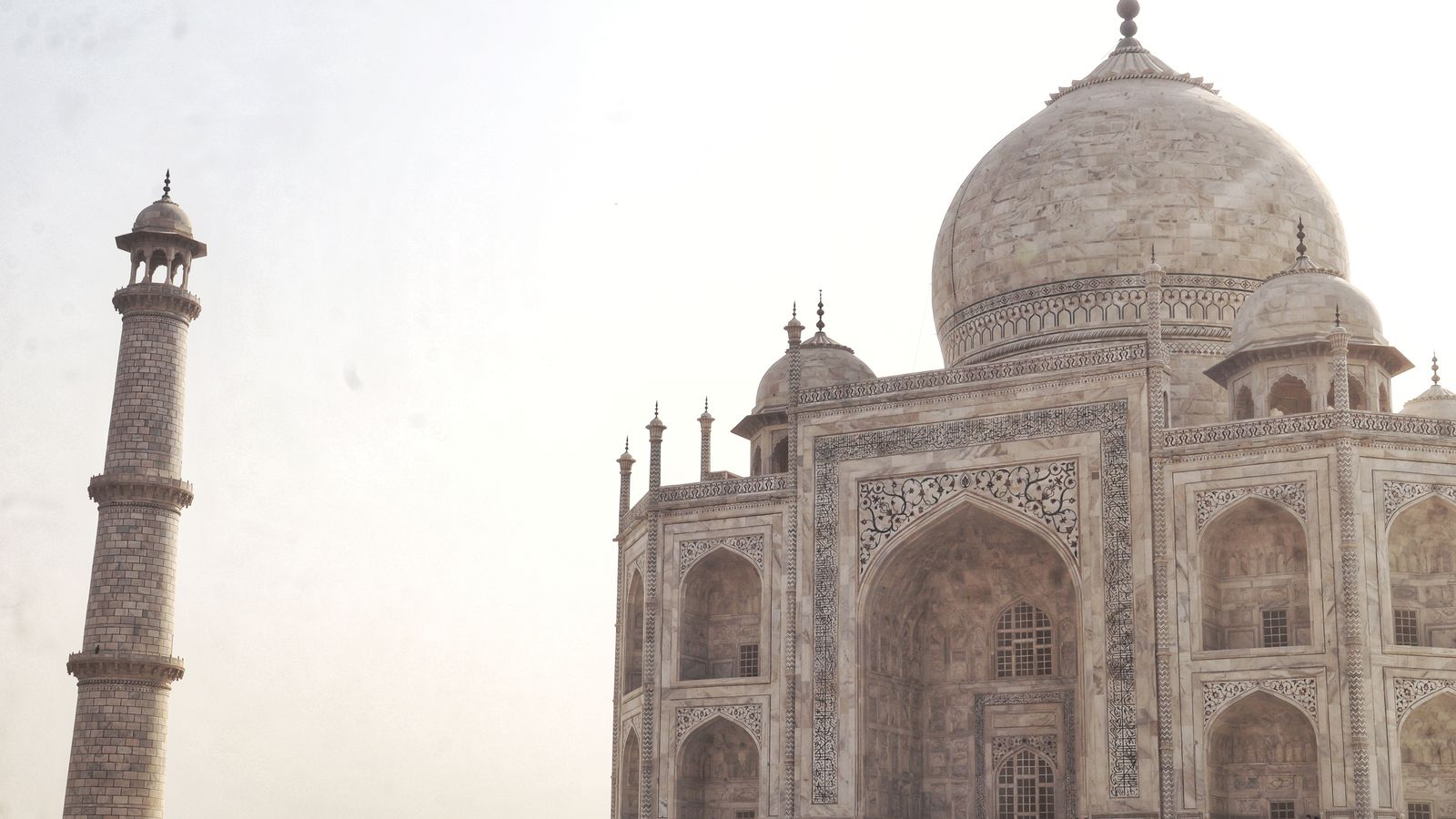
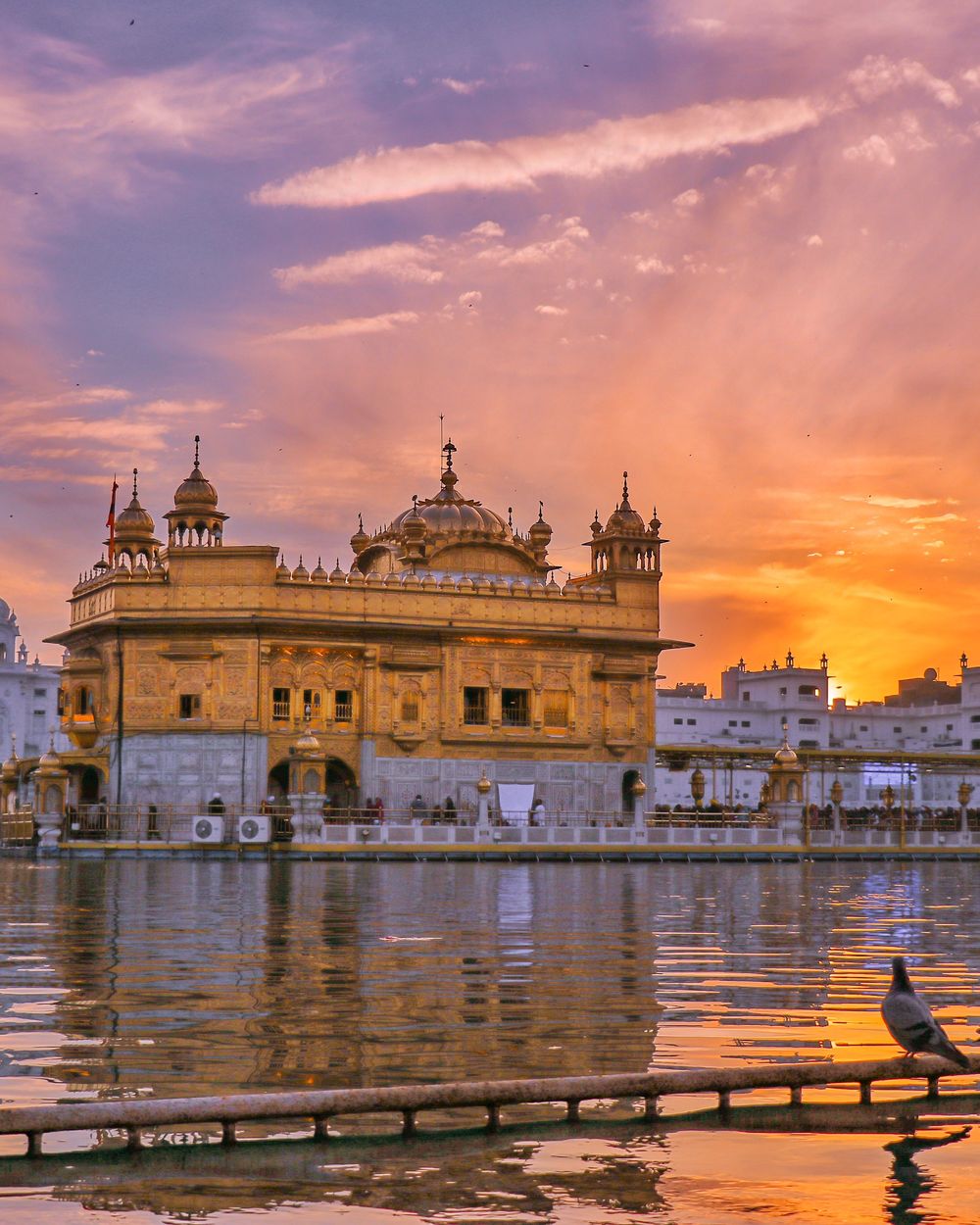
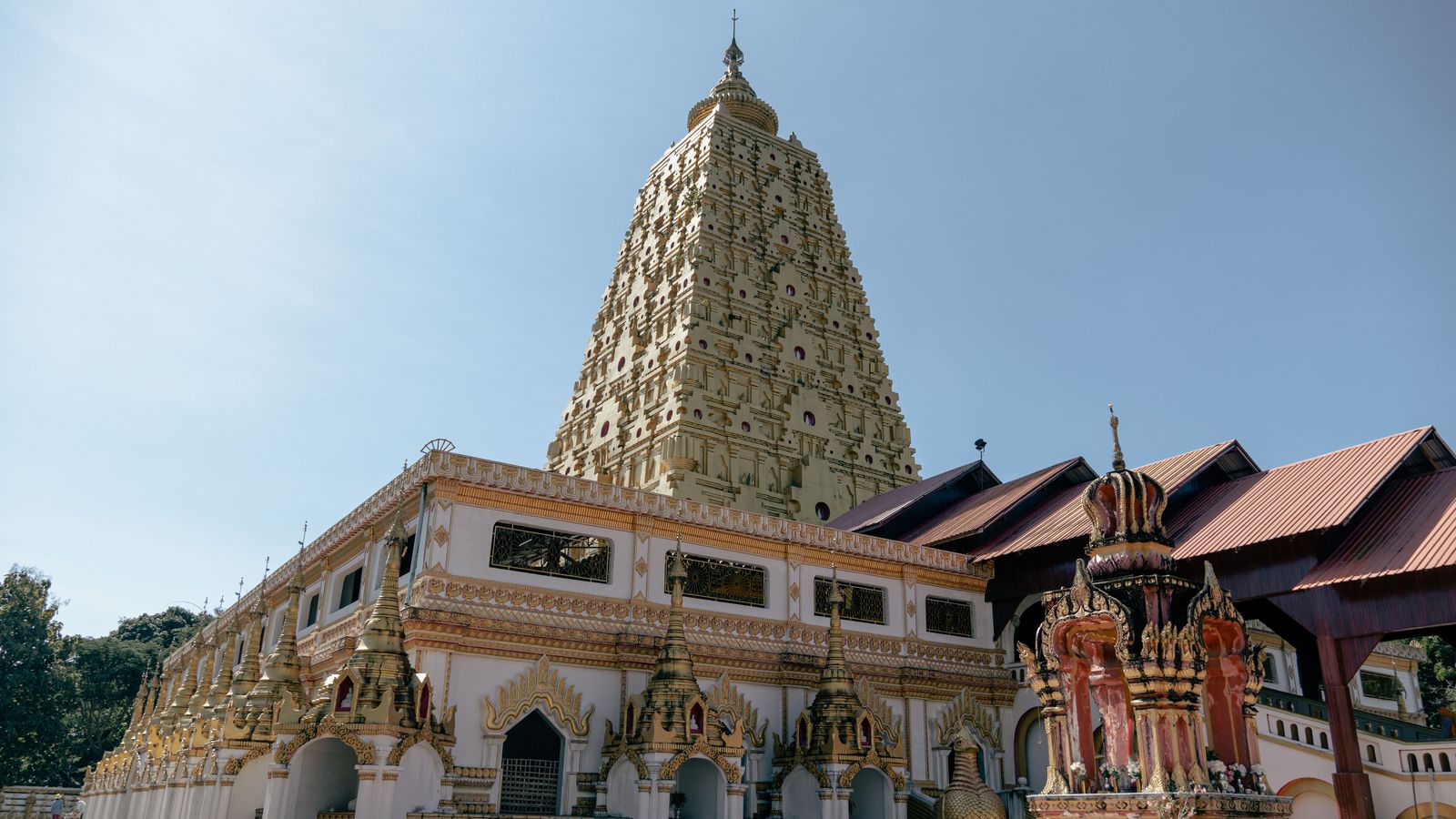
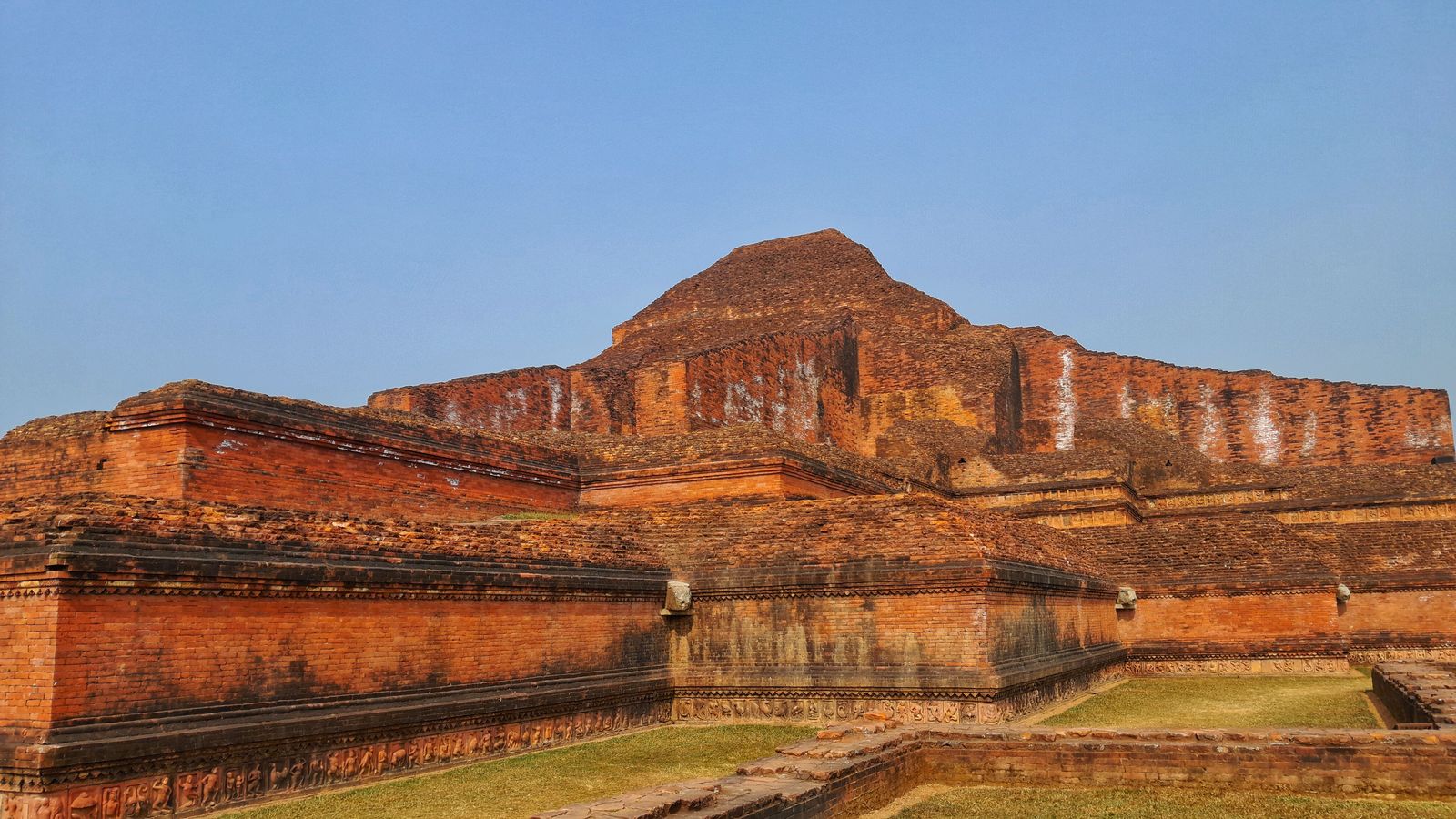
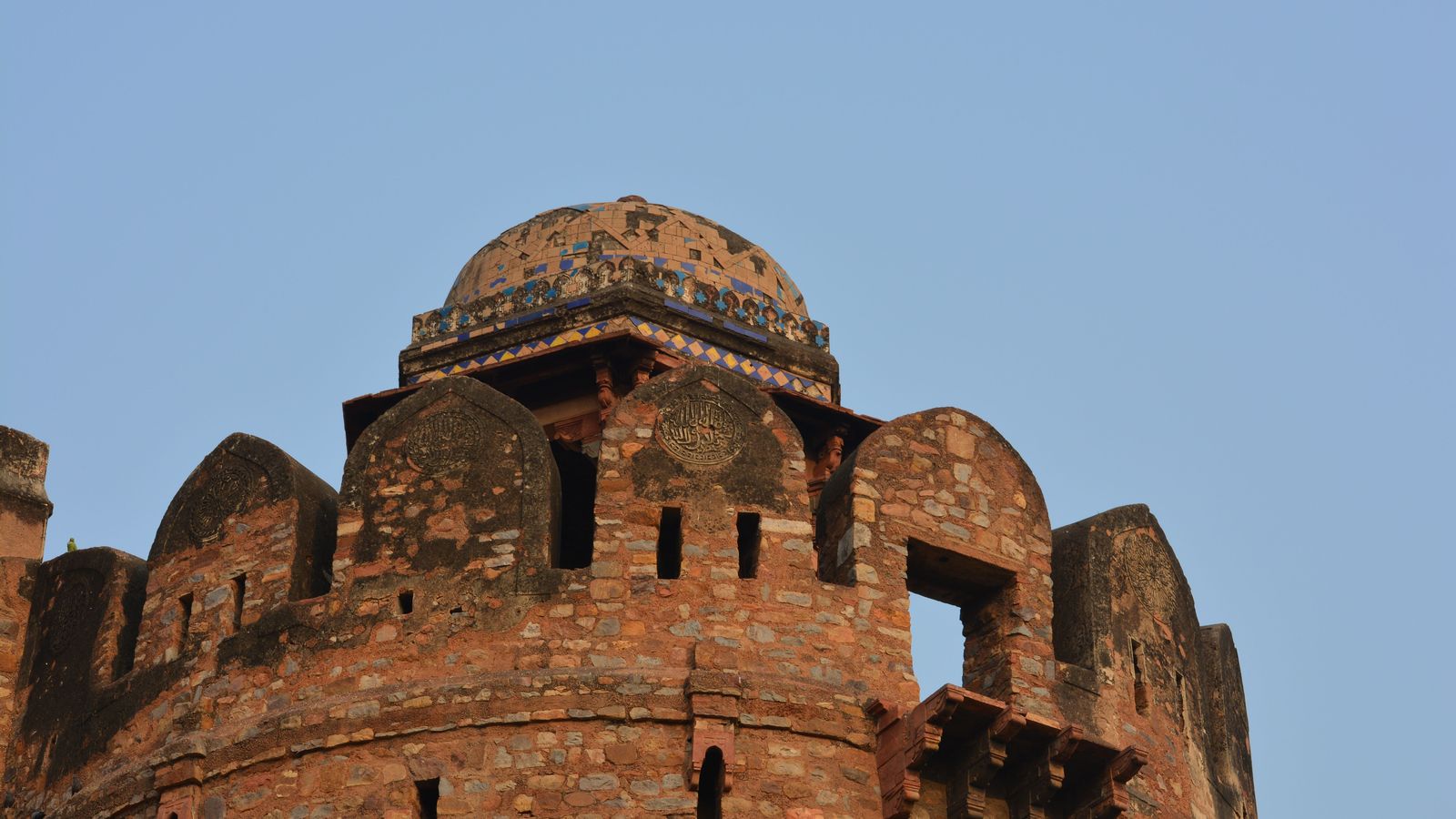
The Golden Triangle of Delhi, Agra and Jaipur is the first trip most visitors take, and it is the easiest to drive: expressway and national highway almost all the way, with three to five hours between cities. Punjab is smaller and more intimate, centred on Amritsar, and the five-day version climbs into Himachal at the end. The Buddhist circuits run east from Varanasi into Bihar and are long, flat drives between sites of deep importance to pilgrims; the eight-day version reaches Kushinagar and Sravasti.
Rajasthan
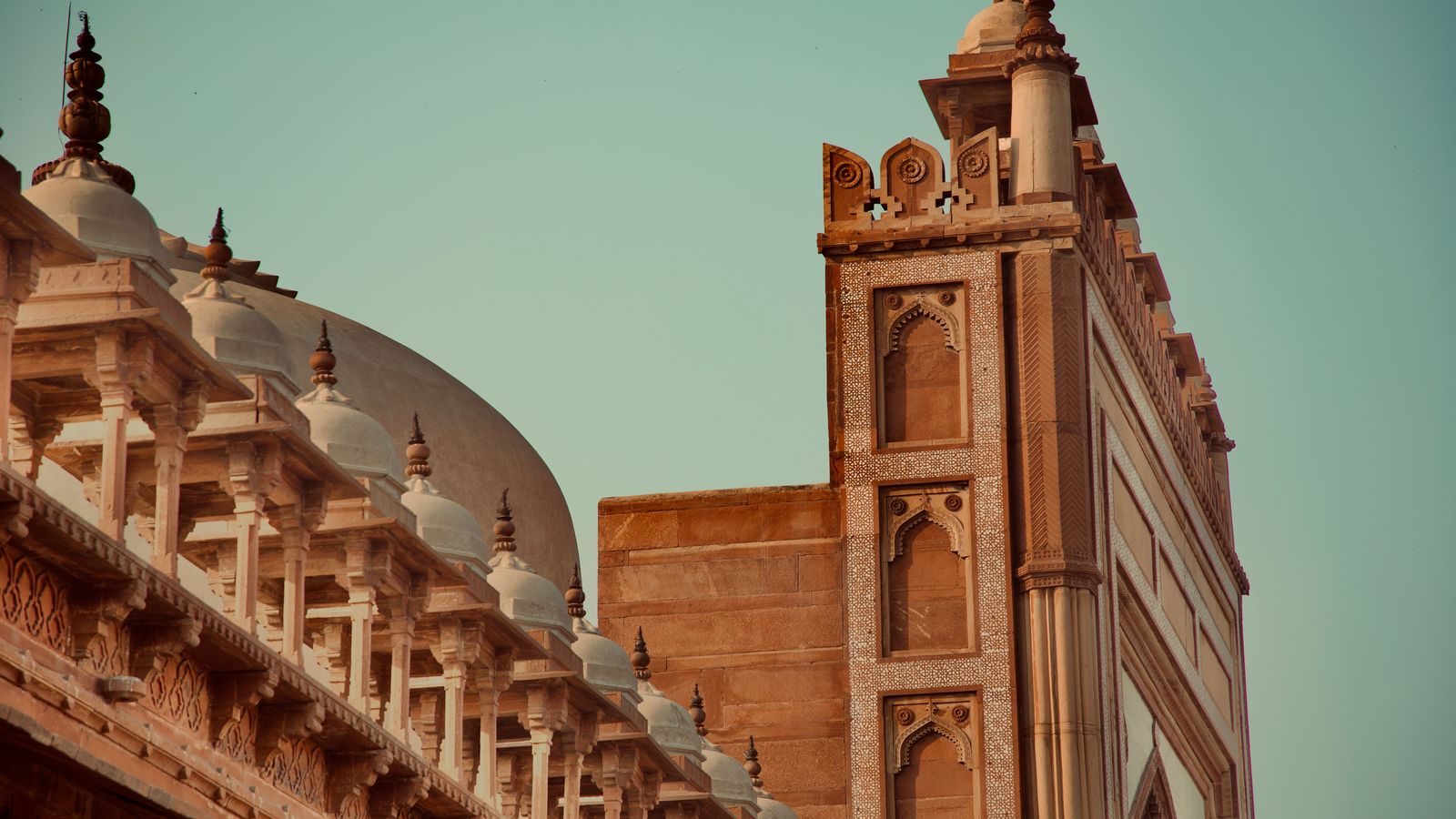
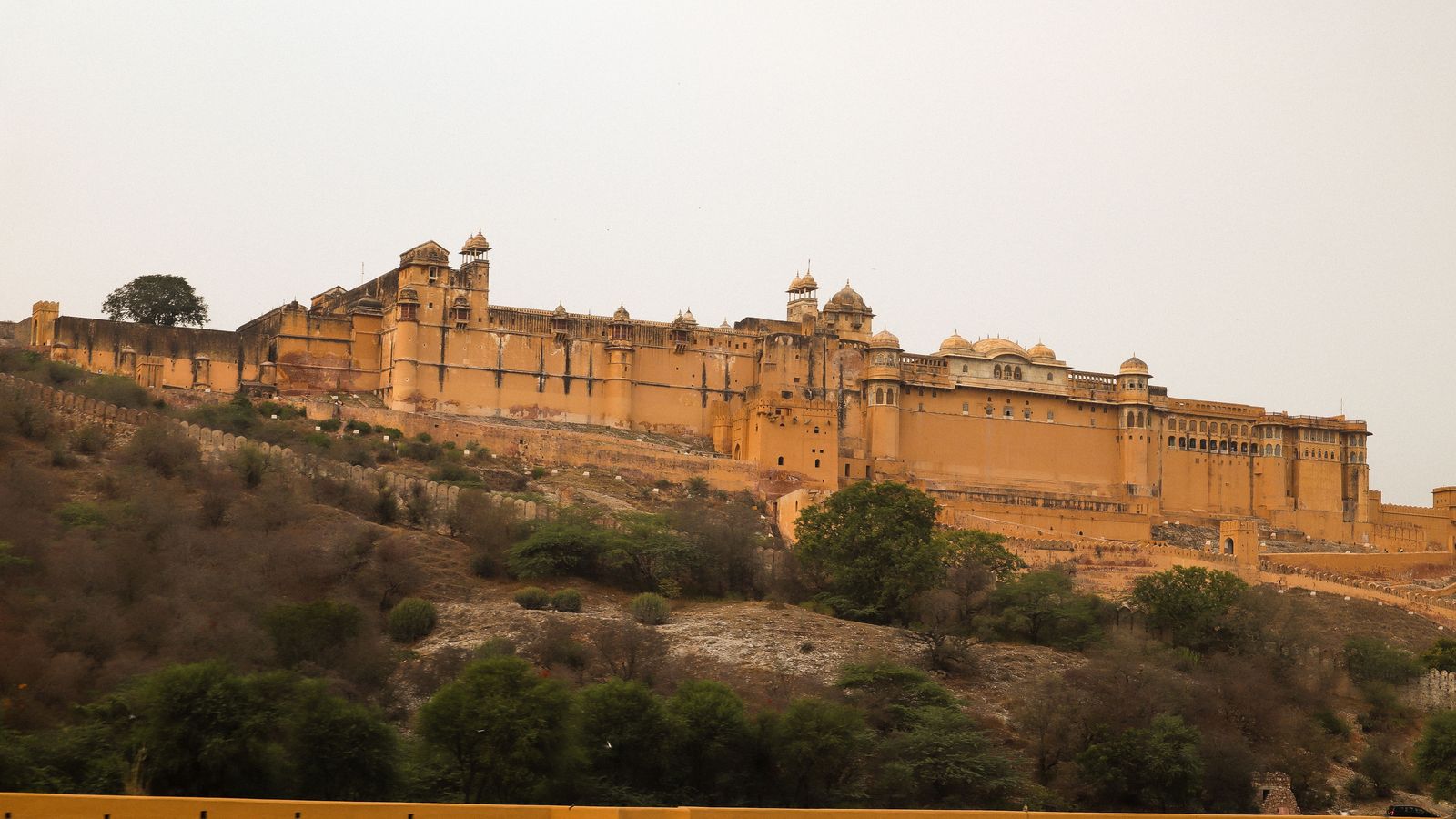
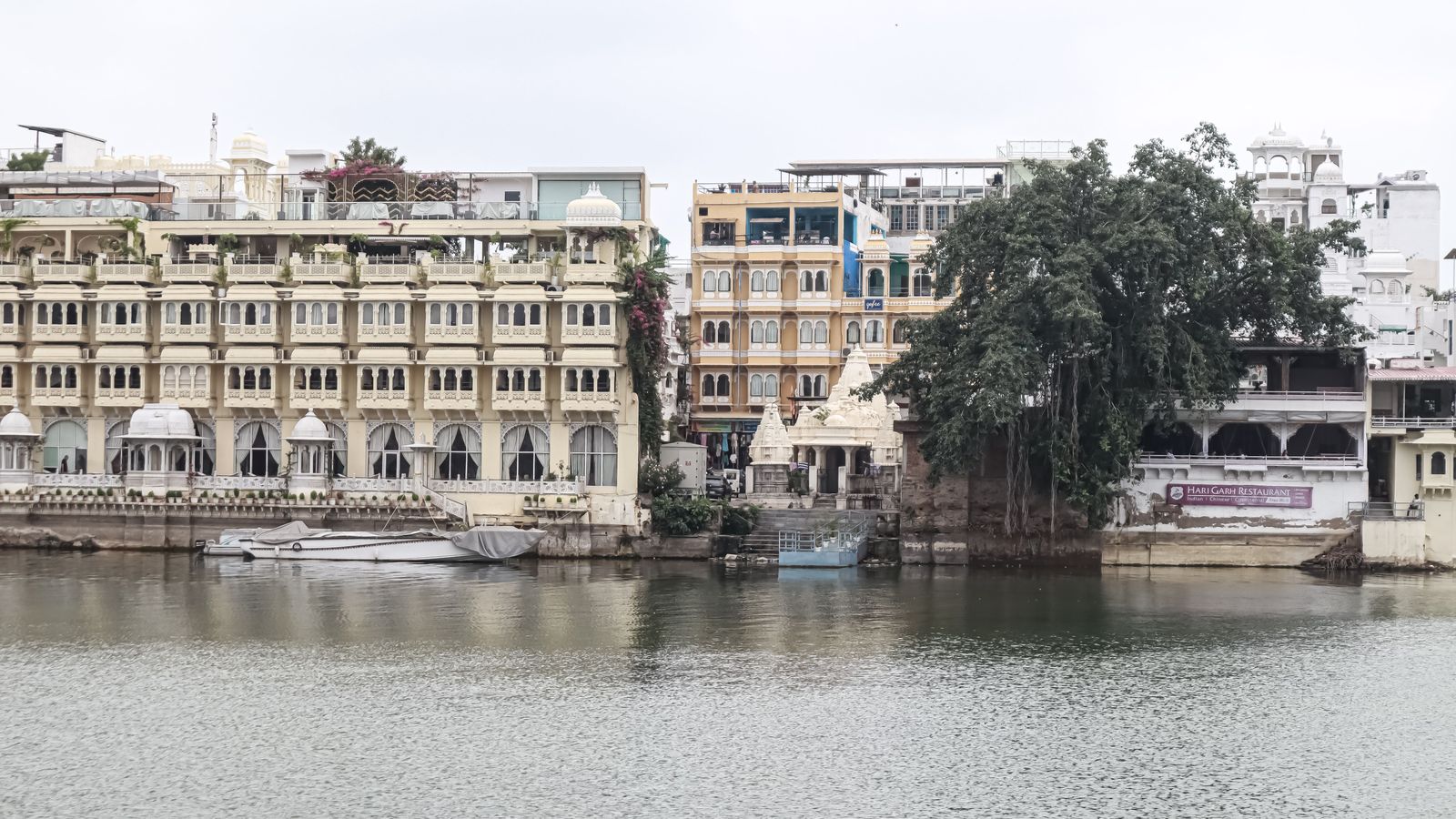
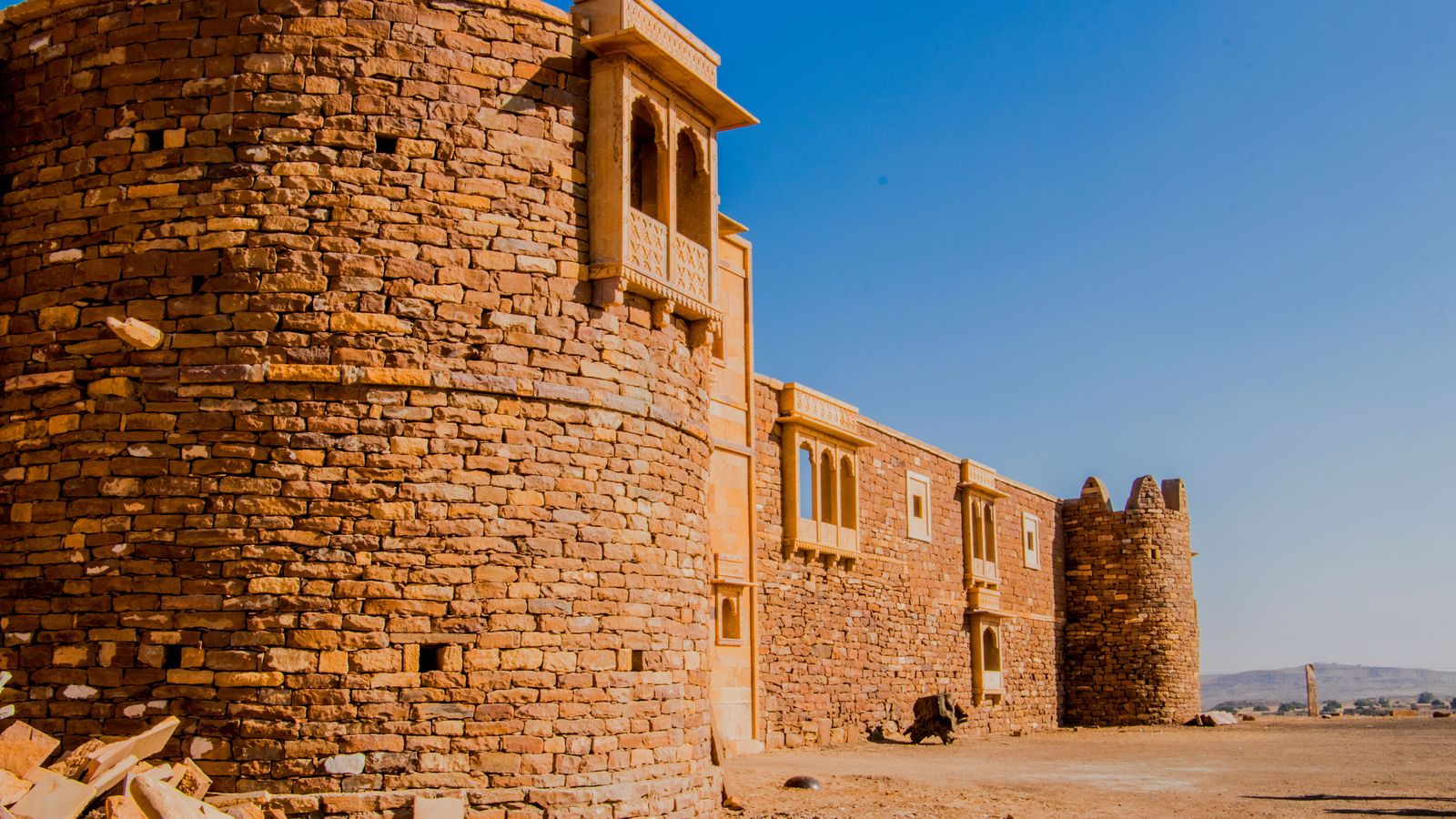
Rajasthan rewards time more than any other region. Six days gets you the three big palace cities. Eight adds the Thar desert at Jaisalmer. Ten days makes a full loop through Bikaner, Ranakpur and Chittorgarh and leaves room to breathe. Distances between cities are long (four to six hours is normal), so the chauffeur's pacing matters.
The Himalayan foothills: Himachal and Uttarakhand
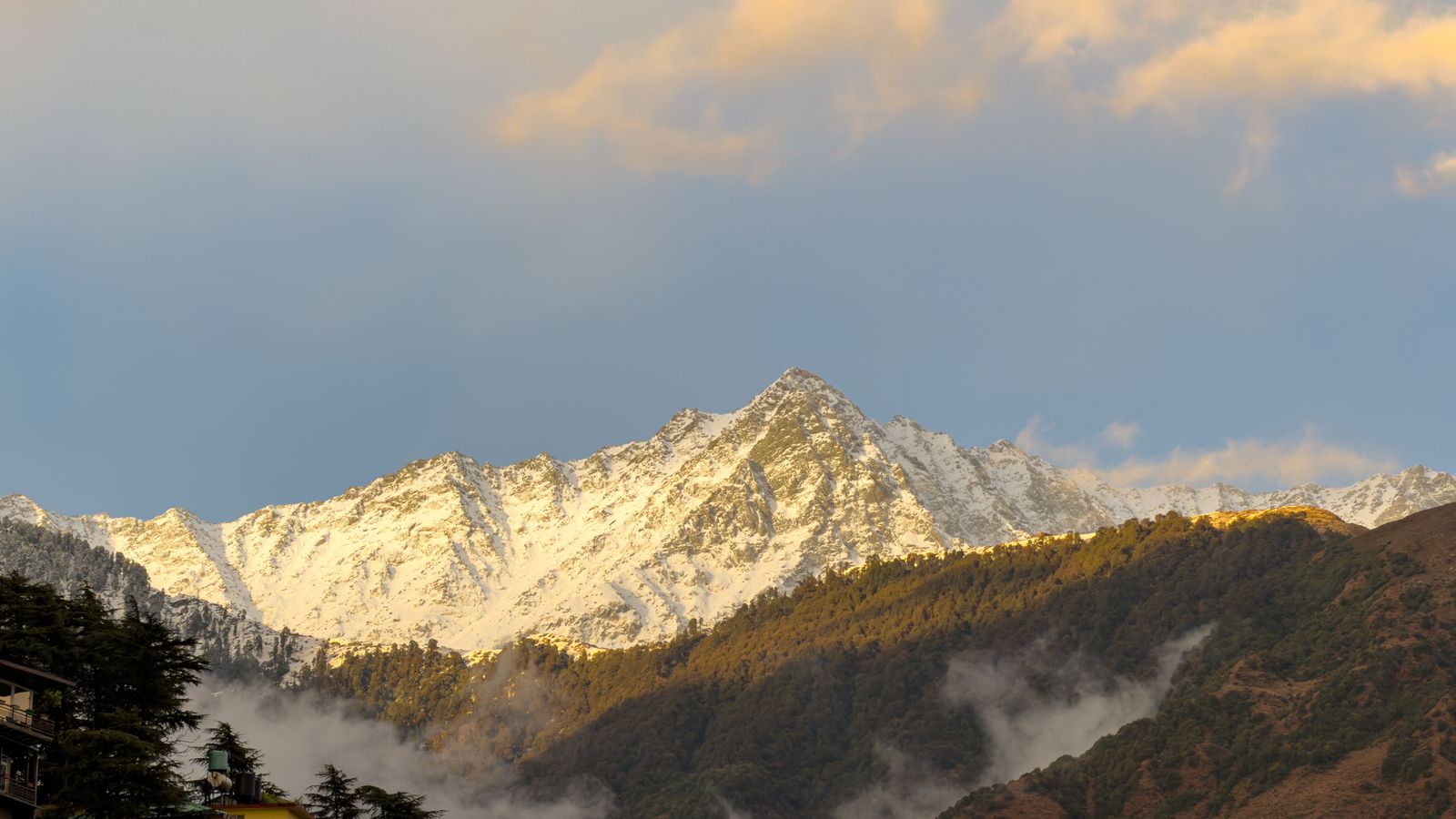
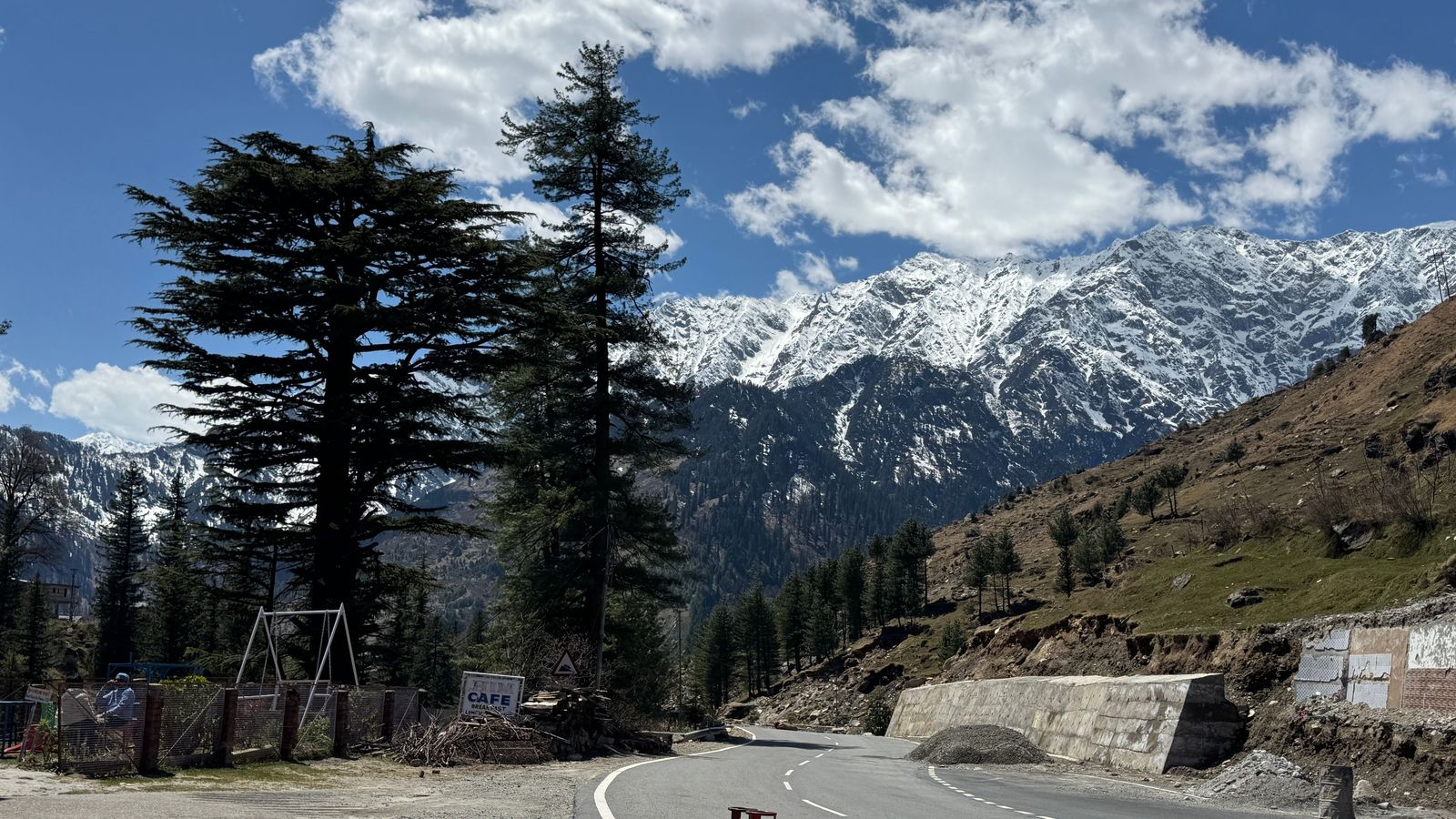
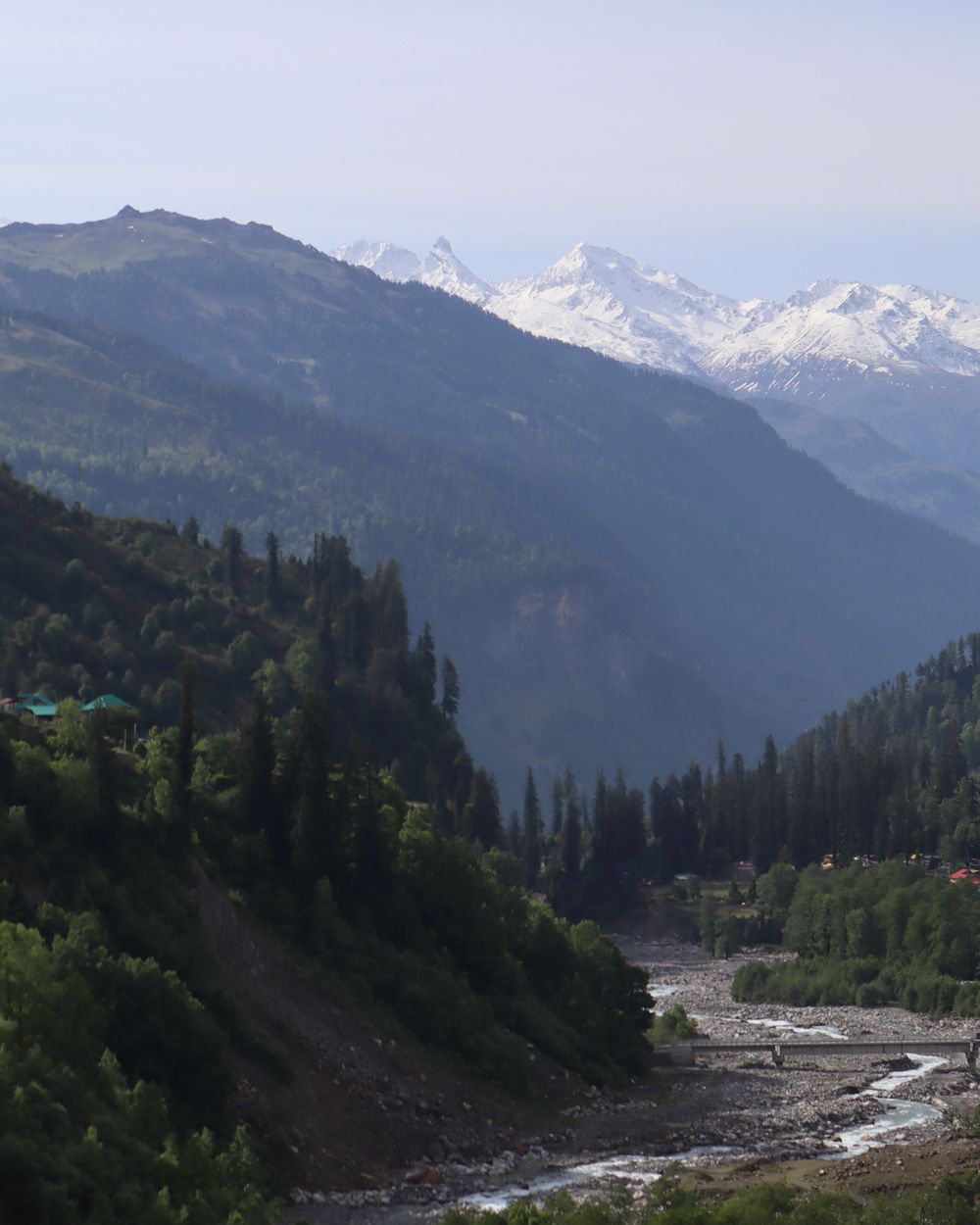
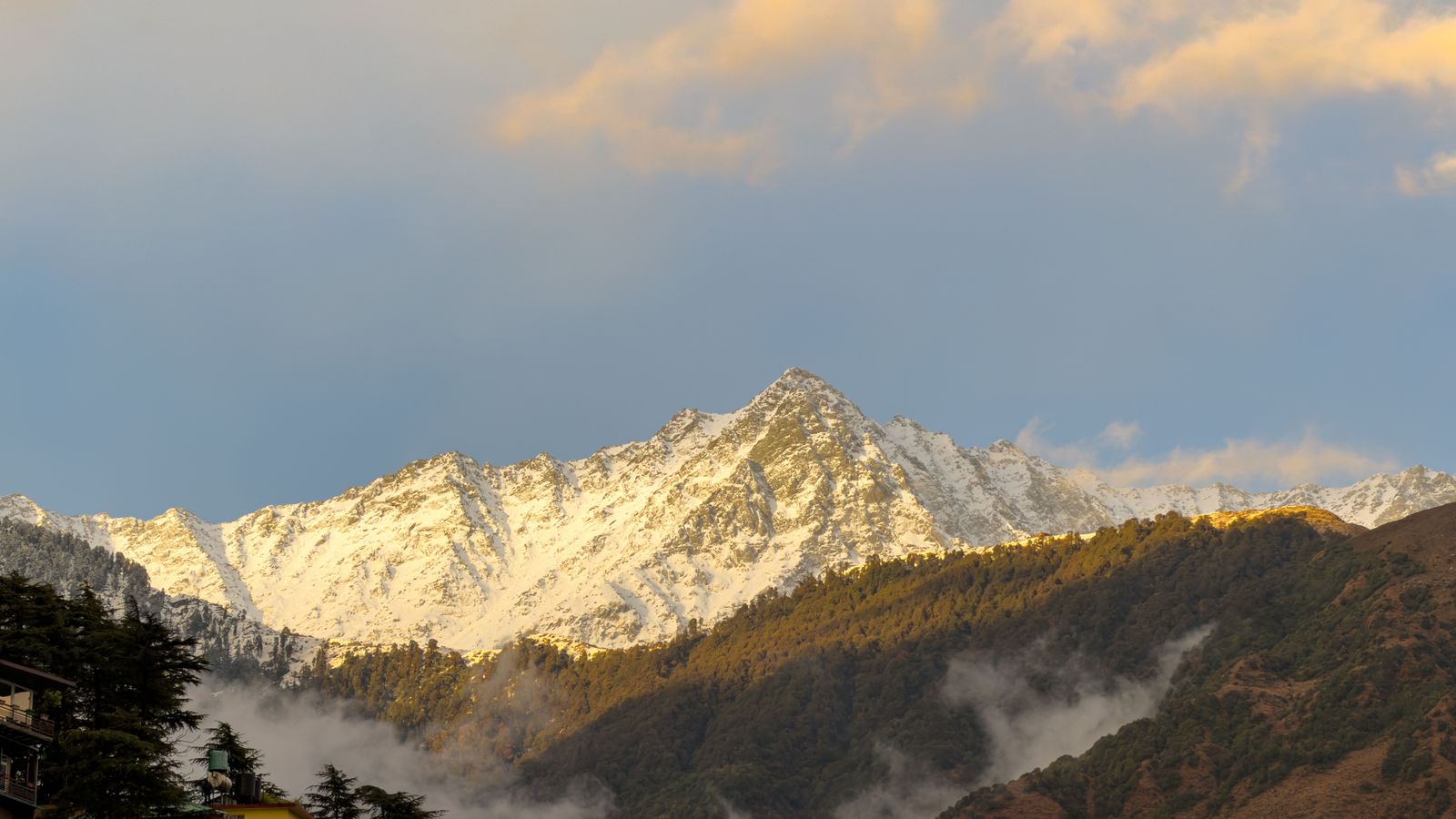
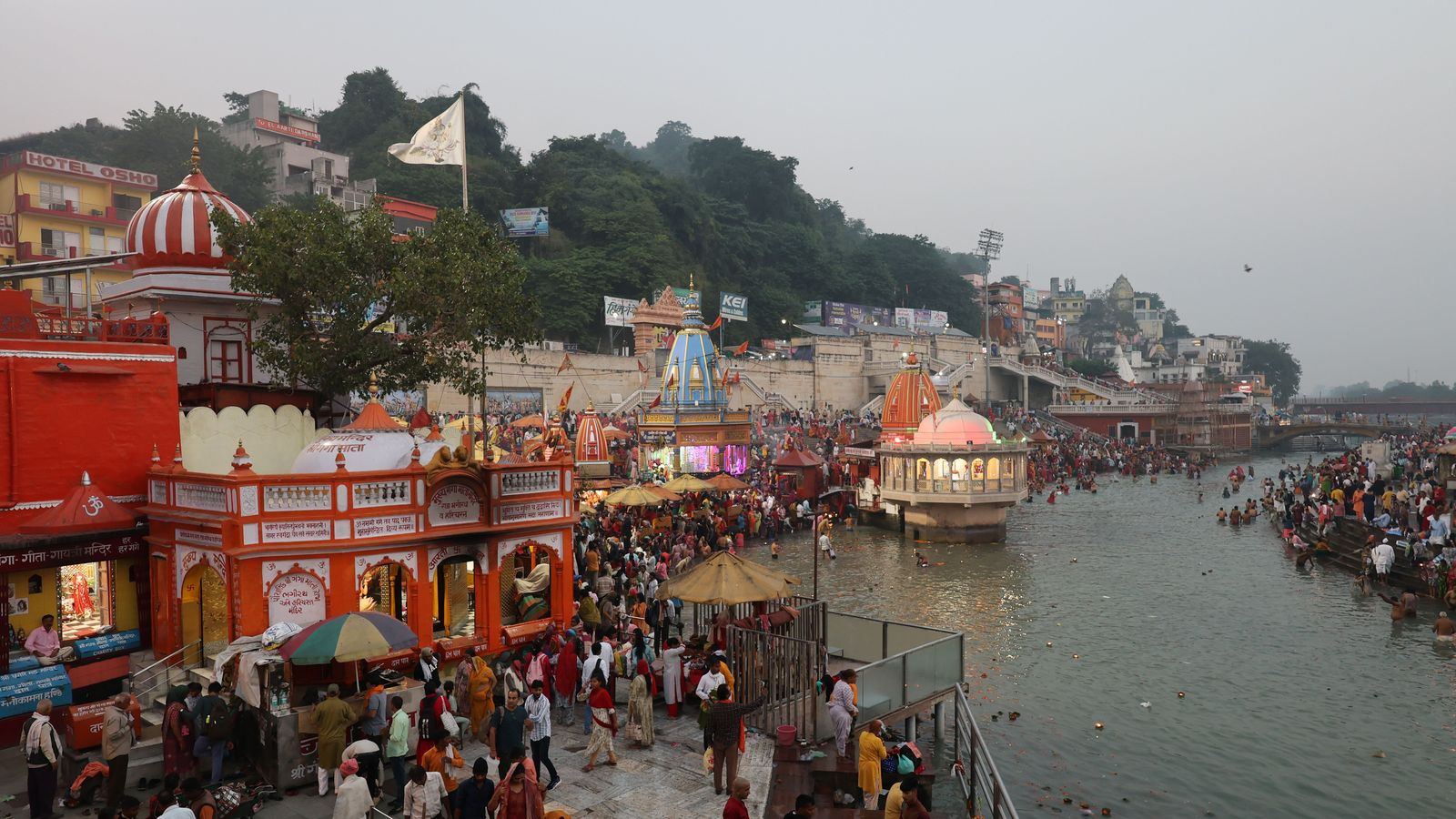
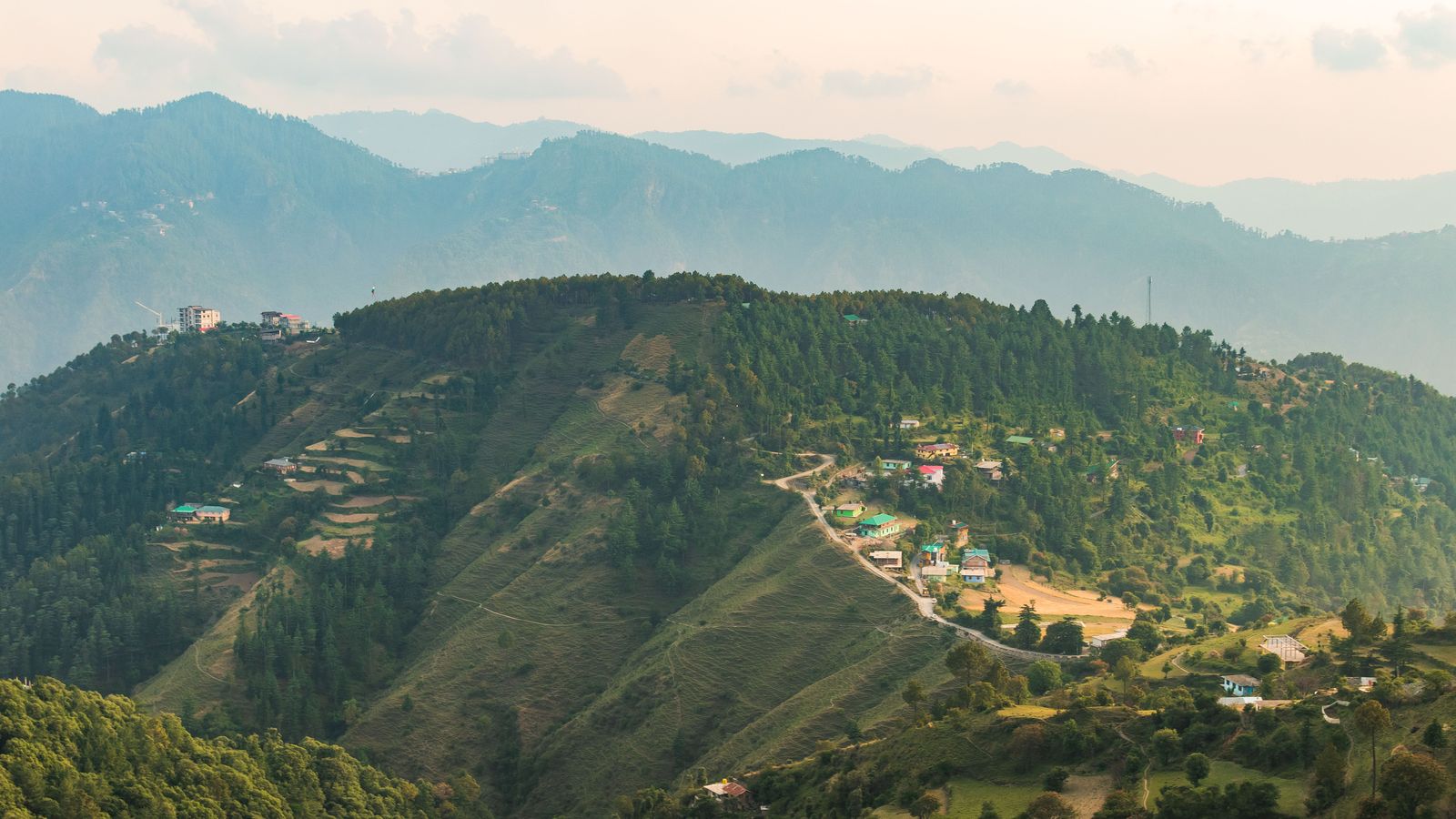
Hill packages are slower per kilometre. A 250 km day in the mountains can take eight hours. Himachal links Shimla and Manali, and the seven-day version crosses to Dharamshala. Uttarakhand is closer to Delhi and mixes the Ganga towns of Haridwar and Rishikesh with the ridge at Mussoorie. Chauffeurs on these routes are hill-trained and plan around daylight.
The south: Kerala, Tamil Nadu and Karnataka
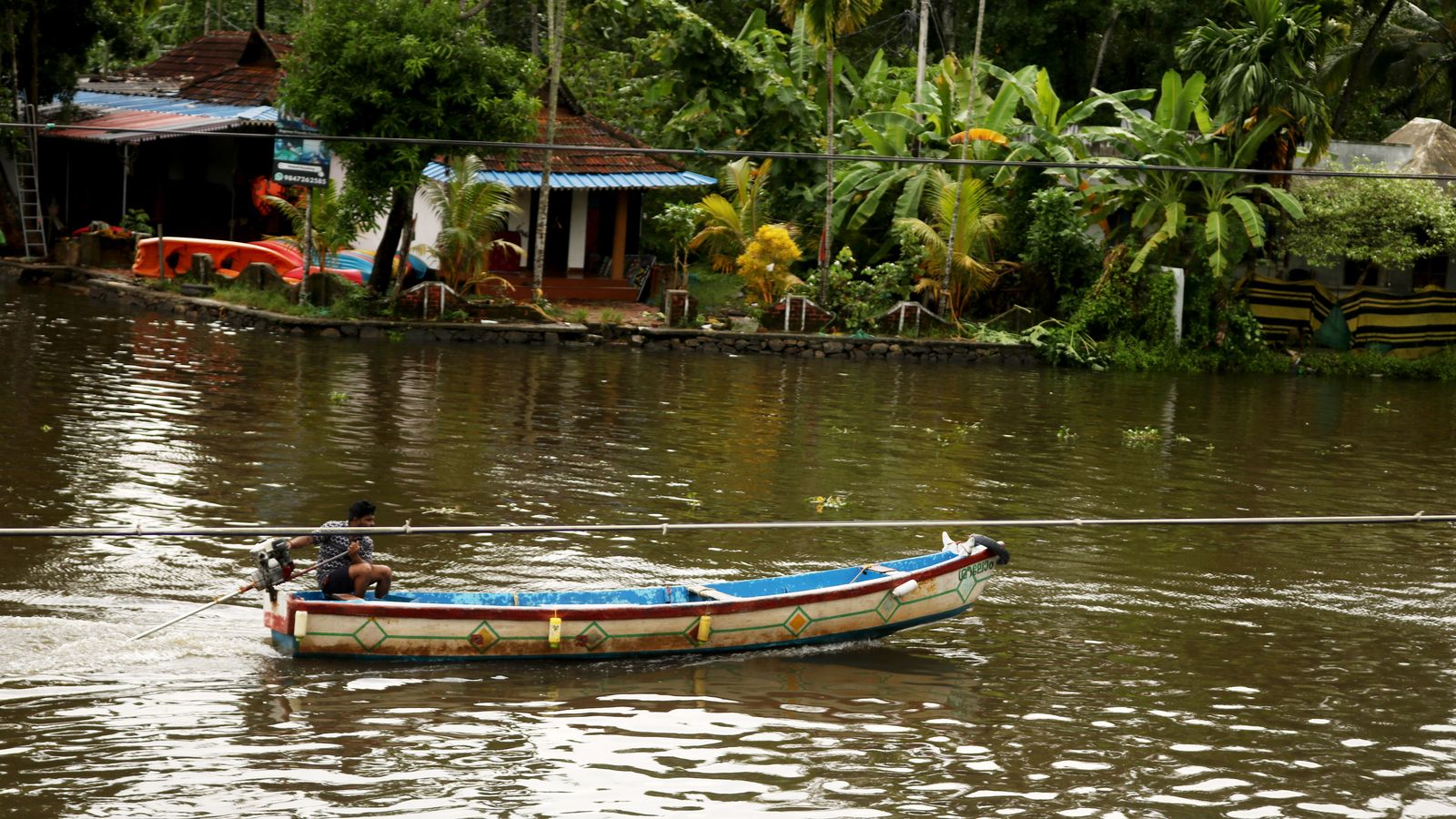
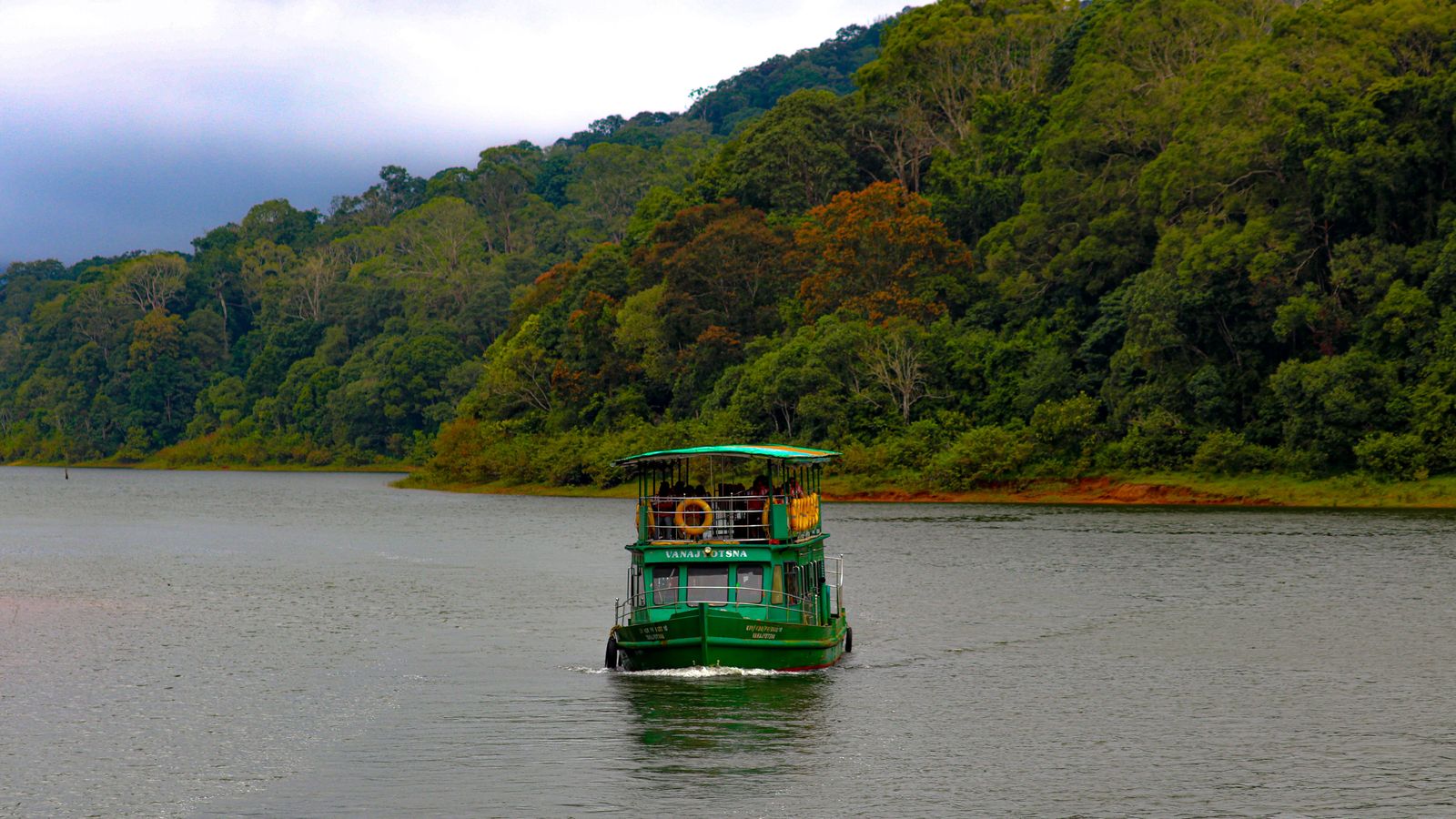
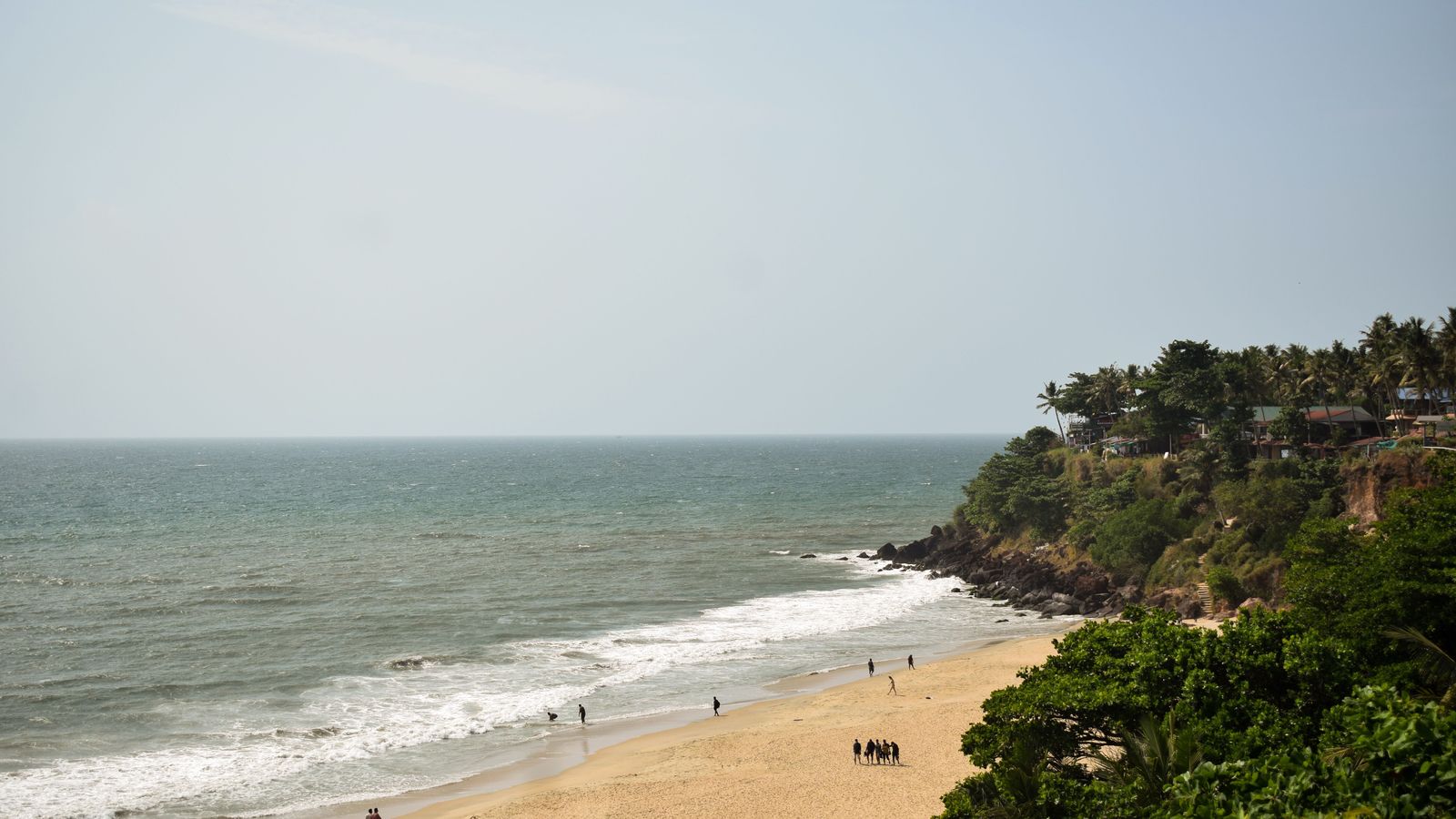
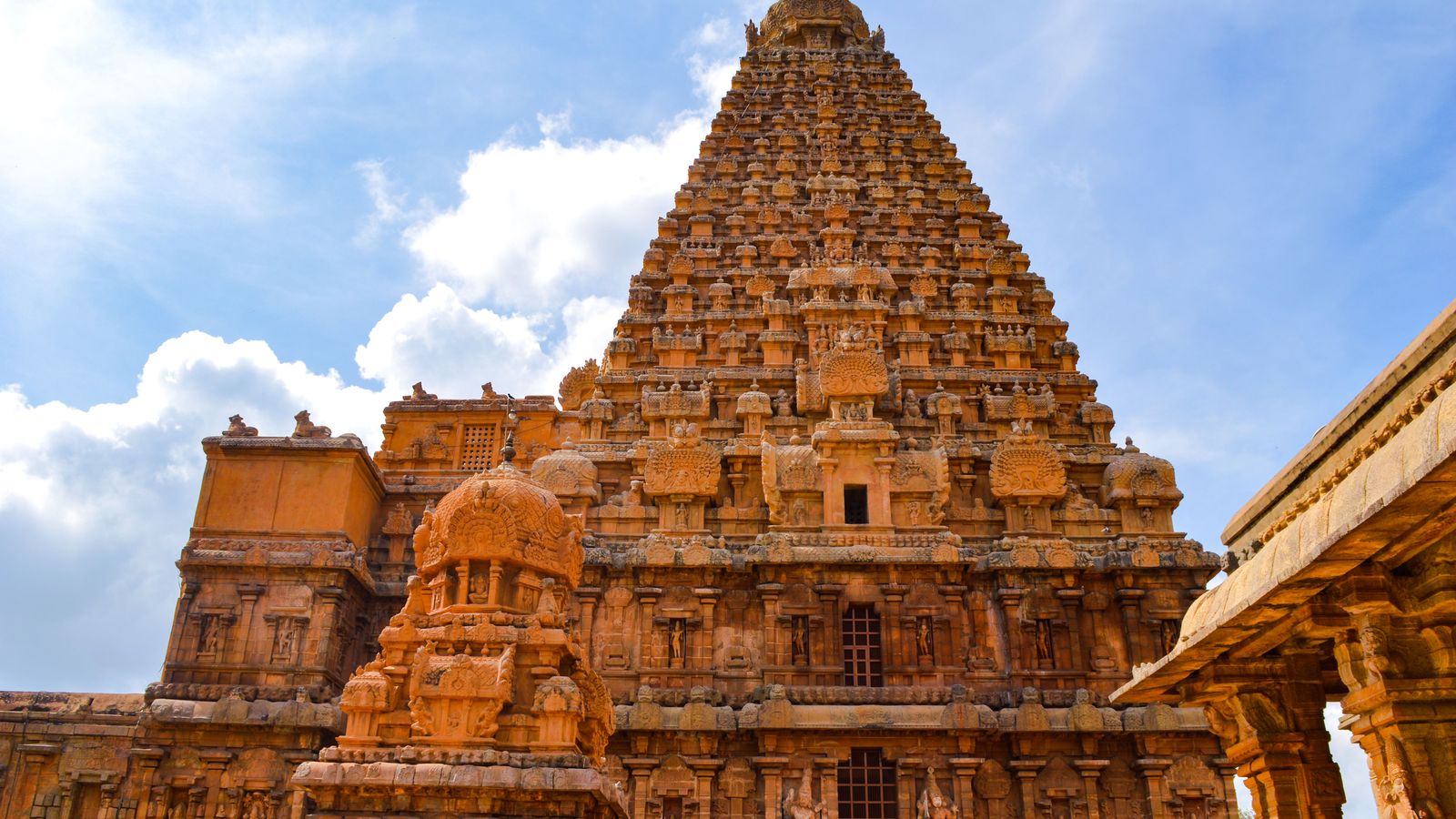
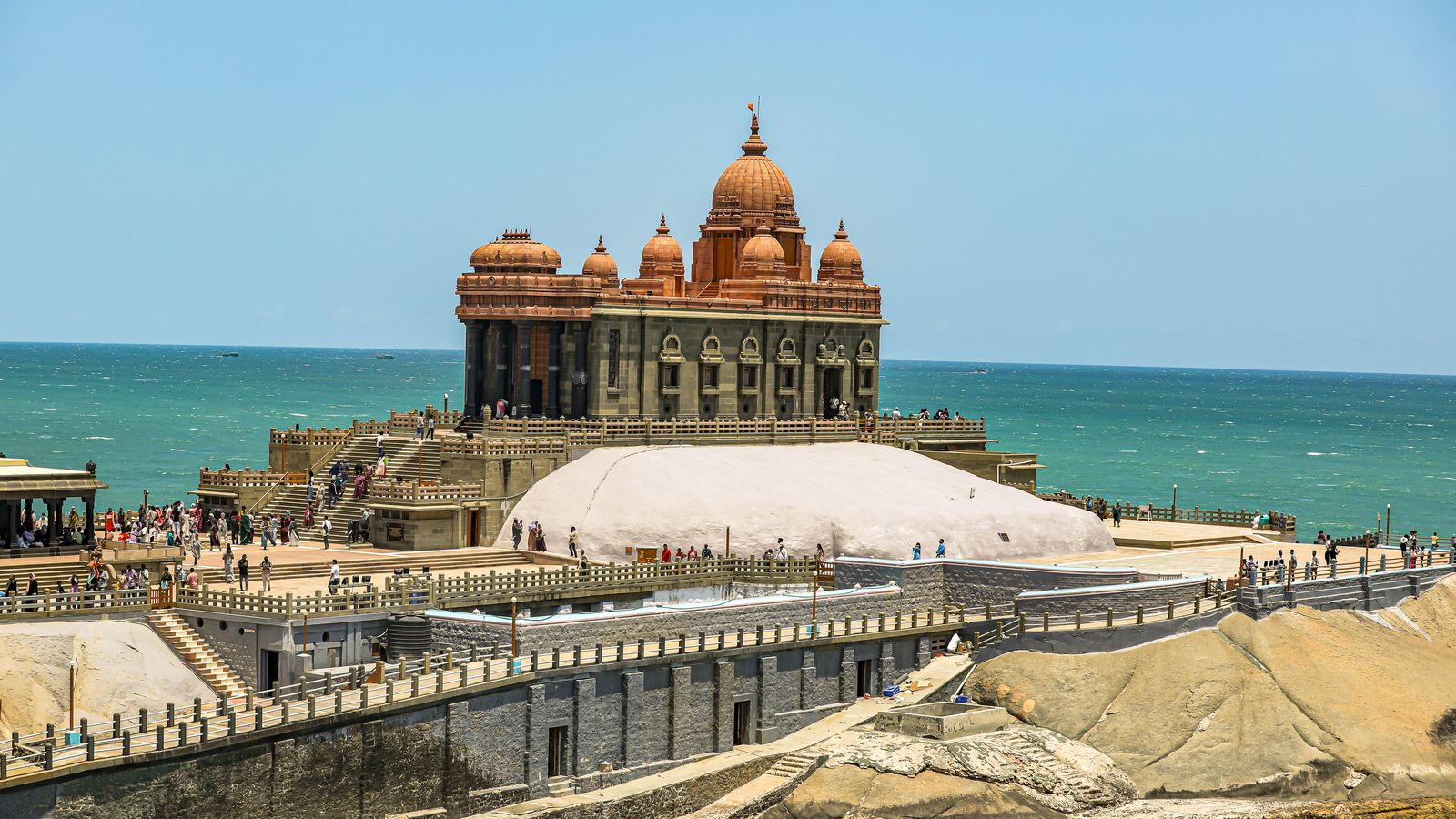
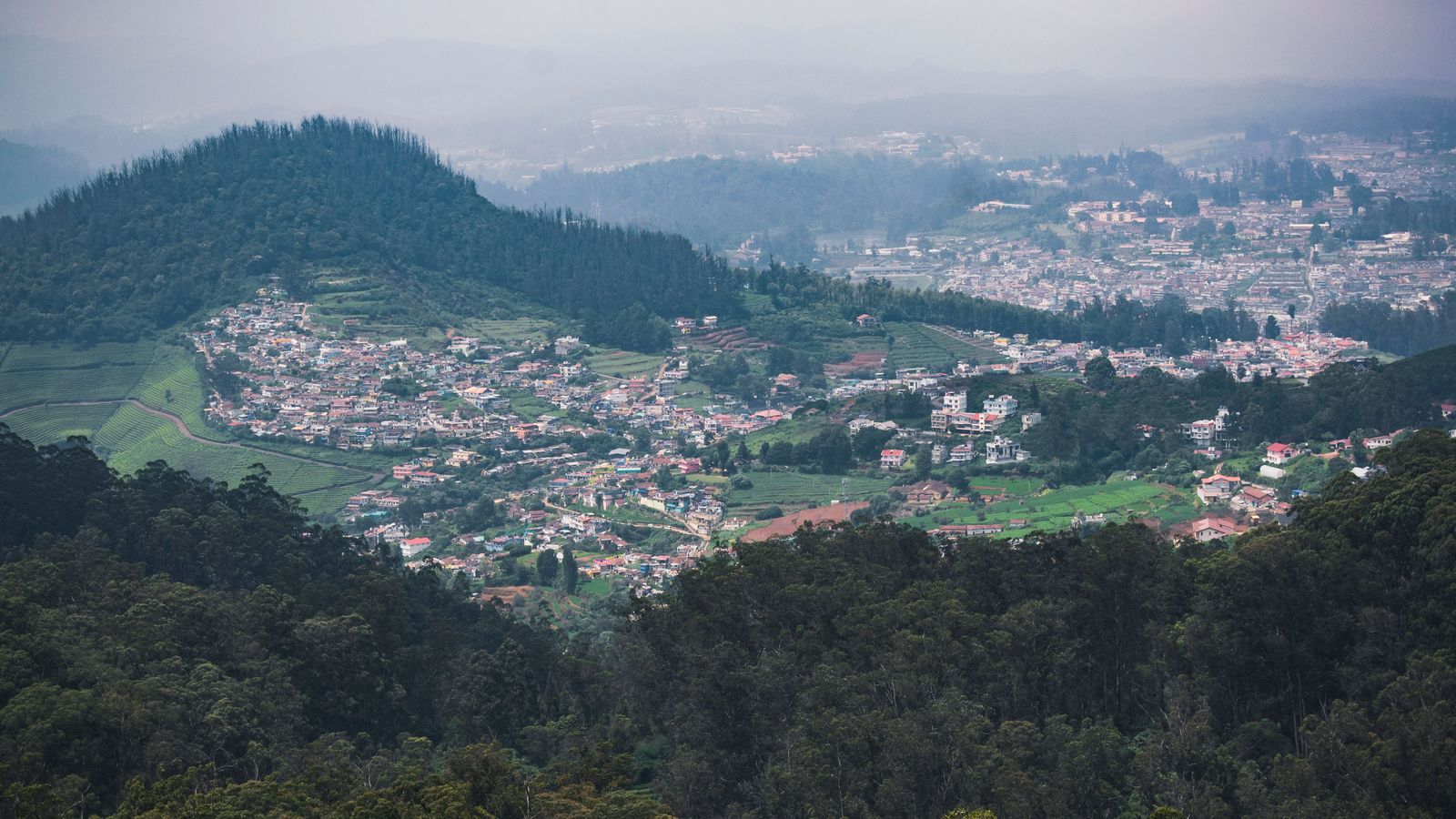
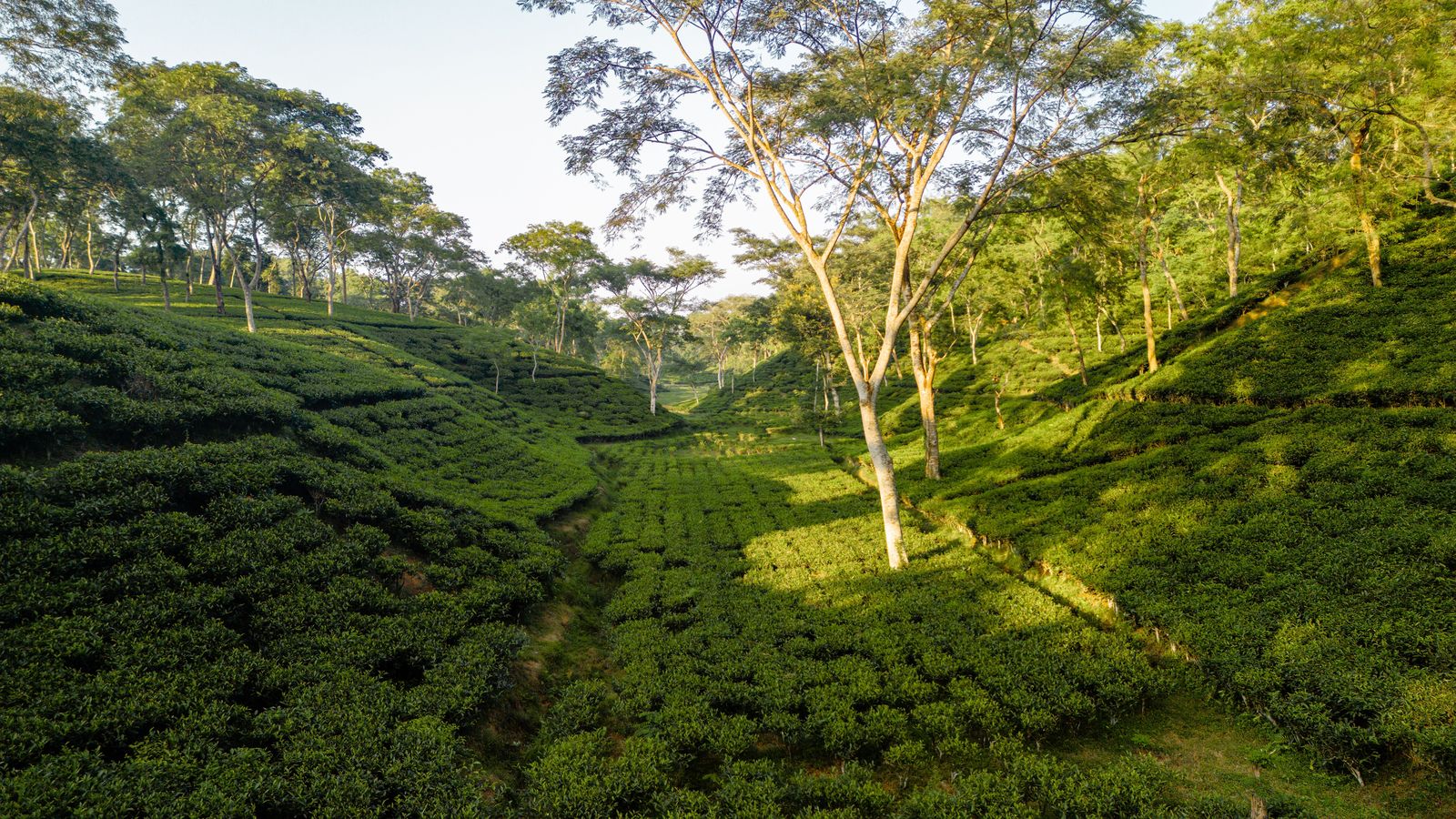
Kerala moves from the port of Kochi up into the Munnar tea hills and back down to the backwaters. The South India circuit is about temples, from Mamallapuram's shore carvings to Madurai and on to Kanyakumari. Karnataka combines Mysore, Coorg and the Hoysala temples, or swaps the temples for the Nilgiris.
The east and the Northeast
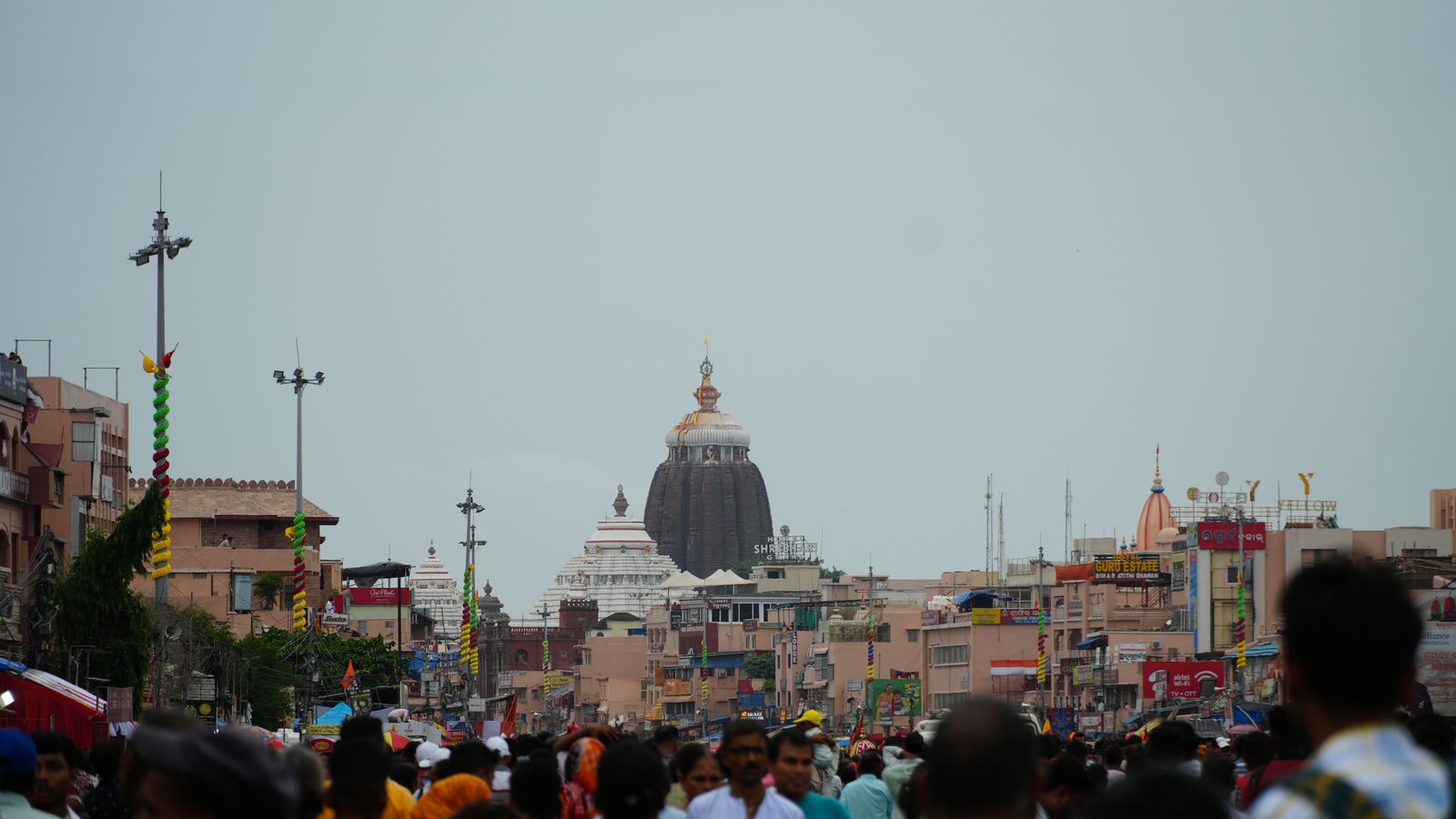
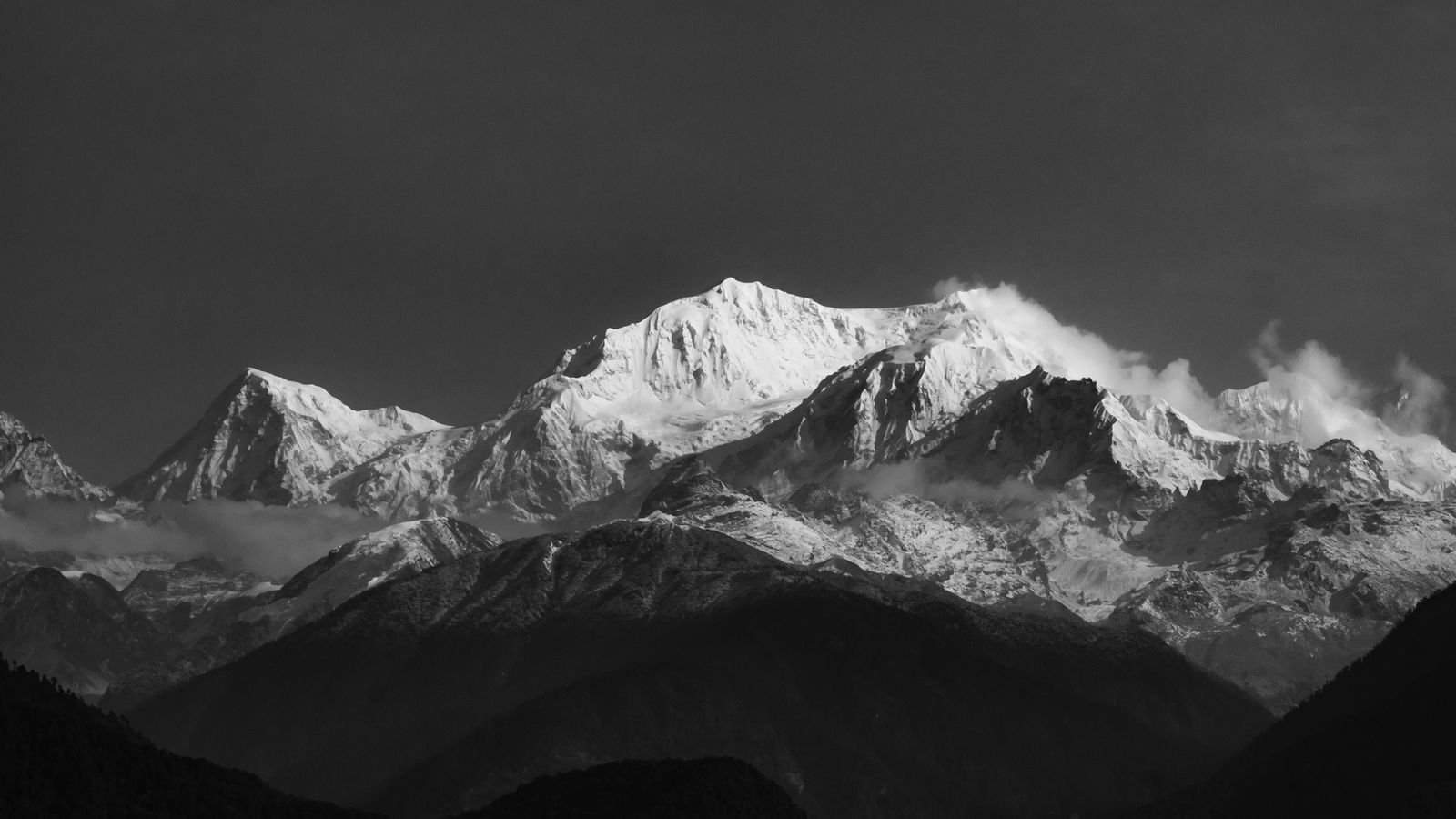
Odisha is compact: Bhubaneswar, Konark and Puri sit within an hour or two of each other. Darjeeling and Sikkim start at Bagdogra airport and climb steeply. The Northeast package starts in Guwahati, spends its first days in the Khasi hills of Meghalaya and finishes at Kaziranga. Roads here are narrower and slower, and the drive notes on each page are realistic rather than optimistic.
The west: Goa, Gujarat and Maharashtra
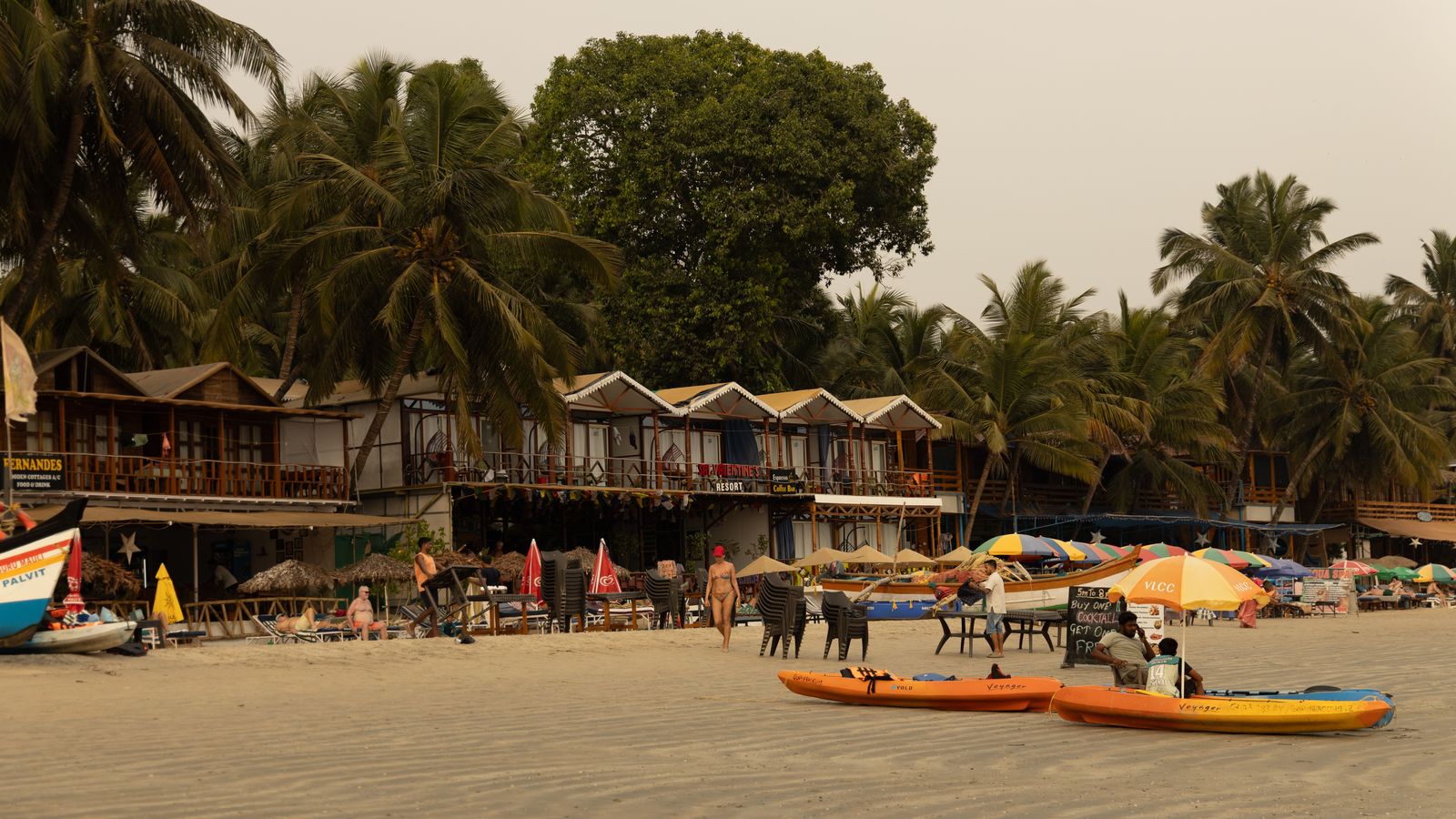
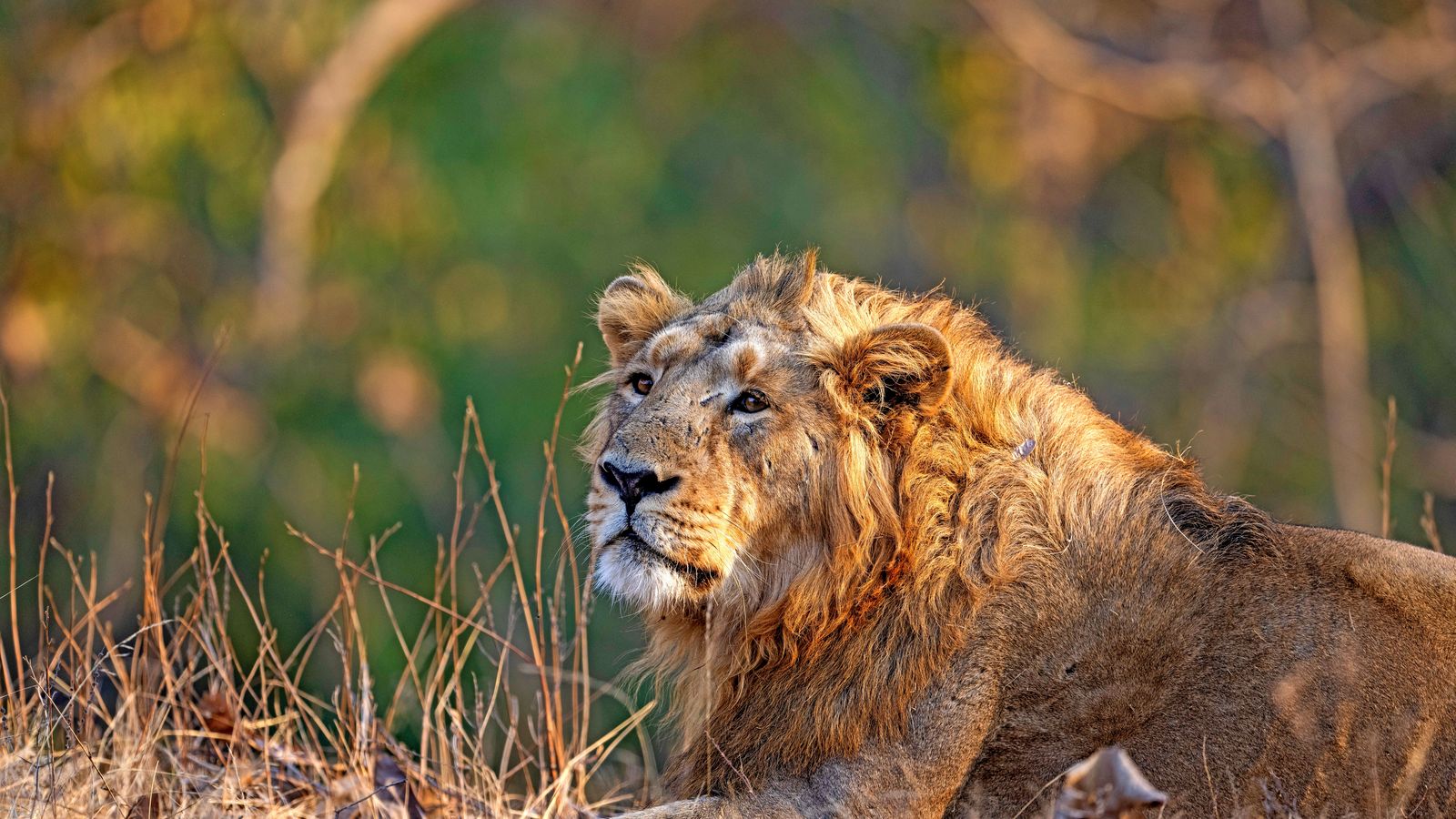
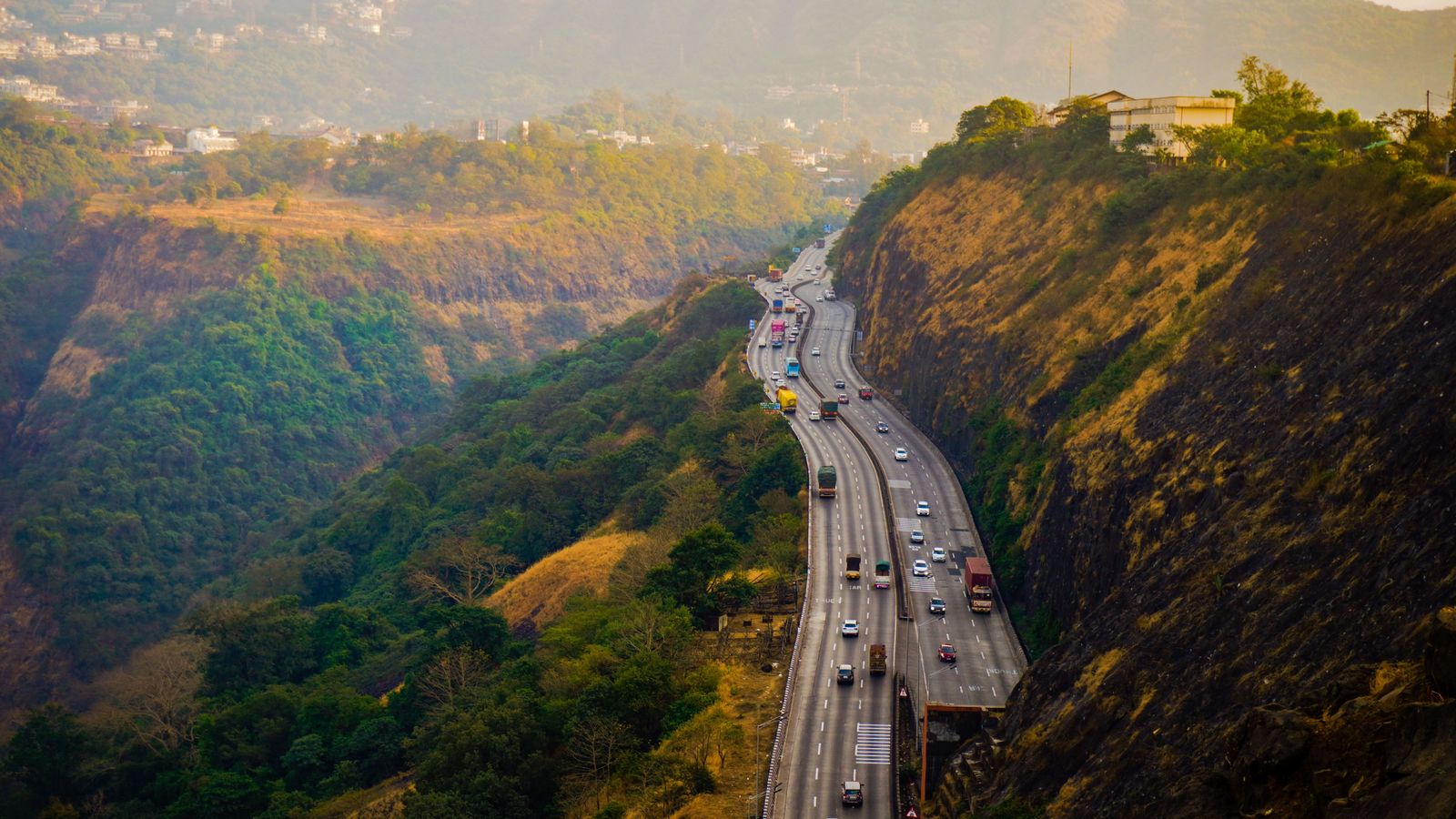
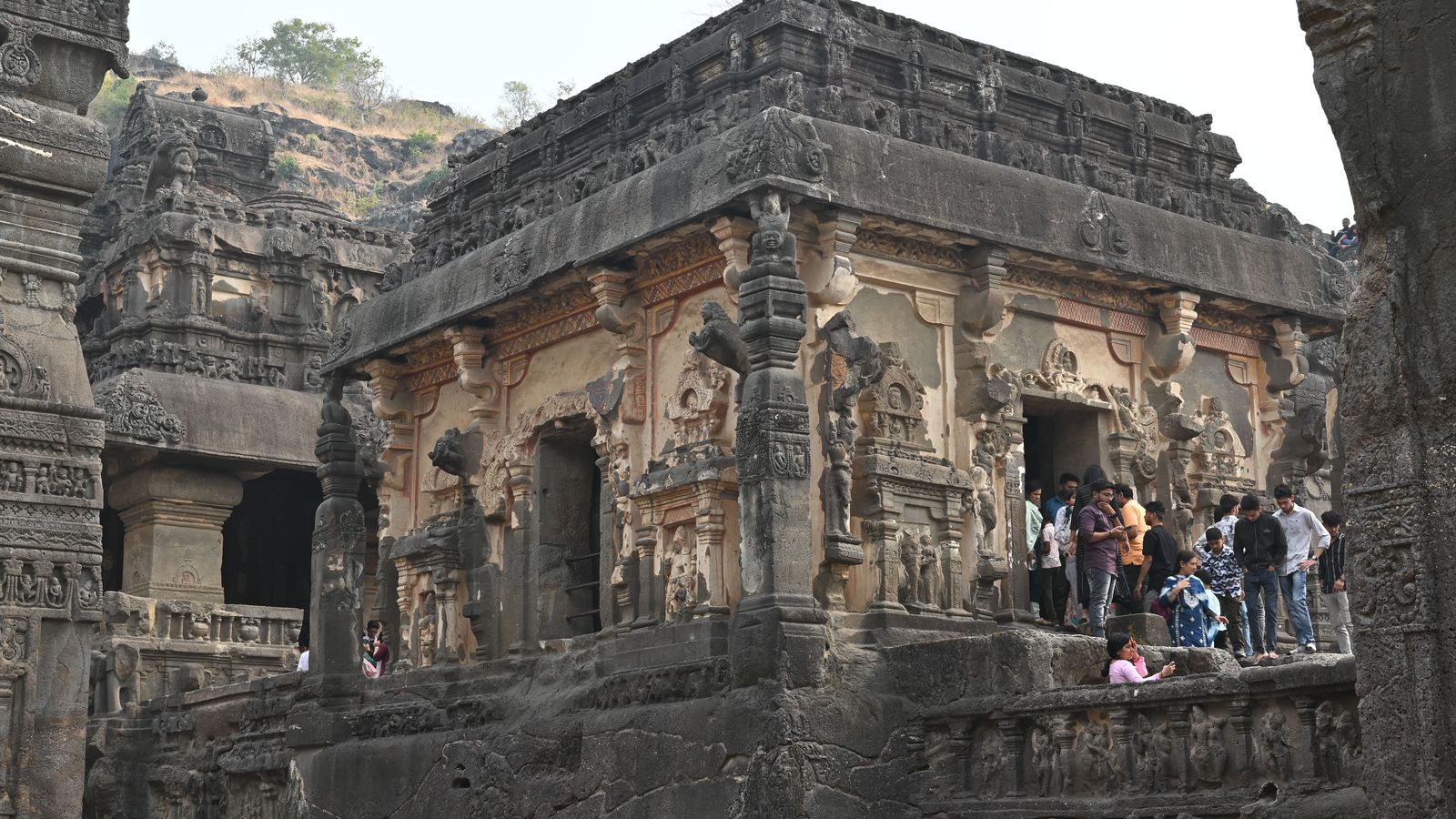
Goa packages are short because Goa is small; the car earns its keep taking you between beaches and inland to the spice farms. Gujarat covers stepwells, sun temples, Somnath and the Gir lions. Maharashtra is either the Mumbai-Lonavala-Pune corridor or the long drive to the Ajanta and Ellora caves.
Choosing how many days
Most circuits come in two or three lengths. The shortest version covers the headline sights and assumes you are happy with early starts. The longer versions don't just add places; they add slack. An extra night usually means one fewer day spent both driving and sightseeing, which matters more than it sounds. Five hours in a car followed by four hours on foot at a fort is tiring in any season.
As a rule of thumb: first-time visitors with a tight holiday take the short version; families with children, older travellers and photographers take the longer one; anyone who has done the short version once should come back for the long one. Each package page tells you who that length suits and links to its siblings.

Picking the season
India is several climates, and the right month depends entirely on where you are going.
- Plains and Rajasthan: October to March is comfortable. April to June is fiercely hot, and the plains can sit above 40 degrees. December and January bring fog on northern highways in the early mornings.
- Himalayan foothills: March to June and September to November are the main windows. Heavy monsoon rain in July and August causes landslides; snow closes some high roads between December and February.
- Kerala and the south: September to March is the easy window. The southwest monsoon arrives in early June and makes the Western Ghats green and wet.
- Northeast and Sikkim: October to April is best for clear views and dry roads. Kaziranga's core zones close for the monsoon, roughly May to October.
- Goa and the west coast: November to March. Many Goa beach shacks shut between June and September.
Festival weeks fill hotels fast. Diwali (October or November), Holi (March), Durga Puja in the east (September or October) and the North Indian wedding season from November to February all push room rates up and availability down. Book those dates early.
How the car fare is worked out
Every package card shows a "from" price, and every package page has a full fare table for seven car classes. Both come from the same simple formula, the one published on our fares page:
- Take the kilometres the trip actually drives, including airport runs and sightseeing days.
- Compare it with a minimum of 250 km for each calendar day the car is with you. Use whichever is larger.
- Multiply by the per-km rate of the car class: Rs 72 a km for a Dzire-class sedan, Rs 84 for an Ertiga, Rs 114 for an Innova Crysta, Rs 170 for a Fortuner, Rs 330 for a Mercedes E-Class, Rs 160 for a Tempo Traveller and Rs 200 for a Force Urbania.
On top of that come the chauffeur's night allowance of Rs 3,000 a night, tolls, state entry permits and parking at actual cost, and 5% GST. Nothing is added for "packaging". The rate for a car on a tour is the same rate you would pay for an outstation cab on the same road.
The fare is per car, not per person. Four people in an Innova pay the same as two.
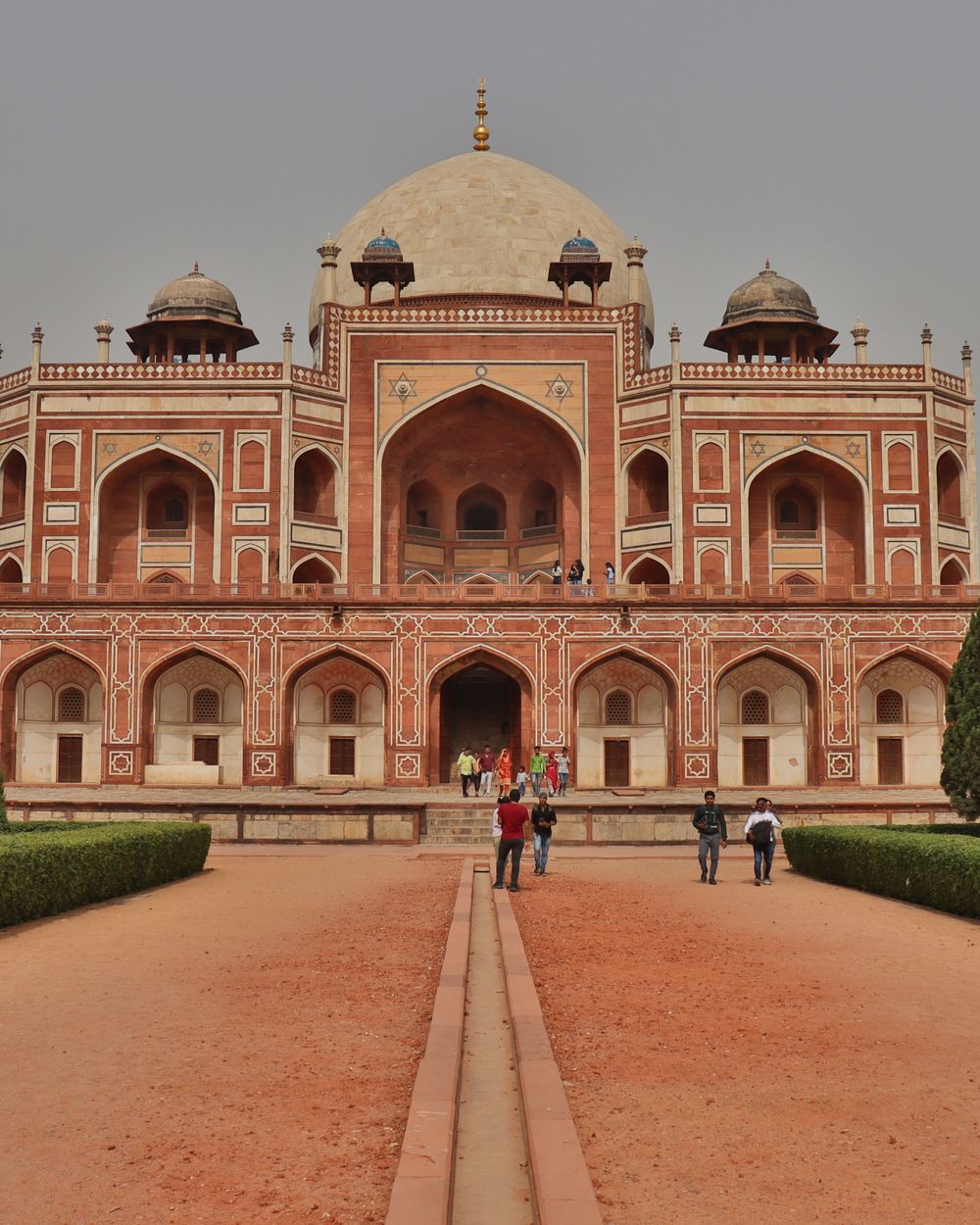
Matching the car to the group
- One or two travellers: a compact sedan is enough for plains circuits. Consider an Ertiga if you are carrying two large suitcases each.
- Three to five: the Innova Crysta is the workhorse of Indian touring: six seats, room for bags, comfortable on long days.
- Hill routes: an Innova or a Fortuner handles ghats and broken patches better than a sedan.
- Families of seven or more, or small groups: a Tempo Traveller or a Force Urbania, which rides better and has more headroom.
- Business travellers and special occasions: a Mercedes E-Class, with a GST invoice for the company.
Every car on our fleet list is within four model years, and the whole range is on the fleet page.
Starting from your own city
The packages above start where the circuit starts: Delhi for the Golden Triangle, Kochi for Kerala, Guwahati for the Northeast. If you live in India and want to drive out from home instead of flying in, look at the origin pages, which group the packages that make sense from each city: tour packages from Delhi, from Mumbai, from Bangalore, from Chennai, from Kolkata and from Jaipur among them. Visitors planning a whole India holiday can start with the India tour packages overview, and NRIs coming home for a family trip will find the NRI car hire page useful. For ideas beyond the fixed circuits, the India tourism portal is a good place to browse, and UNESCO keeps the list of India's World Heritage sites, many of which sit on these routes.
Booking, changing and cancelling
Tier 1 bookings are made on the web booker: choose the package, the car class and the start date, and the fare is fixed before you pay by card or UPI. Tier 2 starts with a message to the travel desk, and you receive a written quote to accept or amend.
Plans change, and the rules are the same for every package. Cancel more than 72 hours before the first pickup and there is no charge. Within 72 hours, 10% of the car fare is retained; within 48 hours, 50%; within 24 hours or a no-show, the full fare. The details are on the cancellation policy page, and answers to common questions sit in the FAQ.











