This 4-day Odisha tour package covers Bhubaneswar, Konark and Puri by private car and chauffeur, starting and ending at Bhubaneswar airport. Driving is short, about 260 km, so the car is billed on the minimum of 250 km a day, or 1,000 km, at the per-km rate of your chosen class. Hotels are quoted separately.
A temple triangle that fits a long weekend
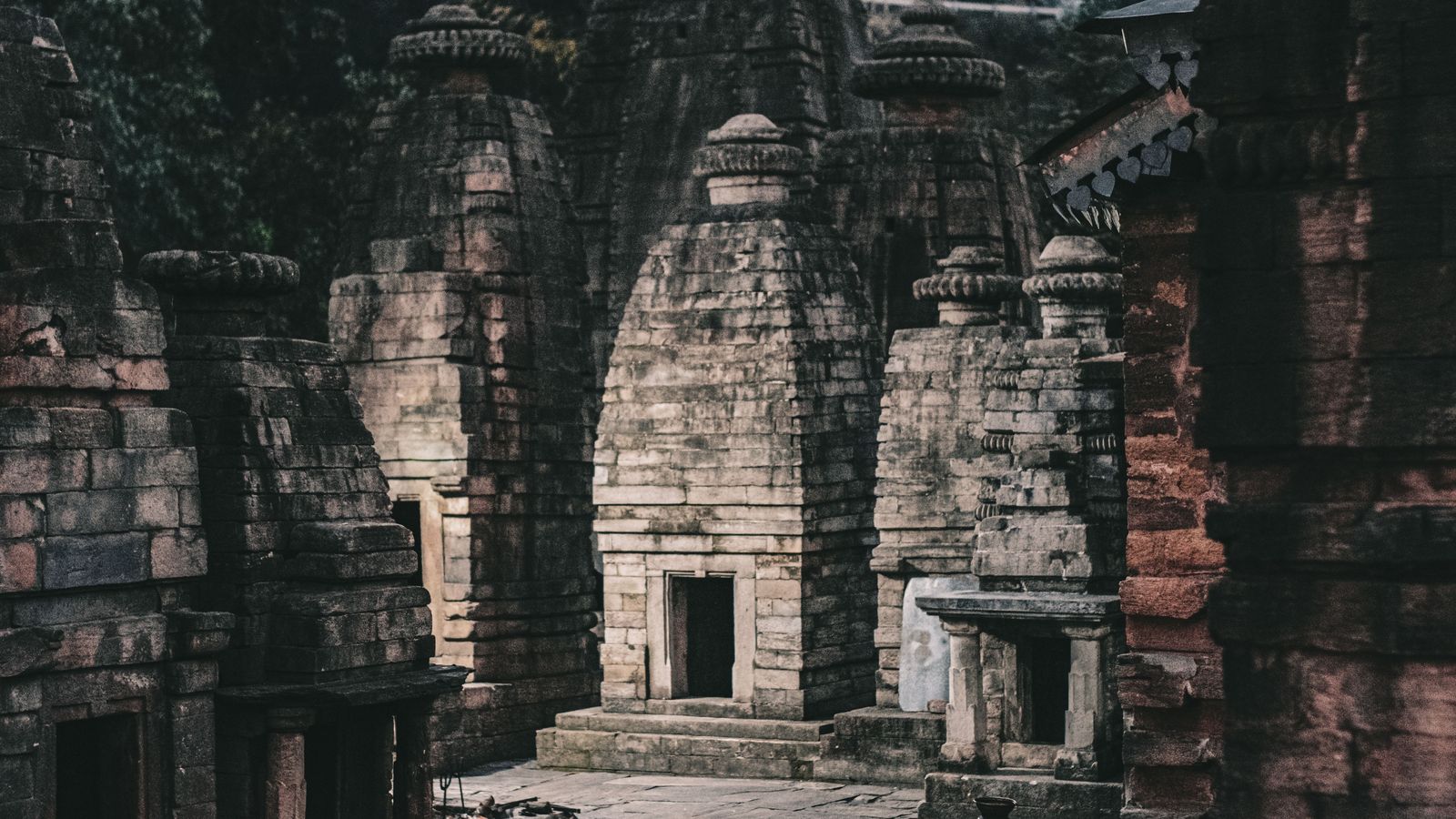
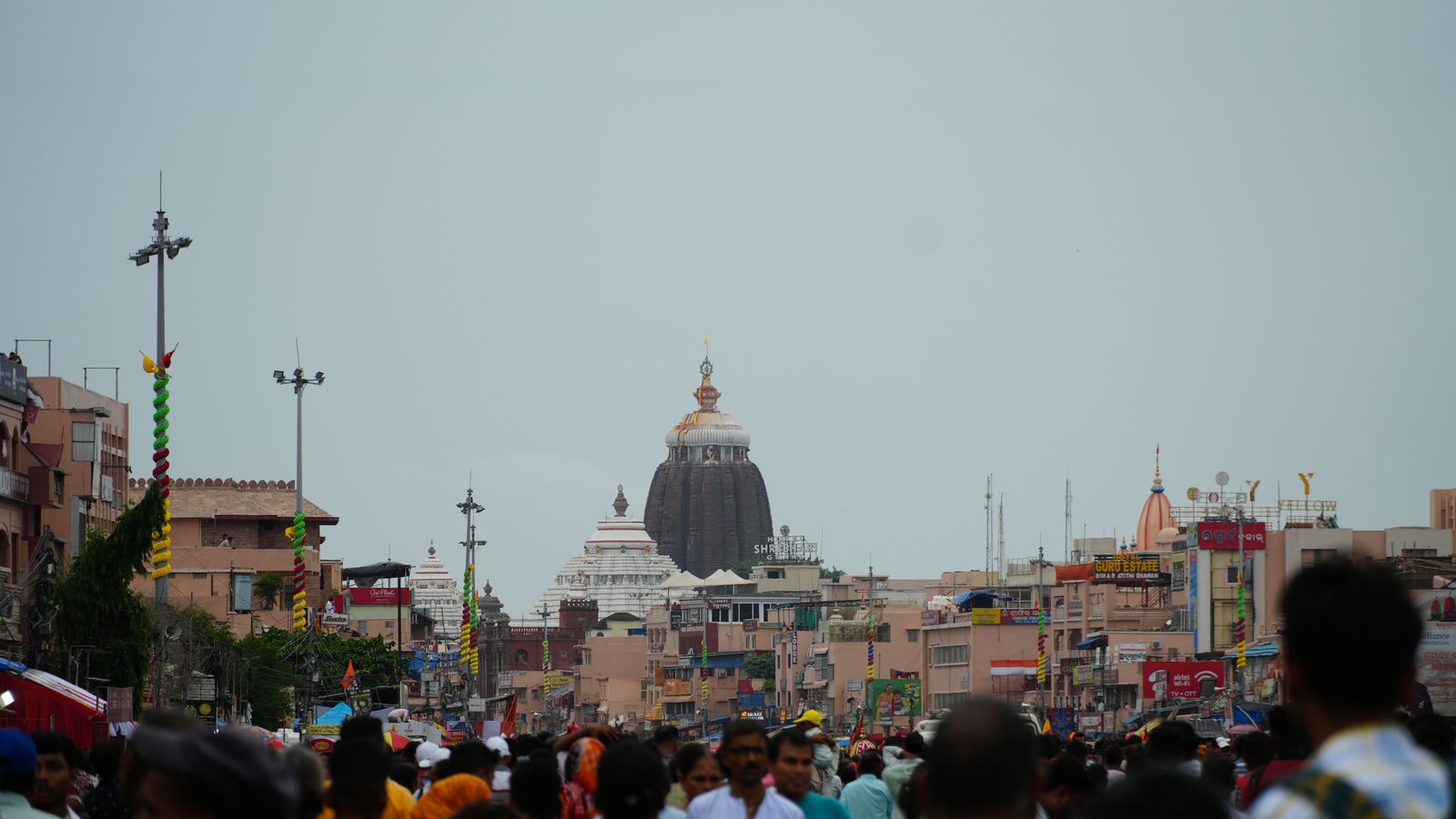
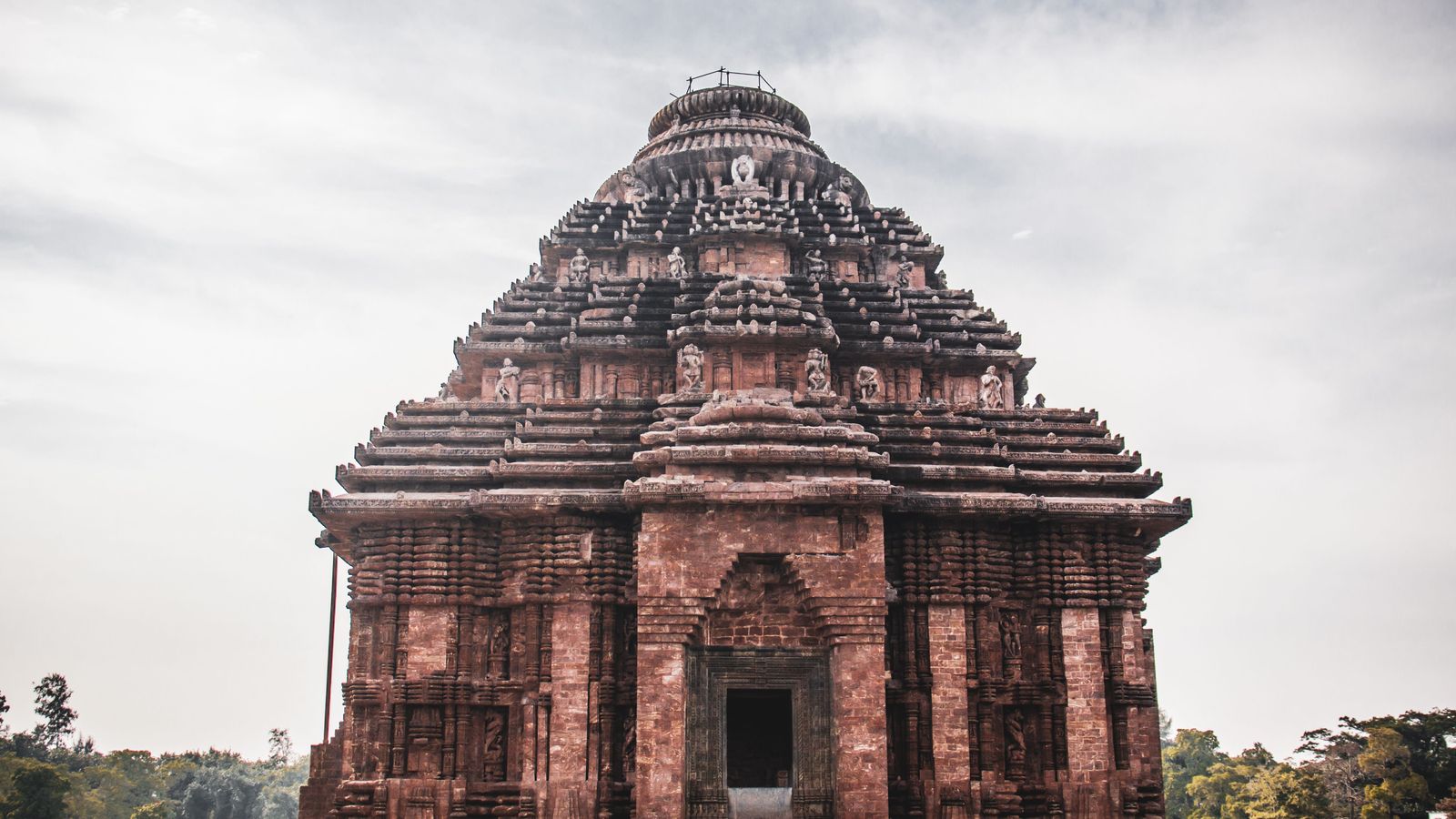
Odisha's three great temple towns sit within an hour or so of each other, which makes this one of the least tiring circuits in India. Bhubaneswar once had hundreds of stone temples around its sacred tank, and dozens still stand. Konark's Sun Temple, a UNESCO-listed 13th-century monument shaped as the chariot of the sun god, is the most famous building in eastern India. Puri, on the Bay of Bengal, is one of the four holiest pilgrimage seats for Hindus and home to the Jagannath temple.
Four days allows an afternoon for the Bhubaneswar temples, a full day through the caves, Dhauli and Konark, a relaxed day in Puri with the craft village of Raghurajpur, and an easy run back. It suits couples, families, pilgrims and anyone on a long weekend from Kolkata, Hyderabad or Delhi. If you have one more day, the 5-day Odisha package adds Chilika lagoon, Asia's largest brackish-water lake, for dolphins and winter birds.
Rules at the great temples
Knowing the entry rules saves disappointment.
- Lingaraj, Bhubaneswar: entry is restricted to Hindus. Visitors of other faiths view the temple from a platform built against the outer wall, which gives a good look at the tower and courtyard. Leather items are not allowed inside.
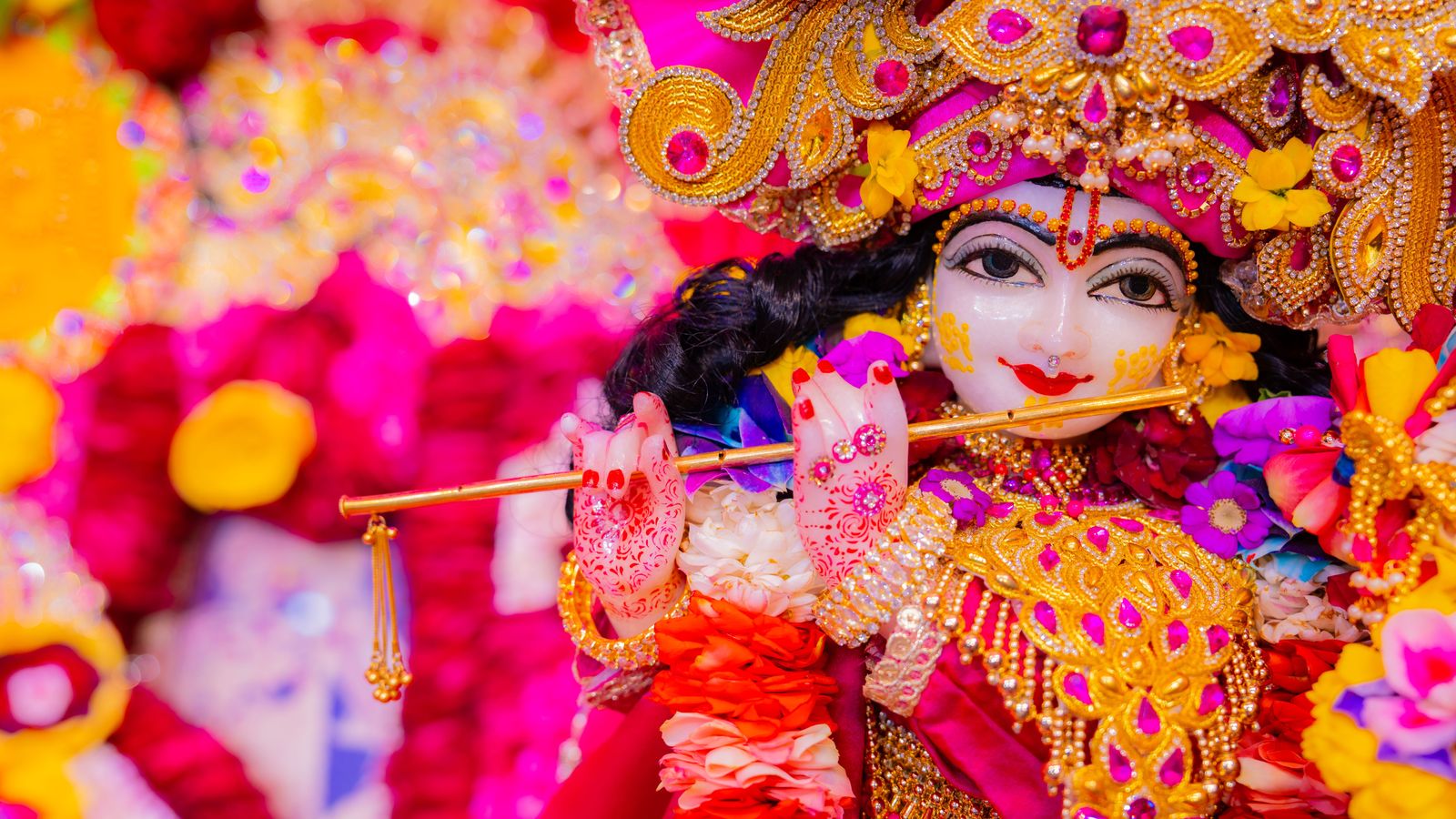
- Jagannath, Puri: the inner temple is also open to Hindus only. Mobile phones, cameras, bags and leather are not permitted; deposit them before entry. Non-Hindu visitors can see the tower, the flag and the Lion Gate from rooftops across the road; see Jagannath Temple, Puri for the history.
- Konark, Mukteshwar, Rajarani, Parasurameswara, Udayagiri and Dhauli: open to all, with entry tickets at the ASI-protected sites.
Dress modestly for all temples: shoulders and knees covered. Expect to remove shoes, and carry socks for hot stone floors in the afternoon.
The roads: short hops and a sea breeze
This is the flattest, easiest driving of any package we run. Bhubaneswar to Konark takes about an hour and a half on a good state road through paddy fields and villages. Konark to Puri follows the Marine Drive, a coastal road of about 35 km through casuarina plantations, with glimpses of the sea and the Chandrabhaga beach. Puri back to Bhubaneswar is about 60 km on the highway, typically an hour and a half, a little more on festival days when pilgrim traffic swells.
Your chauffeur plans the Konark stop for late morning or late afternoon, when the light on the carvings is best and the stone is not yet at its hottest. In Puri, the lanes around the temple and Grand Road are closed to cars at busy times, so you may be dropped at the edge and walk the last few hundred metres. Parking is paid and charged at cost.
Craft villages worth the detour
Raghurajpur, a heritage crafts village about 14 km from Puri, is a single street of painted houses where families produce pattachitra, fine cloth paintings of Jagannath myths, and etchings on palm leaf. You can watch the work and buy direct from the painters. Pipli, on the highway, is known for appliqué: brightly stitched canopies, umbrellas and lanterns that also decorate the chariots of the Rath Yatra. Both stops fit naturally into the plan and cost nothing extra in kilometres.
Getting there, and the pace of the four days
Bhubaneswar's Biju Patnaik airport has direct flights from Delhi, Mumbai, Kolkata, Bengaluru, Hyderabad, Chennai and other cities, and it sits almost inside the city, so day one loses little time to transfers. Rail travellers can start at Bhubaneswar station on the main east coast line, or at Puri, which has its own terminus with trains from Howrah and beyond; the chauffeur meets you on the platform side and the plan is simply rotated.
The pacing is deliberately gentle. Day one is a half day, because most flights land around midday. Day two is the full one, with three stops and about 125 km, but none of the drives is longer than ninety minutes. Day three has no transfer at all, only the short hop to Raghurajpur, which leaves the afternoon free for the beach or a nap in the heat. Day four is timed backwards from your flight. If anyone in the group tires easily, drop the rock caves on day two and add them to the final morning instead; the billable distance does not change.
Where to stay
In Bhubaneswar, hotels along the main commercial roads suit an overnight stay, while those near the old town put you closer to the temples. In Puri, beachfront hotels line the road near Swargadwar and along Chakratirtha Road to the east, which is quieter; most face the sea. Heritage options are limited, but there are well-run resorts on the Puri-Konark road for those who want space and a pool. The travel desk can reserve rooms and bundle them with the car on one written quote.
The plan puts one night in Bhubaneswar and two in Puri, which means you wake up by the sea twice and never check out of a hotel early for a long drive. If you would rather avoid Puri's crowds altogether, it is possible to sleep all three nights in Bhubaneswar and treat Konark and Puri as day trips; the kilometres rise a little but stay within the billed minimum.
When to go, and what fills the hotels
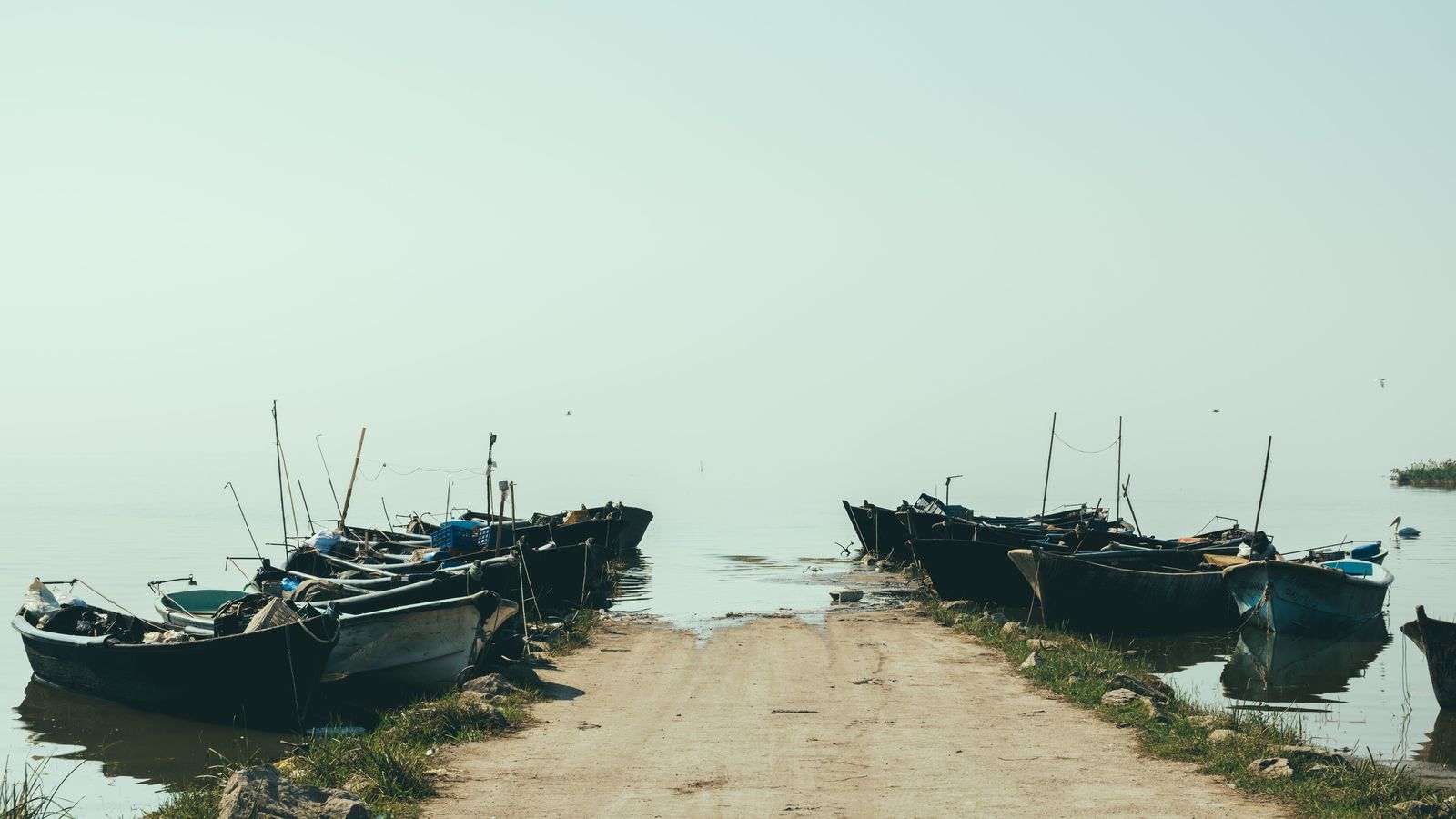
October to March is the comfortable season, with warm days and cool nights. April to June is hot and humid, and July to September brings monsoon rain. The Bay of Bengal also produces cyclones, most often around October-November and April-May; the chauffeur and travel desk follow official warnings and will reschedule if needed.
The busiest event is the Rath Yatra in June or July, when the deities of Puri ride out on huge chariots and hundreds of thousands arrive; rooms sell out months ahead and roads close. The Konark Dance Festival in early December uses the Sun Temple as its backdrop. Durga Puja in October and the winter holidays also raise demand. Odisha Tourism publishes dates for official festivals.
Car size and how the fare works
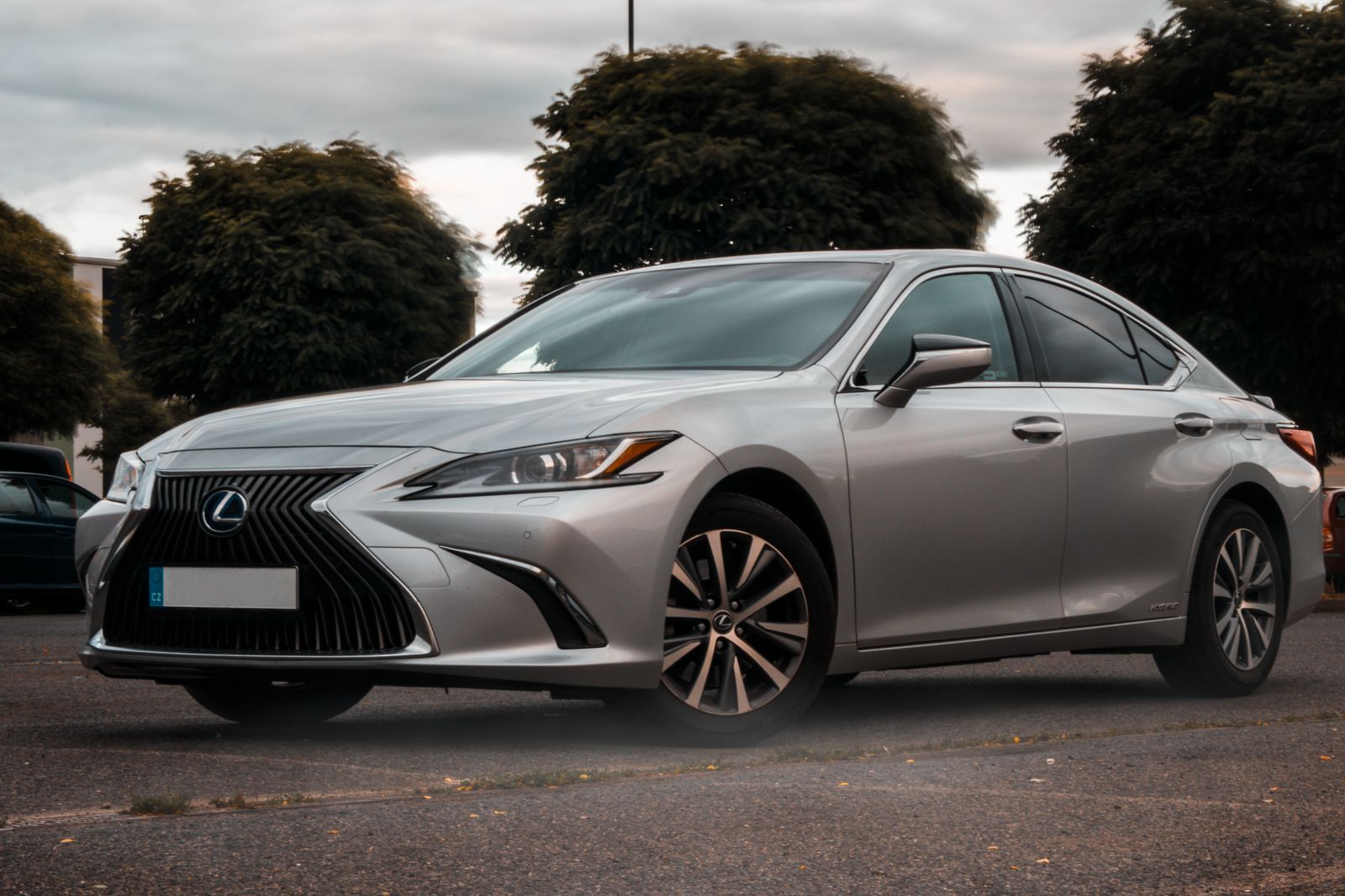
Two people travel comfortably in a sedan at Rs 72/km, or a premium sedan such as a Honda City at Rs 96/km. A family of four to six fits the Innova Crysta at Rs 114/km. Pilgrim groups of up to sixteen can take a Tempo Traveller at Rs 156/km; see pilgrimage taxi for how we handle temple circuits, and the full fleet.
The car table above multiplies the billable kilometres by each class rate. Because four days of this circuit add up to only about 260 km, the minimum of 250 km per day applies, giving 1,000 km. A driver night allowance of Rs 3,000 per night, tolls, parking and ASI entry tickets at actual cost, plus 5% GST, are added. All cars are within four model years.
Booking the car and the extras
Reserve the car on the online booker and pay by card or UPI; a GST invoice follows. The travel desk can add hotels, a temple guide and Raghurajpur workshop visits to an all-inclusive written quote. Cancellation is free up to 72 hours before pickup, then 10% within 72 hours, 50% within 48 hours and 100% within 24 hours or for a no-show; see the cancellation policy. Reading before the trip: Puri by road, Konark by road and Bhubaneswar by road. Starting in Kolkata instead? Browse tour packages from Kolkata.