The Golden Triangle tour package links Delhi, Agra and Jaipur in a loop of about 740 km of intercity road, driven in a private car with one chauffeur throughout. RutzIndia.com runs it in 4, 5 or 6 days. The car fare is billable km times the per-km rate of the class you choose.
The shape of the circuit
Draw it on a map and it is almost an equilateral triangle. Delhi sits at the top. Agra lies about 233 km to the south-east, reached on the Yamuna Expressway, a fenced, six-lane road that makes the run a three-hour affair on a clear morning. From Agra the road heads west for about 240 km, through Bharatpur and Dausa, to Jaipur. The third side, Jaipur back to Delhi, is about 270 km on NH48 through Kotputli and Gurgaon, or partly on the newer Delhi-Mumbai Expressway via Dausa, depending on where you need to be dropped.
Three legs, each between three and five hours. That is why this is the most sensible first road trip in India: nobody spends a whole day in the car, and every overnight town is a destination in its own right. It is also why flying between these cities rarely saves time once you add airport transfers and security.
Most travellers go clockwise, Delhi to Agra to Jaipur and back, because that saves the long Jaipur-Delhi leg for the end when you are heading to the airport anyway. It works perfectly well the other way round, and we reverse it whenever the Taj's Friday closure falls awkwardly.
Four, five or six days: what the extra nights buy
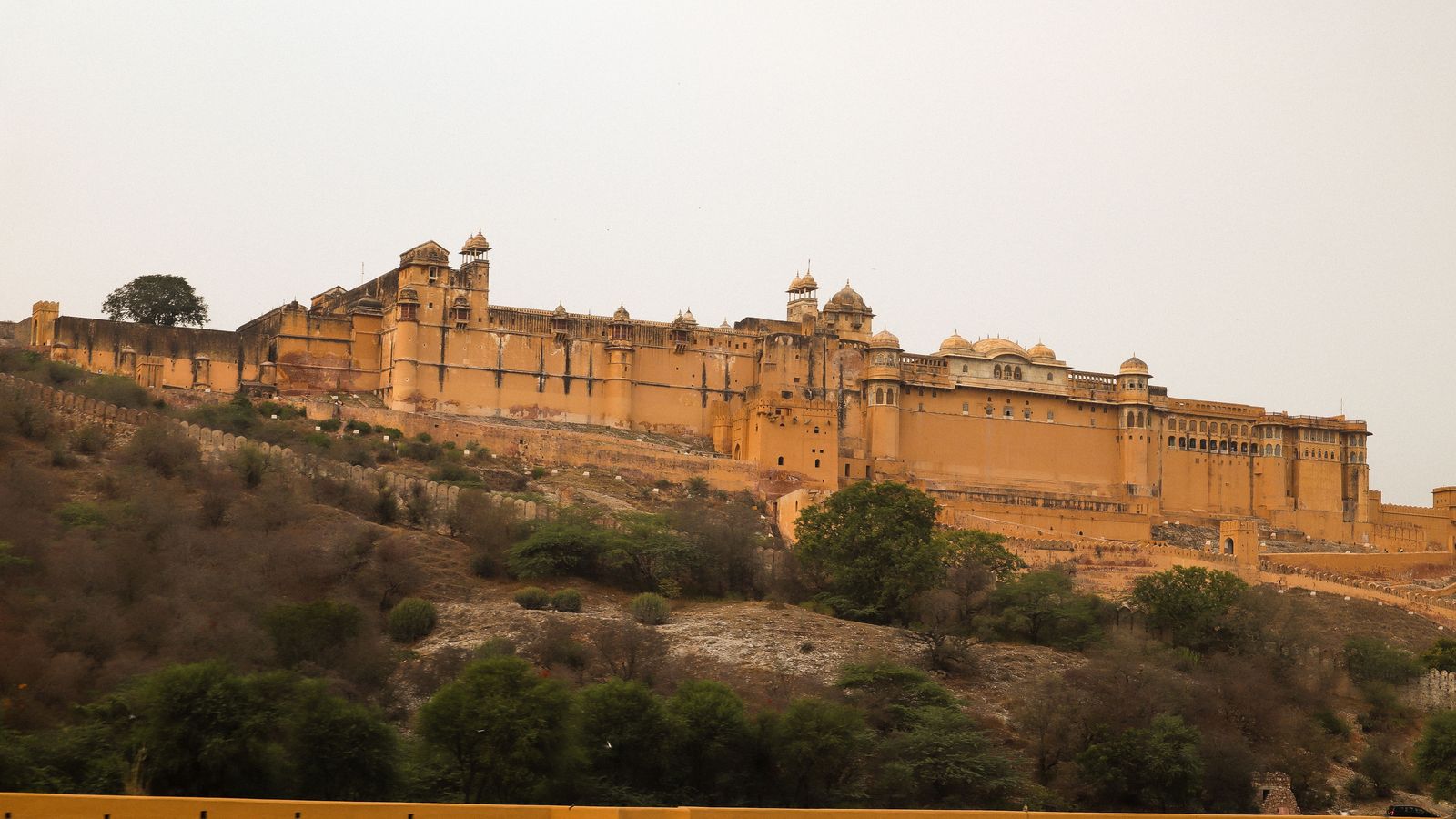
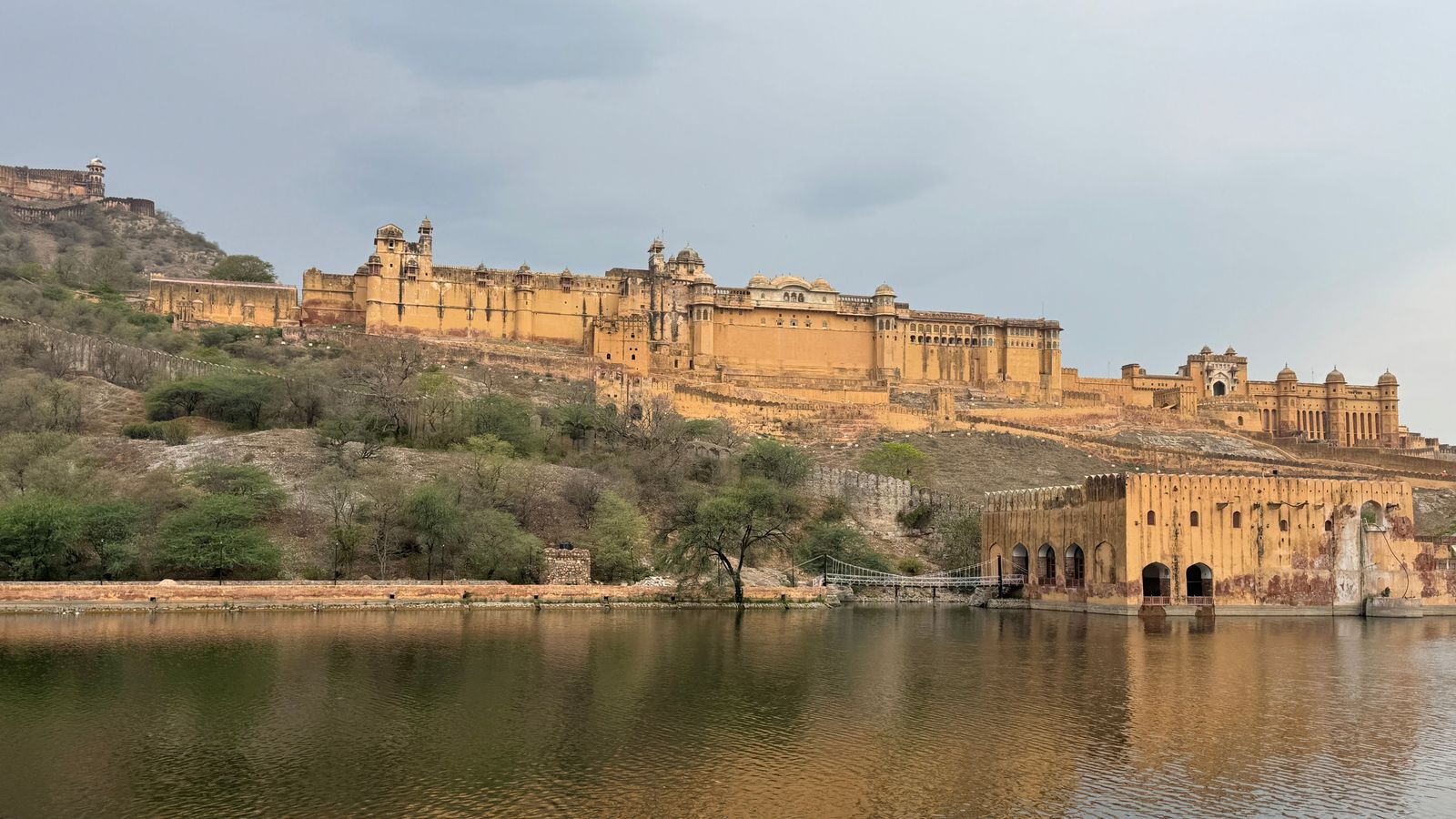
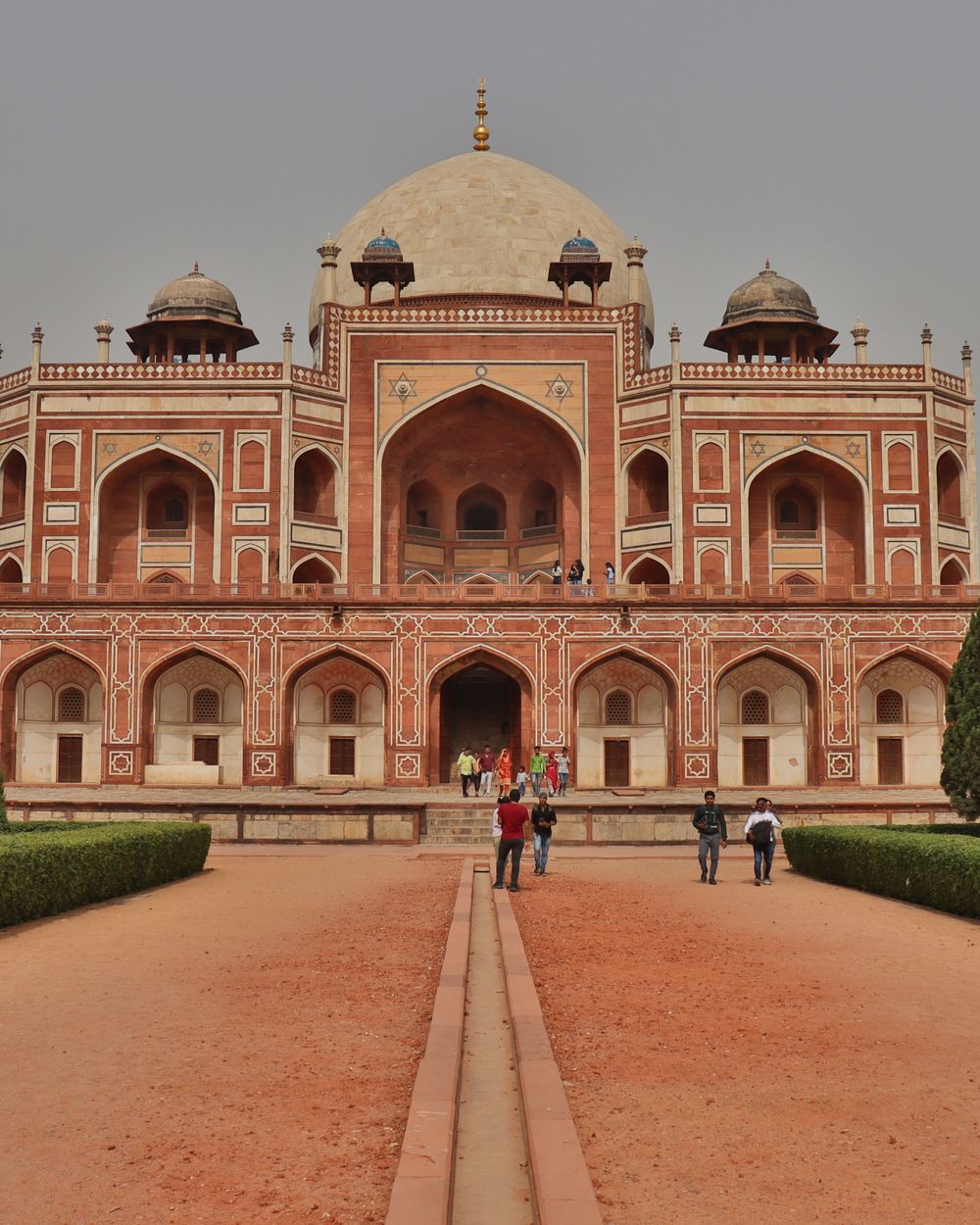
All three versions visit the same three cities and the same core sights: Humayun's Tomb and Old Delhi, the Taj Mahal and Agra Fort, Amber Fort and the City Palace in Jaipur. What changes is pace and what fits in between.
Four days is the tightest sensible version. One night in each city, and a departure from Delhi at six in the morning on day two to reach the Taj ahead of the tour coaches. It suits people who have a week in India and want the Triangle to be only part of it, or business travellers adding a few days to a conference.
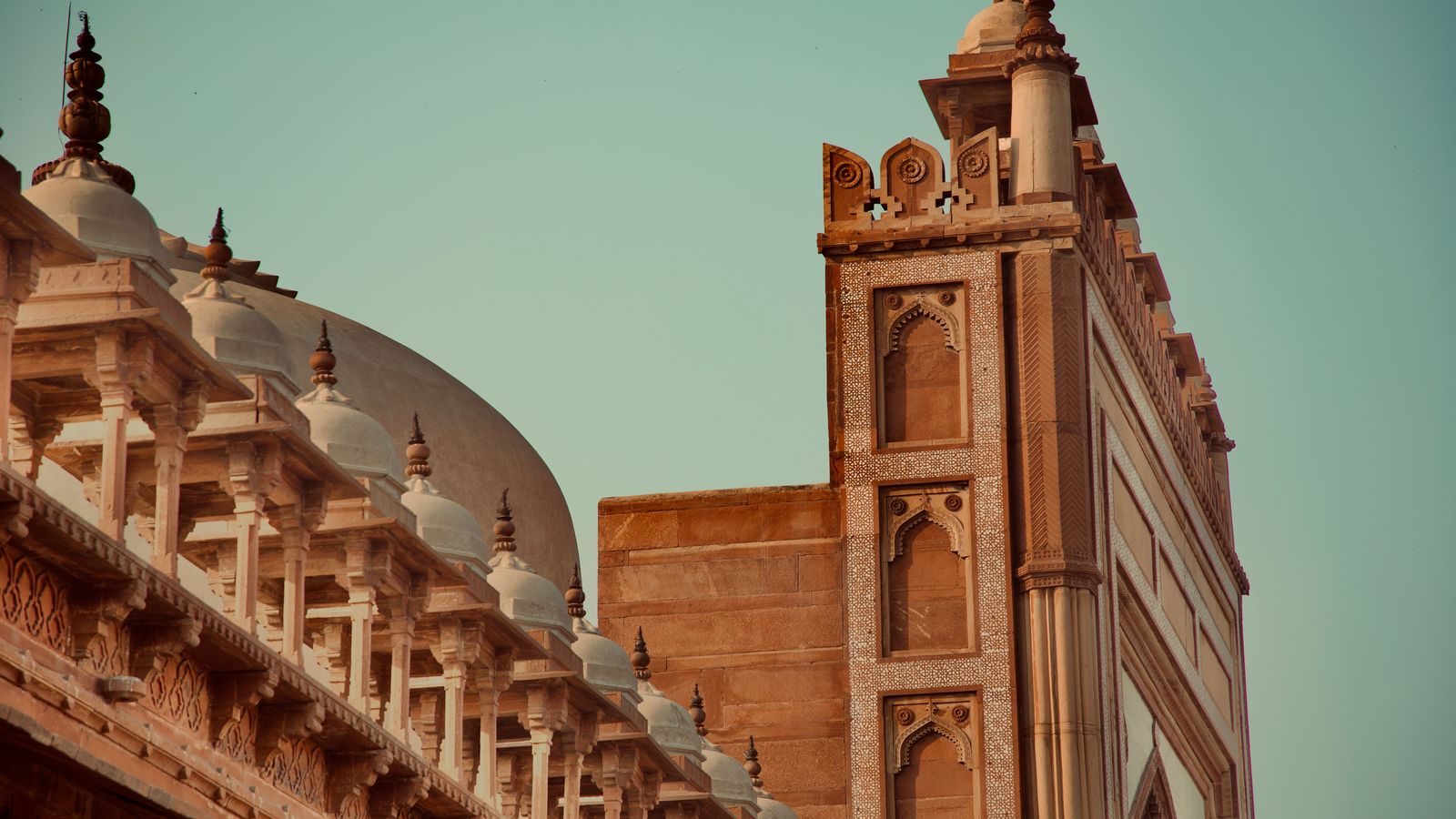
Five days keeps the dawn start optional and adds Fatehpur Sikri, Akbar's abandoned red sandstone capital, on the drive from Agra to Jaipur. It also gives Jaipur two nights, so Amber Fort, the City Palace, Jantar Mantar and the bazaars get a full day instead of an afternoon and a morning. For most first-time visitors this is the length we suggest.
Six days is for people who don't want an alarm clock. Agra gets two nights, so you can see the Taj at opening time without a pre-dawn drive from Delhi. The Agra to Jaipur leg stops at Fatehpur Sikri and at the Chand Baori stepwell in Abhaneri. Jaipur gets two full days. Families with young children, older travellers and anyone with a camera and patience should look here first.
Timing the week
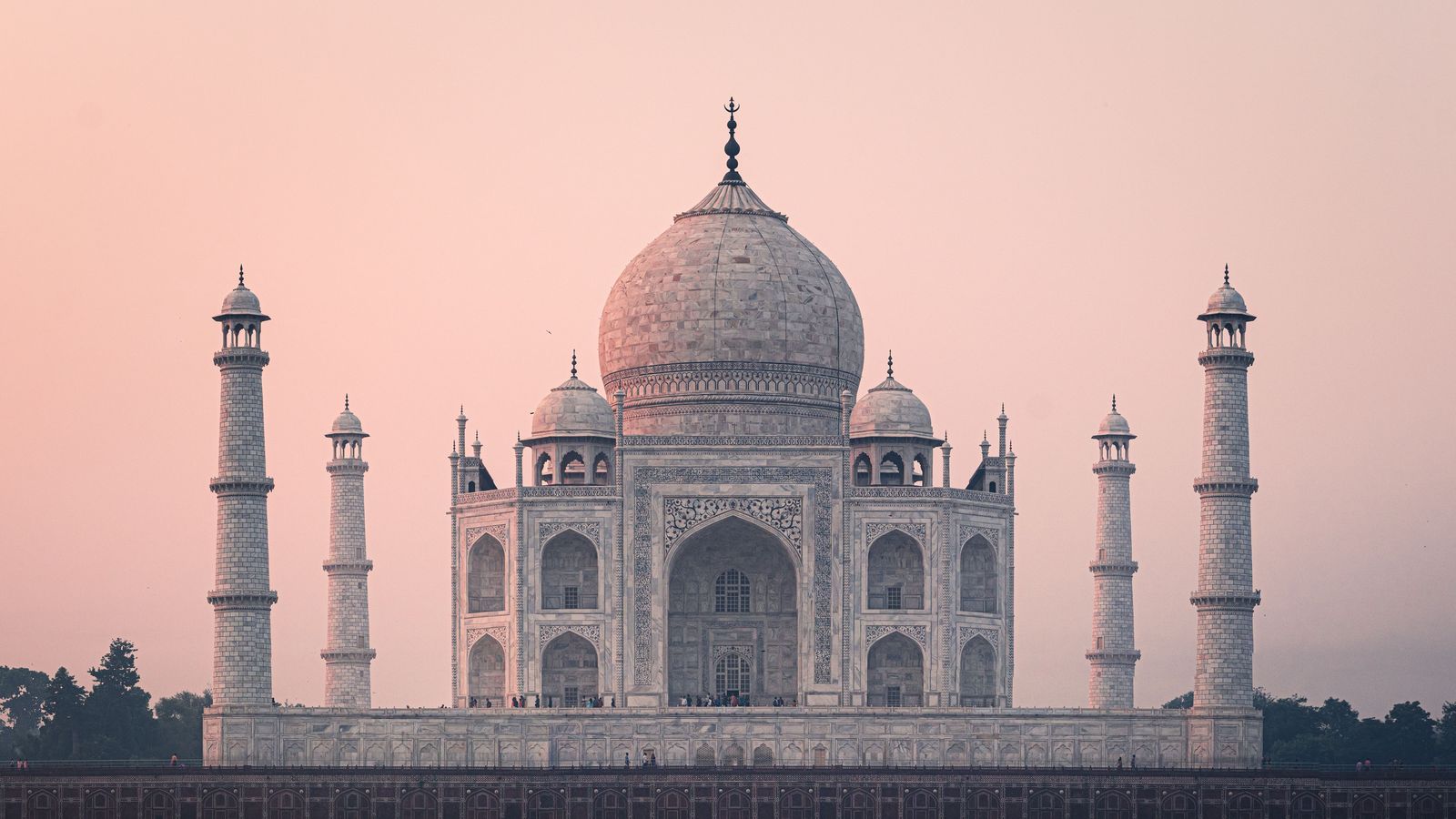
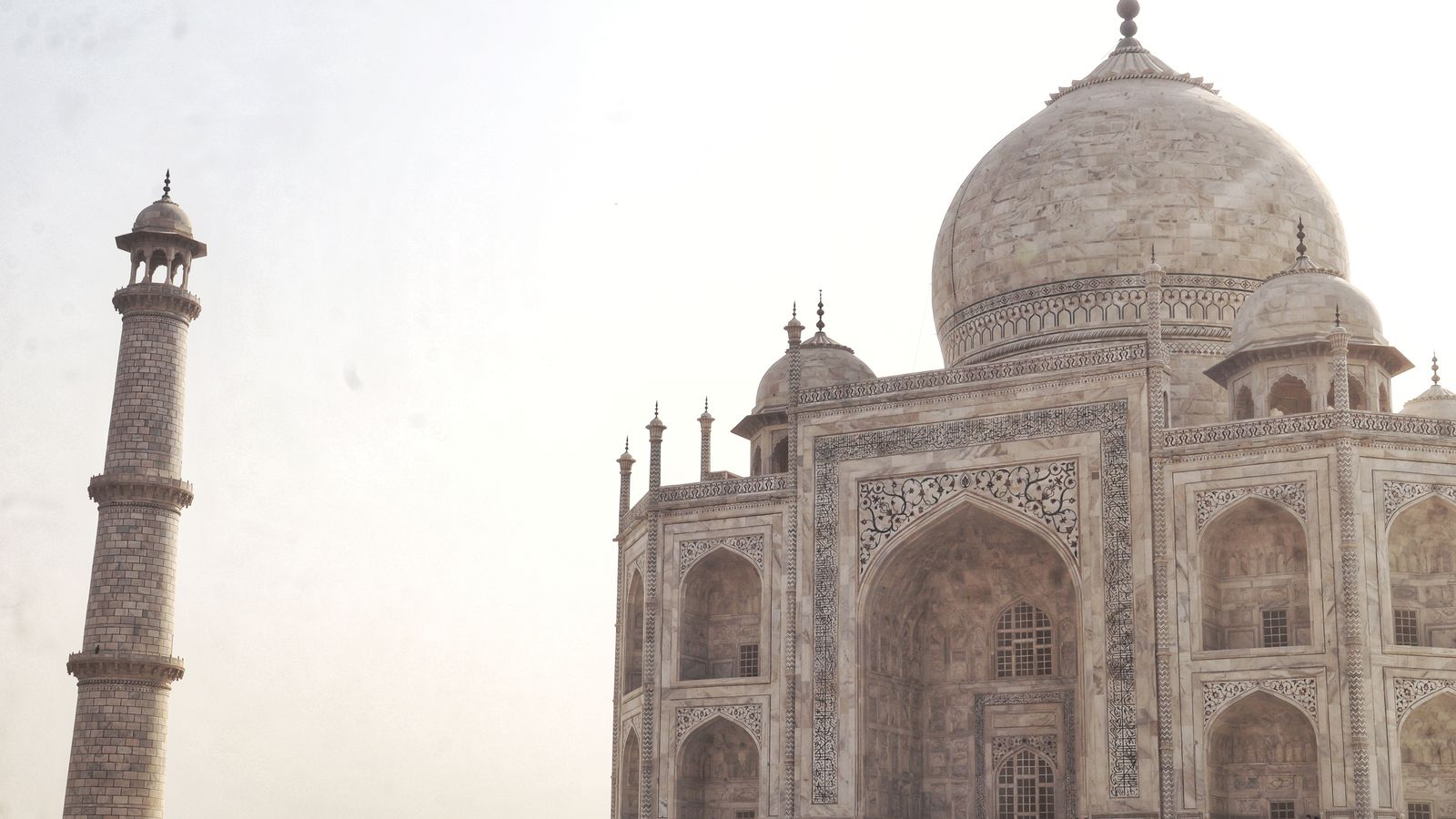
The one fixed rule is that the Taj Mahal closes to visitors every Friday. The chauffeur and the travel desk build every itinerary so that your Agra morning is not a Friday; if your dates force it, we turn the loop round or move a night.
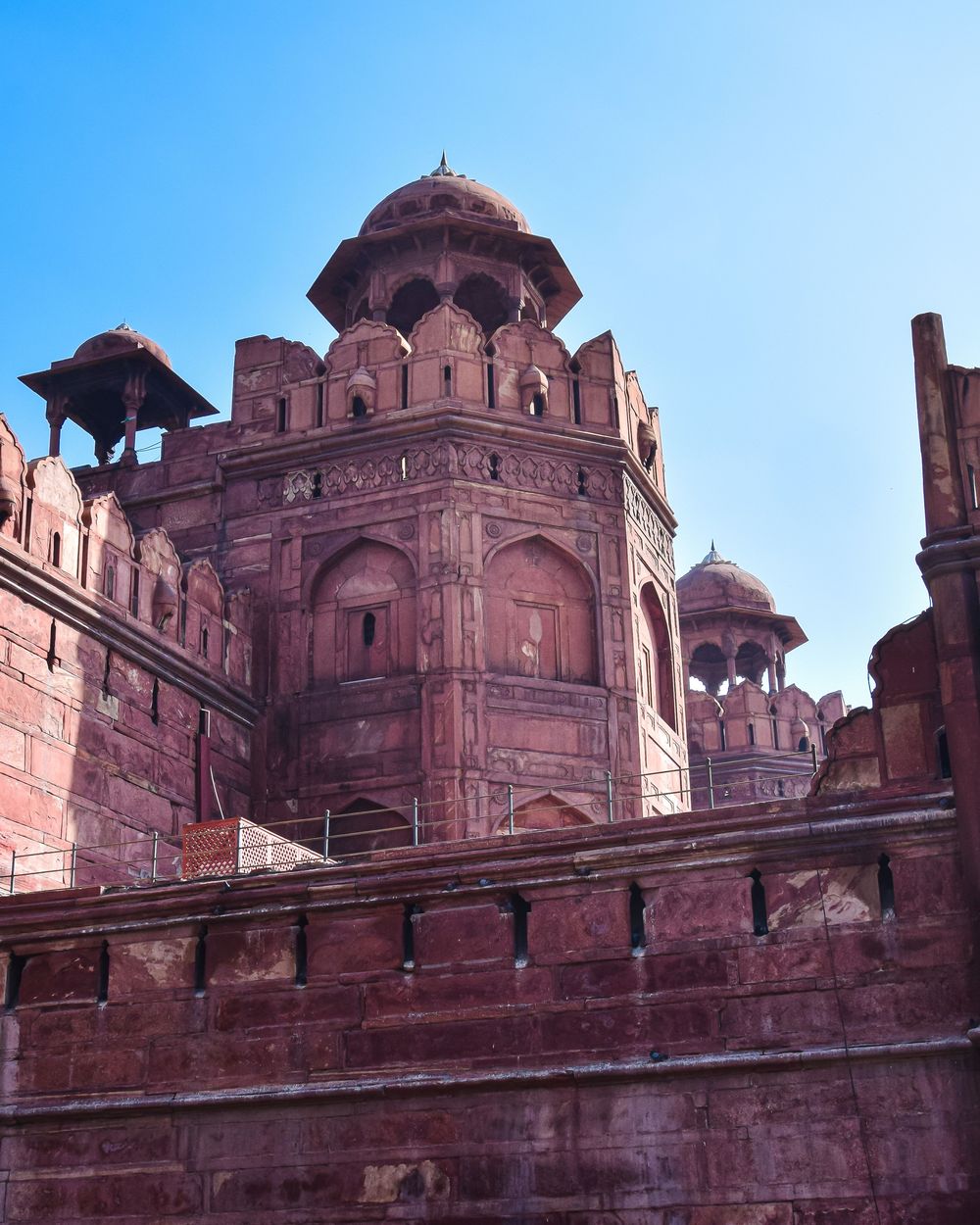
Delhi's Red Fort is shut on Mondays, which matters if it is on your list. Most other Triangle sights, including Agra Fort, Amber Fort, Fatehpur Sikri and the City Palace, open every day.
Season matters more than weekday. October to March is the comfortable window, with mild days and cool evenings. From mid-December to mid-January, dense fog can settle over the plains overnight and slow the first hours of driving; speed limits on the Yamuna Expressway are cut in fog, and a chauffeur may hold back an early departure until visibility improves. April to June is very hot, and sightseeing moves to early mornings and late afternoons. July to September brings monsoon showers but also thinner crowds.
Diwali in October or November, Holi in March and the winter wedding season all put pressure on hotel rooms in Jaipur and Agra. Late January is also busy in Jaipur when the literature festival is on.

The car, and why it sets the price
The car fare works the same way for all three lengths. We take the kilometres you actually drive, including airport transfers and sightseeing inside each city, and compare it with the minimum of 250 km for each day the car is with you. The larger number is multiplied by the class's per-km rate: Rs 72 for a compact sedan, Rs 84 for an Ertiga, Rs 114 for an Innova Crysta, Rs 170 for a Fortuner, Rs 330 for a Mercedes E-Class and Rs 160 for a Tempo Traveller. Chauffeur's night allowance (Rs 3,000 a night), tolls, the Rajasthan state entry charge, parking and 5% GST are added on top.
Because the Triangle drives fewer kilometres than the daily minimum, the minimum usually decides the bill. That is why the six-day version costs more than the four-day one even though it barely drives further: you are paying for the car and chauffeur to be yours for two more days.
For two people a sedan is fine. Three or four with proper luggage should take an Innova Crysta. Groups of eight or more fit a Tempo Traveller, and anyone wanting something more polished for a honeymoon or a client can pick a Mercedes.
Arriving and leaving
Almost every Golden Triangle trip begins at Indira Gandhi International airport in Delhi. The chauffeur tracks your flight, waits at arrivals with a name board and allows 60 minutes of free waiting after an international landing (30 minutes after a domestic one), which covers most immigration and baggage queues. From Terminal 3 to a central Delhi hotel is about 20 km, typically 45 minutes to an hour depending on the time of day. If you land in the small hours, the first day of every package is light enough to start with sleep.
Jaipur International, at Sanganer on the south side of the city, is the other practical gateway. Travellers arriving from the Gulf or from another Indian city sometimes start there, run the loop Jaipur to Agra to Delhi, and fly home from Delhi. Agra's own airport has only a handful of domestic flights, so it rarely suits.
On the last day the chauffeur works backwards from your flight: the airline cut-off, the terminal, the traffic through Gurgaon at that hour. The drop time is agreed the evening before, so nobody is watching the clock on the highway.
What a day with the chauffeur looks like
The chauffeur is your driver, not a guide, but on a trip like this he does more than steer. Each evening he confirms the next morning's departure time with you. He knows which gate of each monument has the shortest walk from the parking, where the clean restrooms are on each highway, and which dhabas are busy enough to be fresh. At the monuments he drops you at the entrance, parks, and waits with your belongings locked in the car; you call or message him when you are ready and he comes to the exit.
Meals are yours to choose. Most travellers eat breakfast at the hotel, lunch on the road or near the day's main sight, and dinner back in town. If you want a particular restaurant, the chauffeur will take you; if you have no plan, ask him where the drivers themselves eat, which is often the best food of the trip.
A working day for the car is flexible within reason. Late dinners and early starts are both fine; the chauffeur simply needs a proper night's rest before a long highway leg, which is one reason the drive days start after breakfast in the longer versions.
Where people usually stay
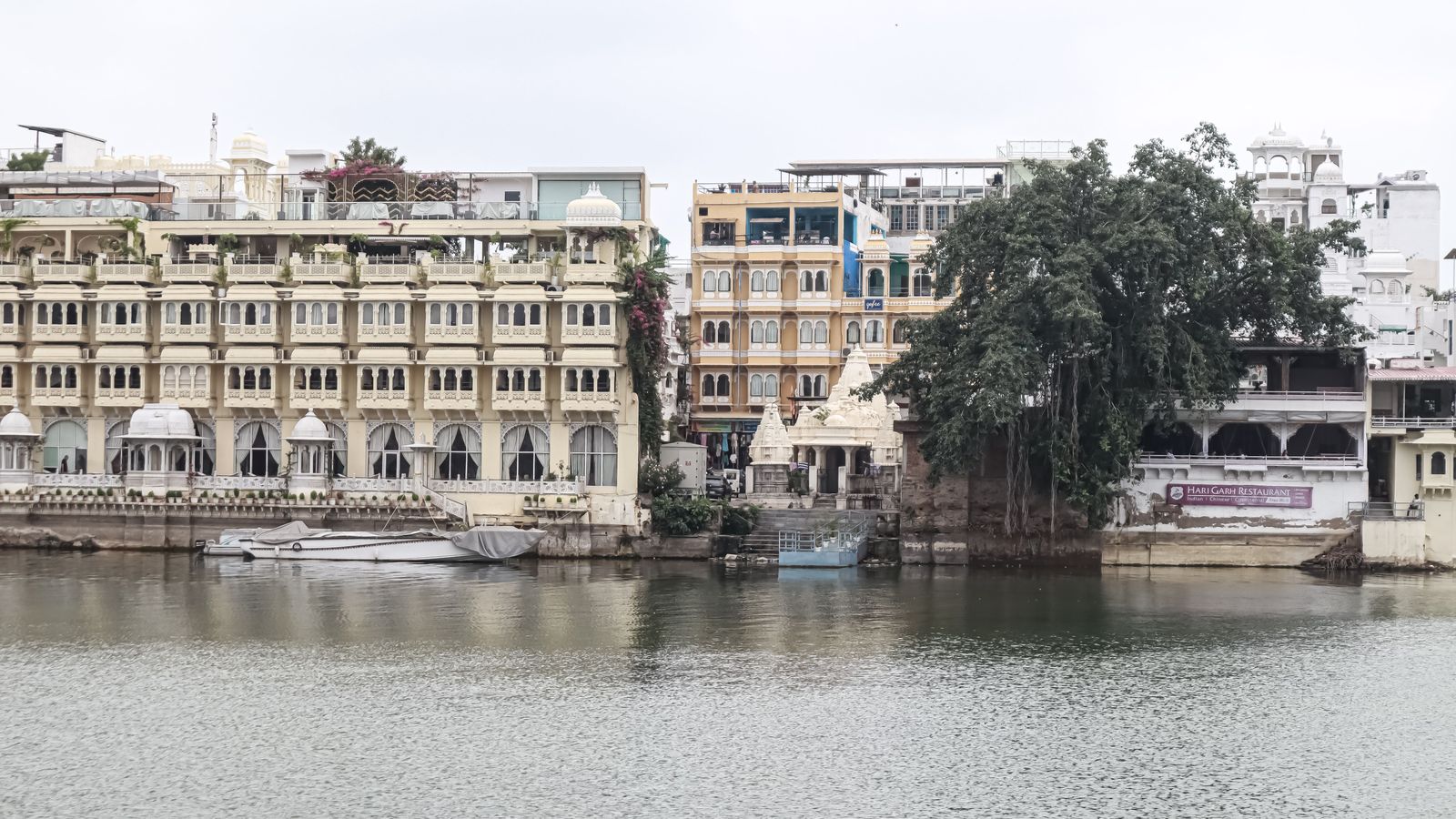
Delhi hotels split roughly three ways: Aerocity by the airport for short stays and late flights, central Delhi around Connaught Place and Janpath for walking access, and South Delhi for quieter streets. Agra's hotels cluster along Fatehabad Road and near the Taj's eastern gate, which keeps the dawn visit short. Jaipur offers the widest choice, from converted havelis inside the walled city and heritage palaces on the Amer road to modern business hotels in C-Scheme and Civil Lines.
The travel desk can book rooms in any of these areas as part of an all-inclusive quote, or you can book your own and just take the car.
Extending the Triangle
The Triangle joins neatly onto other trips. From Agra, Mathura and Vrindavan are less than an hour up the expressway; our guides to Mathura by road and Vrindavan by road cover the temples. Between Agra and Jaipur, Bharatpur and its Keoladeo bird sanctuary are right on the road, and Ranthambore is a detour south from Jaipur for tiger safaris. From Jaipur you can carry on west into a Rajasthan tour package rather than returning to Delhi.
If you want a single day rather than a week, the same-day Agra tour by car runs from Delhi and back. For a custom loop with different nights, the Golden Triangle tour by car page explains the open-ended charter version, and Delhi residents can compare other drives on tour packages from Delhi.
Booking
Pick a length above, then either book the car directly on the web booker or ask the travel desk for an all-inclusive quote. Card and UPI payments are accepted, and companies receive GST invoices. Free cancellation applies until 72 hours before pickup; the full scale is on the cancellation policy page. All packages are listed on the tour packages hub.