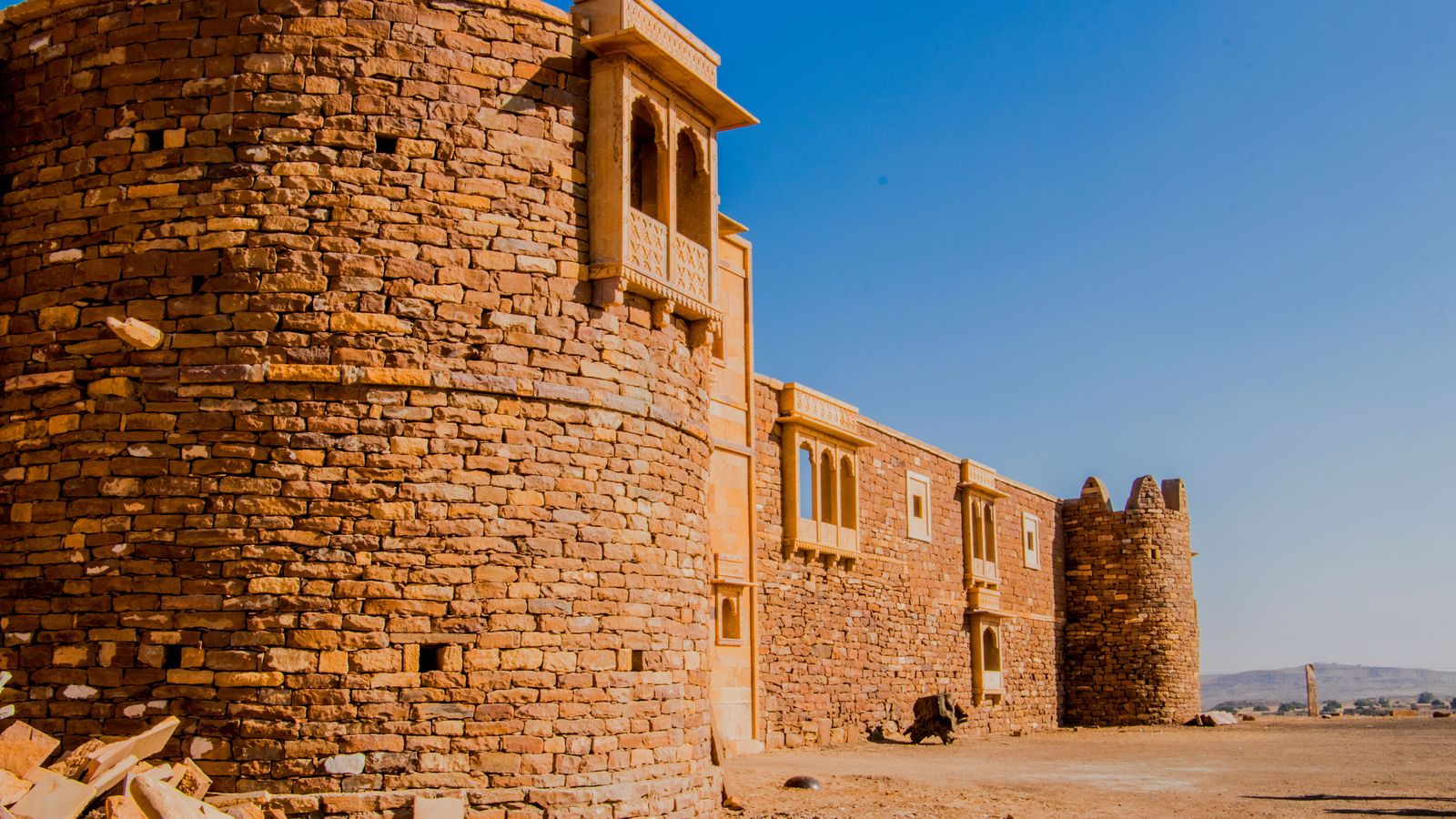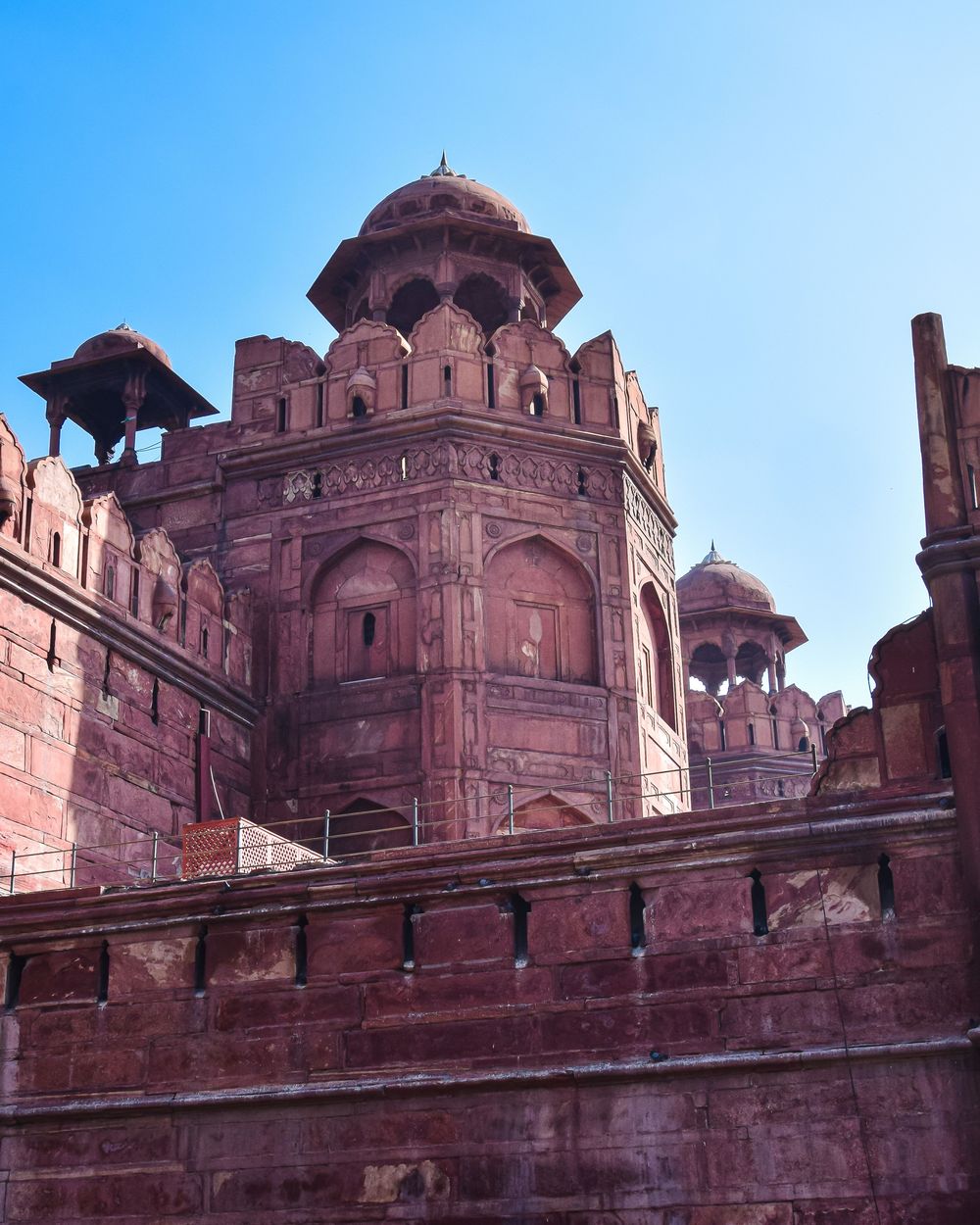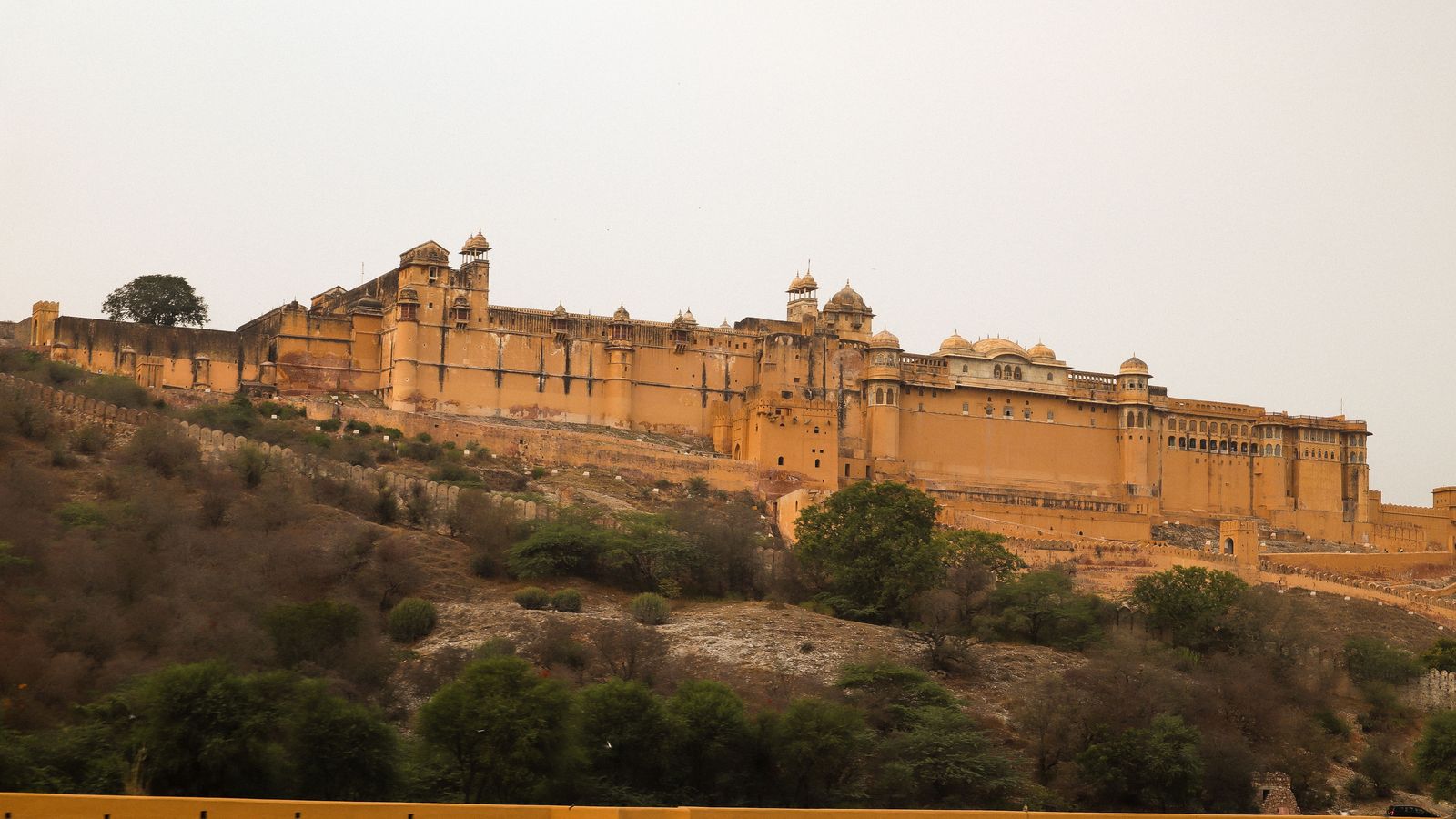
The 6-day Golden Triangle tour package gives five nights to Delhi, Agra and Jaipur, with two nights each in Agra and Jaipur and stops at Fatehpur Sikri and Abhaneri. It drives about 930 km in a private car with one chauffeur. Car fare is 1,500 billable km (six days at 250 km) times your class rate.
A Golden Triangle without the rush
Most Golden Triangle itineraries are built around the drive: leave early, arrive, see, sleep, leave early again. This one is built around how people actually feel after a long flight and a few days of sightseeing. There is no day that combines a pre-dawn departure with a long drive. The only early start is the walk to the Taj from your Agra hotel, and even that is optional.
It suits three kinds of traveller in particular. Families with young children, who need rest in the middle of the day and dislike long car stretches. Older travellers and anyone with limited mobility, who benefit from shorter days on foot. And photographers, who want the Taj at first light, Amber Fort before the crowds and time to wait for a scene rather than grab it.
If you would rather cover the same ground faster, the 5-day package drops the second Agra night and Abhaneri, and the 4-day package is the compact version. All three are compared on the Golden Triangle hub.
The two extra ingredients
A second night in Agra
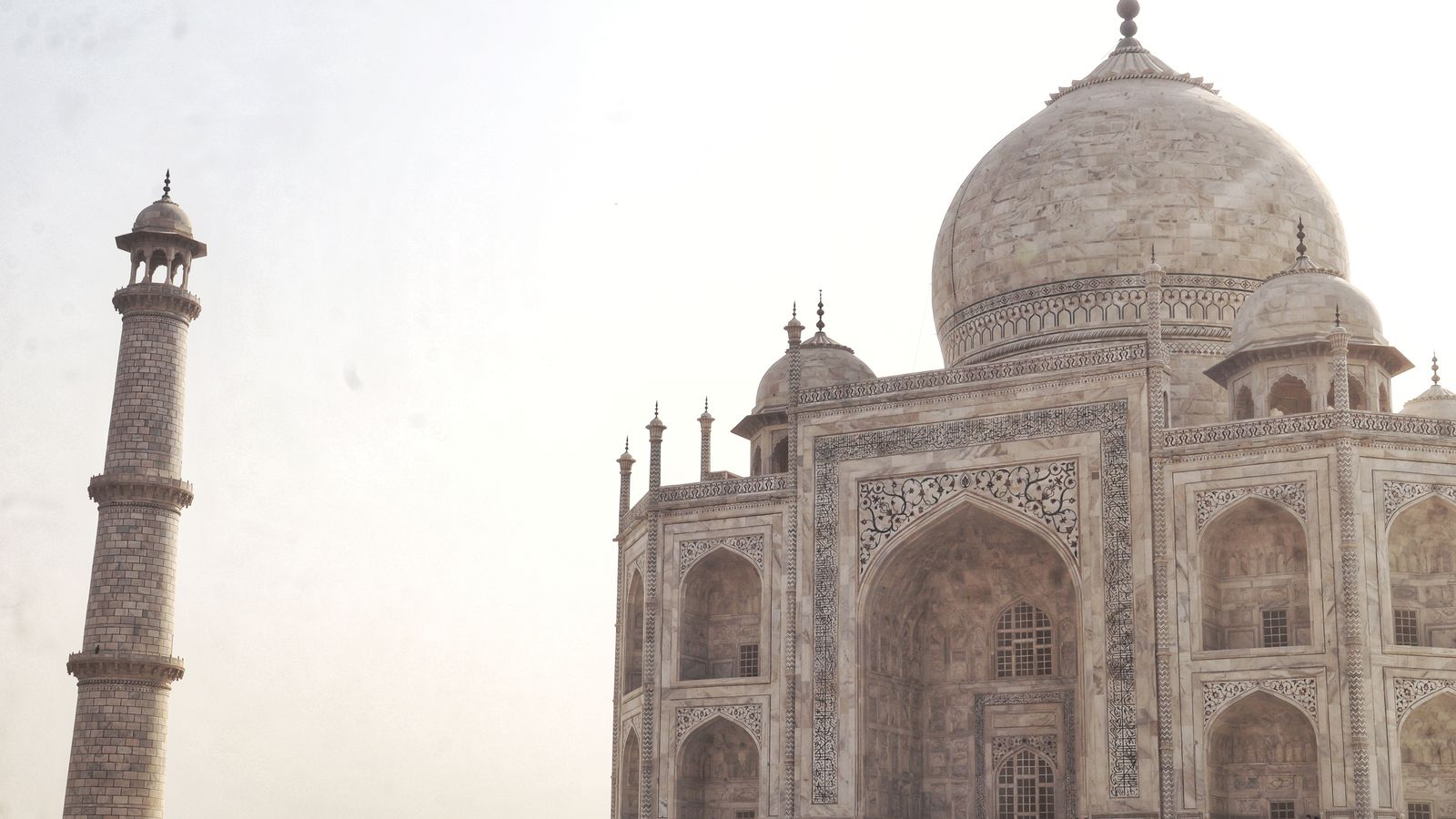
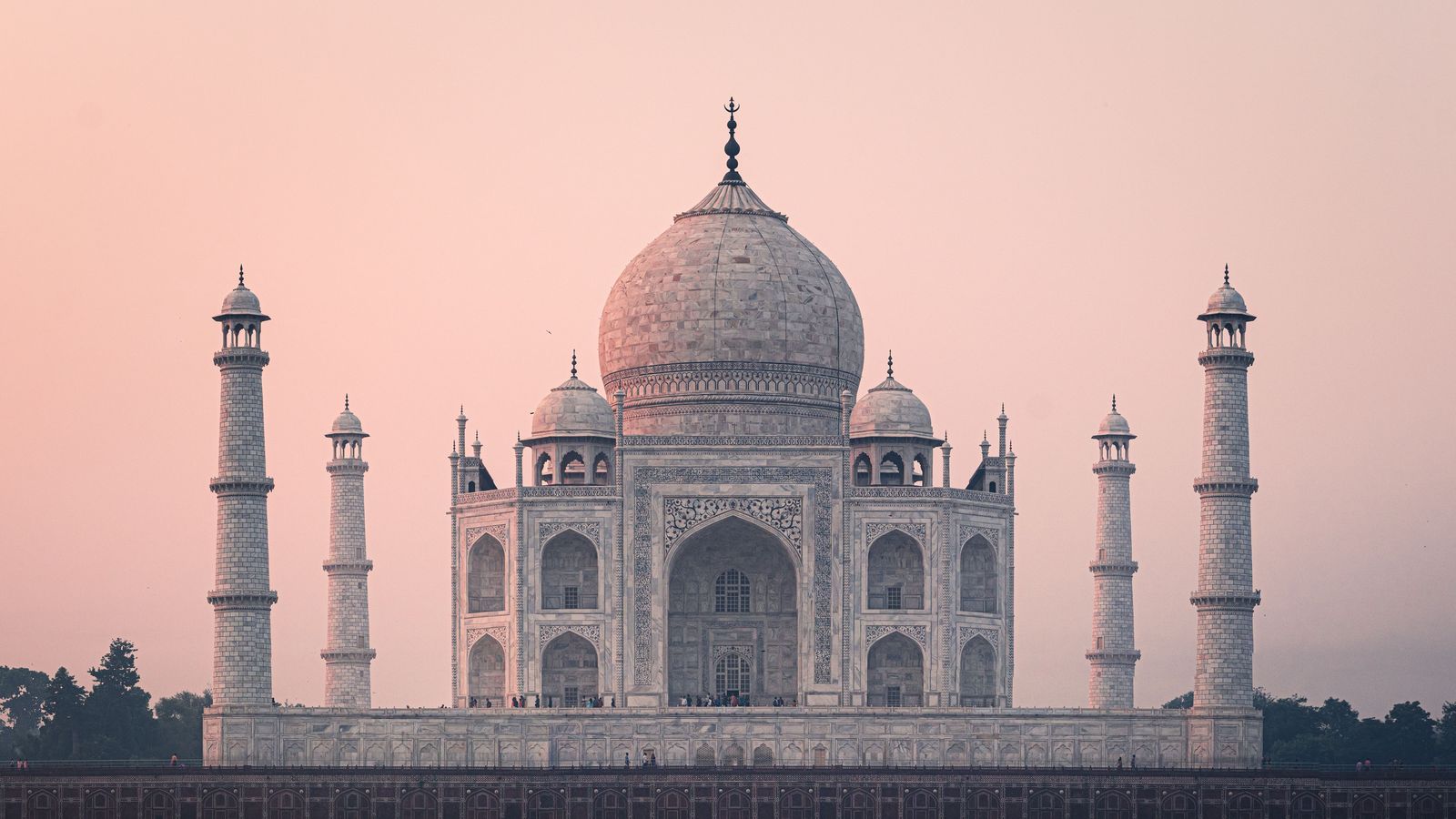
Staying two nights in Agra changes the Taj Mahal from a scheduled stop into an experience. The monument opens about half an hour before sunrise, and from a hotel near the eastern gate you can be in the queue in minutes. The early light on white marble is the reason most photographs of the Taj look the way they do. Afterwards, the rest of the day is gentle: breakfast, a pause, the jewel-box tomb of Itimad-ud-Daulah (often called the Baby Taj) and a visit to a marble inlay workshop. The Friday closure still applies, so the travel desk arranges the dates so that this full Agra day is not a Friday.
Abhaneri and the Chand Baori
On the road from Agra to Jaipur, a short detour leads to the village of Abhaneri and the Chand Baori, one of the deepest and most photographed stepwells in India. Built well over a thousand years ago, it drops in a geometric maze of steps to the water below. The neighbouring Harshat Mata temple, though ruined, has fine carving. It adds about an hour and a half to the day and turns the Agra to Jaipur drive from a transfer into a small adventure.
Pacing, day by day
Day one is deliberately light: two monuments and an early evening. Day two uses the morning for Old Delhi, when the lanes are just waking up, and gets to Agra in time for the fort and a sunset at Mehtab Bagh. Day three is the Taj day, with plenty of rest. Day four is the longest, six to seven hours including stops at Fatehpur Sikri and Abhaneri, but it has no fixed arrival time, so the chauffeur can let you linger. Day five in Jaipur covers Amber and the neighbouring Jaigarh fort in the morning and the old city in the afternoon. Day six starts late and ends in Delhi before the evening rush.
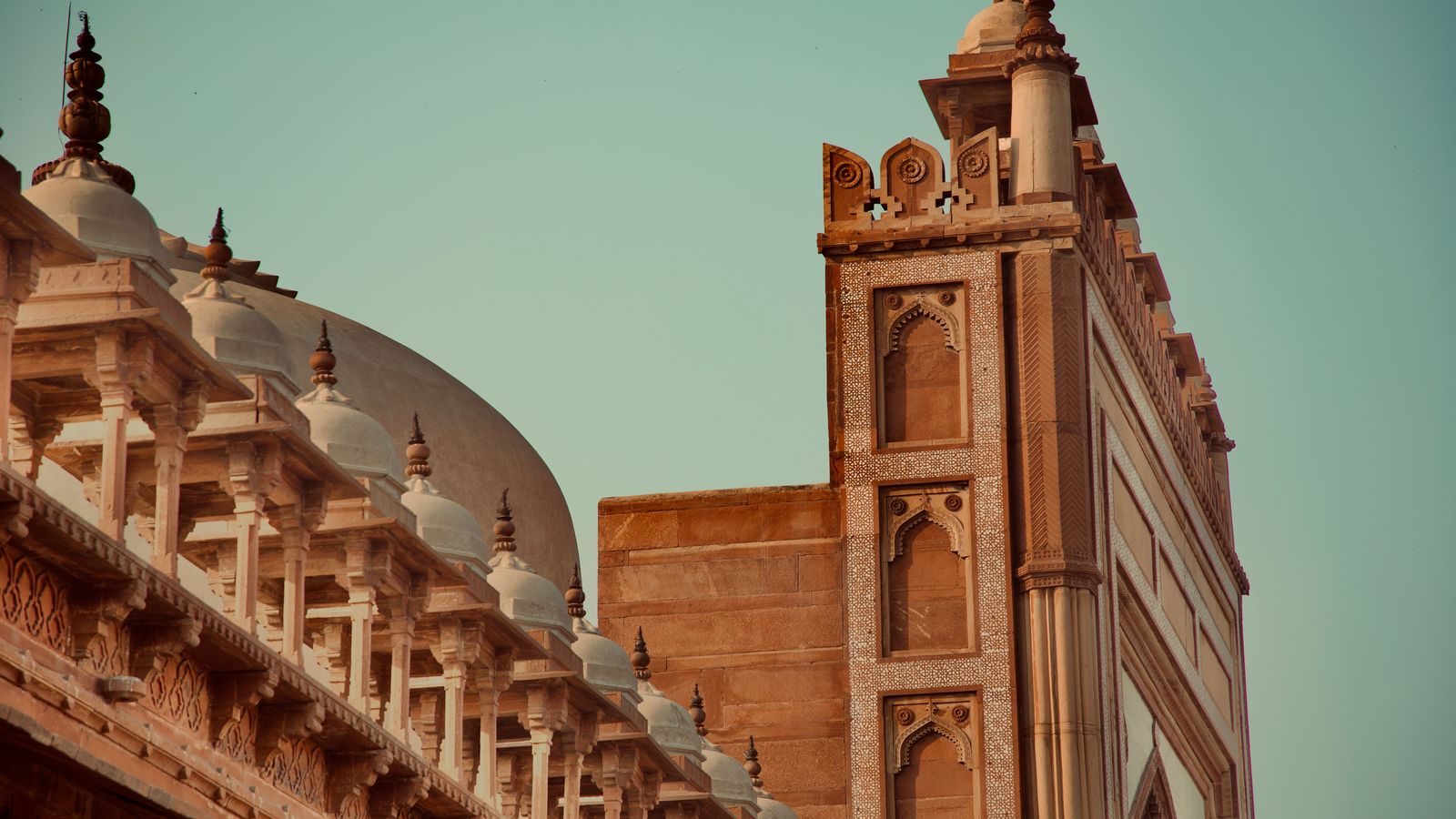
The road through Rajasthan
After Fatehpur Sikri, the chauffeur rejoins the highway at Bharatpur, passes Mahua and turns off at Sikandra for the short run to Abhaneri. Back on the highway, it is roughly 95 km to Jaipur through Dausa. The state entry charge for Rajasthan is paid on the way. The road is four-lane and generally in good shape, but it carries a lot of truck traffic, so a steady, patient driver matters more than a fast one.
The final drive from Jaipur to Delhi is on NH48 via Shahpura, Kotputli and Neemrana, with a lunch stop in a highway restaurant. Where your drop point allows, the chauffeur may use the Delhi-Mumbai Expressway for part of the way.
Weather and the best months
Plan for October to March. The six-day version is also the most forgiving of the three if you have to travel at the edges of the season, in April or September, because the longer stays let you rest through the hottest hours. December and January bring cold mornings and occasional dense fog; carry layers, and expect some mornings to start later than planned. Holi in March is colourful and chaotic in Jaipur and Agra, and Diwali lights up both cities but fills hotels. The Jaipur Literature Festival in late January brings extra visitors to the city.
Which car, and what it costs
For six days the daily minimum (1,500 km) is well above the 930 km or so you drive, so the fare table above uses 1,500 km. Per-km rates are Rs 72 for a Dzire-class sedan, Rs 114 for an Innova Crysta, Rs 170 for a Fortuner, Rs 330 for a Mercedes E-Class, Rs 160 for a Tempo Traveller and Rs 200 for a Force Urbania. The chauffeur's night allowance of Rs 3,000 a night (five nights), tolls, the Rajasthan entry charge, parking and 5% GST are added.
A slower trip is a good reason to choose a more comfortable car. Two travellers who want a quieter ride might choose a Fortuner or a Mercedes rather than a sedan. Families of four to six should take an Innova Crysta. Multi-generation families and groups of friends often book a Force Urbania, which is easier to climb in and out of than a traditional Tempo Traveller. All cars are within four model years, and the full list is on the fleet page.
Where to stay for six days
Two nights in both Agra and Jaipur make the choice of hotel more important. In Agra, stay close to the Taj's eastern entrance, so the early walk is short, or pick a hotel with a Taj view if the budget allows. In Jaipur, two nights are the perfect excuse for a heritage property: a converted haveli in the old city, or one of the palace hotels on the Amer road. In Delhi, a central hotel in the Lodhi or Connaught Place area makes both Humayun's Tomb and Old Delhi easy. The travel desk can hold rooms in all three and send one written quote.
Travelling with children or older relatives
Some practical points we suggest for this length. Carry a small day bag at the Taj, since large bags, food and many electronic items are not allowed inside; the chauffeur keeps everything else in the car. At Amber Fort, the walk up from the road is steep and cobbled, so tell the chauffeur if anyone in the group finds slopes hard and he will suggest the easiest approach. Keep water in the car at all times. Book hotels with lifts and ask for ground-floor rooms if stairs are difficult. Child seats are not standard in Indian cars; mention it when you book, and we will tell you what can be arranged.
Carrying on from Jaipur
Six days in the Triangle leaves many travellers wanting more of Rajasthan. The car can continue west from Jaipur instead of returning: the 8-day Rajasthan package covers Pushkar, Jodhpur, Jaisalmer and Udaipur. Our Jaipur by road guide lists more to see in and around the city, and the Agra taxi service page covers local hires if you want an extra day there.
Booking and cancellation
Book the car and chauffeur on the web booker with a card or UPI, and the fare is fixed before you pay. For an all-inclusive trip, ask the travel desk to quote hotels, entries and guides. Cancellation is free until 72 hours before the first pickup, then 10% within 72 hours, 50% within 48 hours and 100% within 24 hours or on a no-show, as set out in the cancellation policy. Other circuits are on the tour packages page.