RutzIndia.com runs fifteen India tour packages by road, each driven end to end by one private car and one chauffeur. Circuits run 4 to 10 days across the north, south, east and west. The car fare is published per kilometre for every class; hotels, meals and entries are quoted separately by the travel desk.
Every card on this page is a complete circuit: a start city, a day-by-day plan, overnight towns and an honest count of kilometres. Below is a way to choose between them, a note on what our packages are and are not, and a list of the places where we do not sell a package at all.
Choosing a circuit by the month you travel
India's weather decides more trips than budgets do. A rough guide, month by month:
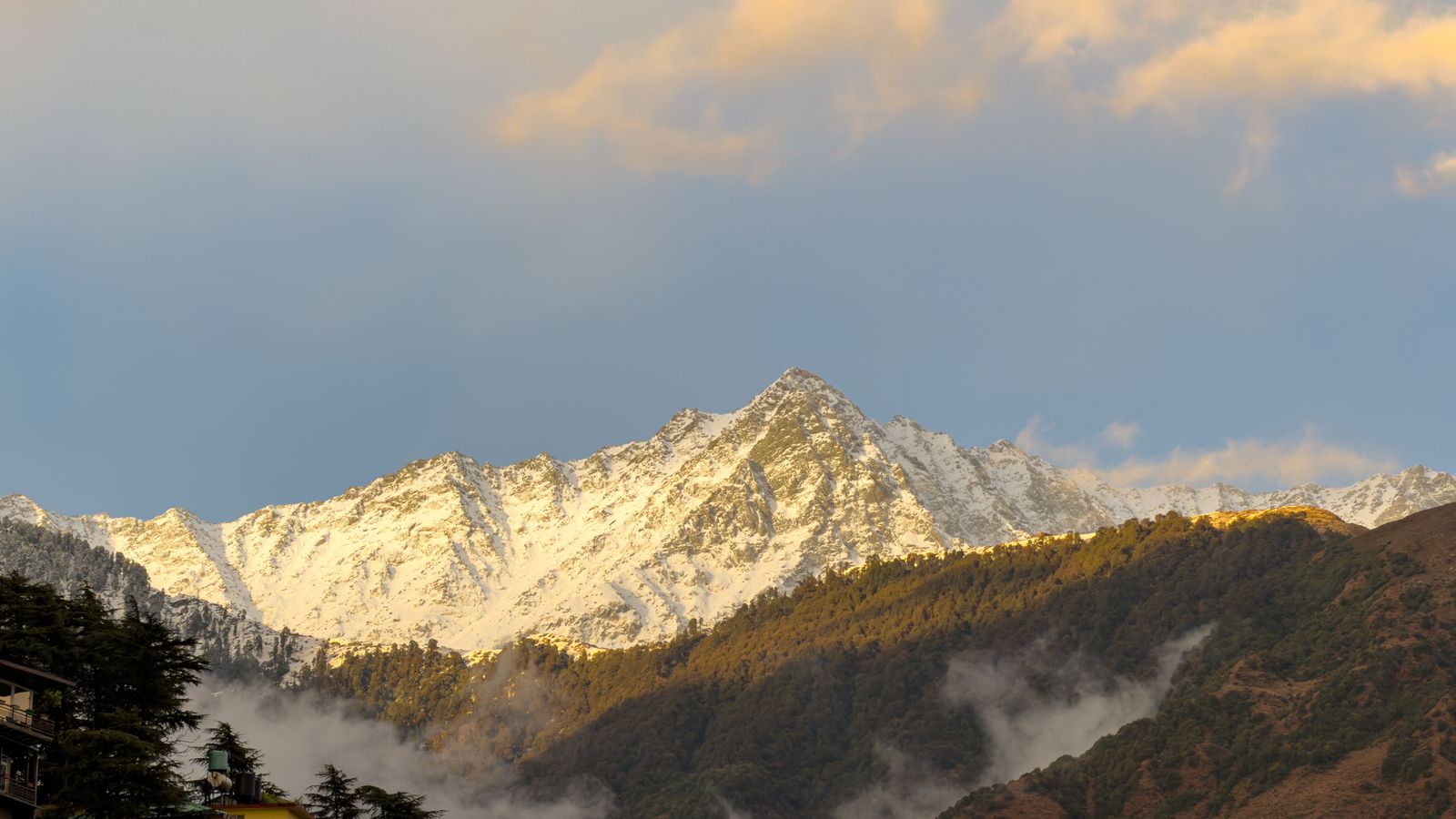
- October and November: almost everything is open and pleasant. The Himalayan views from Darjeeling are at their clearest, Rajasthan and the Golden Triangle are warm by day, and the Punjab plains are comfortable. Diwali falls in this window most years and fills hotels.
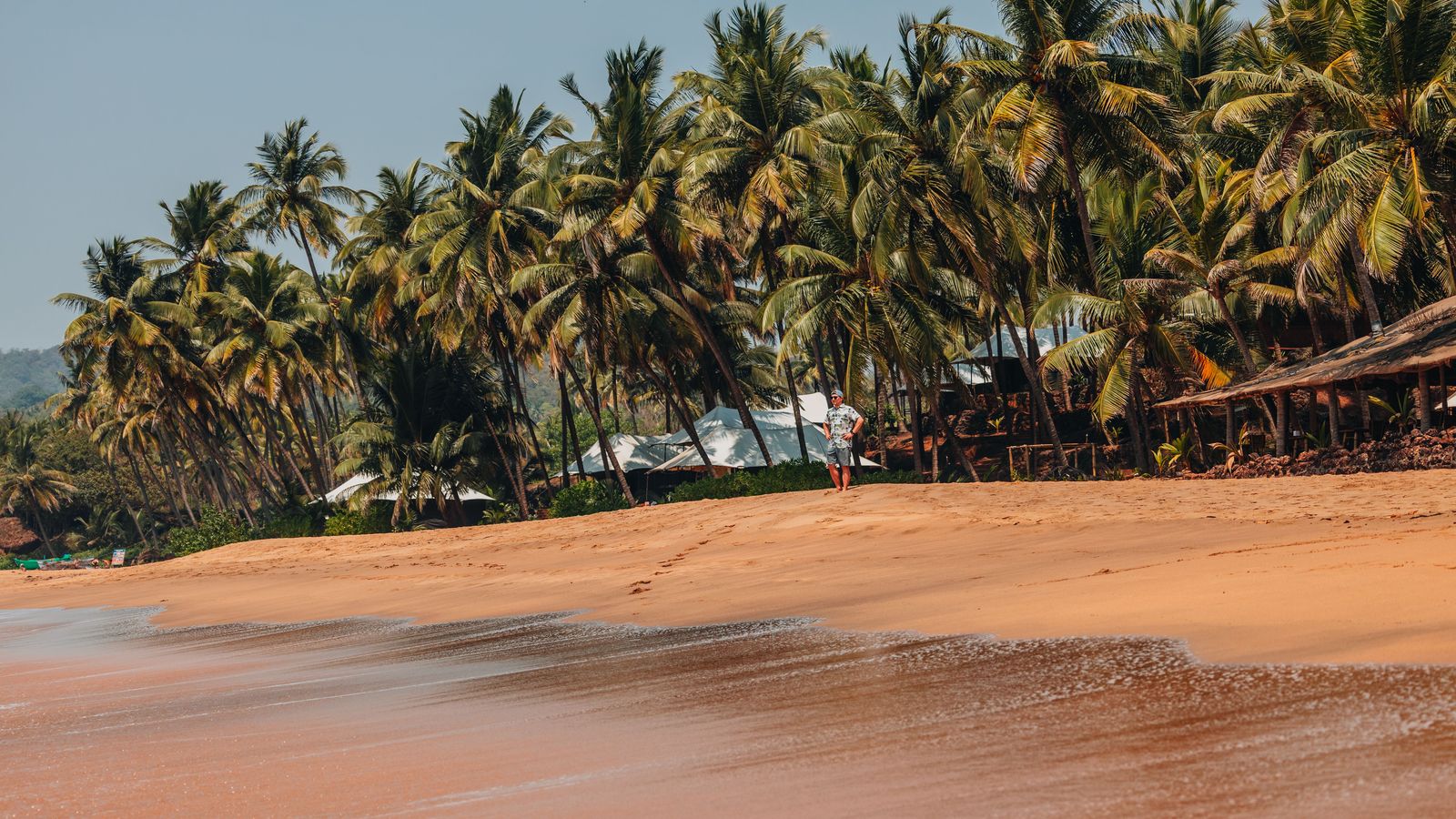
- December to February: peak season for the plains, the desert, Goa, the temple south and Odisha's lagoon birds. Delhi and the north can be foggy early in the morning, which slows the roads; the hills get snow, which is lovely to look at and sometimes closes passes.
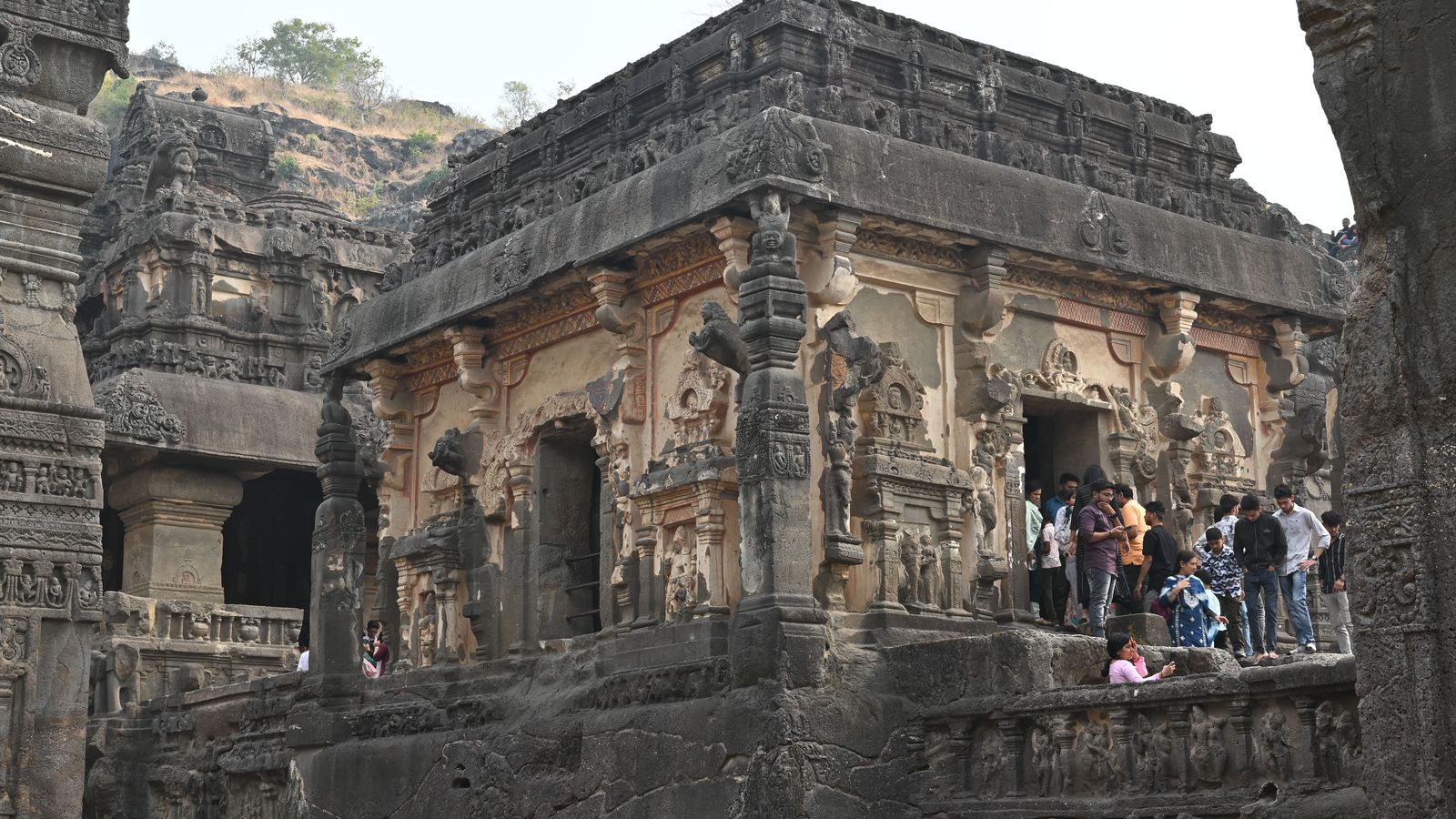
- March: a last good month for Rajasthan, Gujarat, the Ajanta and Ellora caves and the Buddhist sites before the heat. Holi is celebrated across the north.
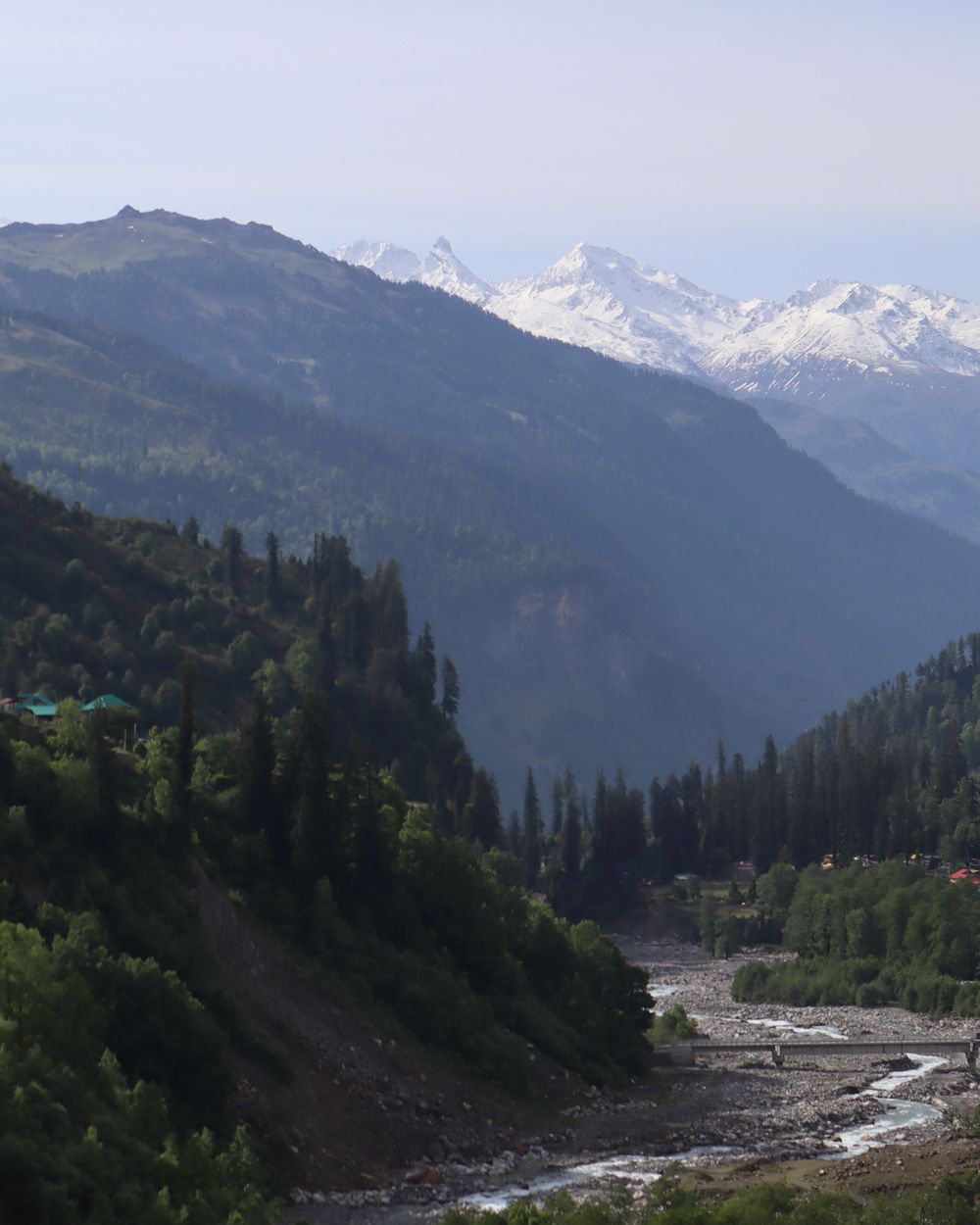
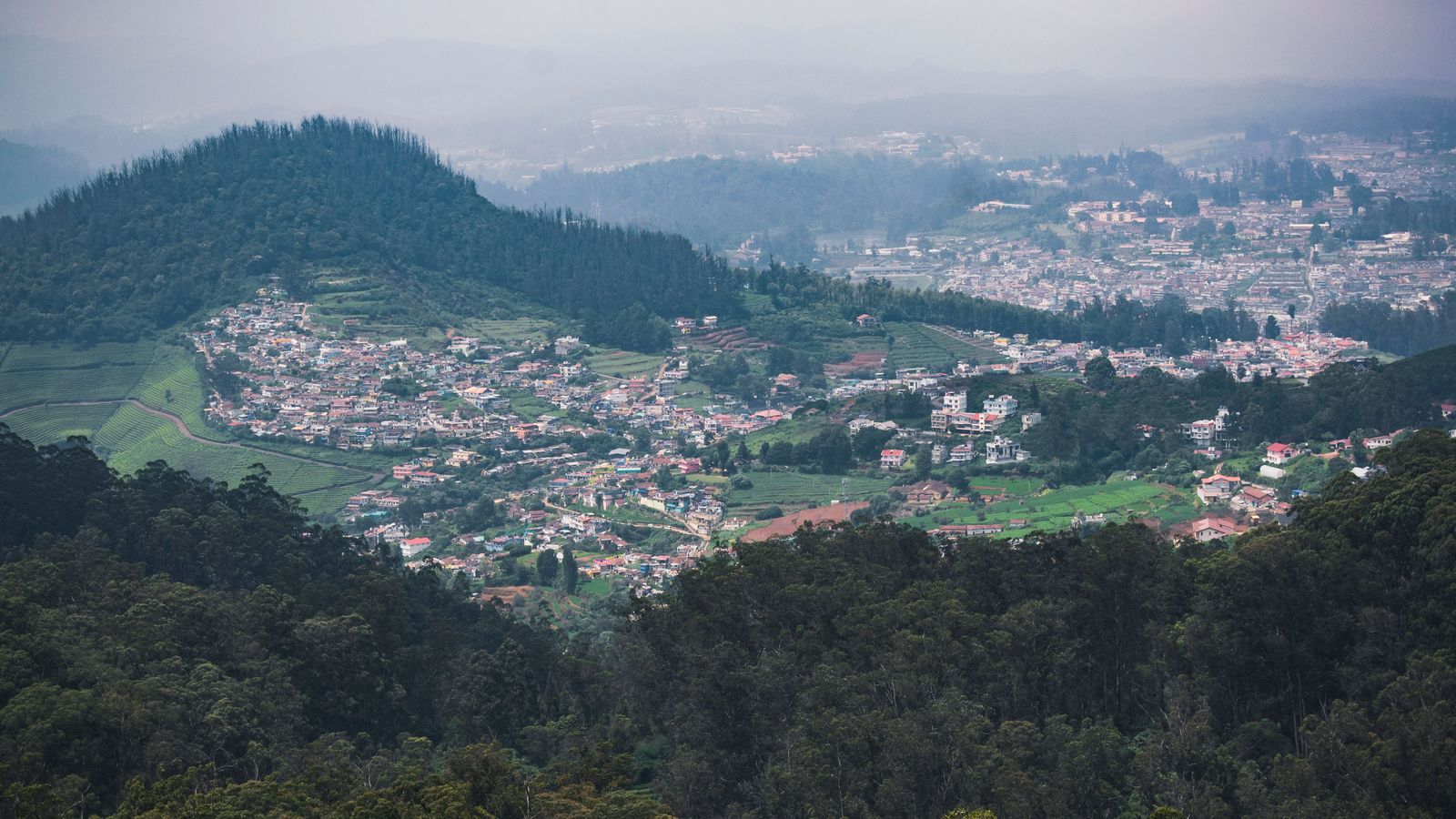
- April to June: the plains are very hot. This is the time for the hills: Himachal, Uttarakhand, Darjeeling and the Nilgiris around Ooty.
- July to September: the monsoon. Kerala and Meghalaya are dramatically green but wet; hill roads can be closed by landslides; Rajasthan and Gujarat are quieter and cheaper. Kaziranga's park closes for the rains.

Choosing by how many days you have
- Four or five days: Goa, Punjab, Odisha, Gujarat, Maharashtra's caves, Uttarakhand, Darjeeling and Sikkim, or the five-day Golden Triangle. These suit a long weekend plus leave.
- Six days: Kerala, Himachal, the temple south, Karnataka and the Nilgiris, the Northeast and the Buddhist circuit. Six days gives time for two or three bases without rushing.
- Eight or ten days: Rajasthan, which is simply too big for less. Our 8-day Rajasthan package includes the desert; the 10-day version takes it slower still.
Most circuits also exist in a shorter or longer form. Use the tour packages hub to see every length for each region.
Choosing by who is travelling
- First-time visitors: the Golden Triangle, then Rajasthan or Kerala. These are the circuits with the best-known sights and the easiest hotels.
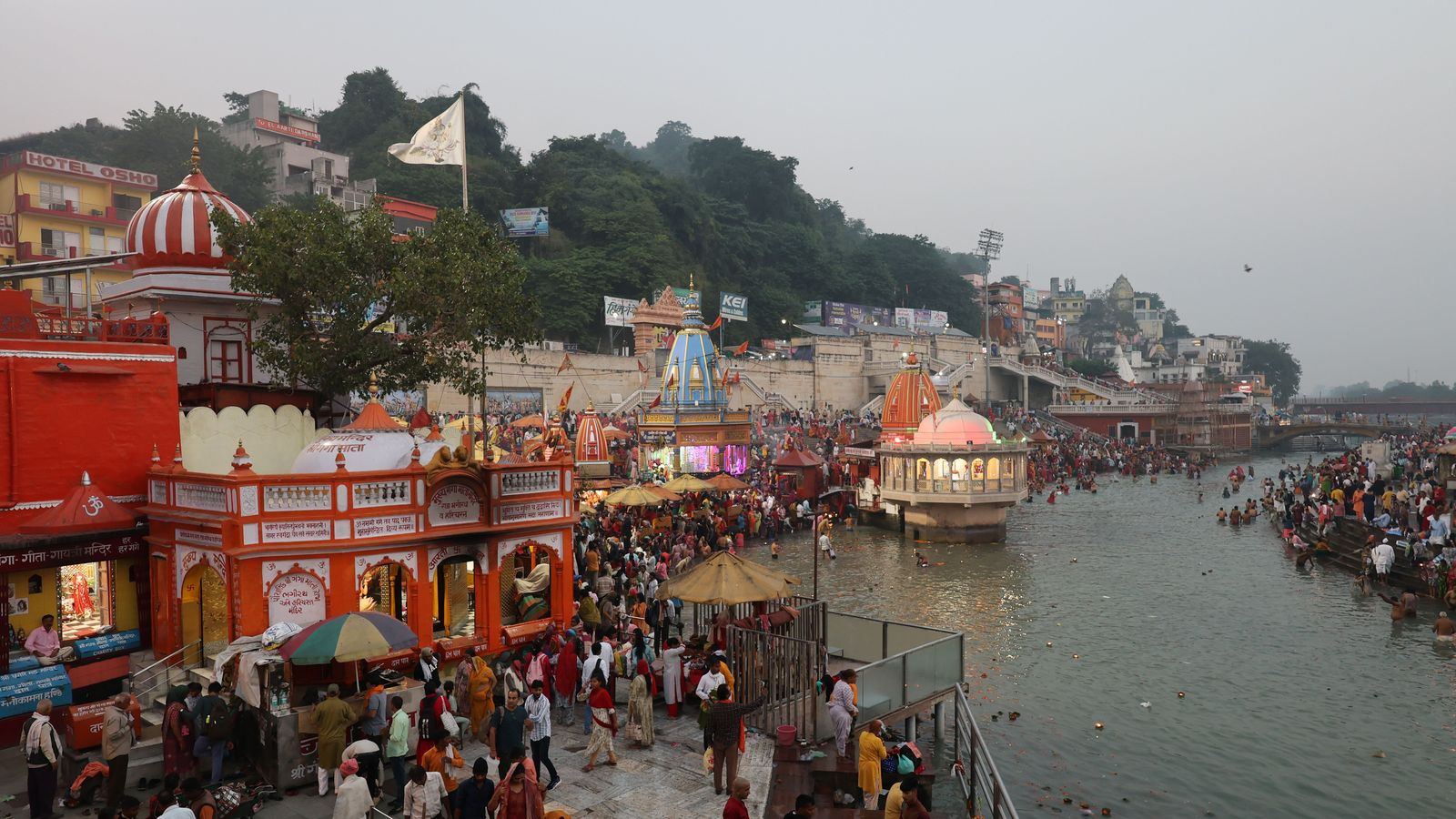
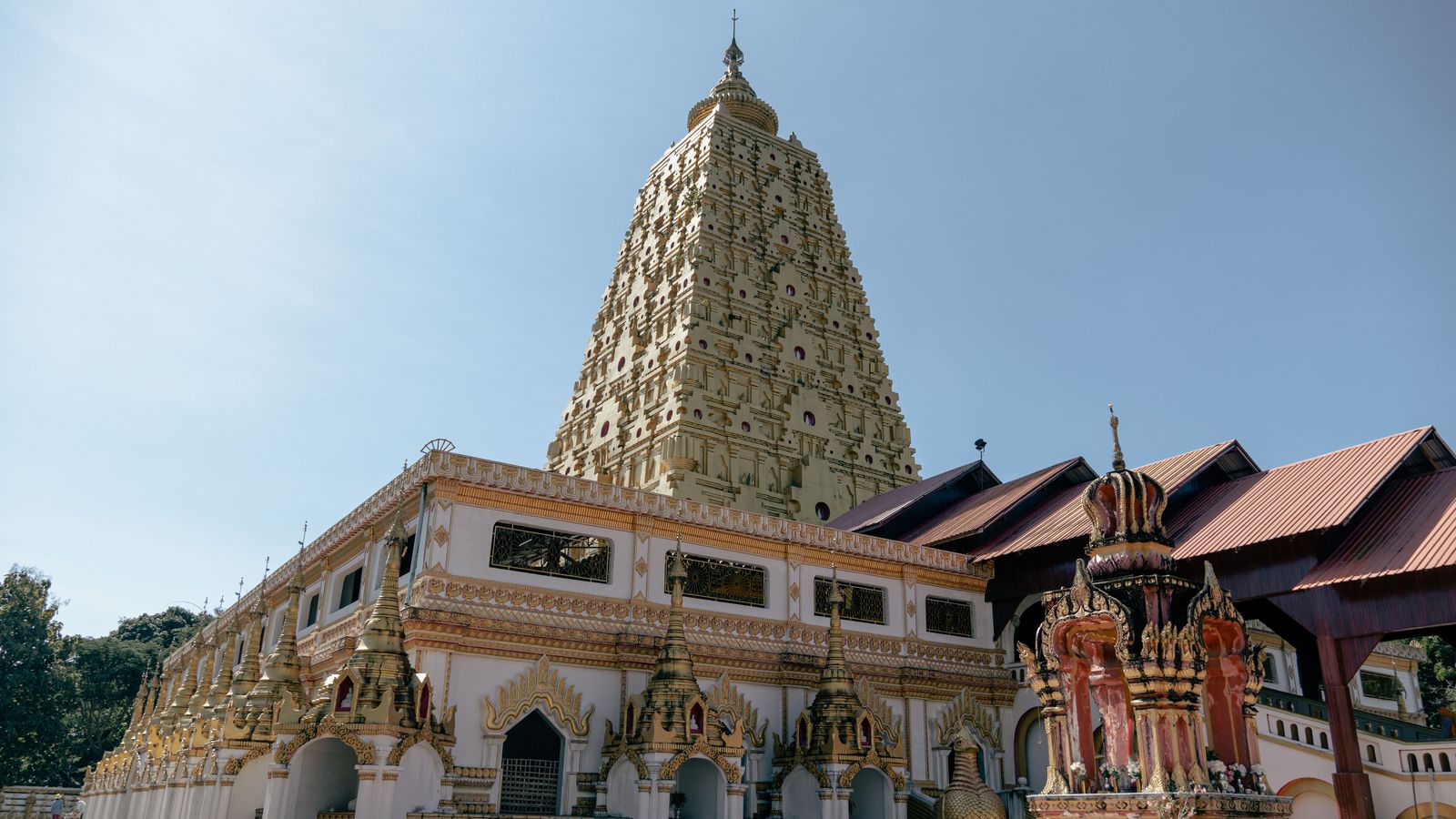
- Pilgrims: the Buddhist circuit for Bodhgaya and Sarnath, Uttarakhand for Haridwar and Rishikesh, Punjab for the Golden Temple, Odisha for Puri. For the Himalayan shrines, see our separate Char Dham yatra by car service.
- Families with children: Goa, Kerala, Karnataka and the Nilgiris, and Himachal in summer, where drives are short or scenic enough to hold attention.
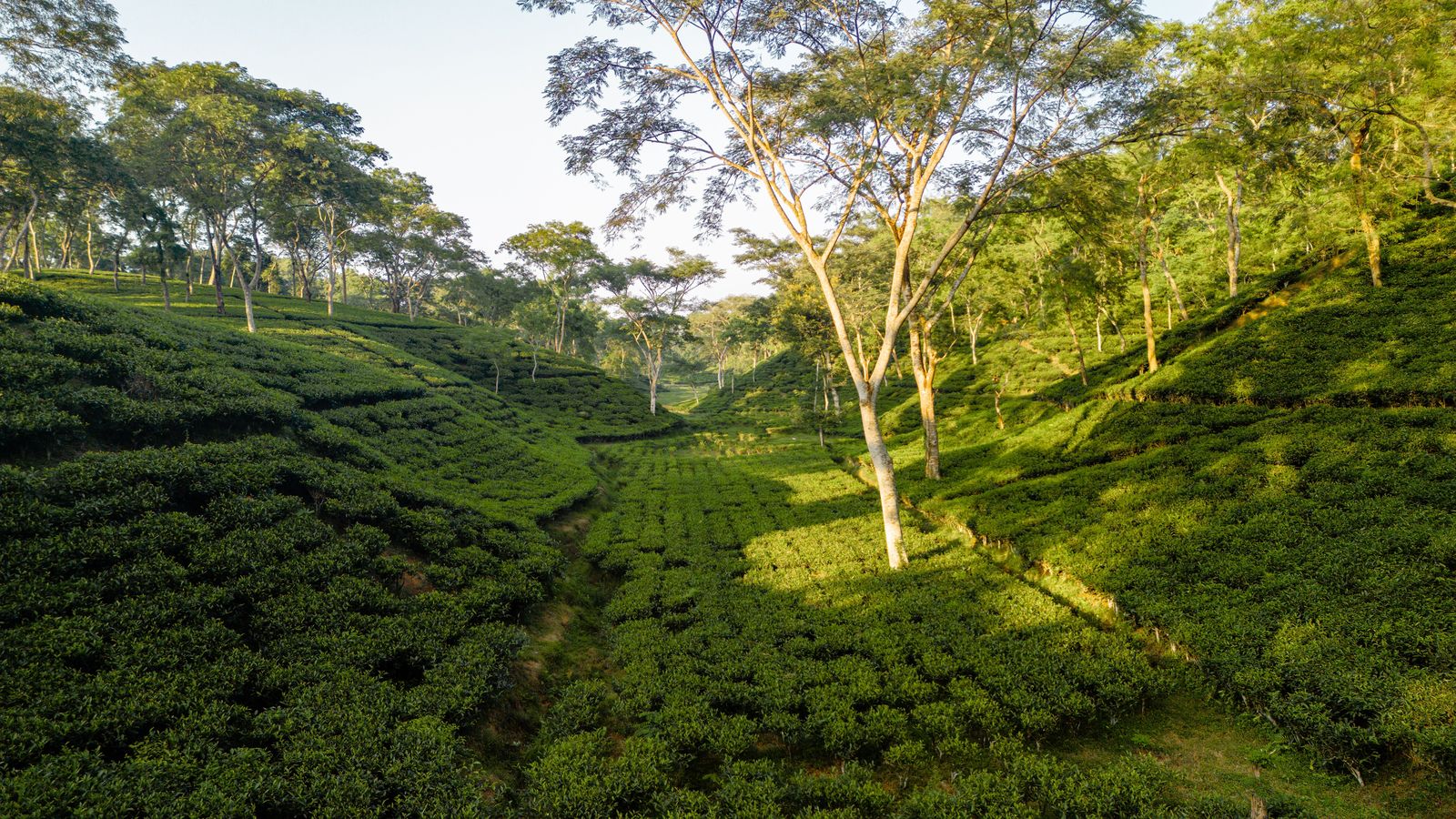
- Couples: Kerala's backwaters, Udaipur's lakes and the tea hills of Darjeeling.
- Groups of friends or extended families: any circuit works in a Tempo Traveller or Force Urbania; tempo traveller rental explains the vehicles and seat plans.
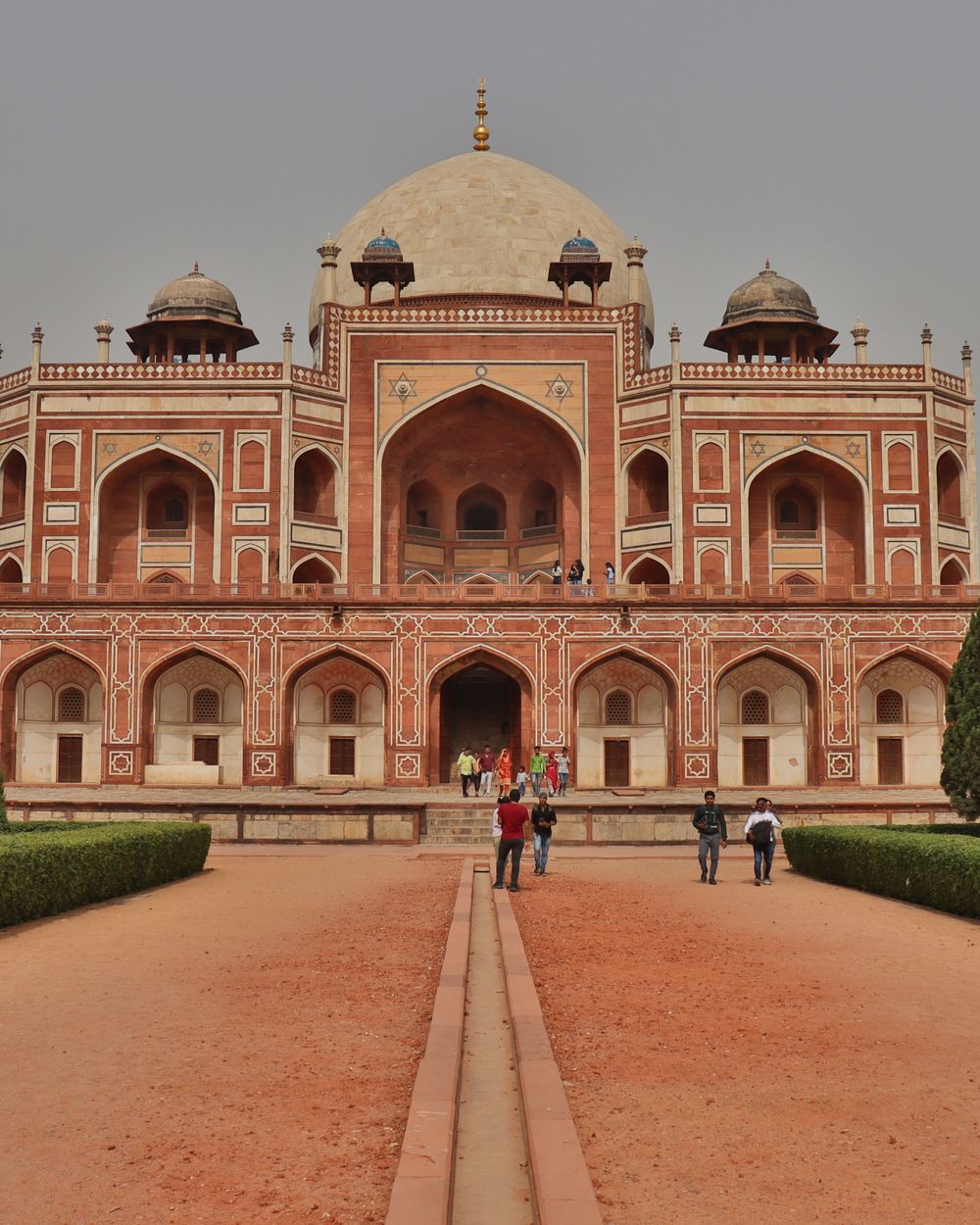
What a RutzIndia.com package includes, and what it does not
A conventional package quotes one per-person price with hotels, transport and entries bundled inside. We split it into two layers. The first is the car and chauffeur, which you can book immediately at a published price. The second is everything else (hotels, meals, monument tickets, local guides, a houseboat or desert camp), quoted in writing by the travel desk for your dates and your preferred hotel category.
The car fare is simple arithmetic. We take the larger of the kilometres driven or 250 km for each calendar day, and multiply by the class rate from our fares page: Rs 72 per km for a sedan, Rs 84 for an Ertiga, Rs 114 for an Innova Crysta, Rs 170 for a Fortuner, Rs 330 for a Mercedes E-Class, Rs 160 for a Tempo Traveller and Rs 200 for a Force Urbania. The chauffeur's night allowance is Rs 3,000 a night; tolls, parking and state permits are added at actual cost; 5% GST applies. Each card above shows the resulting starting fare.
What does not change is the car. The same vehicle and chauffeur carry you from the first pickup to the final drop. Every vehicle is within four model years, and you can see the classes on our fleet page.
Where we do not sell tour packages, and why
Some parts of India are wonderful but do not fit the one-car, one-chauffeur model. We would rather say so than sell you something we cannot run properly.
Andaman and Nicobar Islands, and Lakshadweep. These are island territories. You reach them by air or by sea, and you move between islands by ferry or boat. We have no road fleet there, so there is no car to put in a package. The Andaman and Nicobar Islands are reached by flights to Port Blair; Lakshadweep needs an entry permit from its administration. Our travel desk can help with flights and hotels, but not with a chauffeur-driven circuit.
Ladakh and Kashmir. We do not sell packages here either. High passes close for much of the winter, altitude sickness is a real risk that needs acclimatisation days, and local rules often require visitors to use locally registered taxis for sightseeing within the region. That makes it impossible to promise one car and one chauffeur for the whole trip. For planning, our Leh by road and Srinagar by road guides describe the routes, and we do offer point-to-point transfers on the Kashmir taxi service page and the Jammu to Katra taxi route.
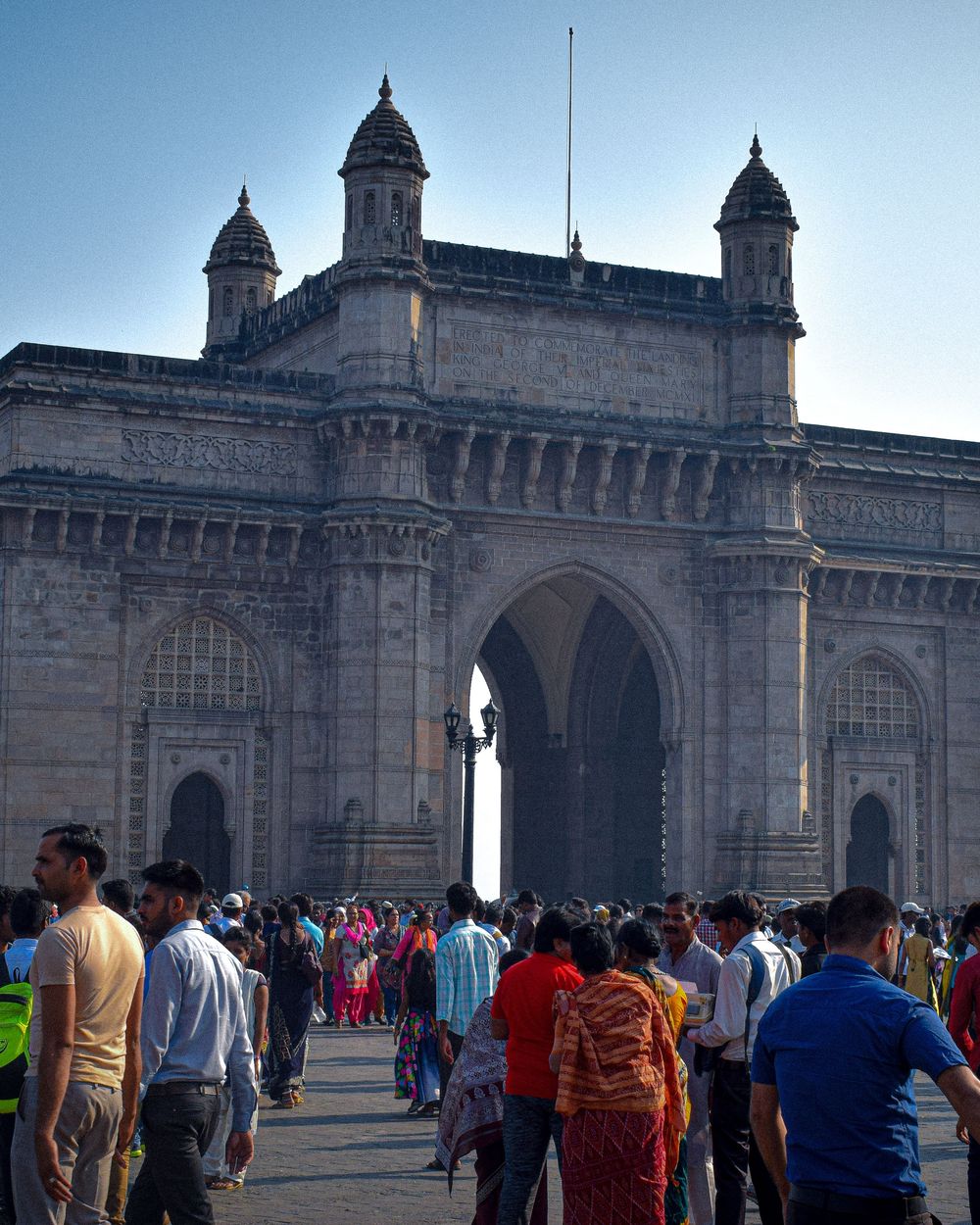
Which car suits which circuit
The class you pick changes the fare more than anything else, so it is worth matching the car to the roads as well as to the number of people.
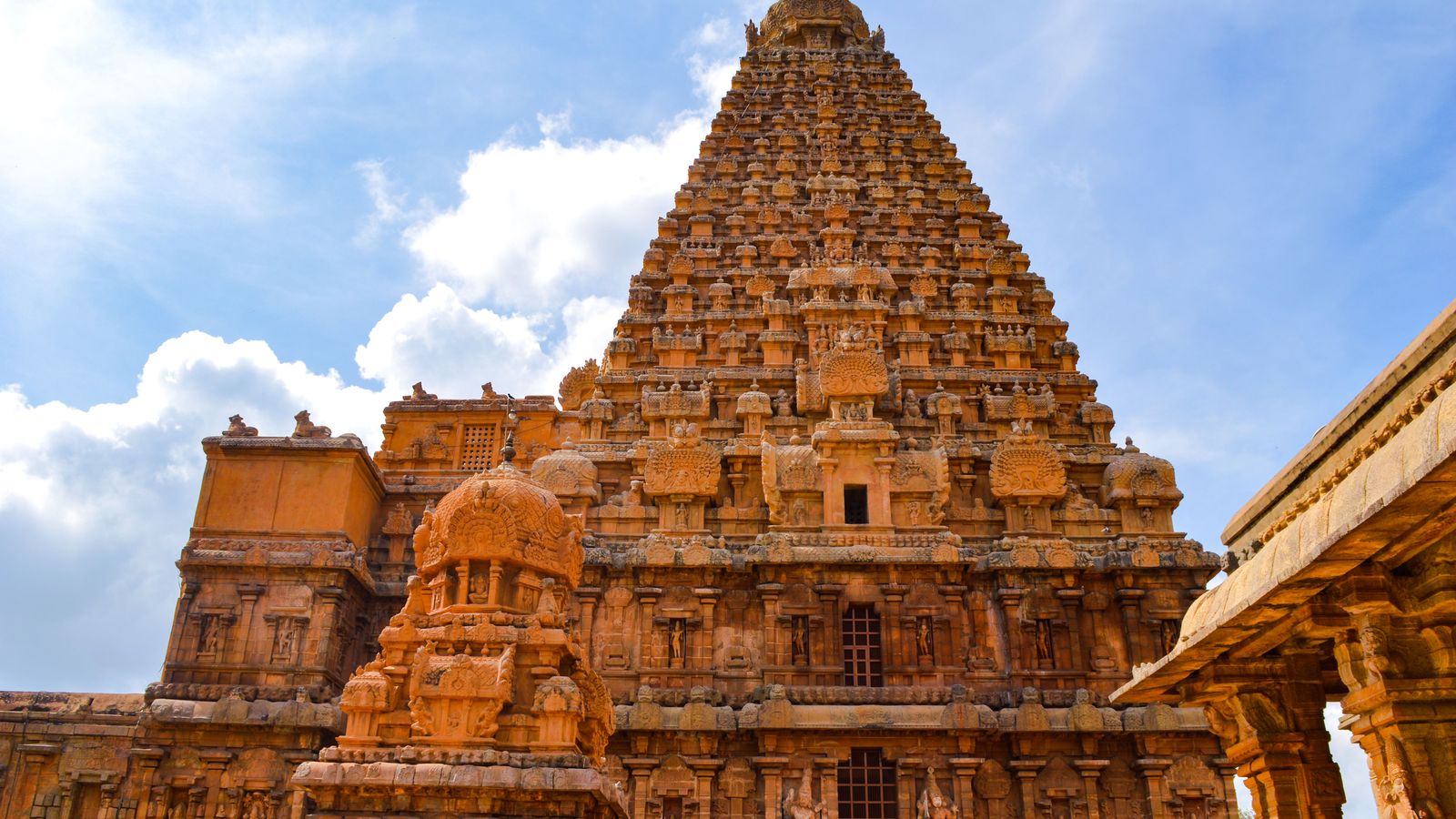
- Plains and coast circuits (Golden Triangle, Rajasthan, Gujarat, Goa, Odisha, the temple south): a sedan is perfectly comfortable for two, and the expressways and national highways are smooth enough that the small car loses little.
- Hill circuits (Himachal, Uttarakhand, Darjeeling and Sikkim, the Nilgiris, Meghalaya): an Innova Crysta or similar MUV is the better choice even for two. Higher ground clearance, a stronger engine on the climbs and more space for warm clothing make long hairpin days much easier.
- Long circuits of eight days or more: comfort starts to matter as much as price. Many couples upgrade to an Innova or a Fortuner for the legroom.
- Groups of nine or more: a Tempo Traveller or Force Urbania keeps everyone together. On a few narrow hill roads, and in some old-city lanes, a large van cannot reach every hotel door, and the chauffeur will stop at the nearest safe point.
A few practical notes before you travel
Some regions have rules worth knowing in advance. Foreign nationals need a permit to enter Sikkim, which the travel desk can help arrange; Indian citizens visiting Gangtok do not, though some high-altitude areas beyond it need separate passes. Several states charge an entry tax or permit on tourist vehicles registered elsewhere; these are added at cost and are never marked up.
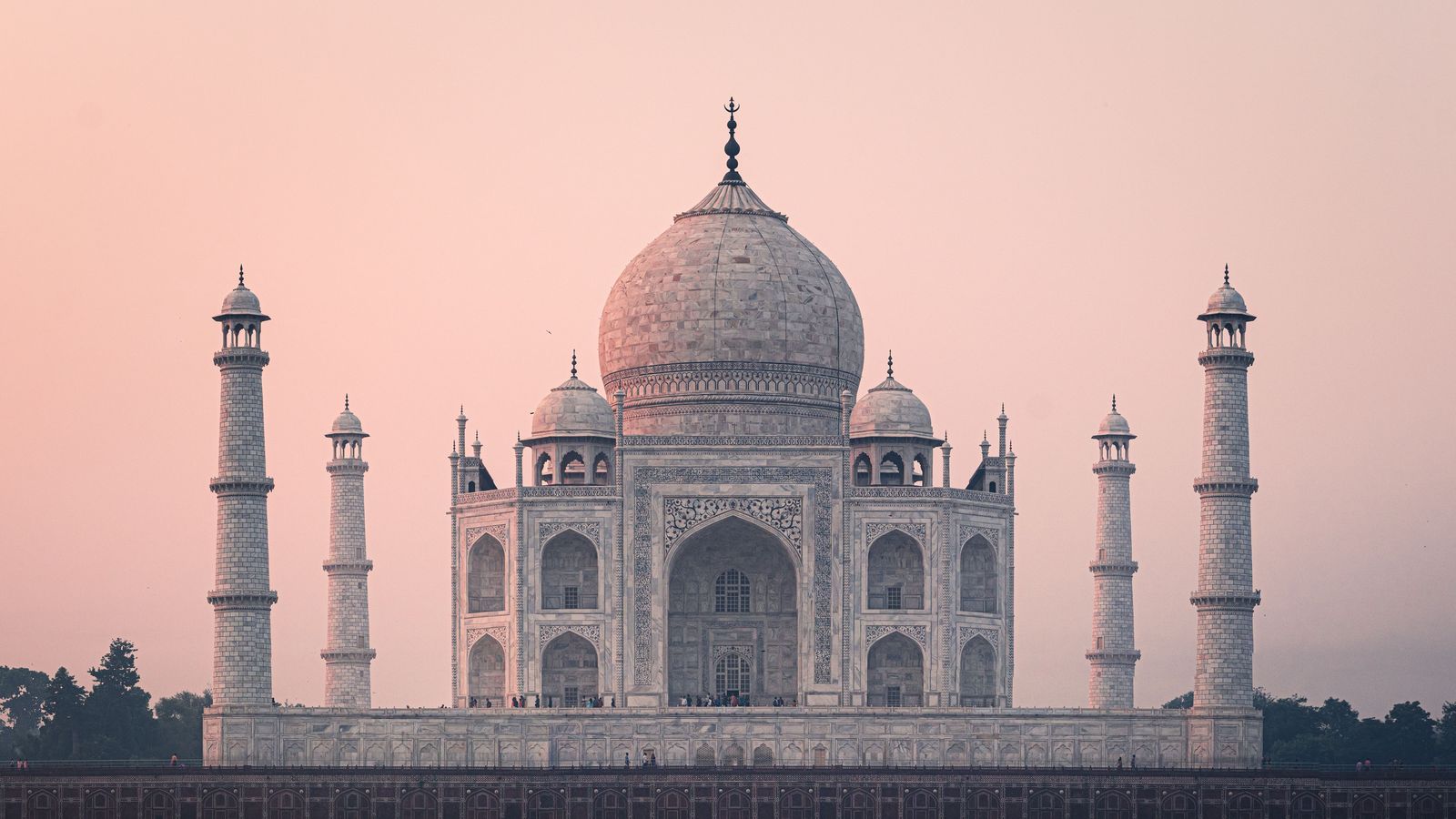
Many temples ask visitors to remove shoes and cover shoulders and knees, and a few do not admit non-Hindus at all, including the Jagannath temple in Puri. The Ajanta caves close on Mondays and the Ellora caves on Tuesdays, and the Taj Mahal is shut to sightseers on Fridays, so it is worth checking the day of the week against each day of your plan; the chauffeur can swap days round if needed. Carry photo identification at all times; hotels are required to record it at check-in.
Starting from your own city
Every circuit has a natural start point, but many travellers begin at home. Our origin pages group the circuits that begin in, or are easy to reach from, a particular city: tour packages from Delhi, from Mumbai, from Bangalore, from Chennai, from Kolkata and from Jaipur. If your city is not listed, the chauffeur can usually collect you and drive to the start, with the extra distance counted into the total.
Joining two circuits together
Longer holidays often string two packages together. The easiest combinations share a city, so the same car simply carries on:
- The Golden Triangle ends in Jaipur, where Rajasthan begins.
- Punjab and Himachal both reach up into the Kangra and Dhauladhar hills.
- The temple south and Karnataka meet through Tamil Nadu and the Nilgiris.
- Darjeeling and the Northeast are separate trips by road but share Bagdogra and Guwahati airports for a quick flight between them.
For combinations that involve a flight, the travel desk can book the flight and have a chauffeur waiting at the other end. The UNESCO World Heritage list for India is a good way to see which sites you might link, and Incredible India has official visa and travel information.
Booking and changing your plans
Choose a circuit, then book the car and chauffeur yourself through the online booker, paying by card or UPI. Companies receive a GST invoice. For an all-inclusive trip, send your dates to the travel desk and you will get a written, itemised quote.
Cancellation is free more than 72 hours before the first pickup, 10% within 72 hours, 50% within 48 hours, and 100% within 24 hours or on a no-show. Full details are on our cancellation policy page, and answers to common questions are on the FAQ.