This Uttarakhand tour package is a five-day, four-night loop from Delhi to Haridwar, Rishikesh and Mussoorie and back, in one private car with one chauffeur throughout. You pay a per-km car fare on at least 250 km a day; hotels, meals and entry tickets can be added through our travel desk as a written quote.
Is five days the right length for you?
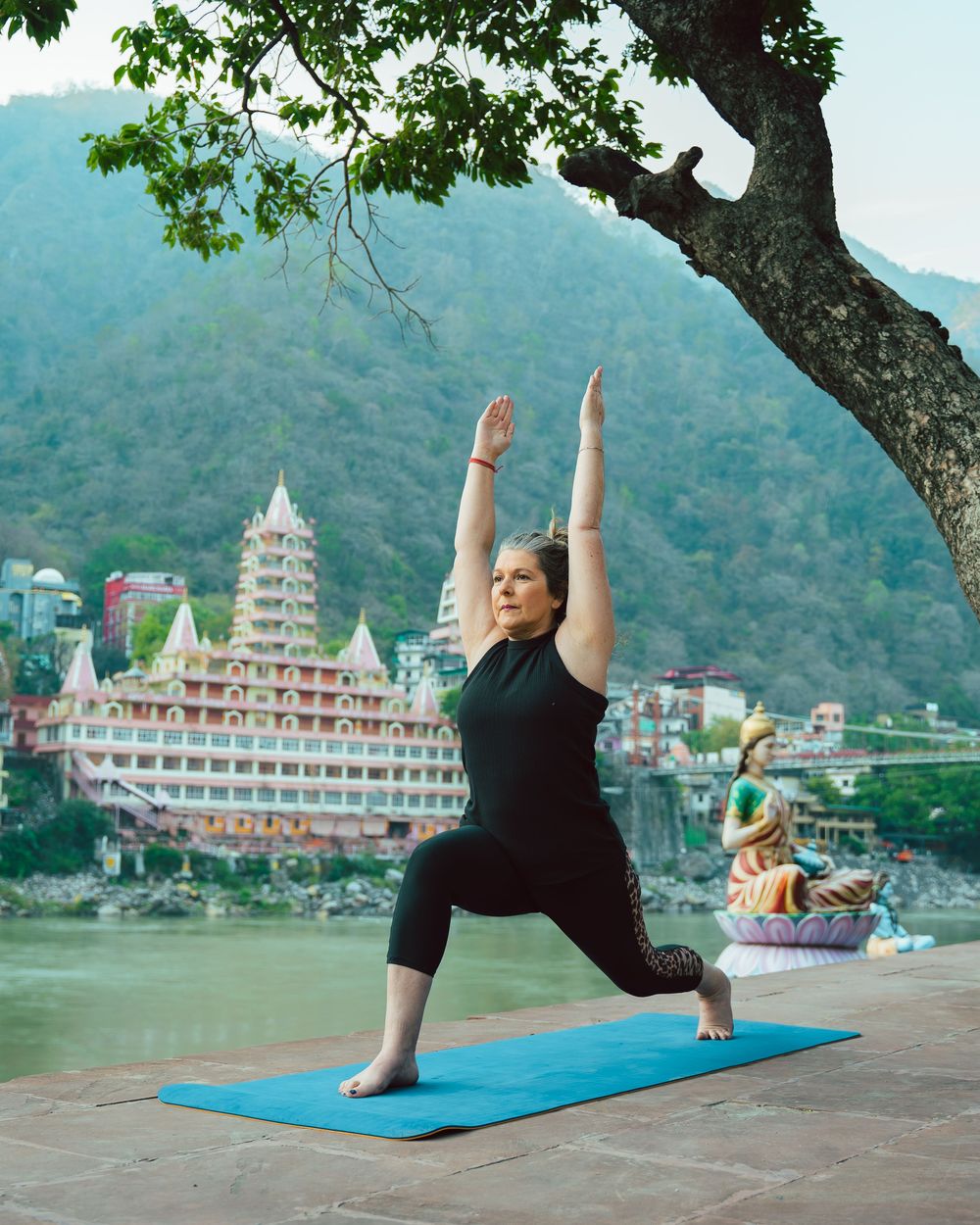
Five days is the shortest version of the Ganga-and-hills trip that still feels unhurried. You get one evening aarti in Haridwar, a full free day in Rishikesh for rafting, yoga or simply sitting by the water, and one night in Mussoorie with a sunrise at Lal Tibba. It suits couples on a long weekend with a day of leave attached, parents travelling with teenagers who want the rafting, and overseas visitors who have already done Delhi and want green hills before flying home.
It is less suited to anyone who wants a proper rest in the mountains. Mussoorie gets a single night here, and the last day is a long drive. If that sounds rushed, the six-day Uttarakhand package adds a night on the Dhanaulti ridge and a slower descent via Dehradun. Pilgrims heading for the high shrines need a different plan altogether: see our Char Dham yatra by car page, which runs to ten days or more.
Families with small children should know that Day 1 and Day 5 are the long legs, five to seven hours each. The middle three days are short, so the trip is front- and back-loaded rather than tiring throughout.
The drive, stretch by stretch
Delhi to Haridwar. The usual line is east out of Delhi on the Meerut expressway, then north on the highway through Muzaffarnagar and Roorkee. It is a dual carriageway almost all the way, with toll plazas, and the busiest part is the first hour getting clear of the city. Leave by seven and you will be in Haridwar for a late lunch. Big food plazas around Khatauli are the traditional halt; your chauffeur will have a favourite. Our Delhi to Haridwar taxi page has more on the one-way version of this road.
Haridwar to Rishikesh. A short run up the river valley past the western fringe of Rajaji. Morning traffic is light; pilgrim buses bunch in the late afternoon.
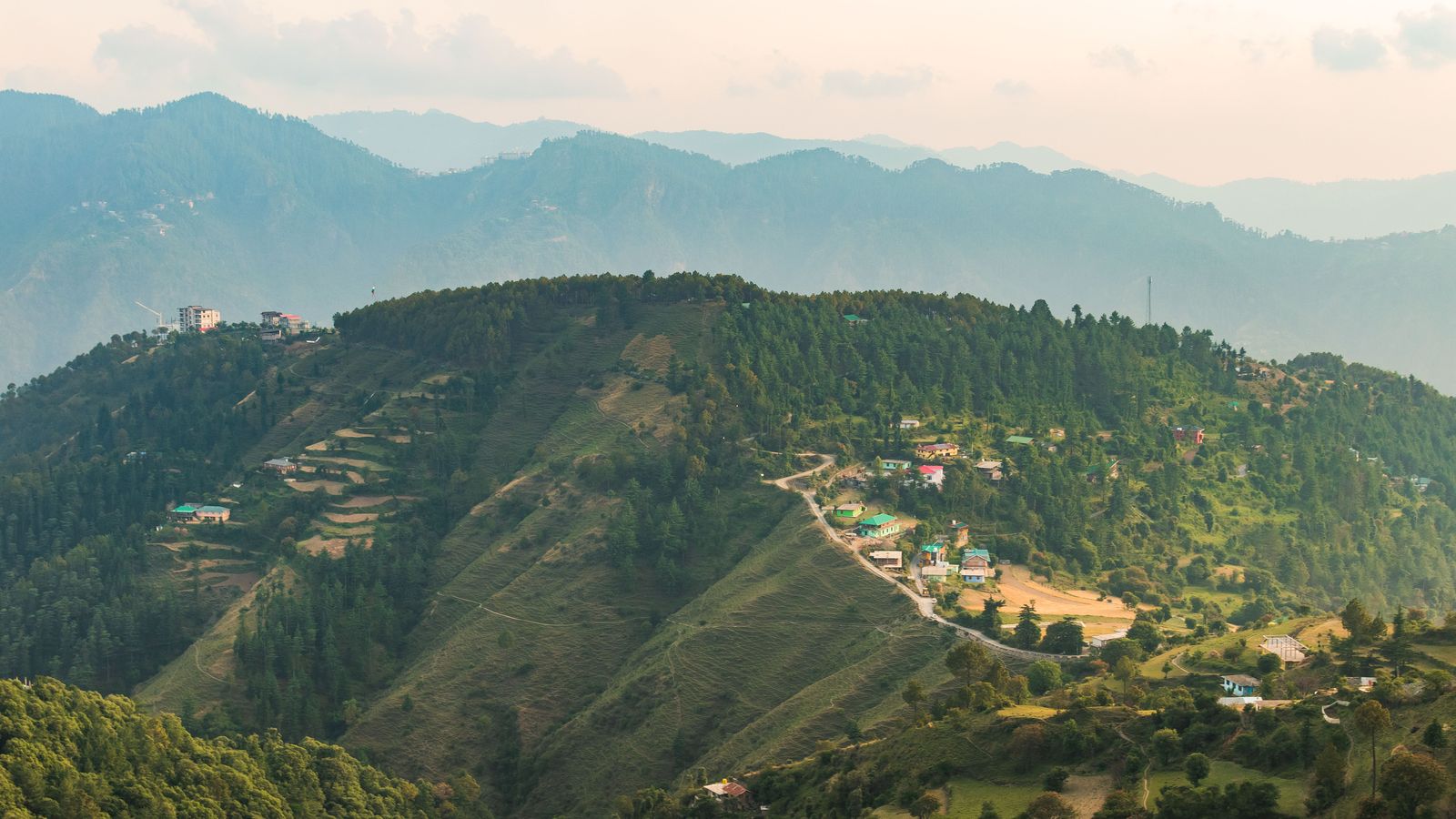
Rishikesh to Mussoorie. The car drops to Doiwala, skirts Dehradun and then climbs the Mussoorie road, around 35 km of hairpins with the valley opening below. Hill-road manners apply: uptrack vehicles get priority, horns at blind bends, and no racing the local taxis. On summer weekends the last stretch into town can crawl, which is why we schedule this leg for a weekday morning where the dates allow.
Mussoorie back to Delhi. Down to Dehradun, then south over the Shivaliks towards Saharanpur and the plains. The newer Delhi-Dehradun expressway sections cut time where they are open, and the chauffeur will use them. Allow about seven hours with a lunch stop. If you are flying out, Jolly Grant airport sits between Dehradun and Rishikesh, so the descent is much shorter.
Chauffeurs on our hill runs rest overnight near your hotel and do not drive mountain roads after dark unless there is no choice. That rule costs a little flexibility and buys a lot of safety.
Where to sleep in each town
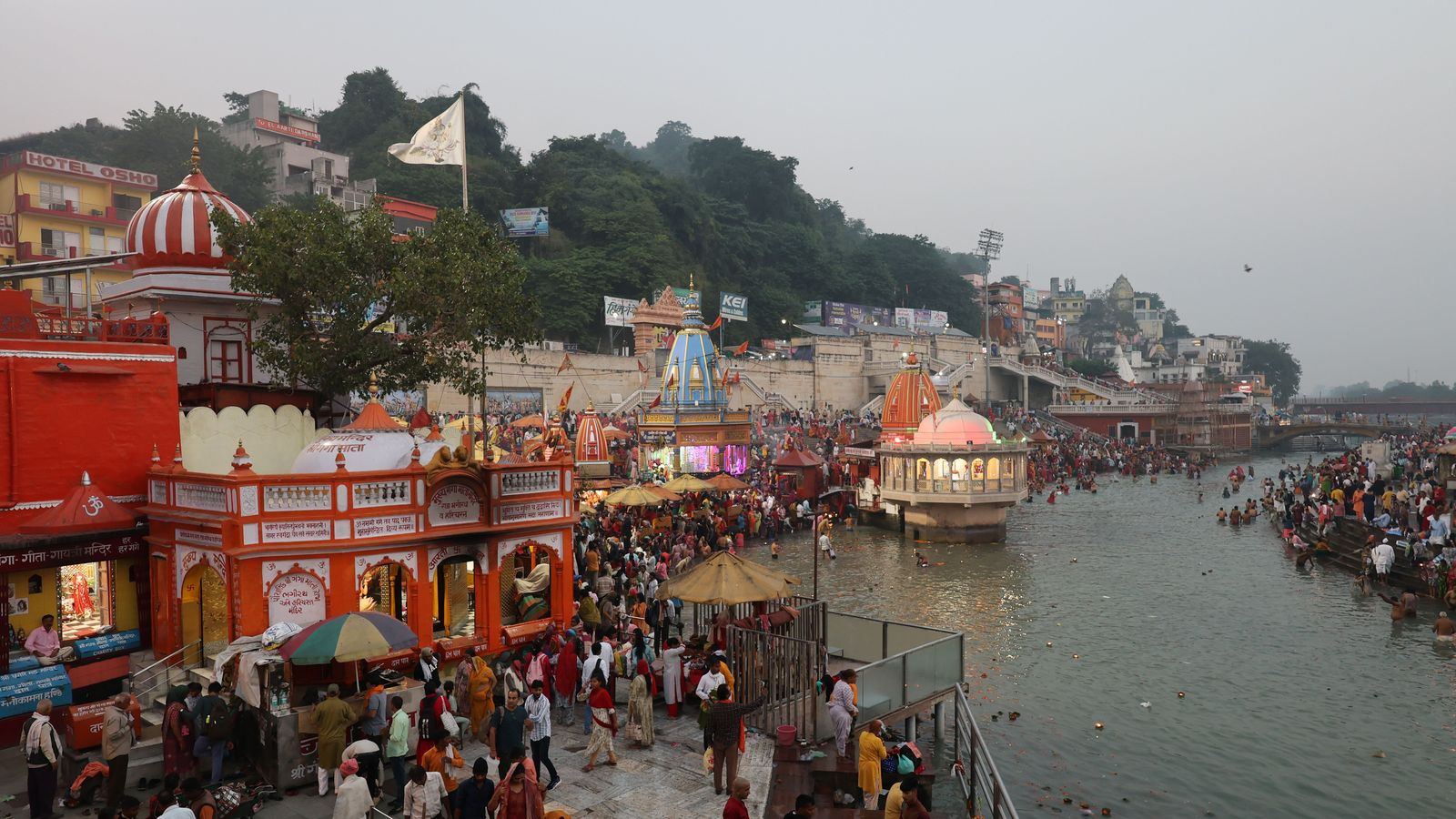
Haridwar. Stay close to the river if you want to walk to Har Ki Pauri for the evening lamps and back without the car; the lanes near the ghat are pedestrian at peak times. Options run from simple ashram guesthouses to mid-range hotels on the upper road with Ganga-facing rooms. Haridwar and Rishikesh are vegetarian, alcohol-free towns within their pilgrimage limits, so plan accordingly.
Rishikesh. The town's long history as a yoga and ashram centre is summarised on its Wikipedia page. Tapovan and the Lakshman Jhula side hold most of the boutique guesthouses and cafes; the Ram Jhula side is more traditional, with ashrams that take guests. A few riverside retreats sit upstream near Shivpuri, which suits rafting days. Some ashram lanes do not take cars, so expect a short walk with bags.
Mussoorie. The Mall has the classic old hotels and the most bustle; Landour, higher up, is quiet, woody and full of small cottages; the Kempty road has larger resorts with parking. Mall Road has timed vehicle restrictions, so hotels there often send a porter to meet the car.
Our travel desk can hold rooms in any of these areas and send a single written quote with the car, hotels and meal plans together.
Season and dates to watch
- October to mid-November: the best window. Clear air, snow peaks from Lal Tibba, rafting in full swing, comfortable days.
- December to February: cold nights, crisp views, very few crowds. Mussoorie occasionally gets snow in January, which is lovely and briefly chaotic on the roads.
- March to April: warm in Haridwar, pleasant in the hills. Holi is a good time to be in Rishikesh.
- May and June: school holidays. Mussoorie is packed and the Kempty Falls road jams on weekends; book early and travel midweek.
- July to mid-September: monsoon. Rafting stops, landslides can close hill roads for hours, and views are rare. In Shravan (usually July) the Kanwar Yatra fills the Delhi-Haridwar highway with pilgrims on foot and police divert traffic for about two weeks. We do not recommend this package then.
Big bathing dates in Haridwar, such as Makar Sankranti in January and Ganga Dussehra in early summer, bring huge crowds and full hotels. The Uttarakhand tourism site publishes festival calendars and advisories.
Choosing the vehicle
Two people with two suitcases travel comfortably in a sedan at Rs 72/km. Three or four adults, or a family with a pram, do better in an Ertiga at Rs 84/km or an Innova Crysta on rent at Rs 114/km, which has the legroom and the torque for the Mussoorie climb. Groups of eight to twelve should look at a Tempo Traveller at Rs 156/km or a Force Urbania at Rs 204/km. Larger vans reach Mussoorie without trouble but park at the wider points below Landour's narrowest lanes. The full range is on our fleet page. Every car is within four model years.
How the car fare is worked out
The fare table on this page is calculated, not guessed. Billable kilometres are the larger of the actual driving, about 760 km on this route including local runs, and 250 km for each calendar day. On five days the floor is 1,250 km, so that figure is multiplied by the per-km rate of the class you choose. On top sit the driver's night allowance of Rs 3,000 per night, tolls, state entry permit and parking at actual cost, and 5% GST. Because you are billed on the floor, short local detours such as Kunjapuri or Kempty Falls usually cost nothing extra. There is more detail on our fares page.
Stretching it or stitching it together
Add a day and you have the six-day version with Dhanaulti. Add two and you can swap Mussoorie for the lake at Nainital, although that is a different road east through the Kumaon foothills; our Nainital by road guide explains it. Wildlife lovers can tack on a night at Jim Corbett, and anyone wanting a quiet cantonment town can look at Lansdowne by road. The broader list of trips from the capital is on tour packages from Delhi.
Booking and cancelling
Book the car and chauffeur directly in the web booker on this page or at /book/; you get a written fare and can pay by card or UPI. For an all-inclusive trip, ask the travel desk for a quote with hotels, meals and rafting. Cancellation is free up to 72 hours before pickup, then 10% within 72 hours, 50% within 48 hours and 100% within 24 hours or on a no-show; the full wording is on our cancellation policy. RutzIndia.com issues GST invoices for company travel.