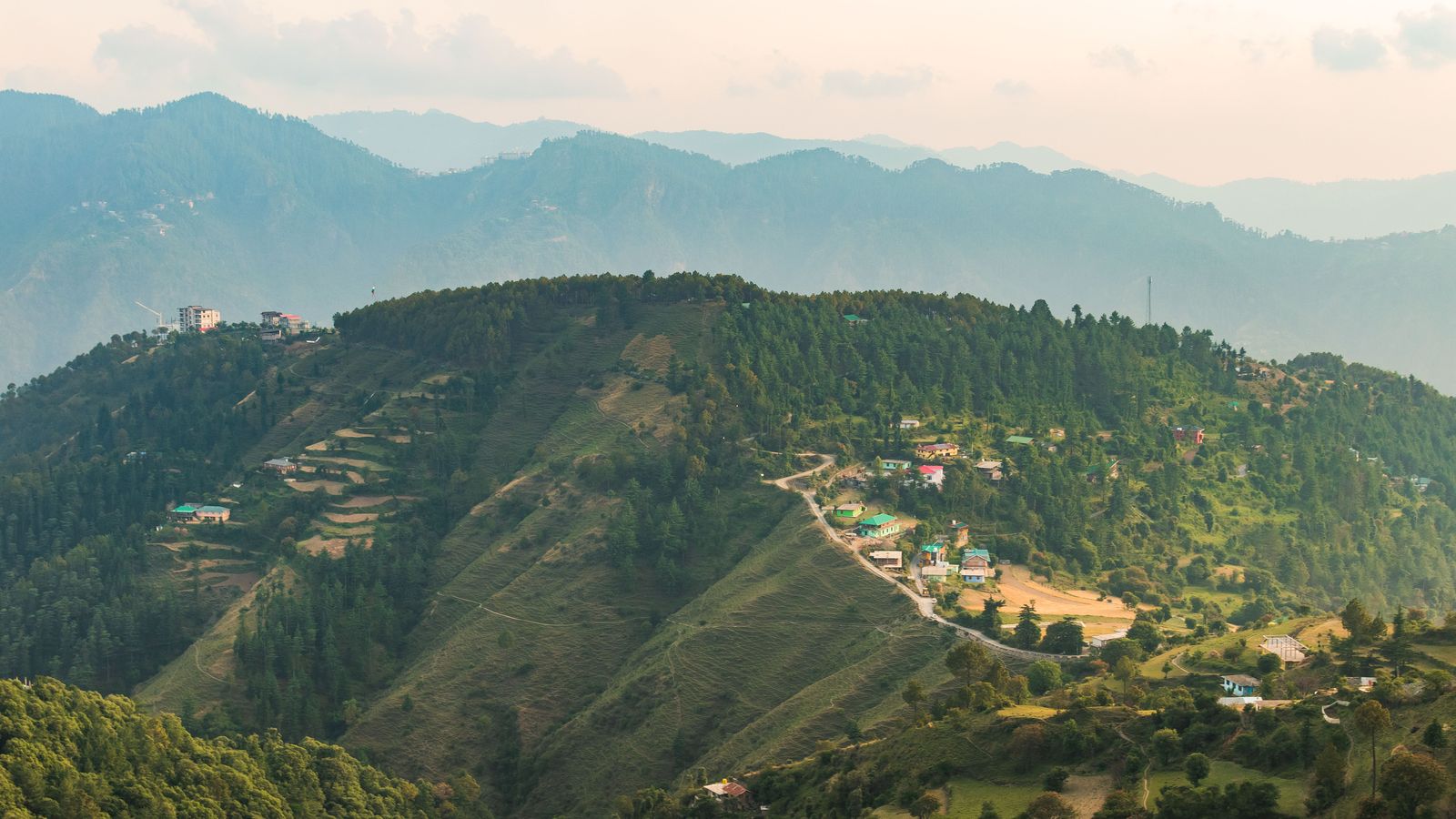
The 6-day Uttarakhand tour package runs Delhi, Haridwar, Rishikesh, Mussoorie, Dhanaulti, Dehradun and back to Delhi, five nights in all, with a private car and chauffeur for every kilometre. The car is billed per km on a 250 km daily minimum, and the travel desk quotes hotels and meals separately.
What the sixth day buys you
Compared with the five-day Uttarakhand package, this version adds one extra night and changes the shape of the trip. Instead of a single evening in Mussoorie followed by a seven-hour drive home, you get two hill nights, the second on the Dhanaulti ridge at about 2,300 metres, and a final night in Dehradun that splits the homeward drive into a short hill descent and a manageable run on the plains.
That matters most for three kinds of traveller. Families with young children, because no single day is longer than about six hours in the car. Couples who want at least one evening in a forest cottage rather than a busy town. And anyone who has never seen Dehradun, which most tours only drive through: the Forest Research Institute and the Tibetan monastery in Clement Town are both genuinely worth an afternoon.
If you are short of leave, the five-day plan covers the essentials. If you have more, the Char Dham yatra by car continues into the high Himalaya, or you can compare other hill trips on our tour packages page.
Driving the ridge roads
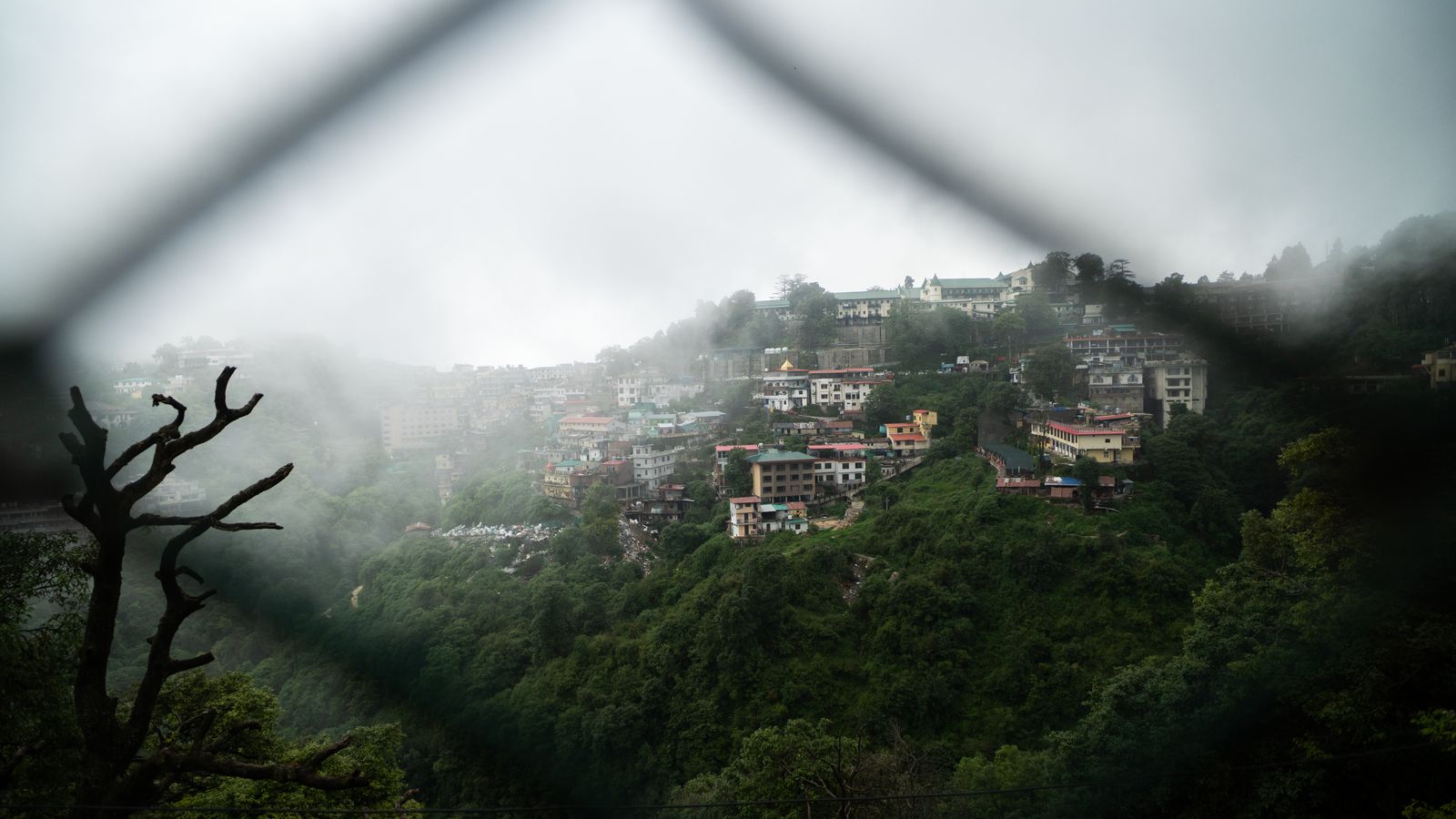
The road east from Mussoorie to Dhanaulti is one of the prettiest drives in Garhwal. It follows the crest for most of its length, narrow in places, lined with deodar and oak, and quiet on weekdays. There are few fuel pumps on the ridge, so the chauffeur fills up in Dehradun or Mussoorie before the climb. Mobile signal is patchy around Dhanaulti; it is best to share hotel landline details with family before you set out.
Coming down to Dehradun on Day 5, the car retraces the ridge to Mussoorie and then drops through the hairpins into the Doon. Descents are harder on brakes than climbs; our chauffeurs use low gears and take short halts on the long grades. In December and January, black ice can form on the shaded bends near Dhanaulti after a snowfall, and on those mornings we wait until the sun has been on the road.
For the plains, the route from Dehradun goes south through the Mohand pass in the Shivaliks towards Saharanpur. New expressway sections on the Delhi side are opening in stages, and the chauffeur will take whichever line is fastest on the day. Our Delhi to Dehradun taxi page covers this road in more detail.
Seasons, snow and school holidays
- September to November. The clearest window of the year. Monsoon rain washes the haze out of the air, so the Bandarpunch and Kedar ranges stand sharp from Surkanda Devi and Lal Tibba. Diwali weekends are busy in Mussoorie.
- December to January. Cold and quiet. Dhanaulti gets snow in most winters, which is magical to wake up to and can close the ridge road for a morning. Pack thermals.
- February to April. Rhododendrons flower red along the ridge from late February. Days are pleasant; nights still cool.
- May to June. Peak season for families escaping the heat. Weekend traffic between Dehradun and Mussoorie can be slow; midweek travel helps a great deal.
- July to August. Heavy rain, frequent landslides and no rafting. We advise against the trip.
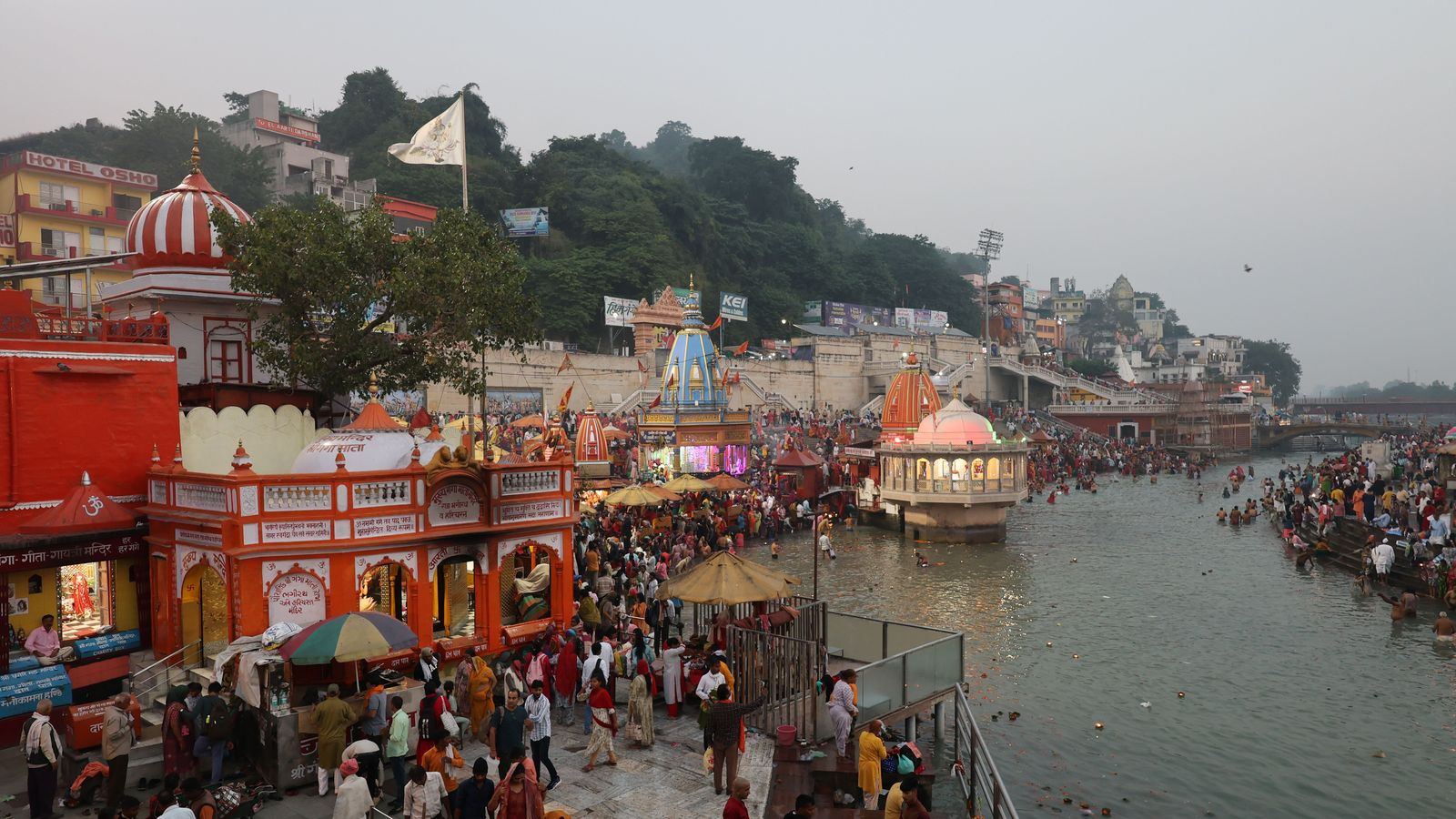
Haridwar's crowds follow the religious calendar: Makar Sankranti, Somvati Amavasya and Ganga Dussehra all fill the town, and the Kanwar Yatra in Shravan brings road diversions on the Delhi side. Background reading on the hill stations is on the Mussoorie and Dhanaulti Wikipedia pages.
Dehradun, the town most tours only pass
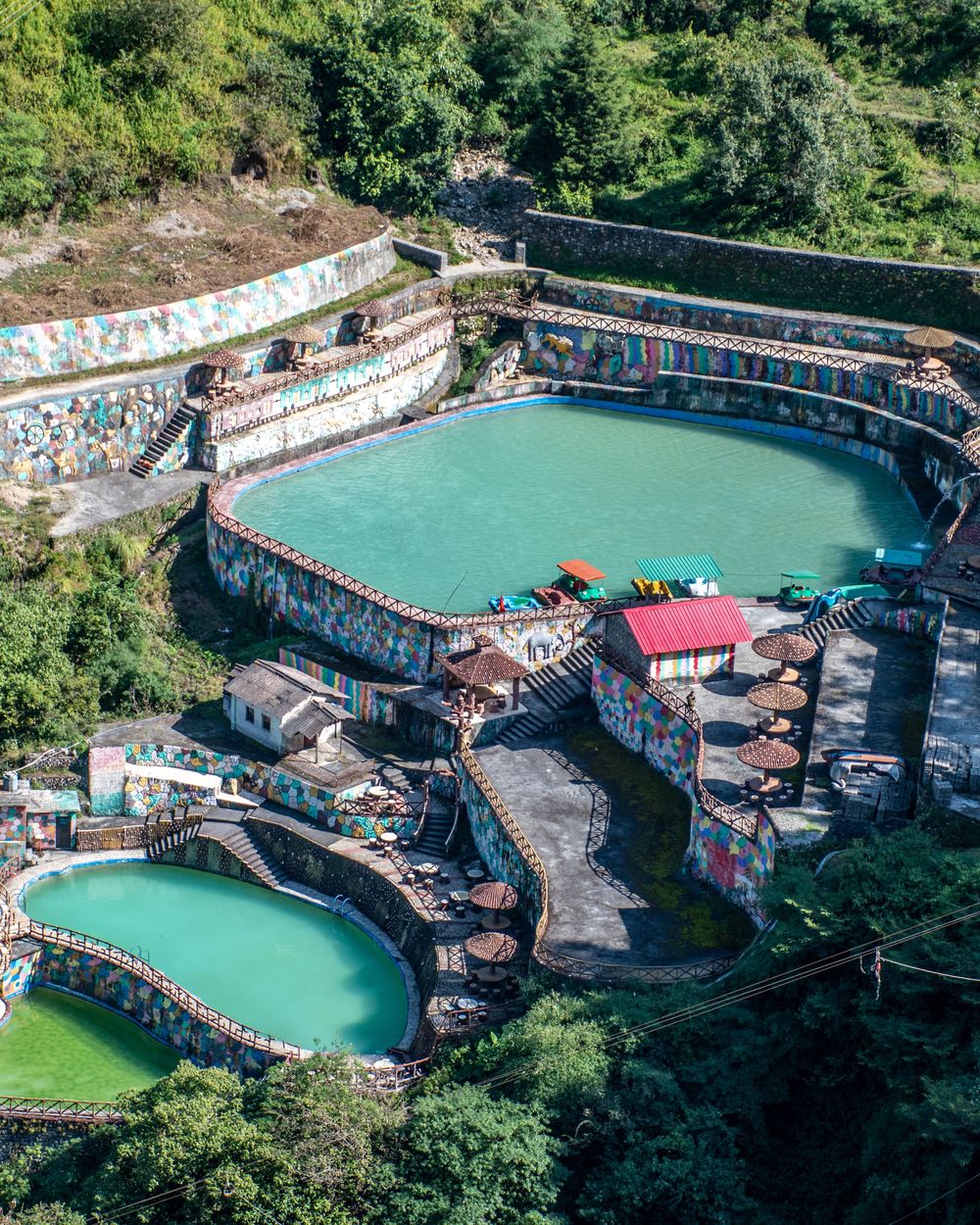
Dehradun is the capital of Uttarakhand and a relaxed, green town with a long history of schools and institutes. The Forest Research Institute campus gets the attention, but pair it with Mindrolling Monastery in Clement Town, a major centre of the Nyingma school of Tibetan Buddhism, with a great stupa you can climb for a view over the south of the city. Robber's Cave and Sahastradhara, both on the edges of town, suit a relaxed final morning. Food-wise, Rajpur Road and Paltan Bazaar are where locals eat. Our Dehradun taxi service page lists airport and local options if you want to extend.
Which car fits the ridge
The Dhanaulti road is narrow enough that car size is worth a thought.
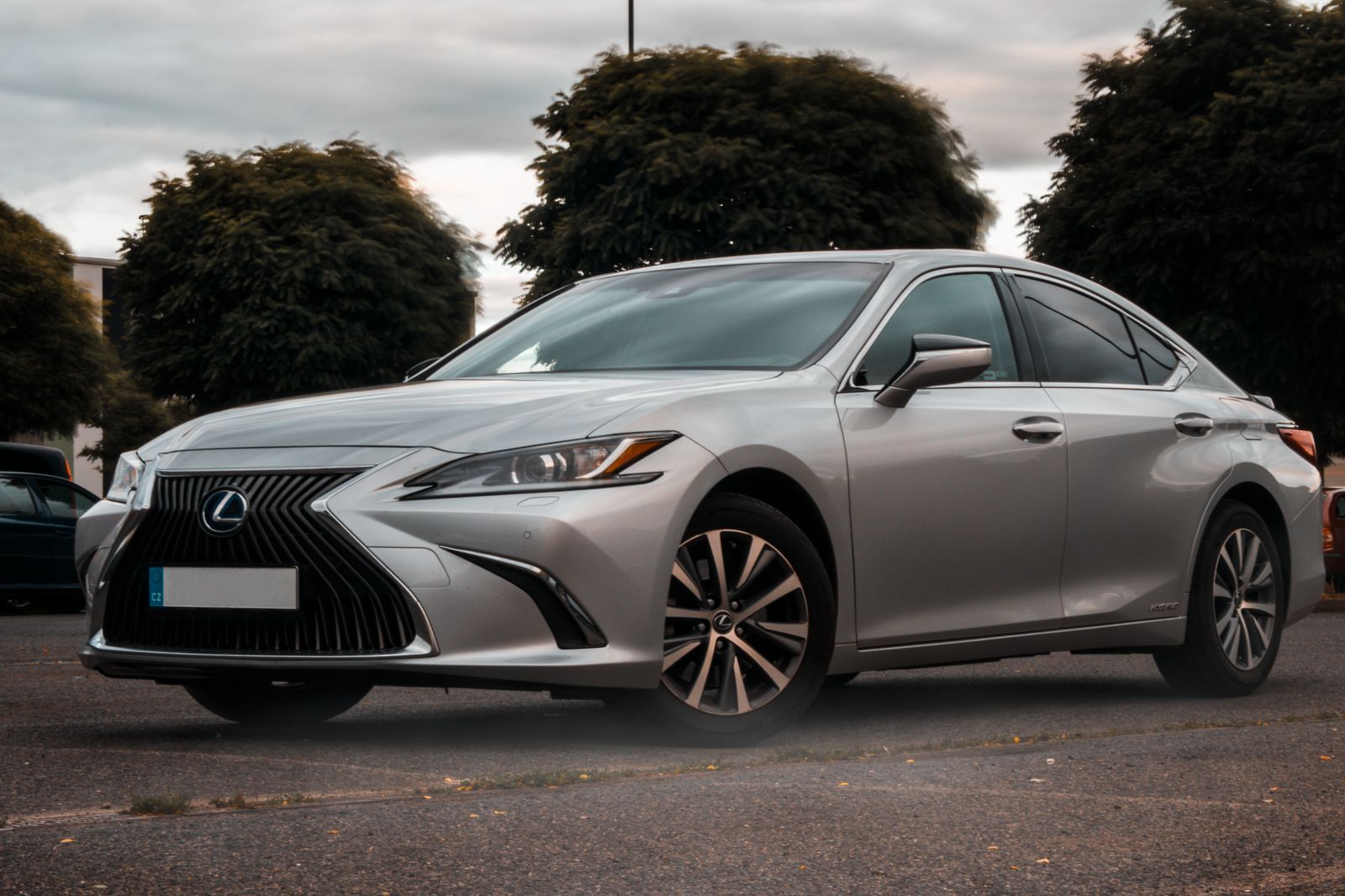
- Two travellers: a sedan at Rs 72/km, or a premium sedan such as a Honda City at Rs 96/km for more boot space.
- Three to five: an Innova Crysta at Rs 114/km. It is the best all-round hill car, with good ground clearance and a strong engine for the Mussoorie climb.
- Comfort seekers: a Toyota Fortuner at Rs 168/km rides well on broken tarmac and has four-wheel drive options for snow days.
- Groups of eight to twelve: a Tempo Traveller at Rs 156/km handles the ridge fine, driven slowly, though it parks at the wider points in Landour.
See every model on the fleet page. All cars are within four model years, with luggage carriers available on request.
Beds on this route
The six nights split into three temple-town nights, two hill nights and one city night. In Haridwar, riverside hotels and ashram guesthouses near Har Ki Pauri save you a drive back after the aarti. Rishikesh rewards staying in Tapovan or on the ashram bank, or upstream at a riverside camp if you are rafting. In Mussoorie, choose between the lively Mall end, the cottage lanes of Landour or larger resorts with parking on the outskirts. Dhanaulti has a small number of hotels, forest rest-house style lodges and homestays; rooms are limited, so book early for weekends and snow season. Dehradun has business hotels along Rajpur Road and near the clock tower.
Our travel desk can hold rooms across all five towns and send a single quote including the car, or you can book the car alone and arrange stays yourself.
Extending the trip
Two popular add-ons: a night at the Rishikesh riverside camps for a second rafting day, or a detour to Chakrata and Tiger Falls from Dehradun. Travellers with a week can follow the ridge further to Tehri lake. For Kumaon instead of Garhwal, start from our Nainital by road guide. The Mussoorie by road guide has more on the hill station itself.
Fare method and booking
Billable kilometres are whichever is greater: the real driving, roughly 800 km including sightseeing runs, or 250 km for each of the six days. Here that floor is 1,500 km, and it is multiplied by the per-km rate of your chosen car. The driver's night allowance runs Rs 3,000 per night, and tolls, state entry tax and parking are charged at actual cost, plus 5% GST. The fares page explains the method in full.
Reserve online at /book/ and pay by card or UPI; for an all-inclusive quote with hotels, ask the travel desk. Cancel free more than 72 hours before pickup; after that the charge rises to 10%, then 50% inside 48 hours, and the full amount inside 24 hours or on a no-show, as set out in our cancellation policy.