From Delhi, RutzIndia.com runs nine chauffeur-driven tour packages: the Golden Triangle in 4, 5 or 6 days, Rajasthan in 6 or 8, Himachal in 5 or 6 and Uttarakhand in 5 or 6. One car and one chauffeur stay with you throughout, and the car fare is the greater of kilometres driven or 250 km a day, times the class's per-km rate.
Four exits from the capital, four kinds of trip
Most cities have one obvious holiday road. Delhi has four, and each leaves the city by a different door. Knowing which door your circuit uses tells you a lot about the first morning: when the car arrives, how long you sit in city traffic and what the road looks like once you are clear of it.
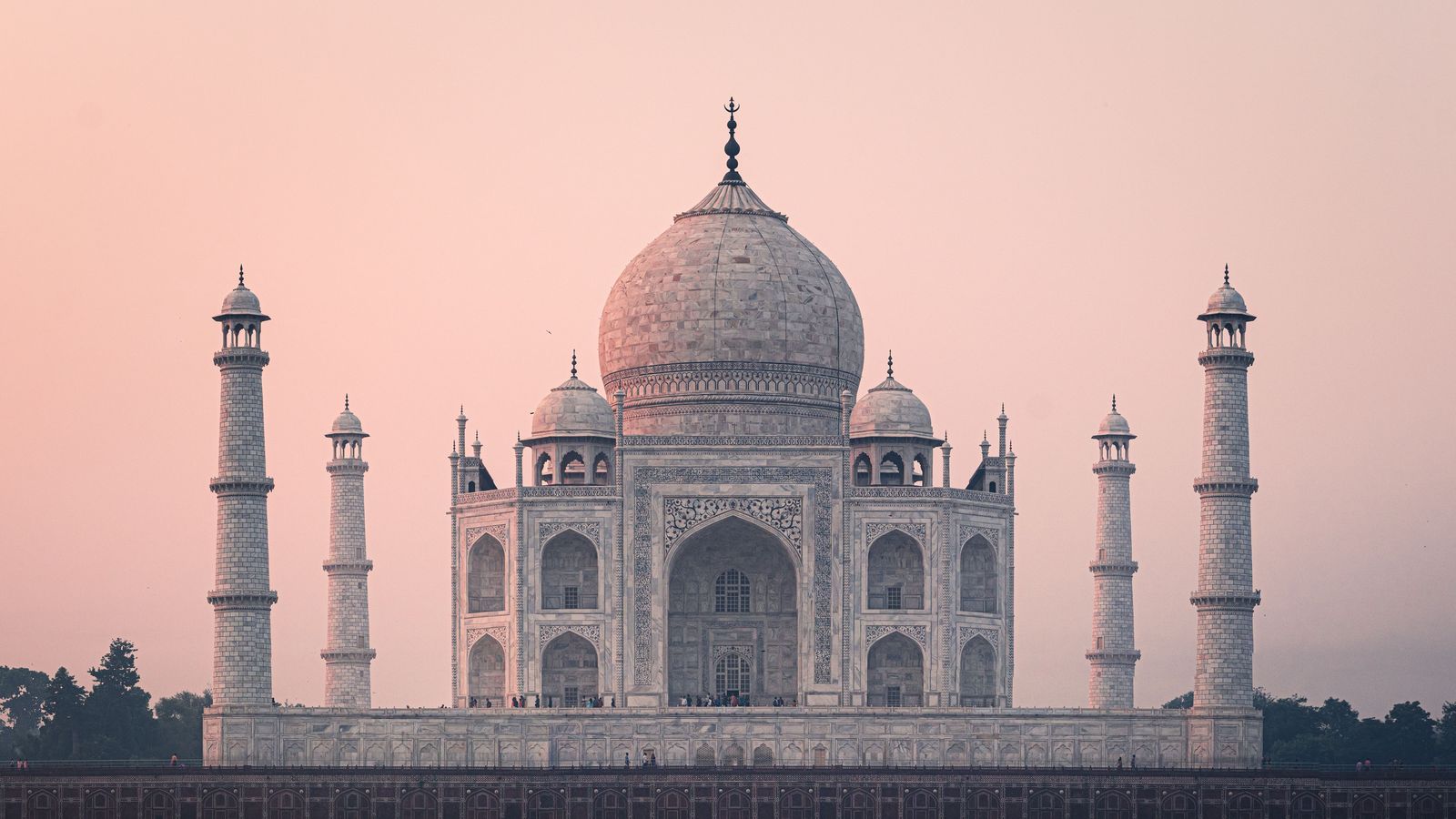
- South-east to Agra. The chauffeur crosses into Noida and joins the Yamuna Expressway at Greater Noida: about 165 km of access-controlled six-lane road straight to the outskirts of Agra. Door to door the Delhi to Agra drive is roughly 233 km and 3 to 3.5 hours when you are rolling by seven. This is the road every Golden Triangle package opens with.
- South-west to Jaipur. NH48 runs out through Gurgaon past Manesar, Neemrana and Behror; about 280 km and five hours on a normal weekday. The Delhi to Jaipur cab route is also how you reach the start of the Rajasthan circuits if you would rather not fly.
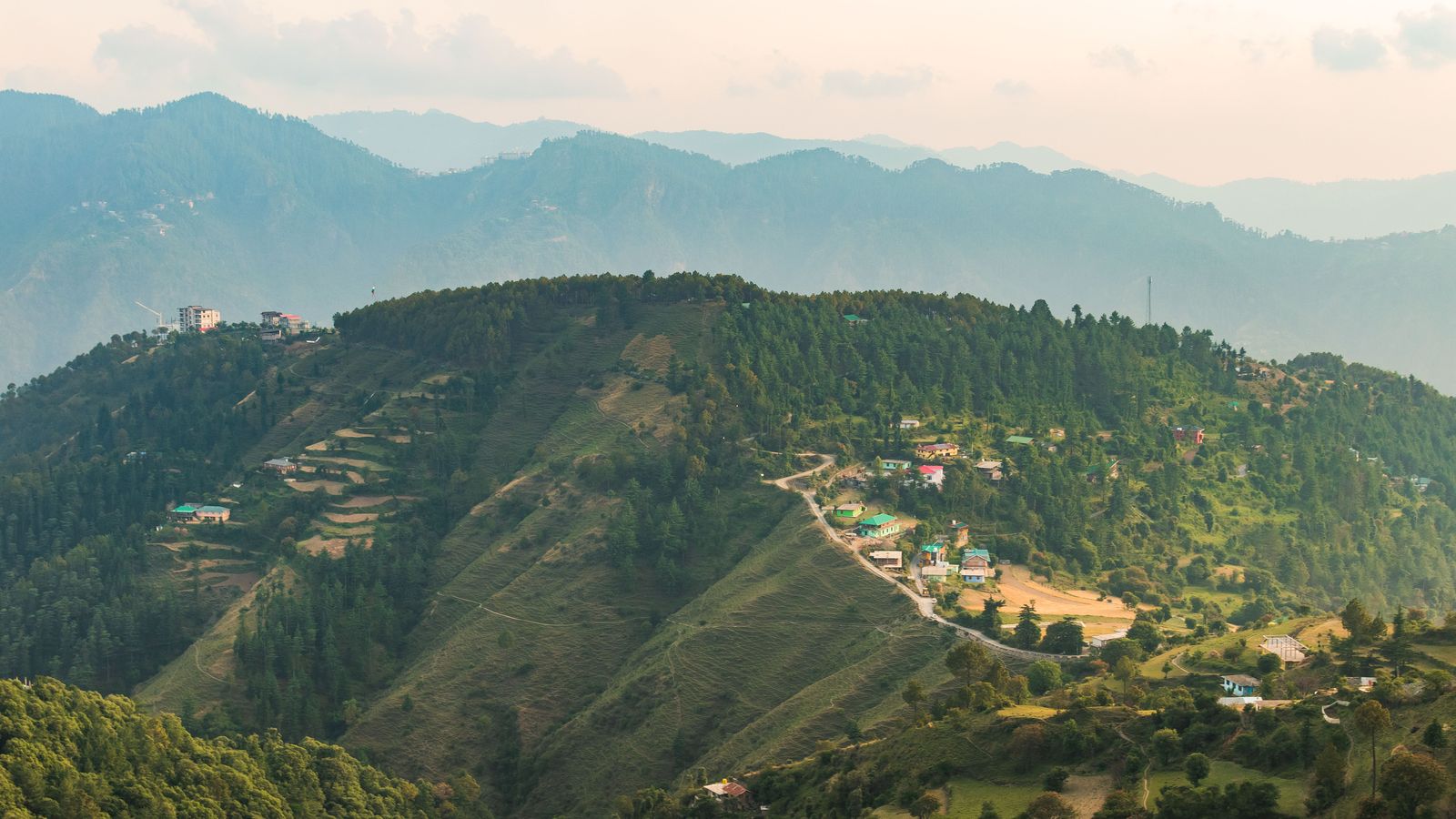
- North to the Himalaya. NH44 climbs gently through Panipat and Karnal to Chandigarh (about 245 km), where the plain ends abruptly at Kalka and the hill road begins. Allow seven hours or more to Shimla; the Delhi to Shimla taxi page has the leg on its own.
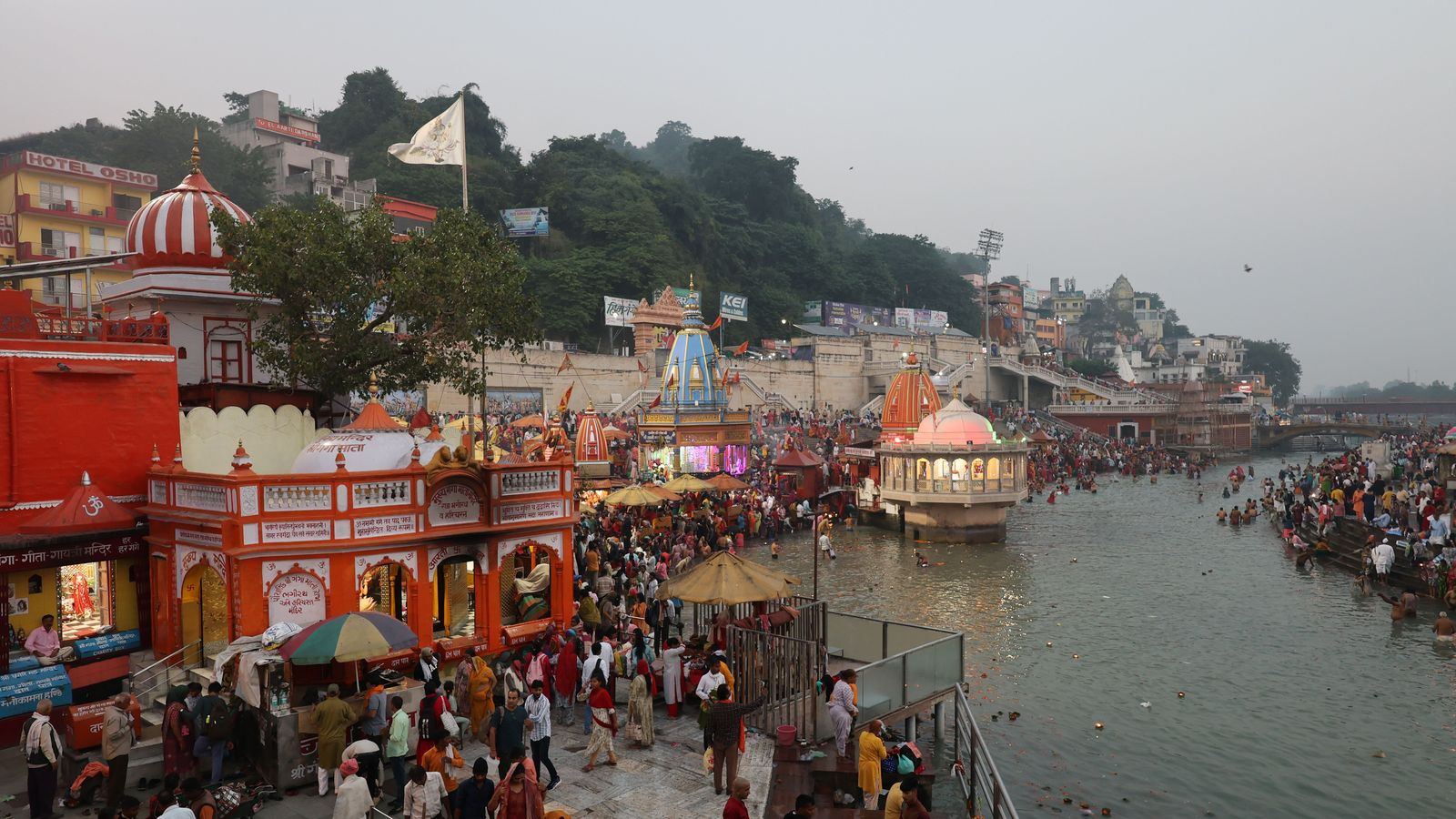
- North-east to the Ganga. The Delhi–Meerut Expressway takes you out past Ghaziabad, then Muzaffarnagar and Roorkee to Haridwar, about 220 km. From there Rishikesh is 25 km upstream and Mussoorie sits above Dehradun. See Delhi to Haridwar and Delhi to Rishikesh for the one-way versions.
Because the exits are so different, the chauffeur plans each first day around the one you are using: before 7 am for Agra to beat the Noida office traffic, mid-morning for Jaipur once the Gurgaon rush has cleared, and early again for the hills, where the last 90 km take as long as the first 250.
Being picked up in Delhi
At the airport. Indira Gandhi International has Terminal 3 for international and most full-service domestic flights and Terminal 1 for the budget carriers; the airport's own site shows which terminal your airline uses. Your chauffeur tracks the flight, waits with a name board and allows 60 minutes free after an international landing and 30 after a domestic one. If you land after 10 pm, we usually suggest a first night in an Aerocity hotel, five minutes from the terminals, and a day-one start after breakfast. You lose nothing on a Golden Triangle and you arrive in Agra awake. Book the arrival alone through our Delhi airport taxi page if you want a buffer day in the city first.
At a station. New Delhi station has two entrances, Paharganj on one side and Ajmeri Gate on the other, and they are a ten-minute crawl apart by car, so tell us which one your coach is nearest. Hazrat Nizamuddin handles many trains from the south and west, Anand Vihar from the east, and Old Delhi from Punjab and the north-west.
From home or a hotel. Anywhere in Delhi, Gurgaon, Noida, Faridabad or Ghaziabad is a normal pickup at no extra charge on a package. For a day or two of city driving before you leave, the Delhi car rental with driver and Delhi taxi service pages price it by the 8-hour or 4-hour block.
Choosing between the nine packages
The cards above list each package with its days, driving distance and starting fare. Here is how to read them against your calendar.
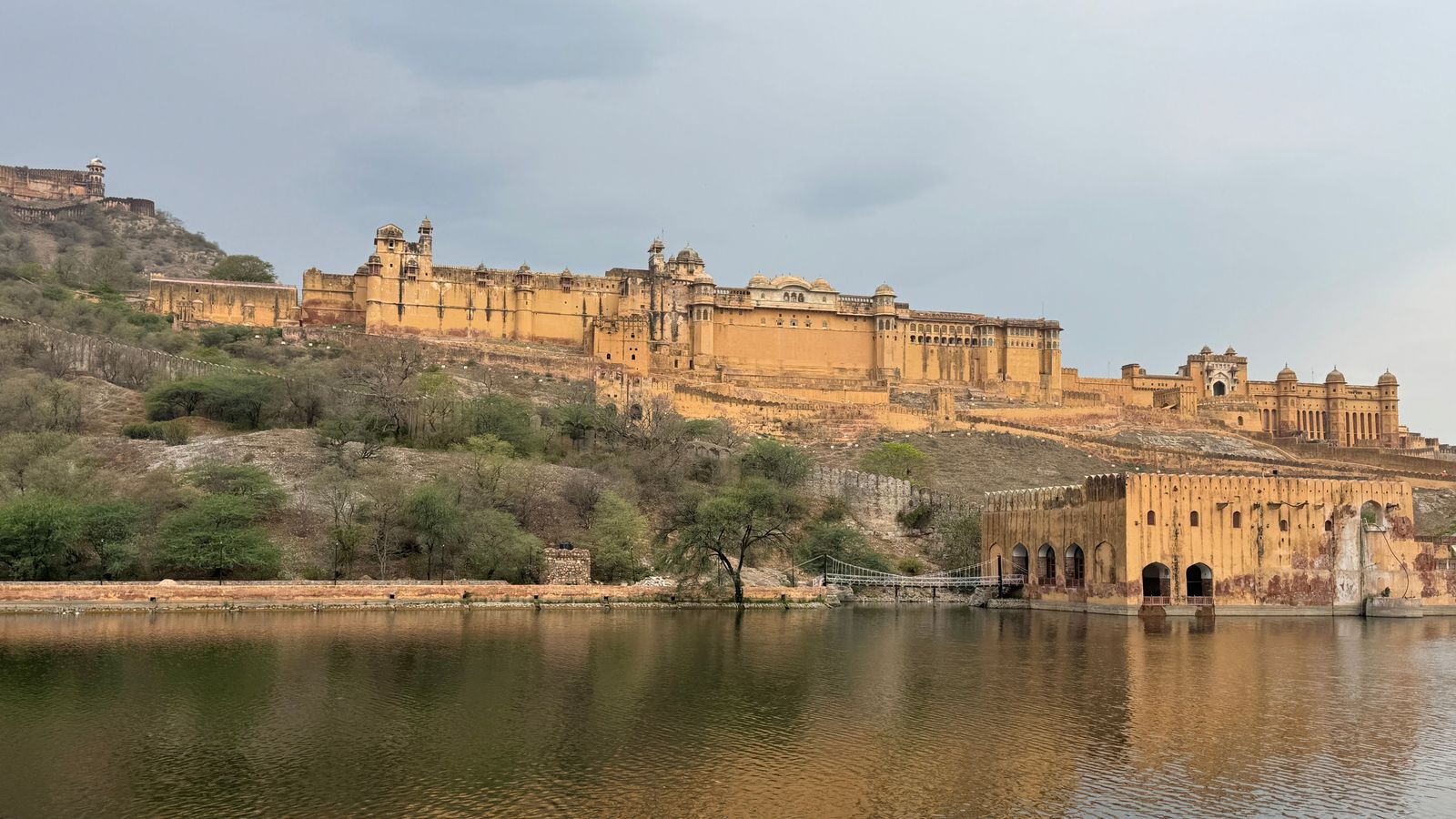
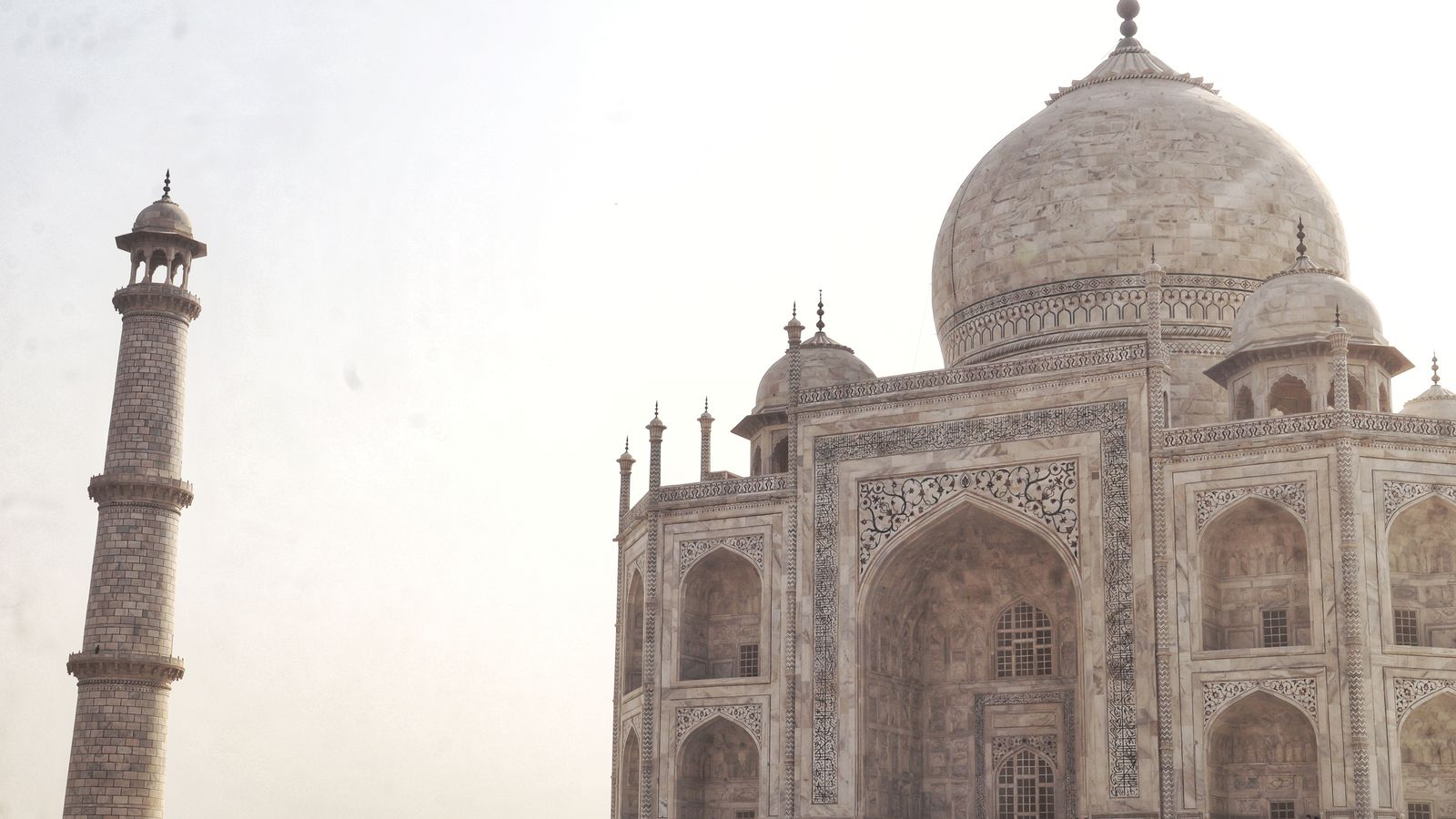
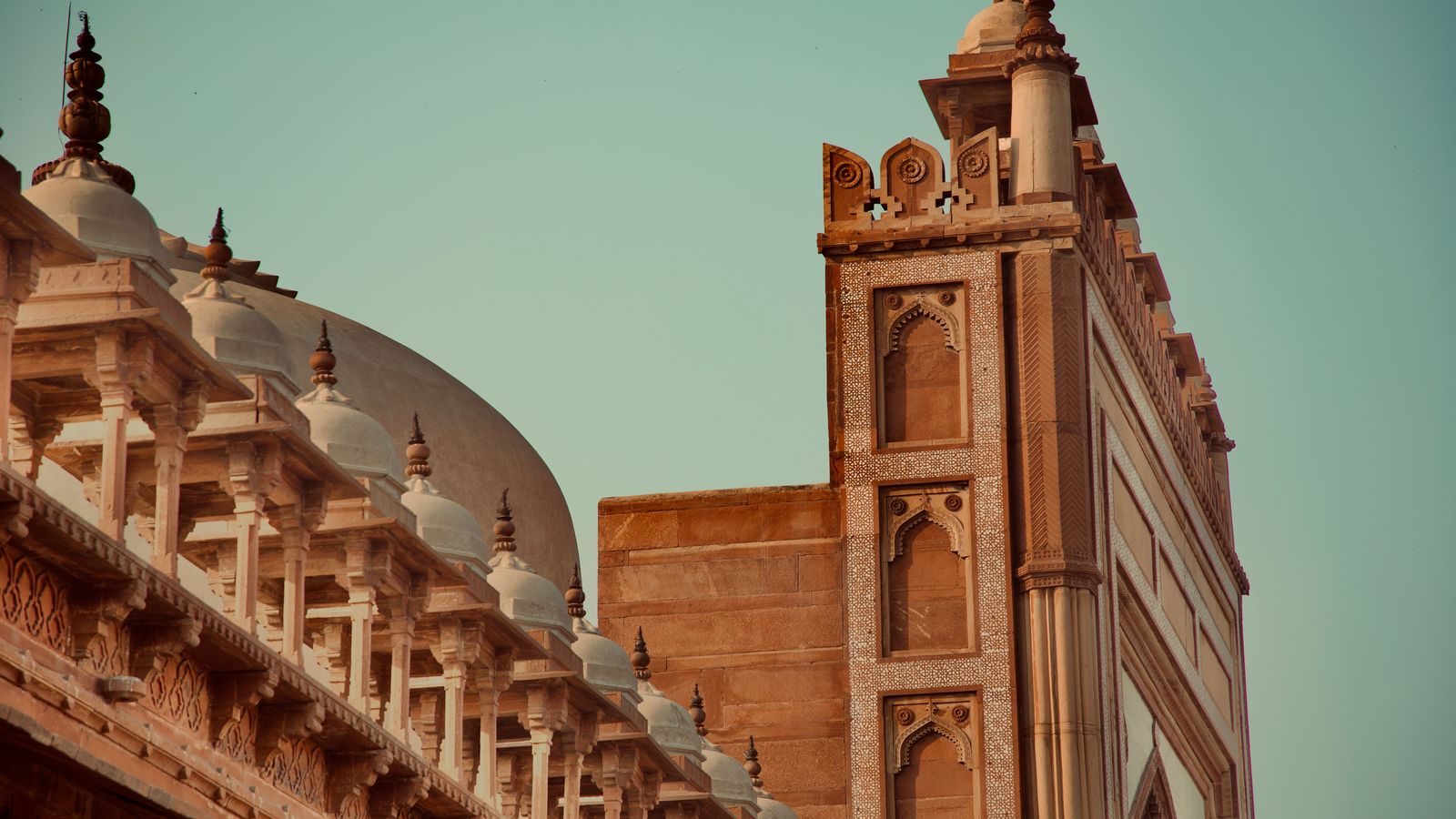
The Golden Triangle, three lengths. The four-day trip suits a long weekend or a business visitor with one free stretch; it is brisk and leaves out Fatehpur Sikri. Five days is the version we steer most people towards because Delhi gets a full day of its own and Jaipur gets two nights. Six days adds a second night in Agra, which means the Taj at opening without a 5 am start, plus the Chand Baori stepwell at Abhaneri. The Golden Triangle package hub compares all three side by side, and our older Golden Triangle by car page covers a flexible version priced as open outstation hire. If you only have one day, the same-day Agra tour is the honest answer.
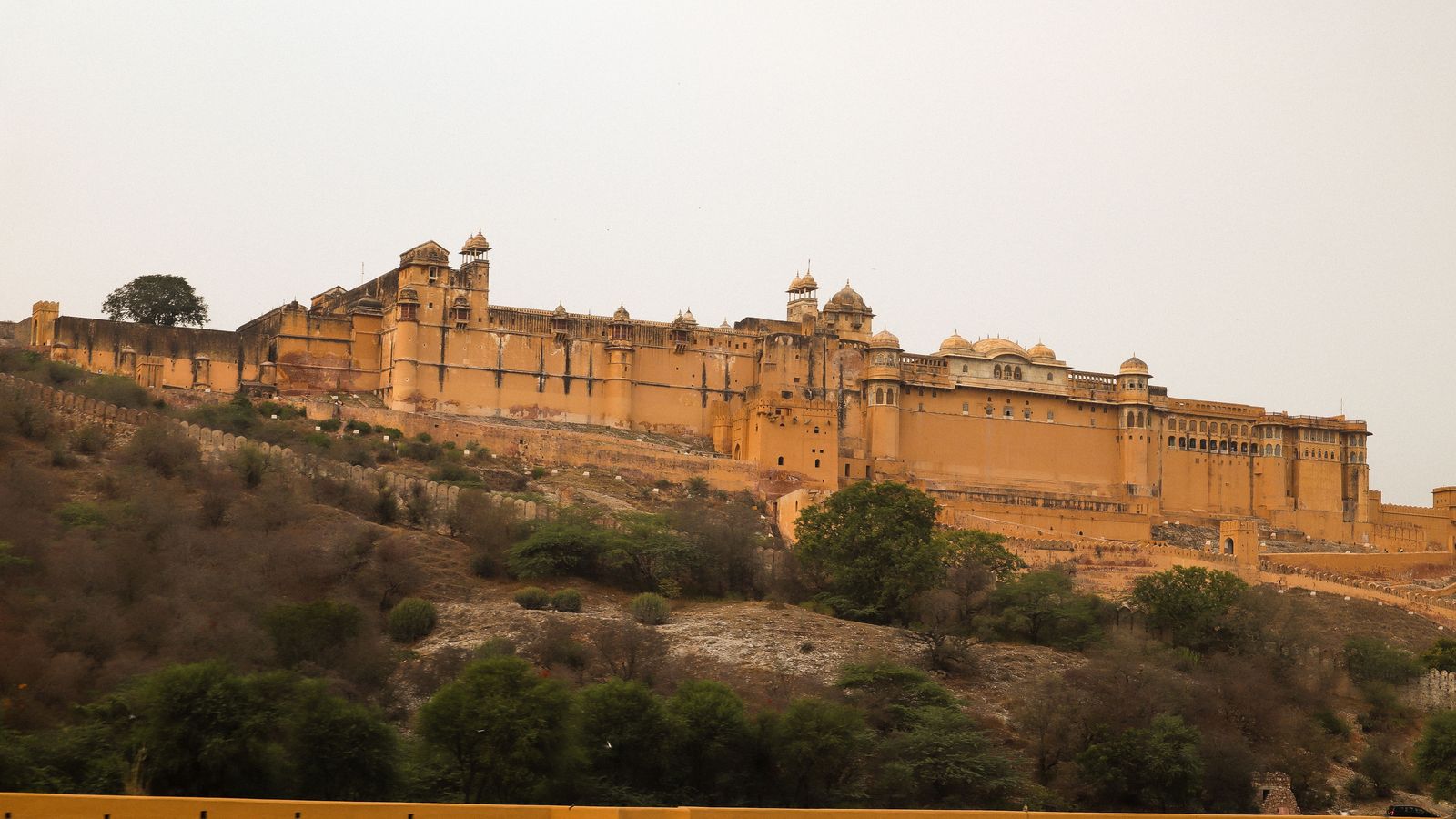
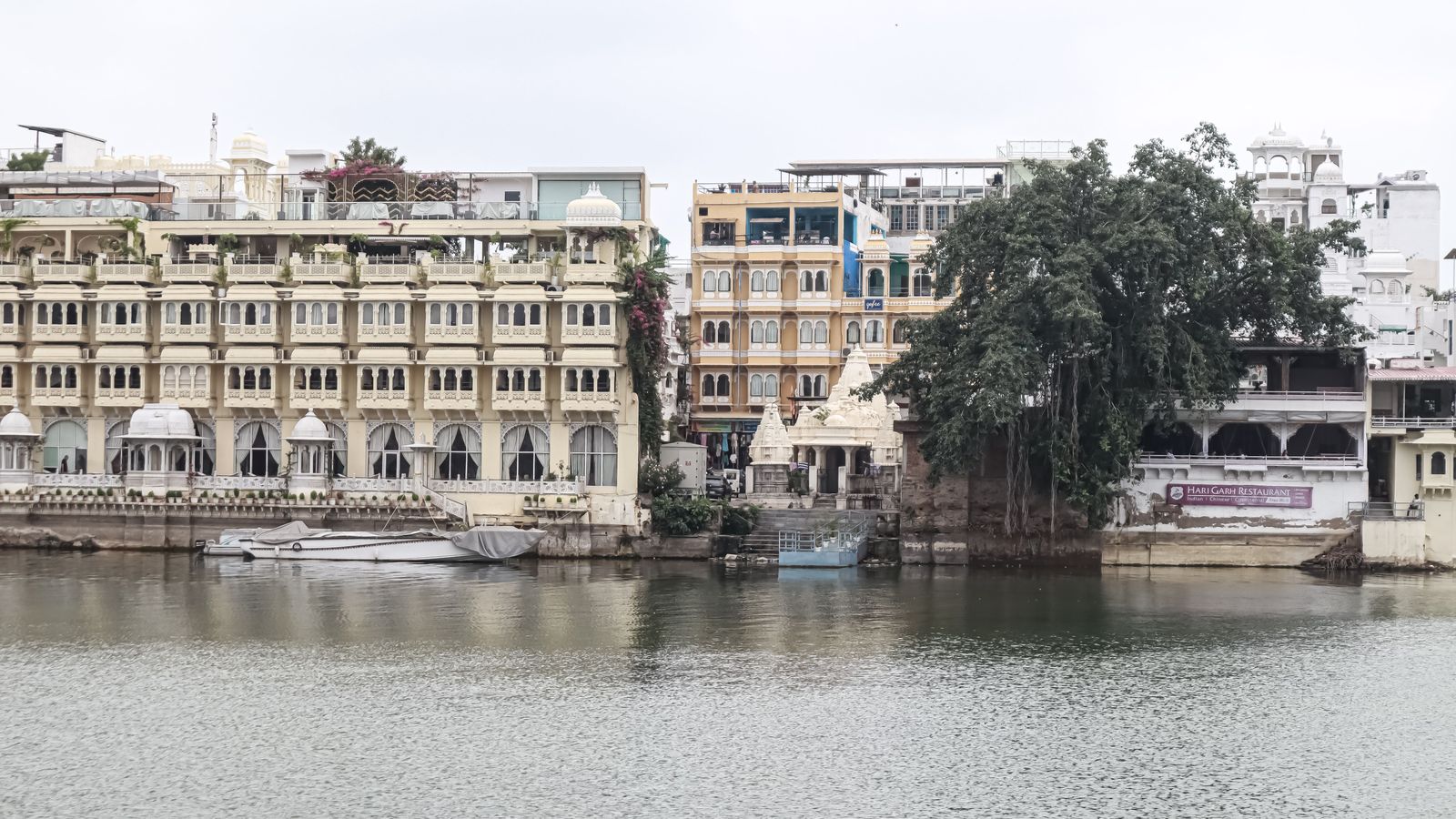
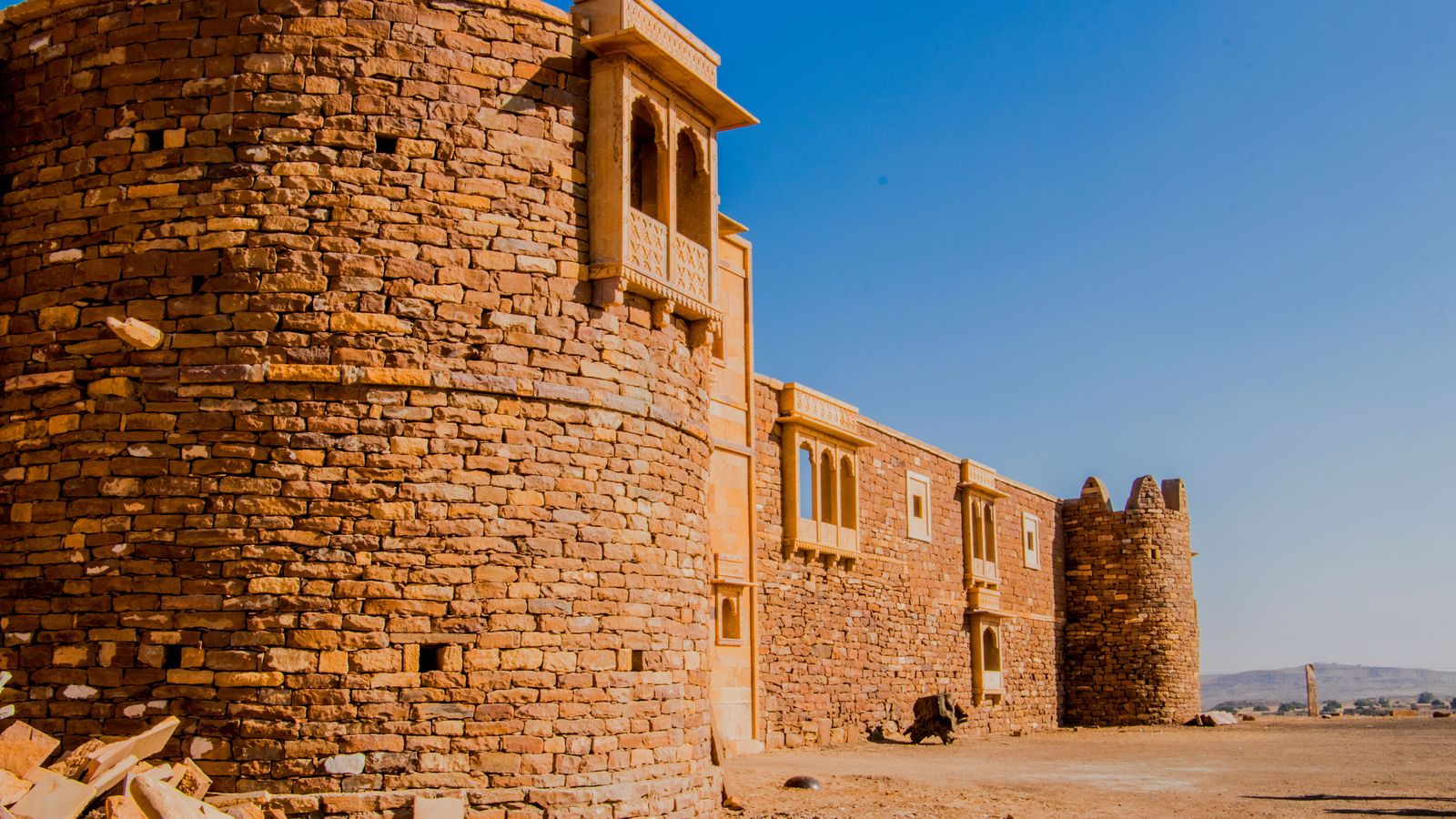
Rajasthan, 6 or 8 days. Both begin in Jaipur rather than Delhi. You can fly or take a morning train and meet the car at Jaipur, or ask the desk to add the Delhi–Jaipur leg by road at the same per-km rate. A neat pairing is a Golden Triangle that ends in Jaipur instead of returning north, followed the next morning by the Rajasthan circuit; the travel desk will stitch the two into one booking. Ten days is available as the Rajasthan package, 10 days, and the open Rajasthan tour by car page covers custom routes.
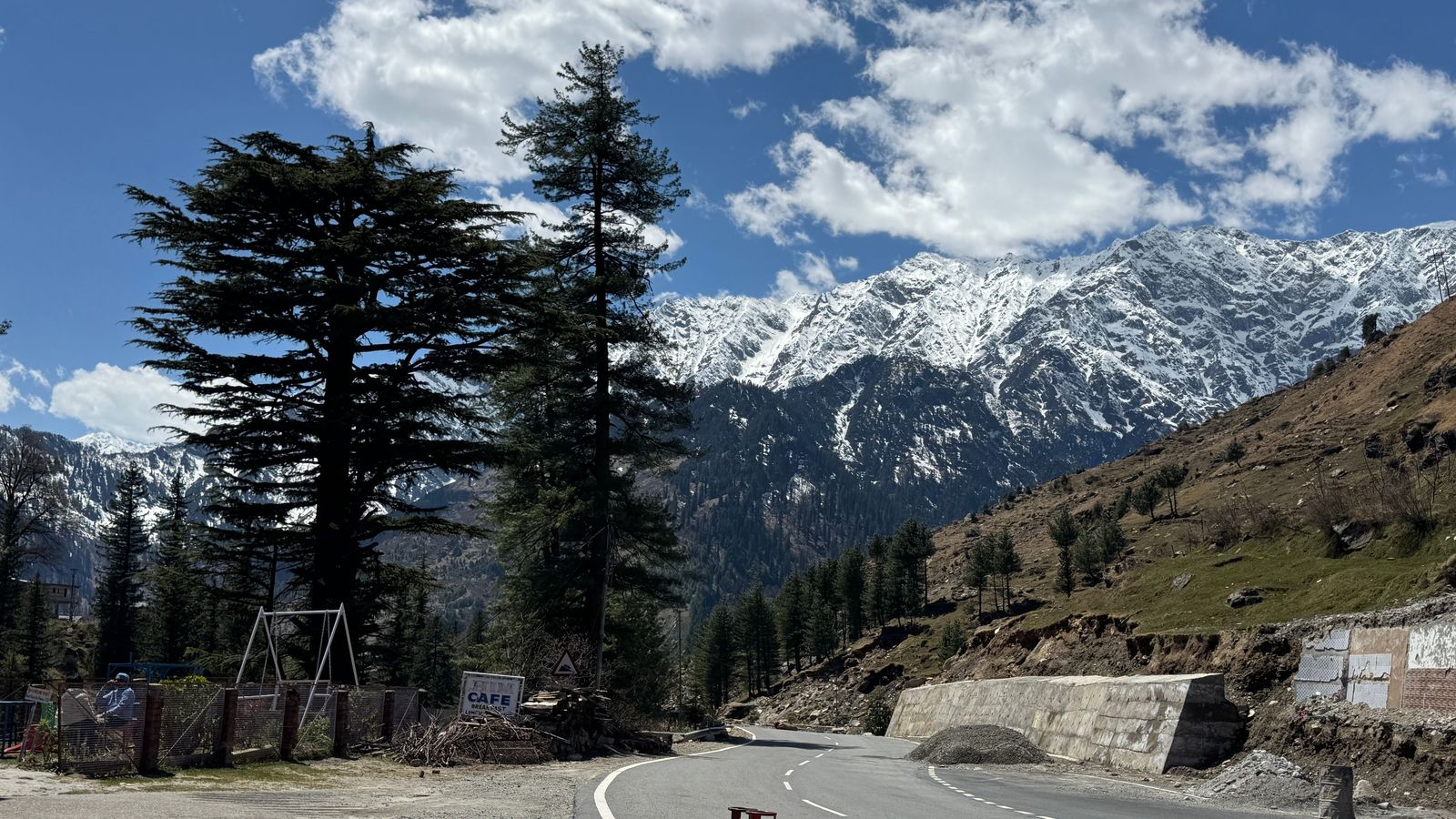
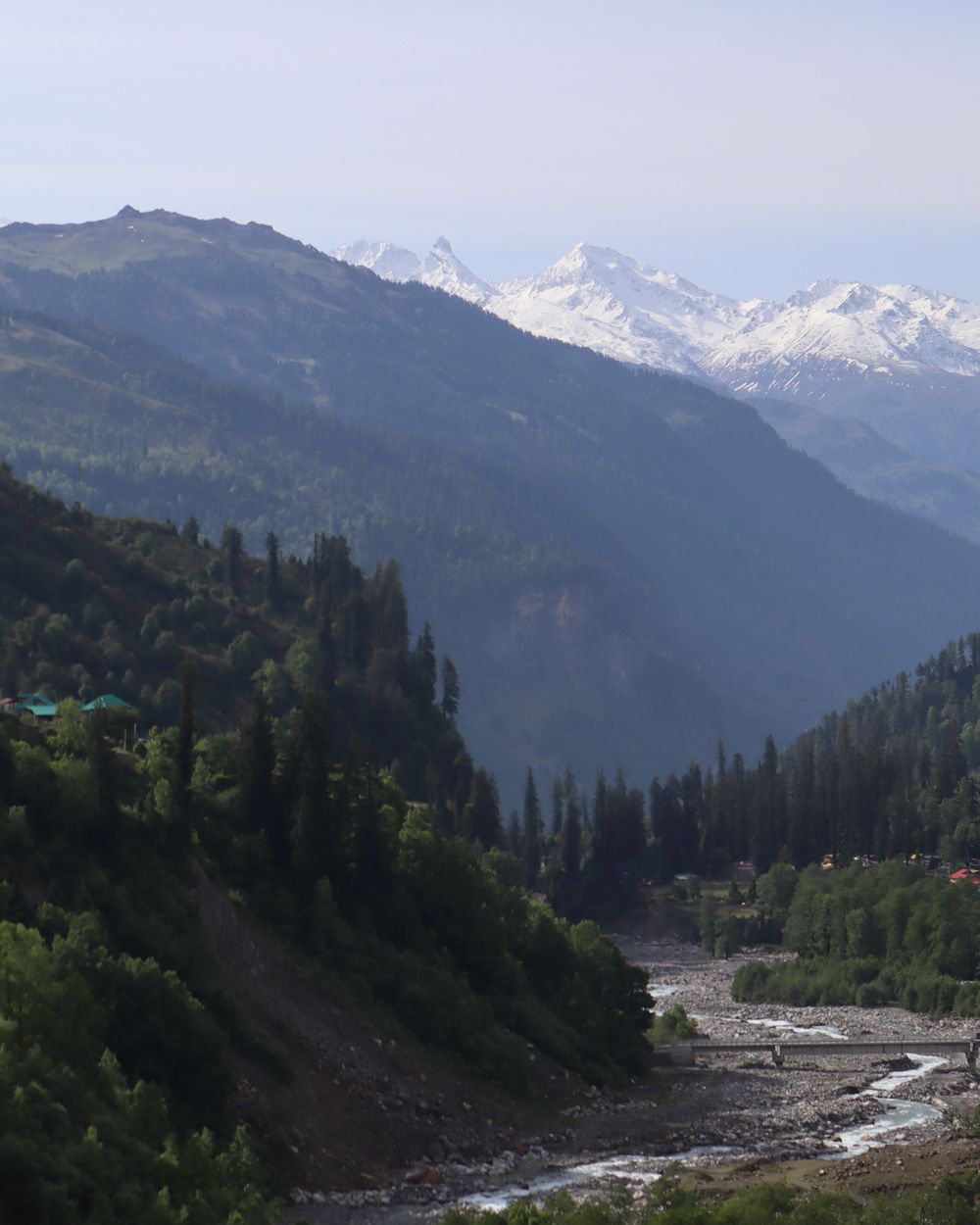
Himachal, 5 or 6 days. The five-day version is really designed for people starting at Chandigarh; from Delhi it front-loads a seven to eight-hour climb and ends with Manali's long descent. The six-day version breaks the return with a night in Chandigarh and is the one we recommend from the capital. There is also a 7-day Himachal package that carries on from Manali to Dharamshala and McLeod Ganj. For shorter hill hops, look at Himachal taxi service.
Uttarakhand, 5 or 6 days. Both are gentle: Haridwar, Rishikesh and Mussoorie, with the six-day trip adding Dhanaulti and Dehradun. They suit families with grandparents and anyone who wants the Ganga without the Char Dham climb.
Delhi weather, fog and the dates that fill up
October to March is the season for the plains. Days are clear and warm, evenings cool, and the Golden Triangle and Rajasthan are at their best. The catch is fog: from mid-December to late January the Yamuna Expressway and NH44 can sit under thick fog until mid-morning, and the authorities lower expressway speed limits in those weeks. On a foggy morning the chauffeur may hold departure for an hour; that is the right call, not a delay.
April to June is hot on the plains, sometimes above 45°C in Delhi and Agra, so the hills take over. Shimla and Manali are full in May and June when North Indian schools close, and again between Christmas and New Year for the snow. July to September brings the monsoon; landslides can close hill roads in Himachal and Uttarakhand for hours. The Kanwar Yatra in the month of Shravan (July–August) diverts traffic on the Meerut–Haridwar road for roughly two weeks, and we reroute or reschedule Uttarakhand trips around it.
Three more things matter. The Taj Mahal is closed to visitors every Friday, so every Golden Triangle is planned to avoid being in Agra on that day; the official Taj Mahal site posts the timings. Diwali and Holi weekends are heavy on every road out of Delhi. And in winter, when Delhi's air-quality plan tightens, older diesel cars can be ordered off the road; our cars are all within four model years and meet the BS-VI standard, so a pollution alert does not strand your tour.
Which car to take out of Delhi
The package pages show a fare for seven car classes. As a rule of thumb from Delhi:
- Compact sedan (Swift Dzire, Honda Amaze), Rs 72 per km. Two people and two large cases. Fine for the Golden Triangle and Uttarakhand.
- Ertiga or Kia Carens, Rs 84 per km. Three or four passengers with moderate luggage.
- Innova Crysta or Hycross, Rs 114 per km. Four to six people, and the car we suggest for Himachal: more ground clearance, a stronger engine on the climbs and room for jackets and snow boots. See Innova Crysta on rent in Delhi.
- Toyota Fortuner, Rs 168 per km. Four adults who want a bigger SUV for the mountains.
- Mercedes E-Class and peers, Rs 330 per km. Executives and anniversary trips on the Golden Triangle.
- Tempo Traveller, Rs 156 per km, or Force Urbania, Rs 204 per km. Groups of 9 to 16; the Delhi Tempo Traveller page lists seat layouts.
Every class is on the fleet page. For weddings or corporate groups travelling together, two cars on the same circuit is often more comfortable than one large van.

How the car fare is built
The fare shown on each package is transparent arithmetic. We take the kilometres the itinerary actually drives, compare them with the outstation minimum of 250 km for every calendar day, bill the larger figure and multiply it by the class's per-km rate. A four-day trip therefore bills at least 1,000 km even if the Golden Triangle loop is shorter, and an eight-day Rajasthan circuit bills its real distance because it is longer than the minimum. On top come the driver's night allowance (Rs 3,000 a night), tolls, state entry permits for Rajasthan, Himachal and Uttarakhand, and parking, all at actual cost, and 5% GST. You pay by card or UPI through the booker and get a GST invoice, which matters to company travel desks.
Adding to a Delhi circuit
- Mathura and Vrindavan fit on the Agra day of any Golden Triangle; see Delhi to Vrindavan and the Vrindavan road guide.
- Amritsar and the Golden Temple: the Punjab package, 4 days or a one-way Delhi to Amritsar car.
- The Char Dham from May to October: Char Dham yatra by car. The Uttarakhand tourism board publishes the temple opening dates.
- Nainital and the Kumaon lakes: Delhi to Nainital.
- Ranthambore between Jaipur and the rest of Rajasthan: read the Ranthambore road guide.
Booking a package from Delhi
Choose the package and the car on the web booker and the fare is fixed before you pay. If you want hotels, breakfasts, monument tickets and a guide wrapped in, send the dates and hotel category to the travel desk for a written, itemised quote. Cancellation is free until 72 hours before pickup, then 10% within 72 hours, 50% within 48 hours and 100% within 24 hours or on a no-show; the full wording is on the cancellation policy page. Other starting cities are listed on the tour packages hub.