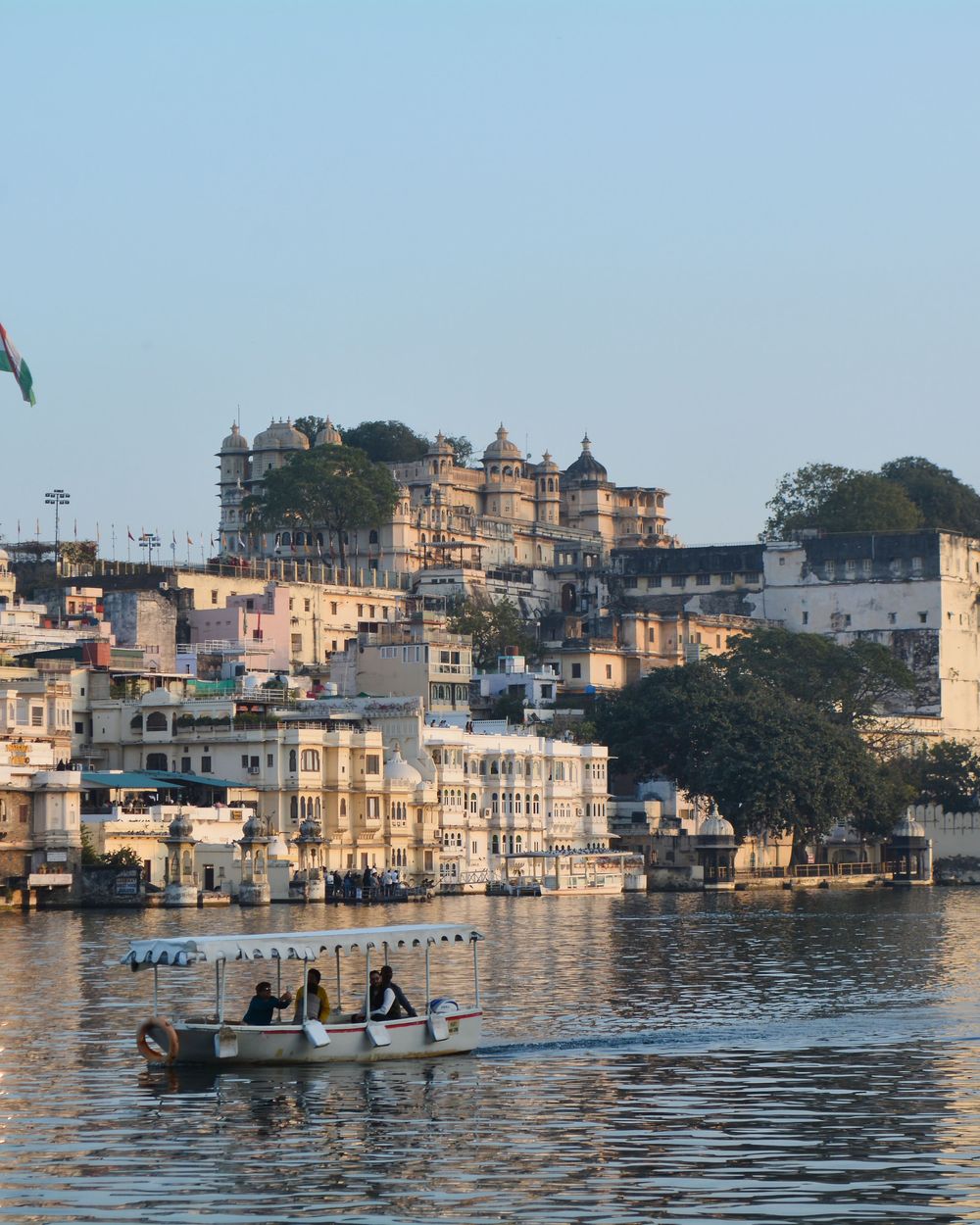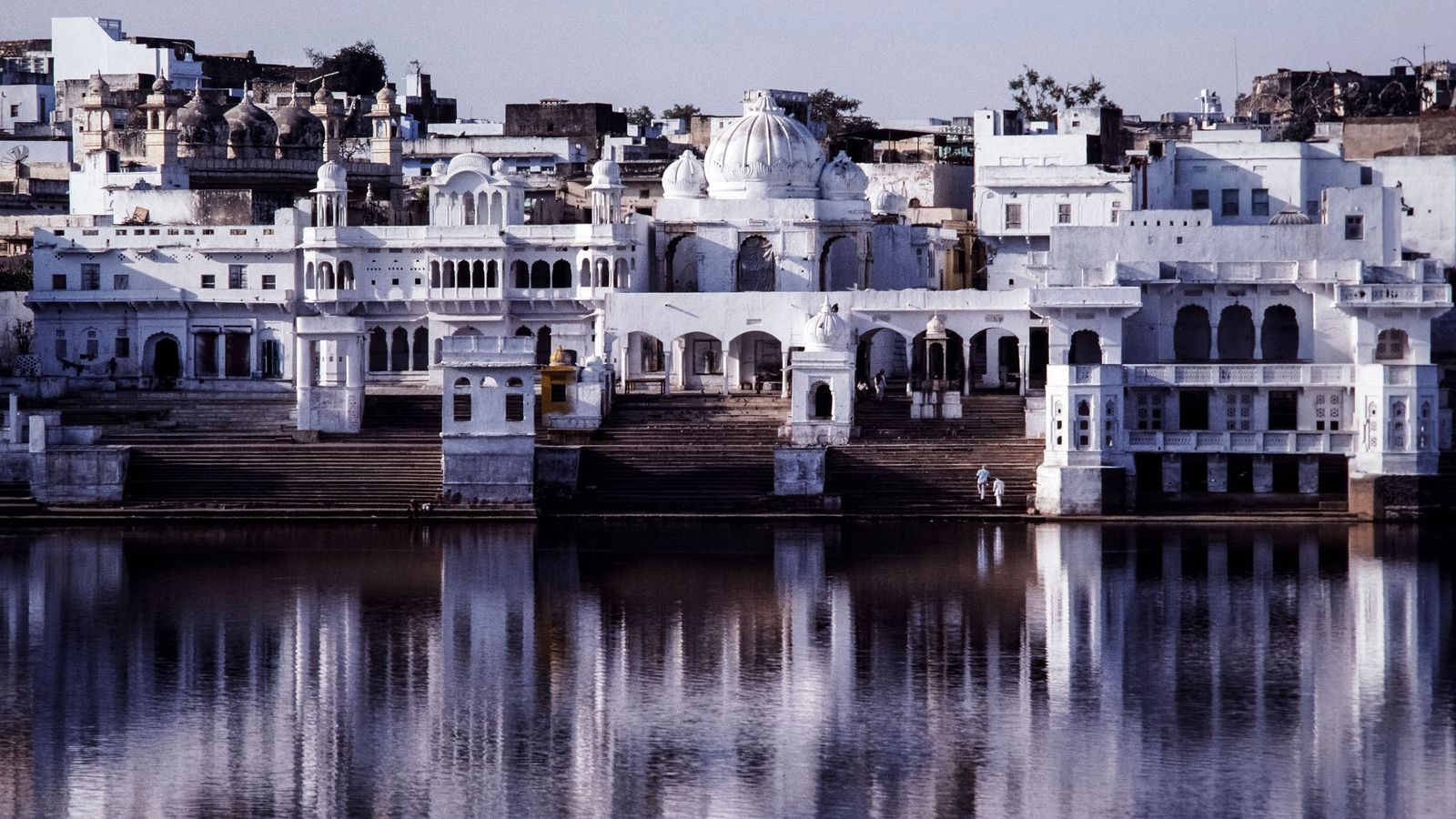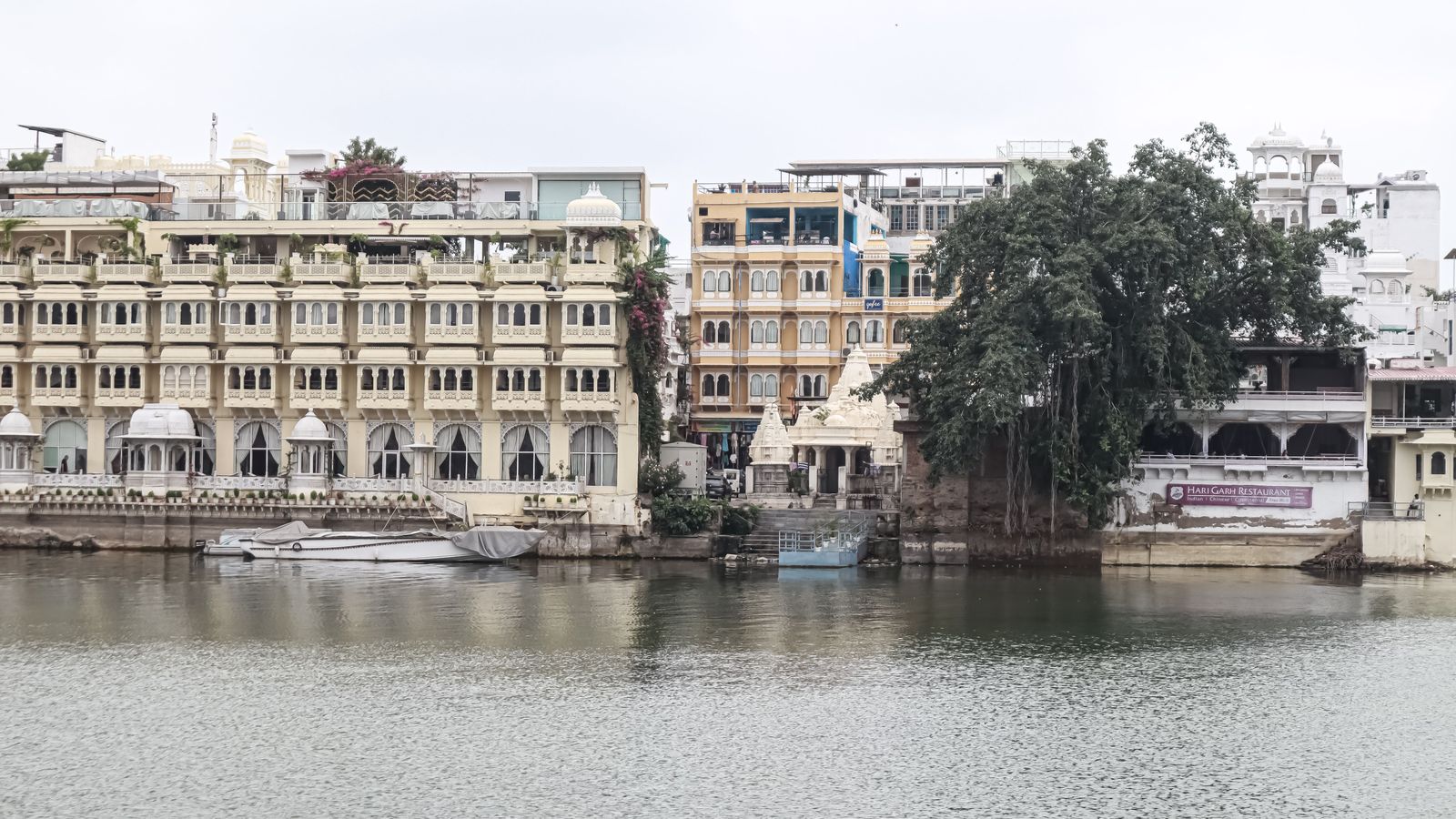
This Rajasthan tour package covers Jaipur, Jodhpur and Udaipur in 6 days and 5 nights, with one private car and one chauffeur from start to finish. The car is billed per kilometre at published rates, on the greater of the distance driven or 250 km a day; hotels, meals and entry tickets are quoted separately.
Six days is the shortest length at which Rajasthan still feels like a journey rather than a checklist. You get two nights in Jaipur, two in Jodhpur and one in Udaipur, and only two days on which the car covers real distance. Everything else is short city driving with the chauffeur waiting while you walk.
Who the six-day version suits, and who should go longer
This plan is built for a first visit when you have roughly a week of leave: couples, friends travelling together, and families with children who would rather not spend more than two days in the car. It shows you the pink city, the blue city and the lake city, which is what most people picture when they think of Rajasthan.
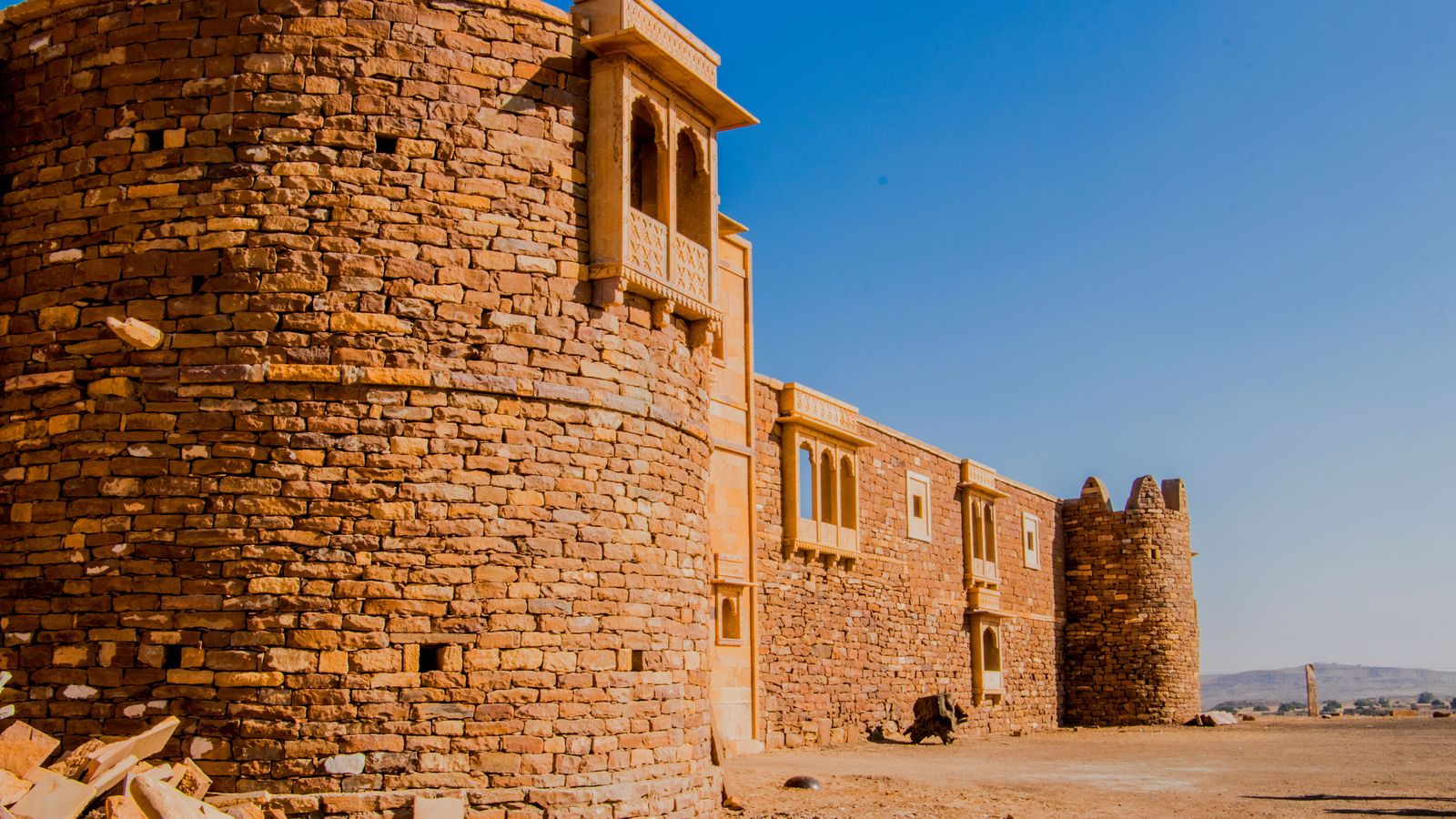
What it leaves out is the Thar desert proper. If sleeping near the dunes or seeing Jaisalmer's golden fort is on your list, the 8-day Rajasthan package adds the desert leg. If you want Bikaner, the painted towns of Shekhawati and the ruined citadel of Chittorgarh, and you dislike long road days, the 10-day version spreads the same state over more nights with no drive much above six hours.
Arriving in Delhi rather than Jaipur? Add the morning run on our Delhi to Jaipur taxi route (about 280 km), or pair this plan with the Golden Triangle package so Agra comes first. For a looser, build-your-own trip without a fixed day plan, the Rajasthan tour by car page explains how open-ended touring is billed.
Why this plan leaves you spare kilometres
Package cars are charged on billable kilometres, and billable kilometres are whichever is larger: the distance actually driven, or 250 km for each calendar day the car is with you. Over six days that minimum is 1,500 km. This itinerary drives only about 800 km, so the minimum is what you pay for, whatever you do inside it.
That has a useful side effect. Roughly 700 km of paid-for driving is sitting unused, and you can spend some of it without changing the fare:
- Pushkar on the Jodhpur day costs almost nothing in distance. Our Pushkar by road guide covers the lake and the camel fair.
- Kumbhalgarh can replace Ranakpur on day five if walls and ramparts interest you more than carved marble; see the Kumbhalgarh road guide.
- Chittorgarh is a day trip of about 230 km there and back from Udaipur if you add a seventh day. The extra day raises the minimum by 250 km, so the trip itself fits inside it.
- Closing the loop from Udaipur back to Jaipur is about 395 km, the same road as our Jaipur to Udaipur taxi run in reverse.
The per-km class rates are the ones on the fares page: Rs 72 for a sedan, Rs 84 for an Ertiga, Rs 114 for an Innova Crysta, Rs 170 for a Fortuner, Rs 330 for an E-Class, Rs 160 for a Tempo Traveller and Rs 200 for a Force Urbania. On top come the chauffeur's night allowance of Rs 3,000 a night, tolls, parking and any state permit at actual cost, and 5% GST. The fare table on this page does the multiplication for every class.
The two road days, in detail
Jaipur to Jodhpur. The first stretch towards Kishangarh, the marble-trading town, is a wide tolled highway; you pass the Ajmer turn and continue through Beawar. The chauffeur usually plans a tea stop around Kishangarh or Beawar, where fuel, clean washrooms and dhabas are easy to find. The last part into Jodhpur is flatter and emptier. Leave by eight and you arrive with daylight in hand even after a Pushkar stop.
Jodhpur to Udaipur via Ranakpur. The first half runs south-east through Pali on good road. After the turn for Sadri and Ranakpur it narrows and climbs into the Aravallis, and the final stretch from Ranakpur towards Udaipur is a slow, curving hill road through forest where overtaking is rarely sensible. Your chauffeur will want to be off that section before dark, which is another reason to reach Ranakpur by late morning. Cattle and goats wander onto rural roads across Rajasthan at dusk; a good driver slows for every village.
Rajasthan chauffeurs drive with the headlights on and the horn in constant, polite use. If the pace feels too quick or too slow, say so; the car is yours for the day, and stops for photographs, chai or a roadside stepwell cost nothing.
Where to stay in each city
We do not bundle hotels into the car fare. You can book your own, or ask the travel desk for an all-inclusive written quote that adds stays, breakfasts, entries and guides. Either way, it helps to know the districts.
- Jaipur: heritage havelis inside and just outside the walled city put you within walking distance of the bazaars; C-Scheme and Civil Lines have business hotels with easy parking; the palace resorts on the Amber and Delhi roads suit anyone who wants a pool and quiet. Our Jaipur taxi service page lists local hourly rates if you stay on.
- Jodhpur: small haveli hotels cluster in the old town right under Mehrangarh. The lanes are narrow, so the car may stop at a gate while staff carry the bags. Newer hotels on the wider roads south of the old city are simpler for a large vehicle.
- Udaipur: guesthouses and boutique hotels around Lal Ghat and Gangaur Ghat face the lake; the Fateh Sagar side is calmer and has more room to park; the grand lake-palace hotels need booking well ahead in winter.
When to travel: October to March, and the weeks to plan around
The comfortable season runs from October to March, with warm, dry days and cool nights. December and January mornings in Jodhpur can be sharply cold, so pack a layer. From April to June daytime heat regularly passes 40 degrees Celsius, and sightseeing shrinks to early mornings and evenings. July to September brings the monsoon: the Aravallis turn green, Udaipur's lakes fill, and hotel rates fall. The car rate does not change by season.
The weeks that fill hotels are Diwali, the Christmas to New Year stretch, and the winter wedding season from November to February, when Udaipur and Jaipur palaces host large celebrations. The Pushkar camel fair falls in the Hindu month of Kartik, usually late October or November; the Pushkar Fair moves each year with the lunar calendar. Holi in March is joyful and messy, so plan a quiet morning. The Rajasthan tourism department publishes festival dates and monument timings, including those for Jaipur's composite monument ticket.
Choosing the car
- Two travellers: a compact sedan such as a Swift Dzire takes two large suitcases comfortably and is the lightest on the fare.
- Three or four: an Ertiga gives a third row for bags or a child seat.
- Four to six, or anyone who values legroom: the Innova Crysta is the default Rajasthan touring car, and its captain seats make the Ranakpur hill road far easier.
- Groups of nine or more: a Tempo Traveller from our Jaipur tempo traveller fleet, or a Force Urbania for a quieter ride. Large vans park at the edge of the old quarters in Jodhpur and Udaipur, so plan on short walks.
Every car is within four model years and comes with a uniformed chauffeur who knows the route. The full line-up, including luxury saloons, is on the fleet page.
Booking, paying and cancelling
There are two ways in. Book the car and chauffeur yourself through the online booker, paying by card or UPI; you receive a confirmation and, for companies, a GST invoice. Or ask the travel desk to build the whole trip, hotels included, and send a written quote before you pay anything.
Cancellation follows our standard cancellation policy: free more than 72 hours before pickup, 10% within 72 hours, 50% within 48 hours, and 100% within 24 hours or on a no-show. If your flight into Jaipur is delayed, the chauffeur tracks it and waits: 30 minutes free after a domestic arrival and 60 minutes after an international one.
For more of the state at a slower pace, the Mehrangarh and Ranakpur temple articles are good background reading before you go.