The 5-day Golden Triangle tour package spends four nights between Delhi, Agra and Jaipur, stopping at Fatehpur Sikri on the way west and giving Jaipur two nights. It drives about 900 km in one private car with one chauffeur. Car fare is 1,250 billable km (five days at 250 km) times the per-km rate of your class.
Why five days is the sweet spot
If you asked our chauffeurs which version of the Triangle they would choose for their own relatives, most would say this one. It fixes the two weak points of the short version without adding much cost.
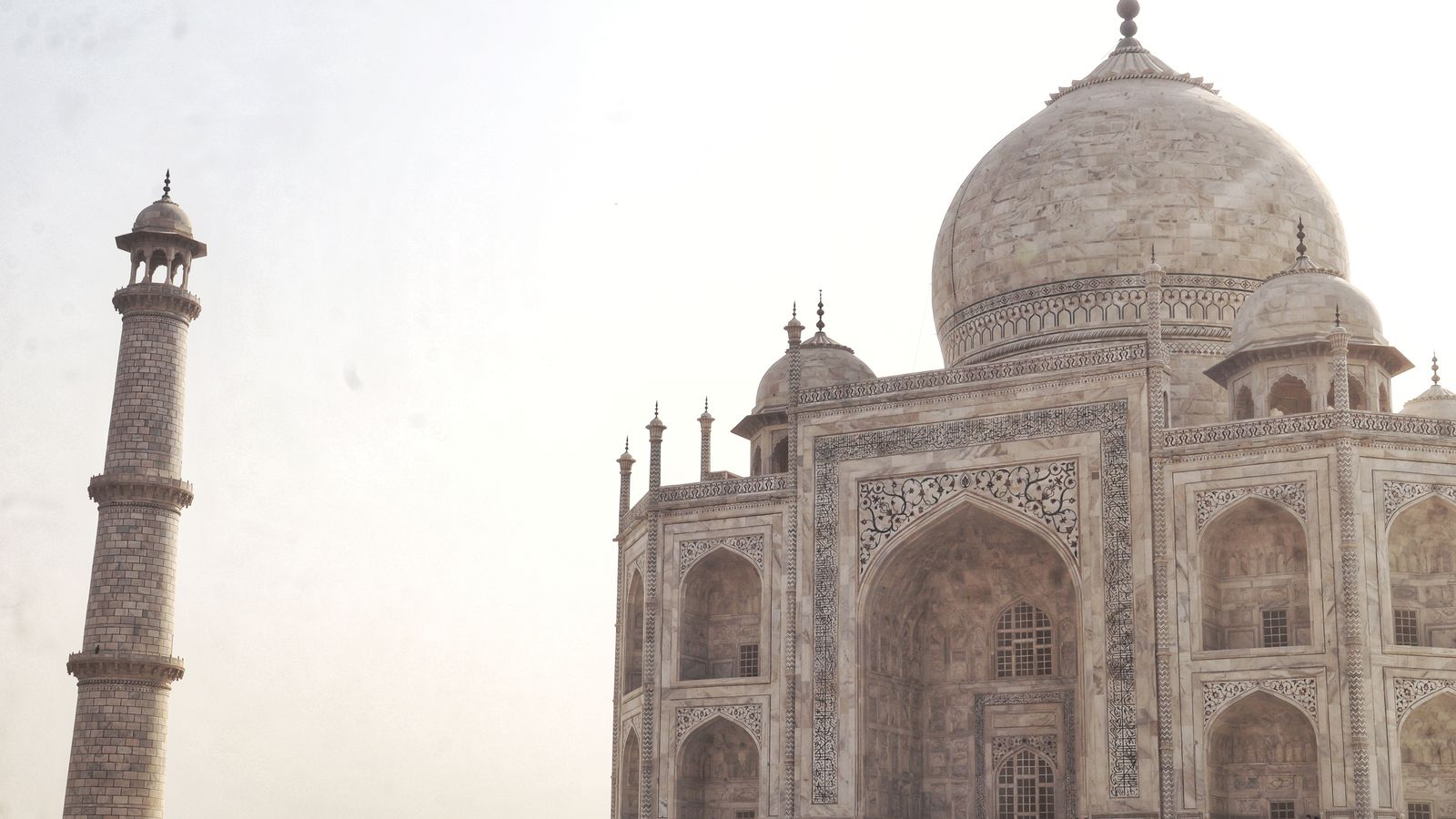
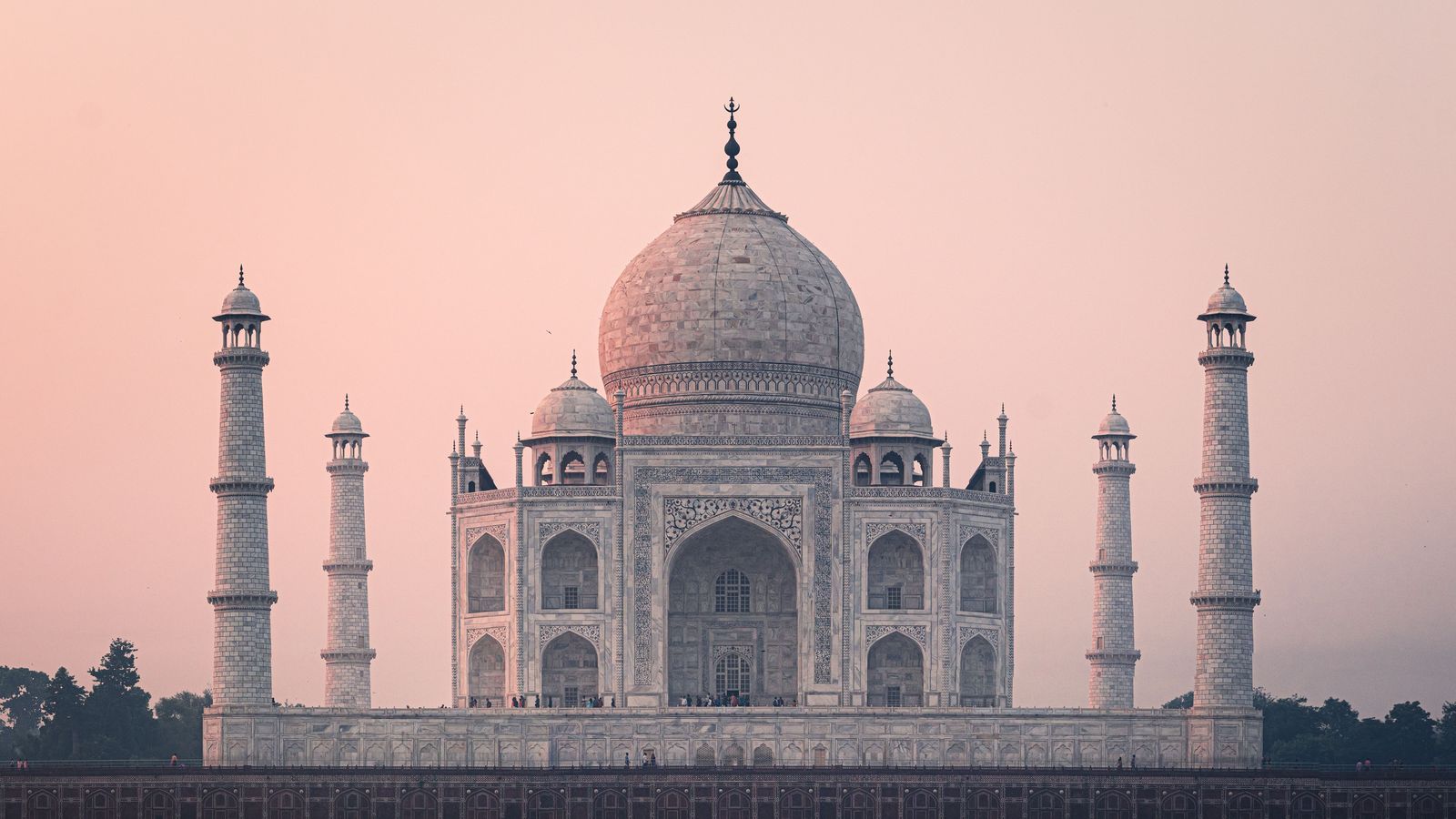
The first fix is the Agra morning. The 4-day package has to leave Delhi at dawn to see the Taj and still reach Jaipur the next day. Here the drive to Agra starts after breakfast, and you see the Taj in the late morning and again at sunset from across the river. If you want the sunrise too, it is an easy ten-minute hop from an Agra hotel on day three.
The second fix is Jaipur. With two nights you get one complete day in the Pink City, Amber Fort in the morning and the walled city in the afternoon, instead of splitting them across an arrival evening and a departure morning. And the drive into Rajasthan picks up Fatehpur Sikri, which the short version has to skip.
If you prefer even slower days, the 6-day version adds a second Agra night and the Abhaneri stepwell. The Golden Triangle hub compares all three.
Fatehpur Sikri: the stop that changes the trip
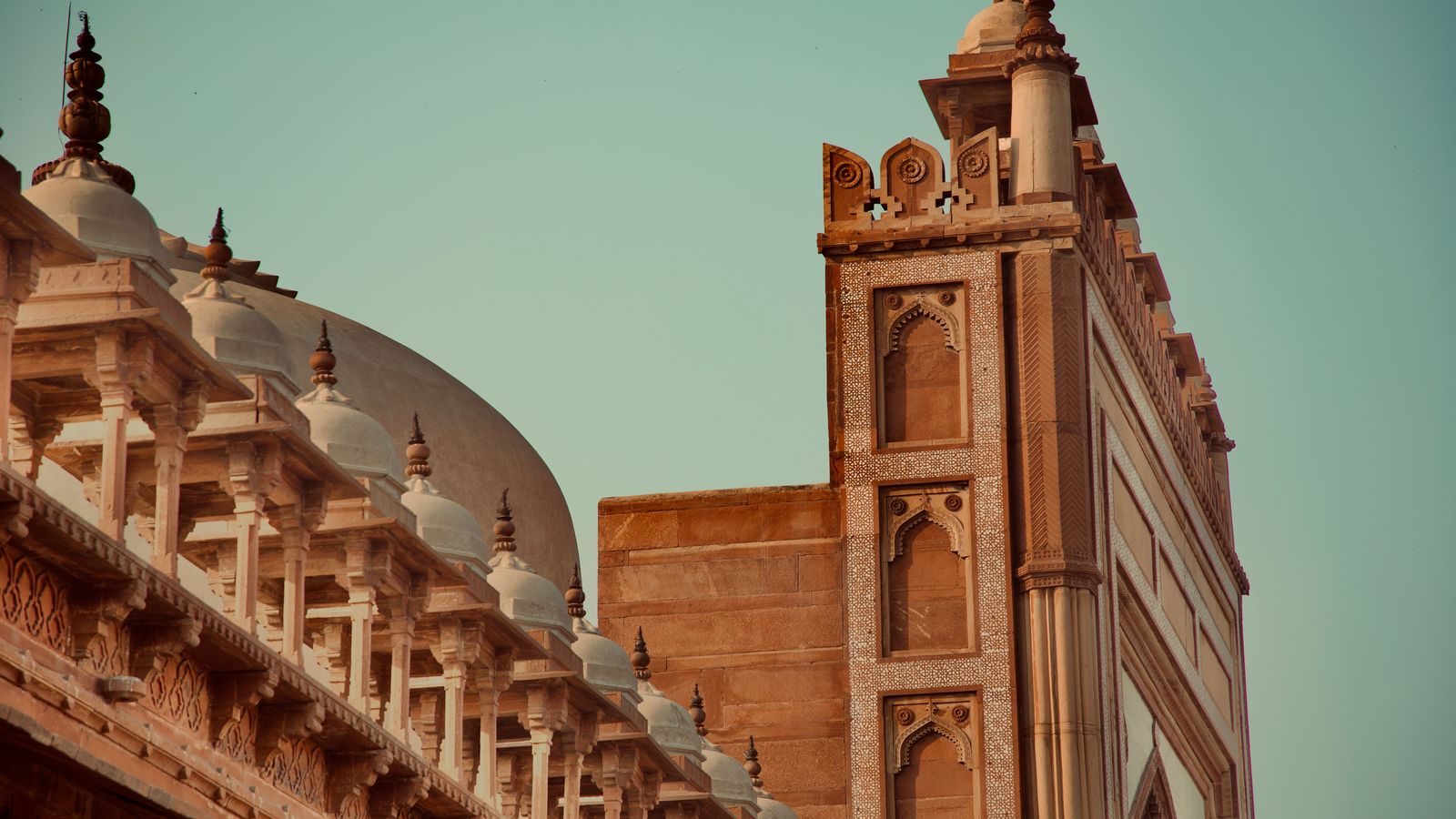
Fatehpur Sikri was built by the emperor Akbar in the 1570s as his new capital and abandoned within a couple of decades. What remains is a complete Mughal court in red sandstone: the huge Buland Darwaza gateway, the white marble tomb of the Sufi saint Salim Chishti in the mosque courtyard, and the palace buildings with the tiered Panch Mahal. It is about 37 km from Agra, directly on the road to Jaipur, so it costs you an hour or so of detour time and two hours of walking rather than a separate day.
Practical notes: the car parks at the foot of the ridge and a local shuttle runs up to the complex. The mosque side is a place of worship, so cover shoulders and knees and expect to remove shoes. It is hot and exposed at midday, which is why the plan puts it in the morning. Our Fatehpur Sikri by road guide has more detail.
The drive, and where to stop on it
The Delhi to Agra stretch is almost all Yamuna Expressway: fast, fenced and predictable, with fuel and food plazas on both carriageways. The chauffeur usually takes a single break at one of them.
Agra to Jaipur is a different kind of road. After Fatehpur Sikri, the car rejoins the national highway at Bharatpur and runs through small market towns to Dausa and into Jaipur from the east. It is four-laned but shared with trucks, tractors and the odd camel cart, and it crosses into Rajasthan, where the state entry charge for the car is paid at the border. The lunch stop is normally one of the highway restaurants around Mahua, roughly halfway.
The final leg north on NH48 via Kotputli and Neemrana has a good choice of places for lunch, and the chauffeur picks a departure time that keeps you out of the worst of the Gurgaon evening traffic.
A day in Jaipur, done properly
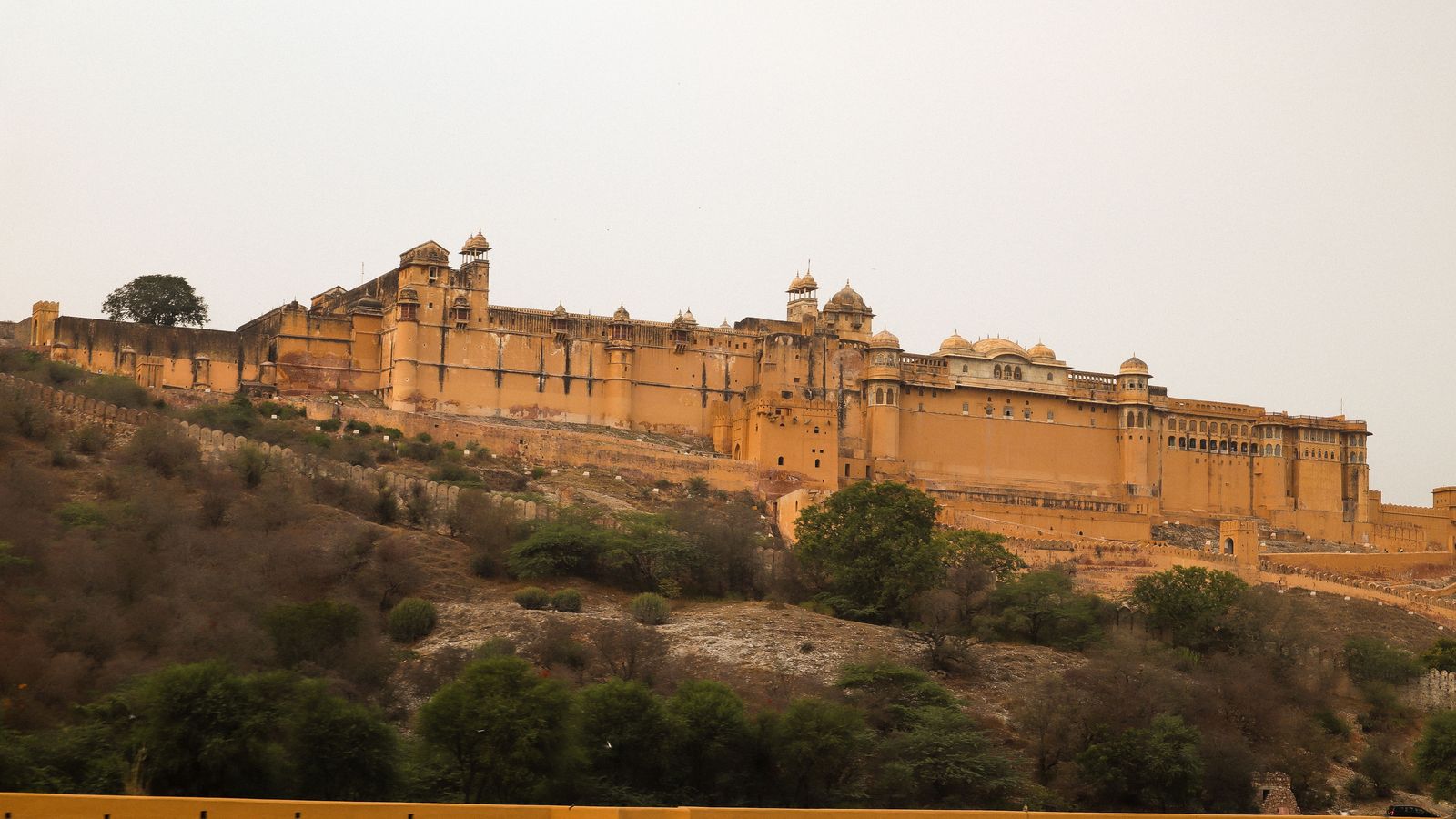
Day four is built around light and heat. Amber Fort, 11 km north of the city, is best in the first hours after opening, before tour buses fill the courtyards and the sun reflects off the stone. The Sheesh Mahal, the mirrored hall in the private quarters, is the highlight for most visitors. On the way back, the chauffeur stops by Man Sagar lake for a photo of Jal Mahal.
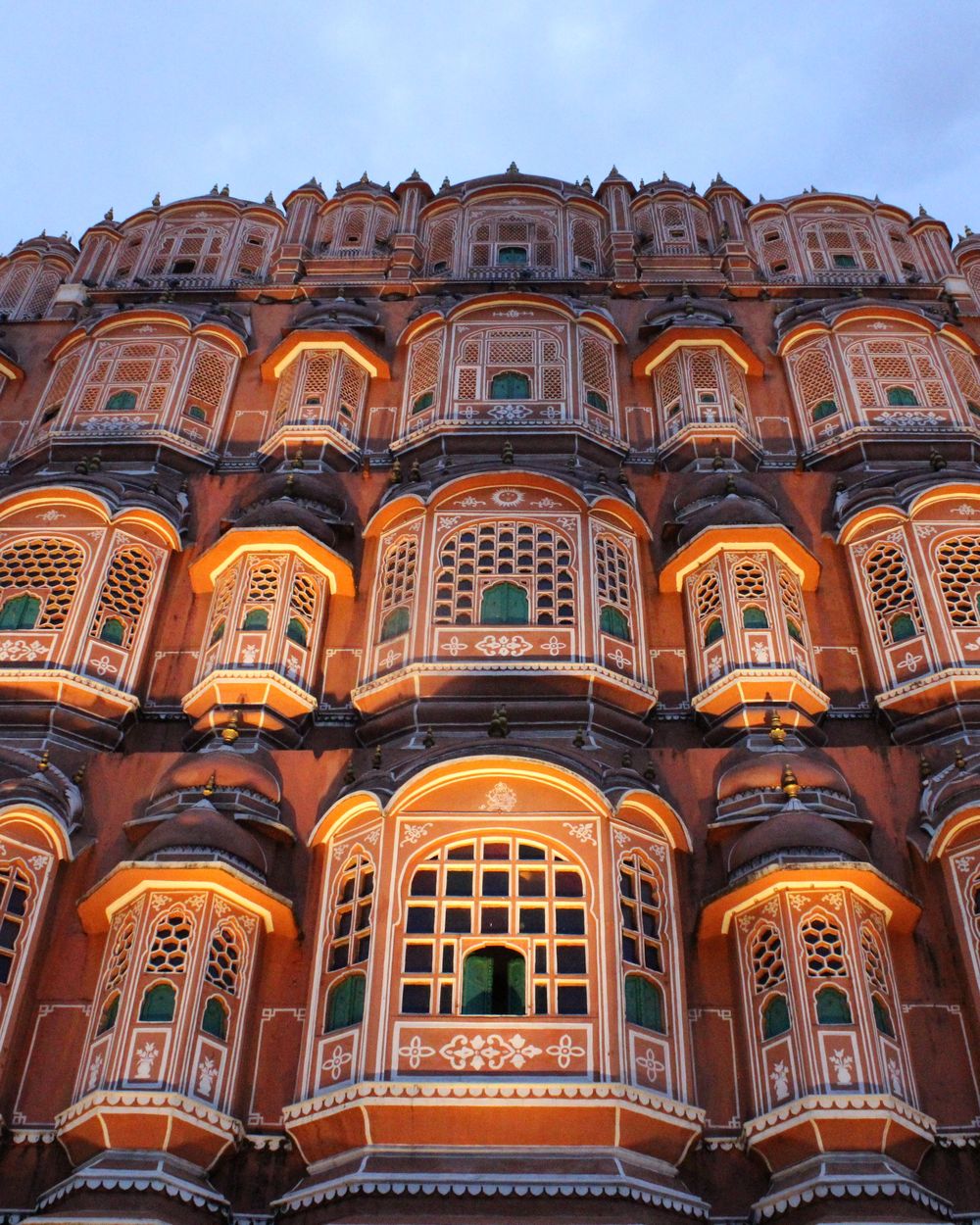
After lunch the day moves into the walled city, where the City Palace, Jantar Mantar and Hawa Mahal are a short walk apart. The car drops you and meets you, so there is no hunting for parking in the old bazaars. The late afternoon is free for Johari Bazaar's jewellers or the textiles and juttis of Bapu Bazaar. If shopping isn't your thing, ask about the Albert Hall museum or a block-printing workshop in Sanganer instead. Evenings in Jaipur are pleasant for a walk around the lit-up walls or dinner on a rooftop; the chauffeur can take you out and bring you back, and that short evening run is already covered by the fare.
When to travel
October to March is the best time, with November and February usually the pleasantest months. December and January can bring early-morning fog on the Delhi side and chilly evenings in Jaipur, so pack a warm layer. From April the plains heat up quickly, and by May and June midday temperatures are harsh; the plan then shifts sightseeing to mornings and evenings. The monsoon, roughly July to September, is humid but green and quieter.
Friday remains the one day to avoid in Agra, since the Taj is closed. The travel desk checks your dates and turns the loop around if necessary. Diwali, Holi and the winter wedding season make hotels scarce, especially in Jaipur, so book those periods well ahead.
Choosing a car for five days
The fare table above shows seven classes. For this trip the daily minimum (1,250 km) is larger than the distance you actually drive (about 900 km), so the fare is 1,250 km times the class rate. Some examples of rates: Rs 72 per km for a Dzire-class sedan, Rs 84 for an Ertiga, Rs 114 for an Innova Crysta, Rs 160 for a Tempo Traveller and Rs 200 for a Force Urbania. Add the chauffeur's night allowance of Rs 3,000 for each of the four nights, tolls, the Rajasthan state entry charge, parking and 5% GST.
A couple travels comfortably in a sedan. A family of four with luggage should take an Innova Crysta. Five days is also a popular length for extended families and friends' groups; nine to twelve people fit a Tempo Traveller, and the Force Urbania is the more comfortable choice for a group that values legroom. Every vehicle is within four model years.
Stays: where to base yourself
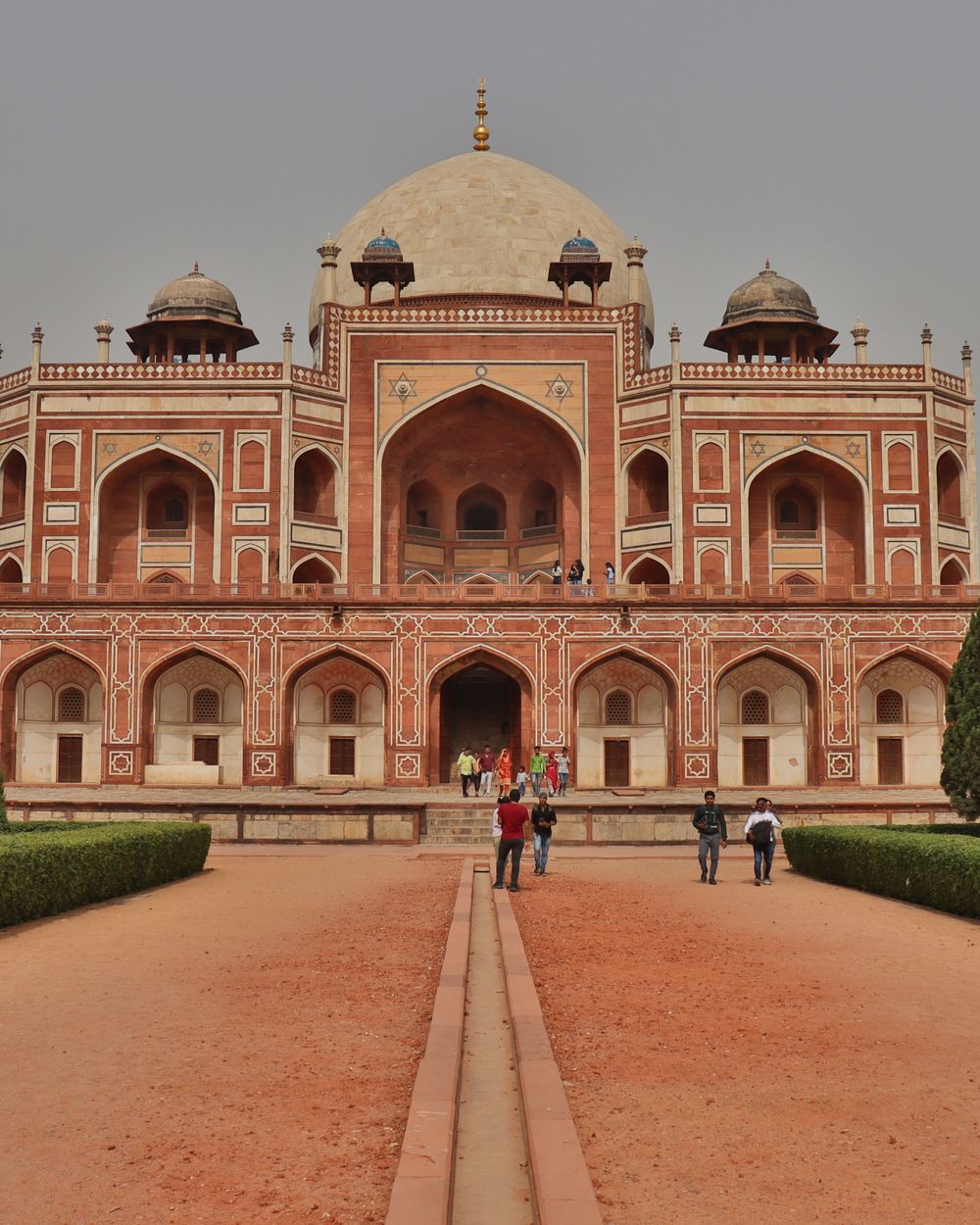
In Delhi, a central hotel near Connaught Place or in the Lodhi and Nizamuddin area puts both Humayun's Tomb and Old Delhi within easy reach. In Agra, one night near the Taj's eastern gate or along Fatehabad Road lets you walk to the monument at dawn if you choose. Two nights in Jaipur justify something special, perhaps a heritage haveli in the old city or a palace hotel on the road towards Amer. The travel desk can hold rooms and bundle them into a written all-inclusive quote, or you can book your own and take only the car.
Adding to the five days
Five days combines well with a few more nights further west: from Jaipur, the car can carry on into a Rajasthan tour package to Jodhpur and Udaipur instead of returning to Delhi. Wildlife lovers can add two nights at Ranthambore, about three hours south of Jaipur. If you are driving from home, tour packages from Delhi lists other routes. For single legs, see the Agra to Jaipur taxi page.
How to book
Reserve the car and chauffeur on the web booker and pay by card or UPI; the fare is confirmed before payment. For hotels, tickets and a licensed guide in one package, ask the travel desk for a quote. Free cancellation applies until 72 hours before your first pickup; after that 10%, 50% and 100% apply at 72, 48 and 24 hours, as set out on the cancellation policy page.