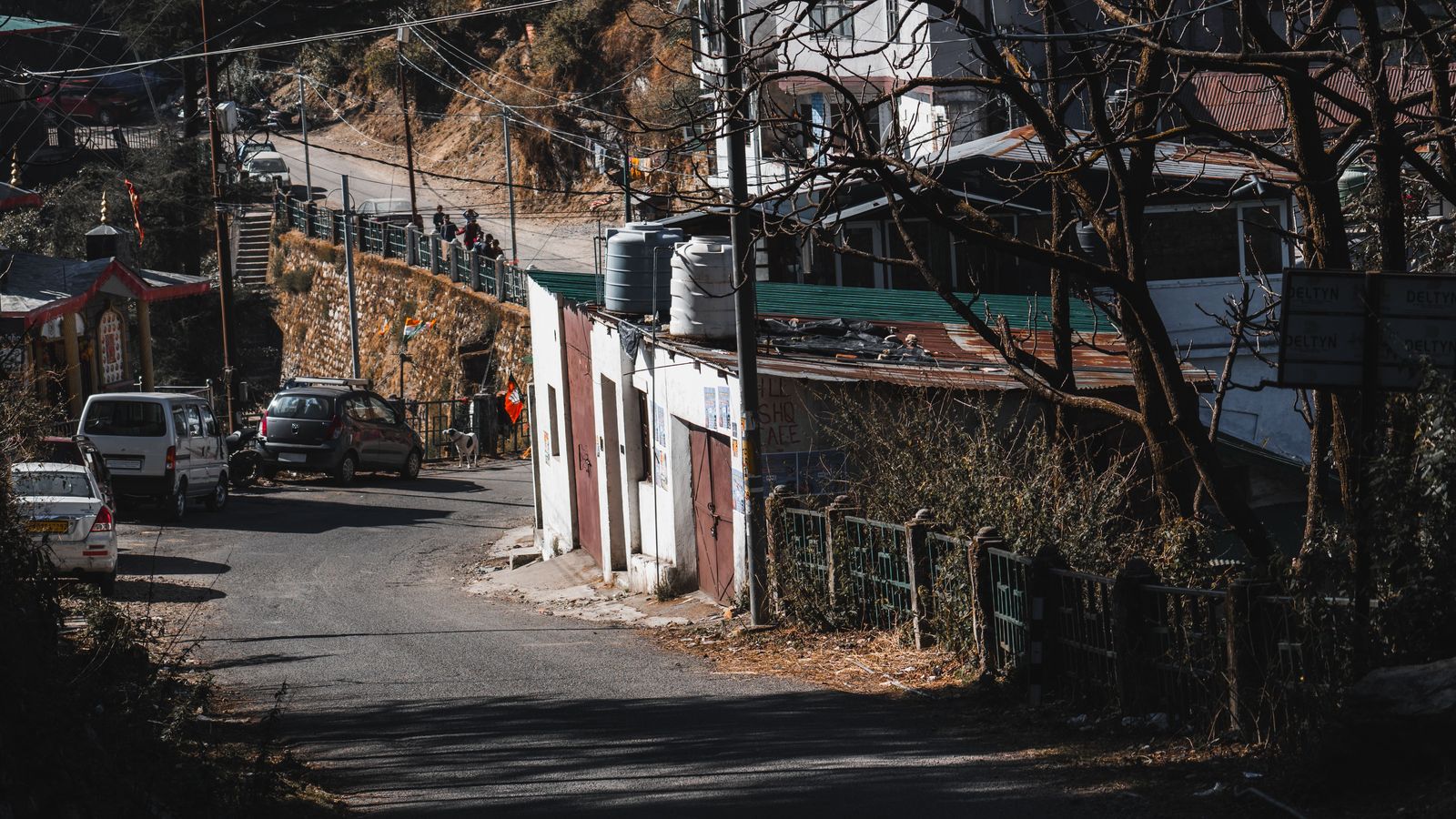
The 6-day Himachal tour package is a Delhi-to-Delhi loop of about 1,315 km: two nights in Shimla, two in Manali and one in Chandigarh, all with one private car and one chauffeur. Breaking the return at Chandigarh keeps every driving day under nine hours. The car is billed per kilometre by class; hotels are quoted separately.
Who picks six days, and why
Six days is the length we recommend most often for first-time visitors to the Himachal hills. It keeps the same core as the shorter trip (Shimla's colonial ridge, the Beas valley, Solang and the old temples of Manali) and adds one thing that changes the whole feel of the week: a night on the plains before the final run home.
That matters most for three kinds of traveller. Families with children under ten, who cope with four or five hours in a car but not twelve. Parents and grandparents, for whom the descent from Manali followed by the Delhi highway in one sitting is simply too much. And anyone flying out of Delhi in the evening, who would otherwise be racing a flight on mountain roads.
If your days are fixed at five, the 5-day Himachal package runs the same towns with a single long return. If you can spare a seventh day, the 7-day package replaces the Chandigarh night with Dharamshala and the Kangra valley, which is a better use of time for travellers who are comfortable in the car.
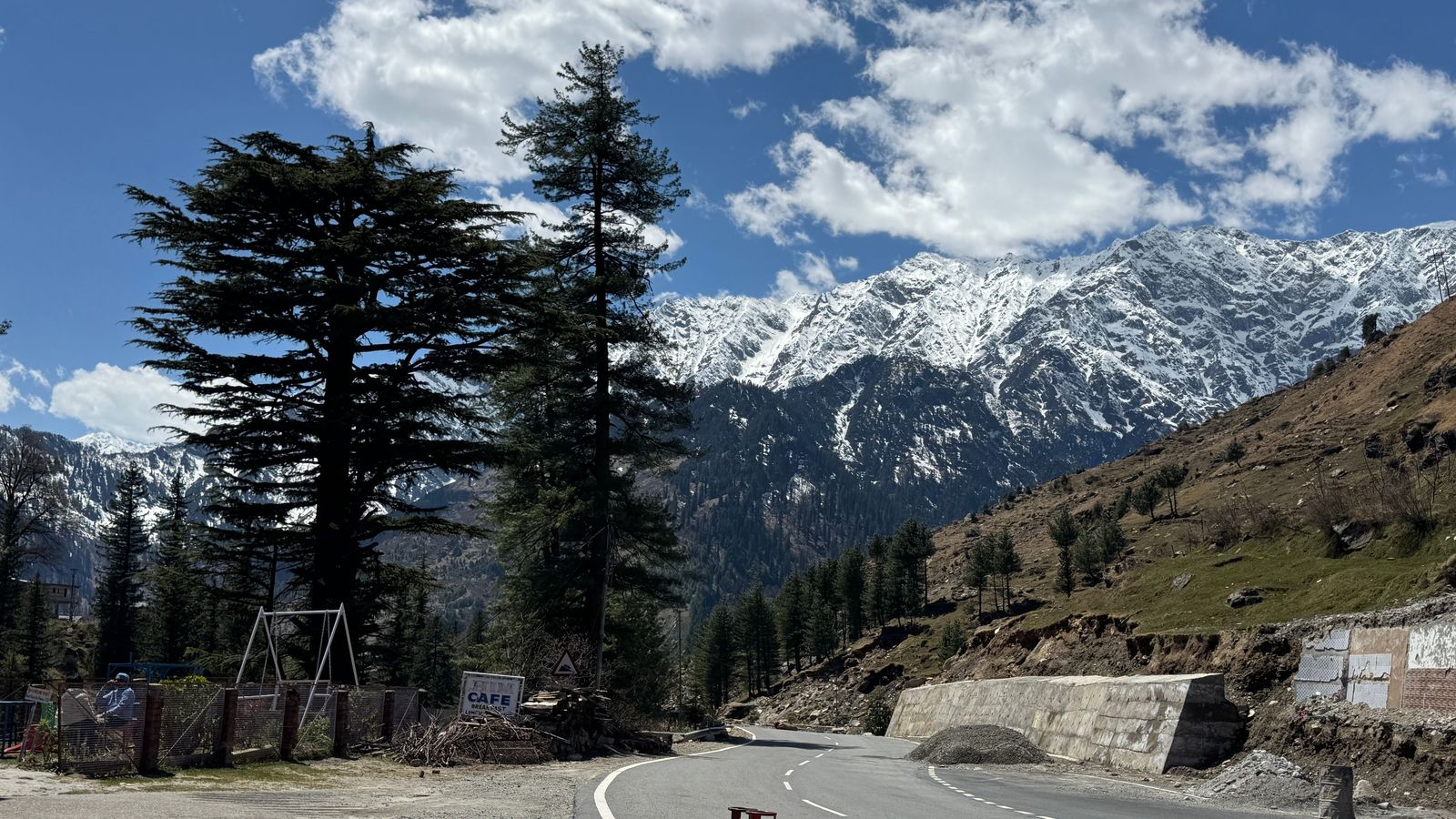
A day in Chandigarh that earns its place
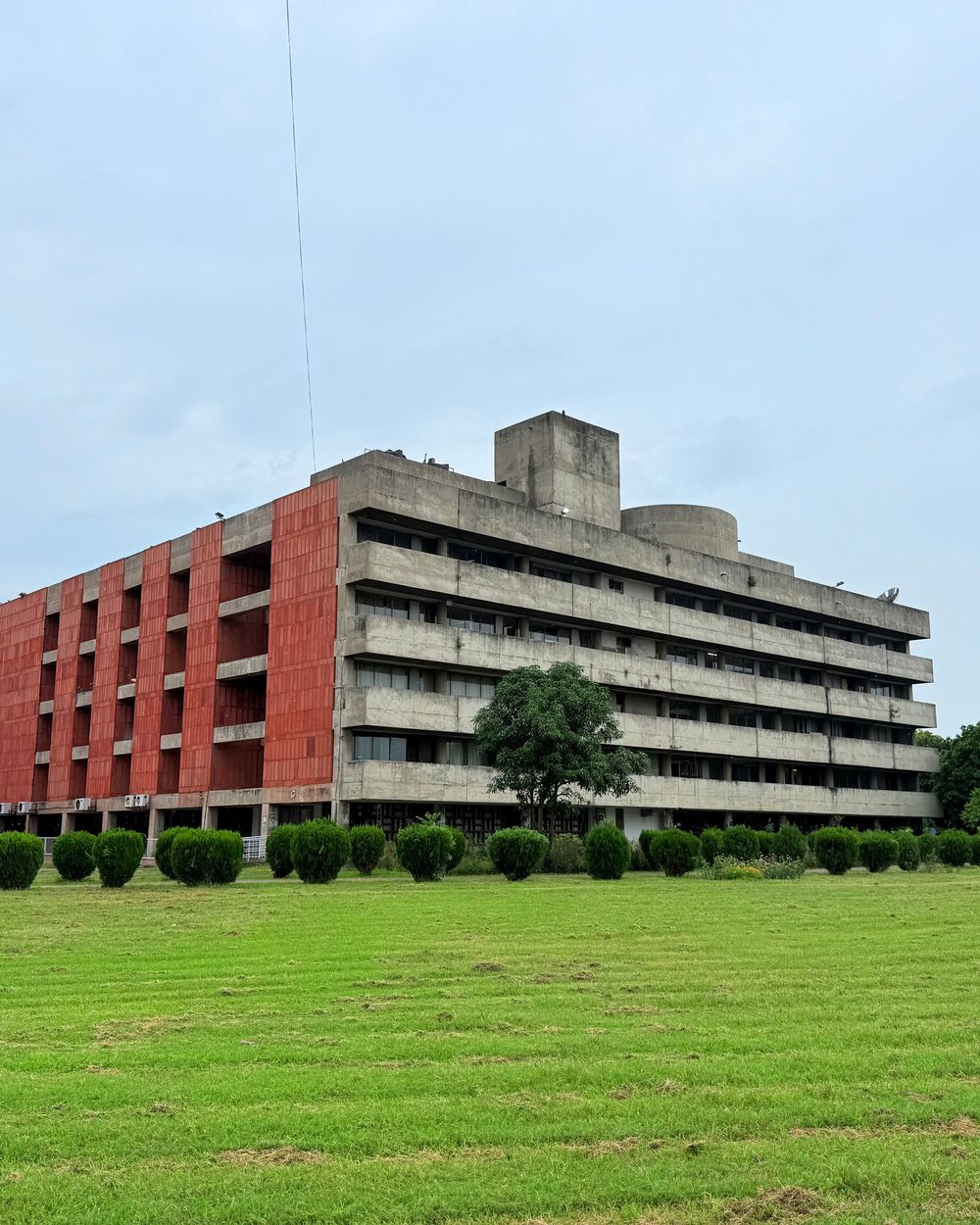
Most people treat Chandigarh as a place to pass through. On this itinerary it is a genuine stop. The city was planned in the 1950s by Le Corbusier and his team, and its Capitol Complex is part of a UNESCO World Heritage listing of his architectural work. Visits run as registered guided tours, so the chauffeur will help you book a slot rather than drive up to the gate.
The Rock Garden, a maze of sculptures made from broken tiles, bangles and waste material by Nek Chand, is the city's most loved sight and takes an hour or two. Sukhna Lake is good for an early walk. For a longer look at the city, our Chandigarh by road guide and the Chandigarh taxi service page cover more. And if someone in your party would rather go home a day early, Chandigarh airport in Mohali is well connected.
Two small detours worth knowing about
On the way up, the narrow-gauge Kalka-Shimla railway runs alongside the road for long stretches, crossing arched stone viaducts and diving into tunnels. It is part of the UNESCO-listed Mountain Railways of India. Some families like to ride one section of it, for example from Barog or Solan into Shimla, while the chauffeur drives ahead with the luggage and meets them at the station. It is slow, so allow a few hours and book seats in advance through Indian Railways.
On day five, the left-bank road from Manali to Naggar is quieter and prettier than the main highway. Naggar's castle, built of stone and deodar in the traditional Kath-Kuni style, is now a heritage hotel with a small museum, and the hillside estate of the painter Nicholas Roerich above it holds a gallery of his Himalayan canvases. Allow an hour and a half for both before the long run down the valley.
Hill-driving rules your chauffeur follows
The chauffeurs we place on Himachal trips drive these roads regularly, and they follow habits that make a noticeable difference to comfort:
- Uphill traffic has right of way on narrow sections. Your driver will pull into a passing bay rather than squeeze past a bus.
- Horn before blind bends. It sounds impolite in a city; on a single-lane mountain road it is expected.
- Lower gears on descents instead of riding the brakes, especially on the drop from Shimla to the Sutlej and from Manali down to Mandi.
- No night driving in the hills unless unavoidable. Departure times on day one and day three are set to arrive before dark.
- Rest every two to three hours. Stops are chosen for clean toilets and decent tea, not just convenience.
Himachal charges an entry tax on vehicles from outside the state at the Parwanoo barrier, and parking inside Shimla and Manali is paid. These go on your bill at actual cost; nothing is marked up.
Travelling with children or older parents
A few things make a six-day hill trip smoother. Motion sickness is the usual complaint, and it is worst between Shimla and Mandi. Sit children by a window, keep snacks light on day three, and let the driver know if anyone needs a stop; he would rather pause for five minutes. A higher car such as the Innova Crysta or the Force Urbania helps noticeably.
For grandparents, remember that Shimla's Mall and Ridge are closed to cars and involve some climbing. The public lifts from Cart Road reduce it. In Manali, the Hadimba temple is a short uphill walk through the forest, and Solang involves uneven ground; the chauffeur can drop you as close as vehicles are allowed. Child seats are not standard in Indian cars; if you need one, ask the desk when booking.
Where to stay on the six-day route
- Shimla: heritage hotels near the Mall for atmosphere; business-style hotels along Cart Road for easy car access; quieter retreats at Mashobra or Chharabra among the pines.
- Manali: the Mall area for convenience; Old Manali and Log Huts Road for a village feel; riverside or orchard resorts on the left bank towards Naggar; newer hotels along the Solang road for snow views in winter.
- Chandigarh: sector hotels close to the lake and Rock Garden, or larger properties near the airport road if you leave early.
The travel desk can reserve any of these and include them in one written quote with the car.
Month by month on this route
- March and April: spring bloom in the orchards, cool nights, very little rain. Good for families.
- May and June: peak season, busiest roads, Rohtang usually opens for the year. Book early.
- July and August: monsoon rain and landslides make the Mandi-Kullu gorge unreliable. We advise against.
- September to November: our favourite window. Clear views, harvest in the apple orchards, and Kullu Dussehra in October.
- December: cold, often snow in Manali, a busy Christmas week. Shimla sometimes gets its first snowfall.
Extending the loop
Six days fits neatly with side trips. Kasauli, just off the Shimla road, adds a quiet Cantonment town (Kasauli guide). From the Kullu valley, the Parvati valley and Kasol (Kasol guide) or Tirthan valley (Tirthan guide) add a night each. Experienced travellers in summer can go through the Atal Tunnel towards Lahaul and on to Spiti, but that is a separate trip rather than a day out. Each extension simply adds kilometres and nights at the same rates.
Fare, booking and cancellation
The car fare is the greater of the planned distance (about 1,315 km) and 250 km per day, which for six days is 1,500 km, multiplied by your class rate: Rs 72/km for a compact sedan, Rs 96 for a premium sedan, Rs 114 for an Innova Crysta, Rs 170 for a Fortuner and Rs 200 for an Urbania. Add the driver's allowance of Rs 3,000 per night, tolls, state taxes and parking at cost, and 5% GST.
Reserve the car in the online booker and pay by card or UPI; GST invoices are issued for company travel. For hotels as well, ask the travel desk for one inclusive quote. Our cancellation policy is free cancellation up to 72 hours before pickup, then 10%, 50% at 48 hours and the full fare within 24 hours.
Reserve the 6-day Himachal car
Travelling one way only? See the Chandigarh to Manali taxi or Chandigarh to Shimla taxi routes.