How do you reach Tirthan Valley by road, and what does a cab cost?
Tirthan Valley's main villages, Banjar and Gushaini, are about 270 km from Chandigarh, typically 7 hours by car via Kiratpur, Mandi and the Aut tunnel, then the Larji-Banjar road. A chauffeur-driven sedan costs Rs 9,720 Pay Now to Reserve one way and an Innova Crysta Rs 15,390 Pay Now to Reserve, before 5% GST; tolls, permits and parking are extra at actual cost.
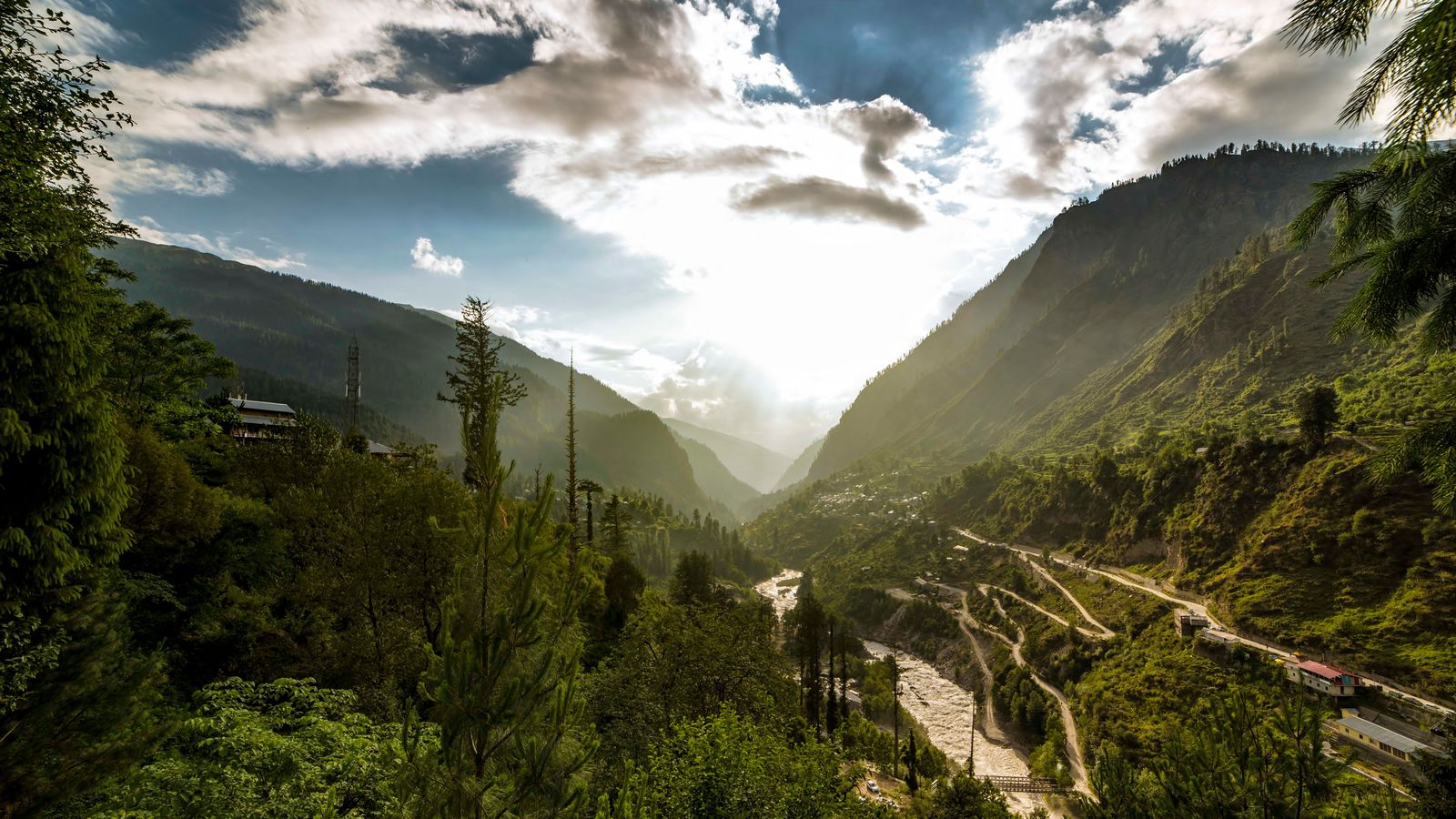
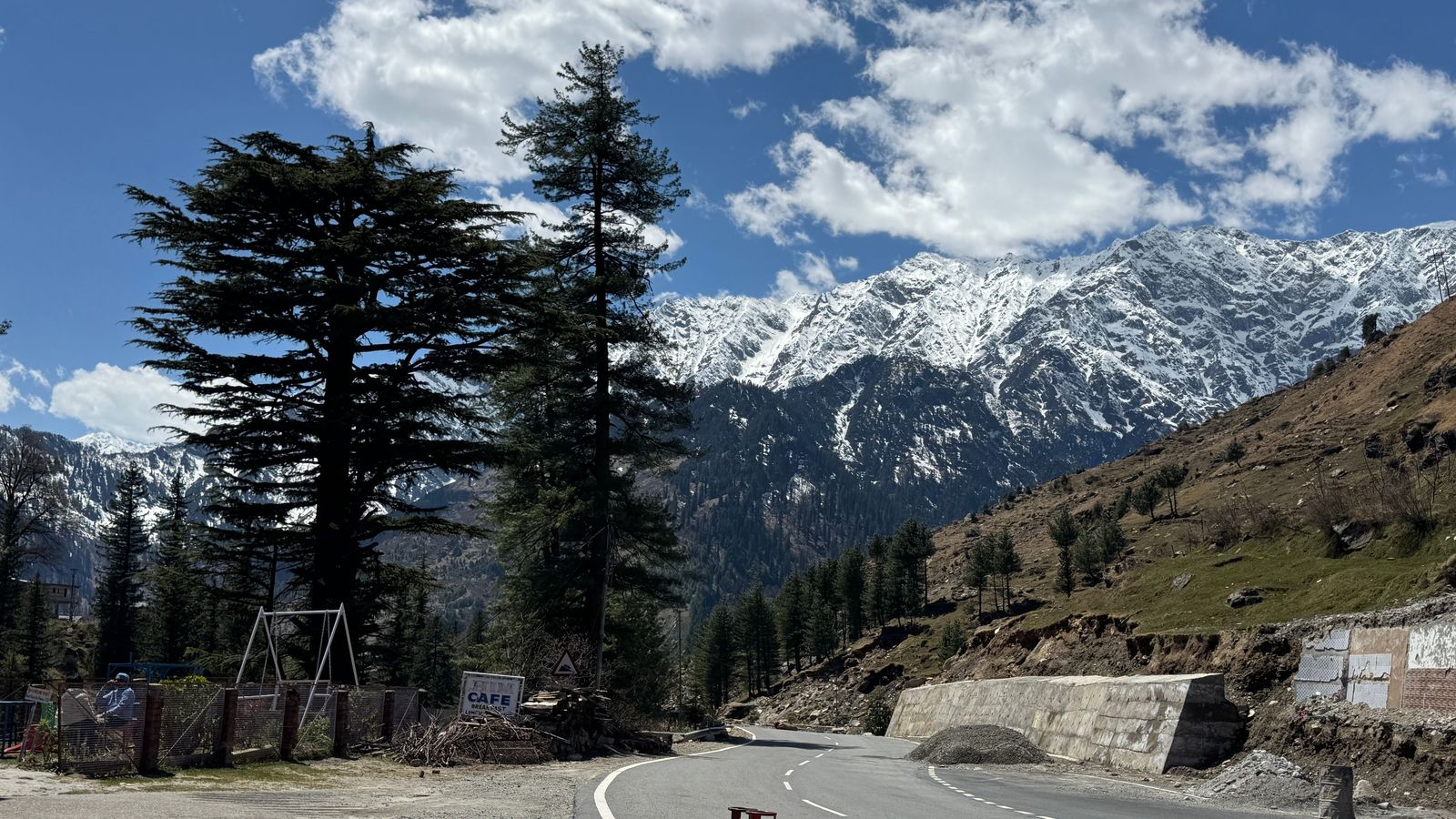
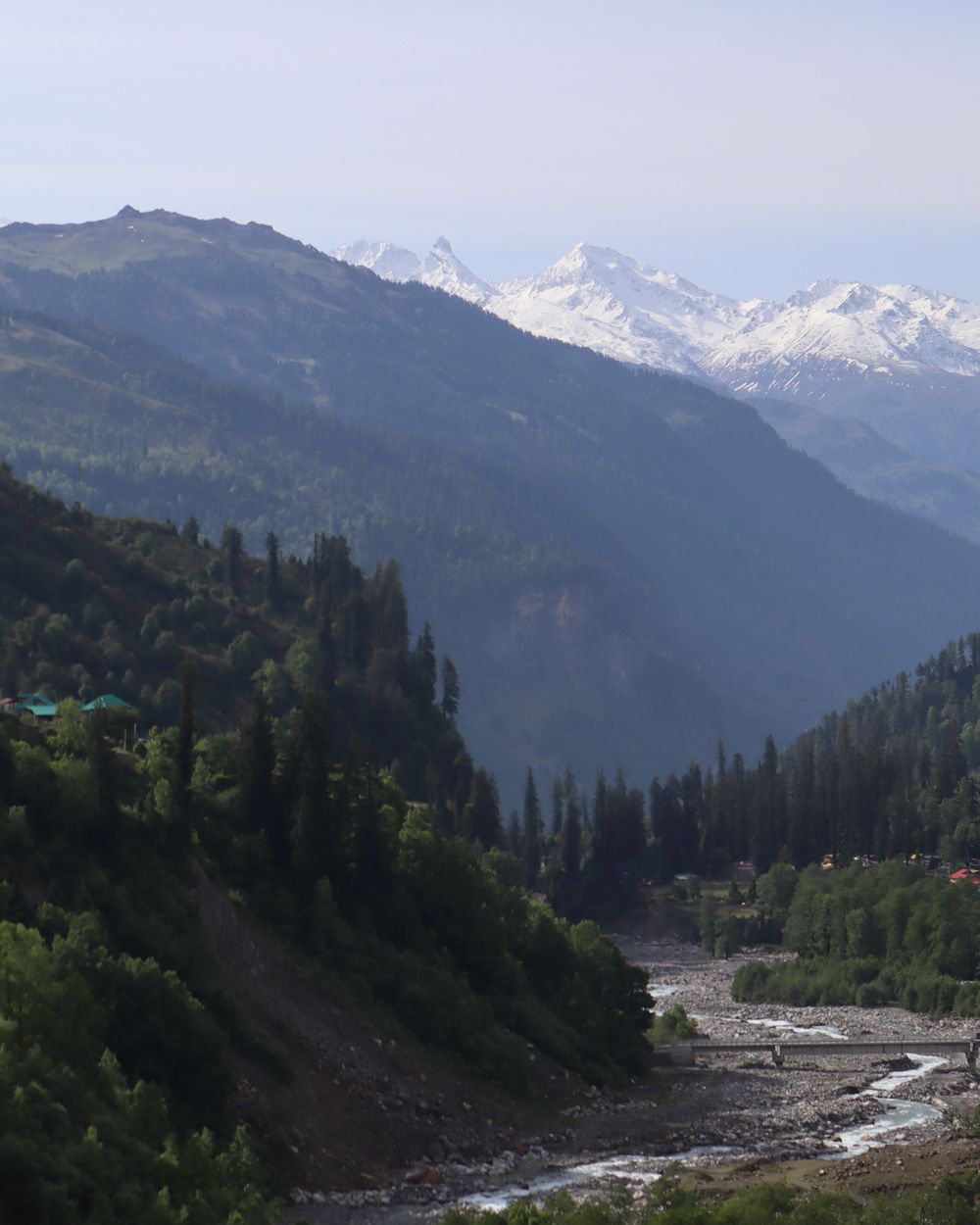
Most traffic heading up the Beas valley towards Kullu and Manali rushes straight through the long tunnel at Aut without a second glance at the turning on the right. Take that turning, follow a smaller river upstream for half an hour, and the Himalaya changes character completely. The Tirthan is a fast, cold, gin-clear stream famous for its trout; the villages along it are built in the old kath-kuni style of alternating timber and stone; and at the head of the valley lies one of India's great wilderness areas, the Great Himalayan National Park.
Tirthan has grown popular with travellers who want the mountains without the Mall Road, but it remains small-scale: homestays rather than hotels, footbridges rather than parking lots. The road is narrow beyond Banjar and the final kilometres to Gushaini need care. RutzIndia.com sends sedans, Innovas and SUVs to Tirthan with chauffeurs who drive the Kullu hills regularly and know where a large car can and cannot turn. This guide covers the route, the season, the fares, the sights and a three-day plan. When you are ready, book online.
Why Tirthan Valley is special
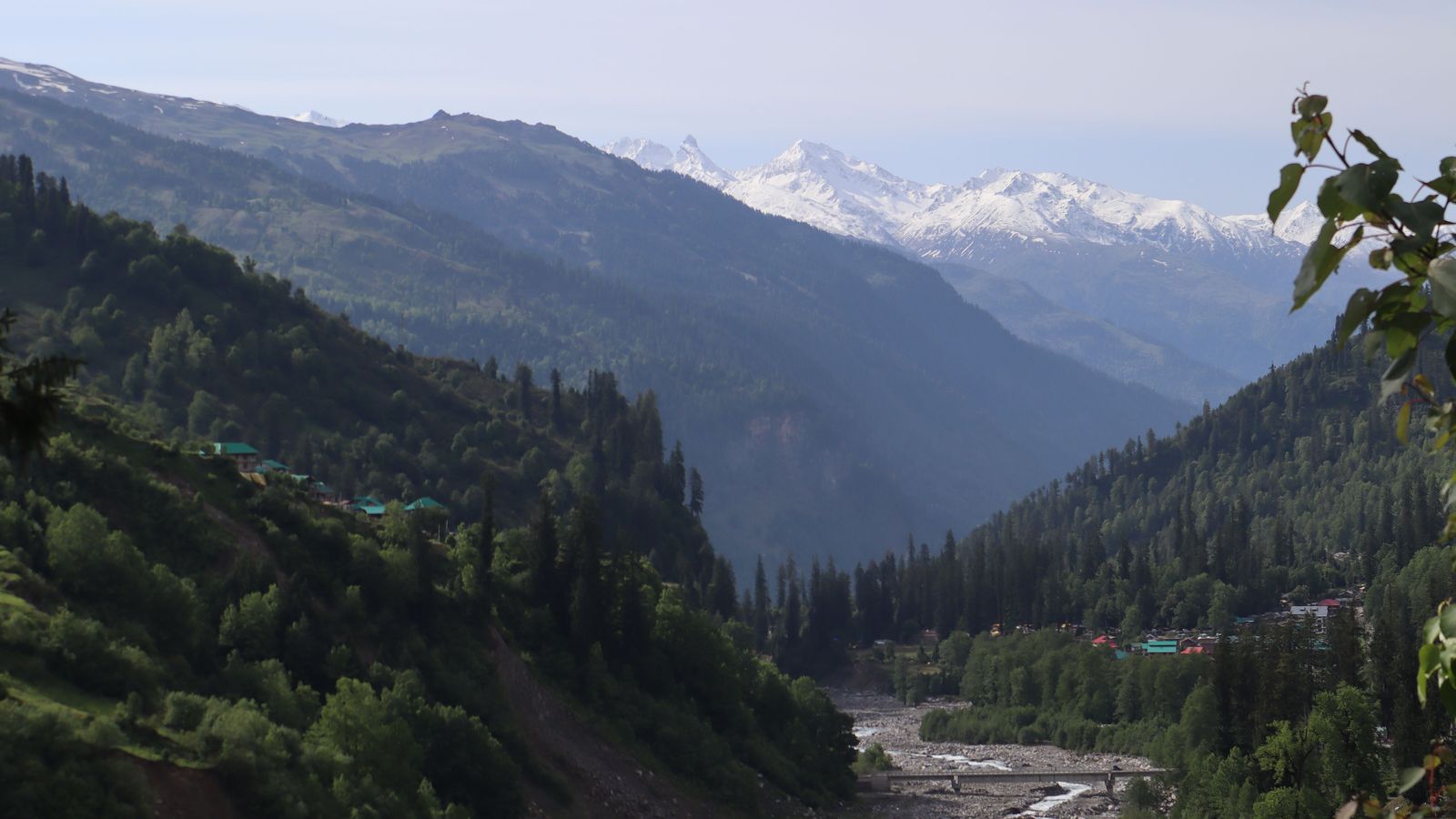
The Great Himalayan National Park. The valley is the main western gateway to the Great Himalayan National Park, which was inscribed as a UNESCO World Heritage Site in 2014 as part of the Great Himalayan National Park Conservation Area. Its forests, alpine meadows and high ridges shelter the western tragopan, the Himalayan monal, musk deer and blue sheep. Treks into the park range from gentle forest walks to multi-day expeditions, and the park authorities publish rules, routes and contacts on the official GHNP website.
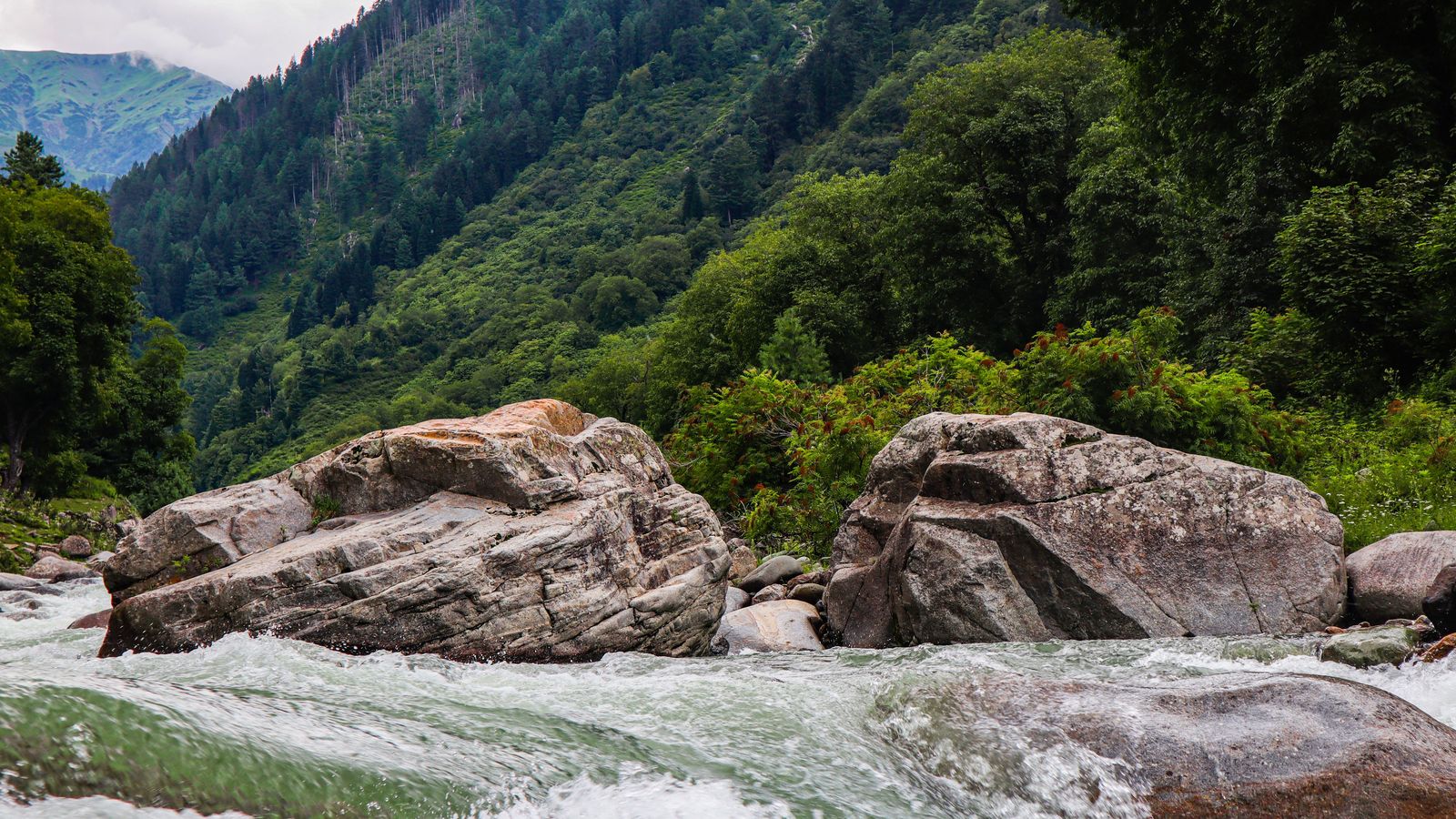
The river and its trout. The Tirthan is one of Himachal's best-known trout streams. Angling is regulated by the state fisheries department and needs a licence; many visitors are content to watch the water from a riverside homestay or walk the banks at dusk.
Villages and temples. Gushaini, Nagini and Sai Ropa sit along the river, and higher villages such as Shringa and Bathad give a sense of how people have farmed these slopes for centuries. The Shringa Rishi temple near Banjar and the tower temple at Chehni Kothi are fine examples of Himalayan timber architecture.
Jibhi and Jalori Pass. A short drive from Banjar, the neighbouring side valley of Jibhi has waterfalls and pine forest, and the road beyond climbs to Jalori Pass, a little over 3,100 metres, where walking trails lead to the Serolsar lake and the ruins of Raghupur fort. The pass road is steep and narrow and usually shuts after heavy snow in winter.
Homestays and food. Accommodation in the valley is mostly family-run: rooms above an orchard, a riverside cottage, a converted village house with a wood stove. Meals are simple and local, often rajma, rice, siddu (a steamed stuffed bread) and, if you ask ahead, trout from a licensed farm. Because properties are small, confirm vehicle access when you book the room; some are a few steps from the road, others a steep ten-minute walk with no porter, which matters if you are travelling with elderly parents or heavy bags.
For wider information on the district, see the Kullu district administration and Himachal Tourism.
The road: Chandigarh, the Beas gorge and the Larji turn
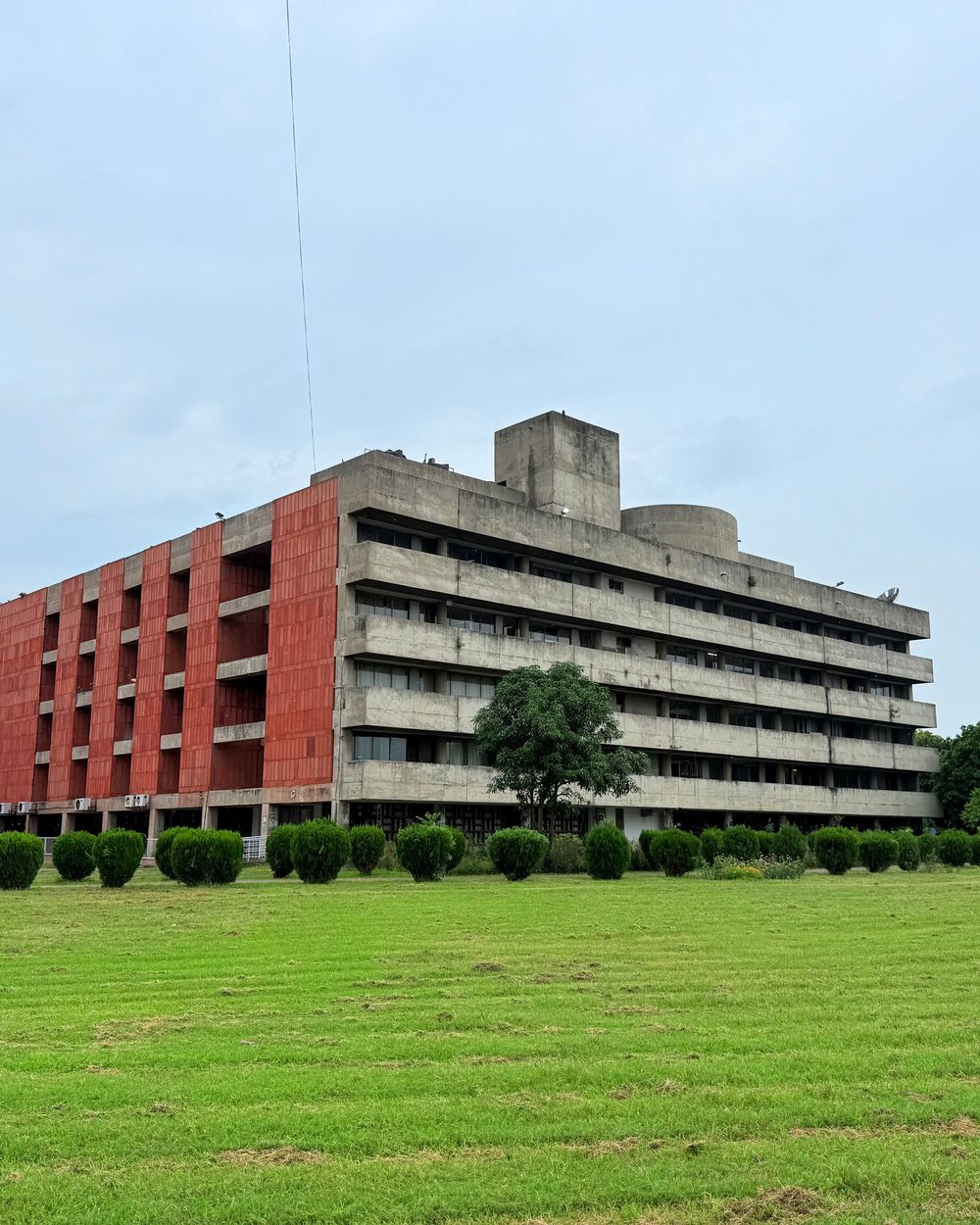
Chandigarh to Mandi (about 190 km, 4 to 4.5 hours). From the Tricity, the highway runs through Kharar and Ropar to Kiratpur, then climbs on the four-lane Kiratpur-Ner Chowk alignment, with several tunnels and viaducts, past Bilaspur and the Gobind Sagar reservoir to Sundernagar and Mandi. Mandi is the natural lunch stop.
Mandi to Aut (about 45 km, 1.5 hours). The road follows the Beas through a dramatic gorge past the Pandoh dam. This is the section most prone to landslides in the monsoon.
Aut to Banjar and Gushaini (about 30 km, 1 hour). Just before or after the Aut tunnel, depending on the current traffic arrangement, the route branches towards Larji and then climbs gently along the Tirthan to Banjar. Beyond Banjar the road narrows to Gushaini. A few homestays sit on the far bank and are reached by a footbridge or a short walk; your driver will carry bags to the bridge and park on the road side.
From Delhi (about 510 km, 11 to 12 hours). Drive up NH44 to Ambala and Chandigarh, then follow the route above. Most families break the journey in Chandigarh or leave Delhi by 5 am. Our Delhi to Manali taxi page covers the same highway as far as Aut.
By air. Bhuntar airport, serving Kullu and Manali, is about 50 to 60 km from Gushaini, around 1.5 hours. We track your flight, meet you with a name board and wait 30 minutes free after a domestic landing; weather sometimes cancels Bhuntar flights, so keep a road fallback in mind.
Standard mountain driving rules apply throughout: vehicles climbing have right of way on narrow stretches, horns at blind curves, and our chauffeurs avoid unlit hill sections after dark where possible.
Best time to visit Tirthan Valley
- March to June: the most popular window. Apple and cherry blossom in spring, warm days and cool nights, and most GHNP trails open. May and June weekends bring crowds from the plains.
- July to August: heavy monsoon rain. Landslides can close the Mandi-Aut gorge or the Banjar road, and trekking inside the park is usually restricted. Visit only with flexible dates.
- September to November: clear skies after the rains, golden autumn colours and excellent walking. Our favourite season.
- December to February: cold and quiet, with snow at Jalori and on the higher villages. The pass road is often shut; the lower valley stays accessible with care.
Chauffeured services and fares for Tirthan
RutzIndia.com quotes every Tirthan trip from the published rate card on our fares page. Outstation fares are per kilometre, and our Himachal taxi service page explains how we plan longer hill circuits.
- One-way drop from Chandigarh, Mohali, Panchkula or Delhi to your homestay.
- Multi-day round trip with the car staying in the valley for Jibhi, Jalori and day trips. Round trips carry a minimum of 250 km per calendar day, plus a driver night allowance of Rs 1,500 per night.
- Airport pickup at Bhuntar, billed at the minimum transfer fare.
- Groups in a Tempo Traveller from Chandigarh for college trips and trekking clubs; see Tempo Traveller in Chandigarh. Note that the last stretch to Gushaini is tight for larger vehicles.
- SUVs such as the Fortuner for extra ground clearance on the Jalori road; see Fortuner on rent.
| Vehicle | Chandigarh to Tirthan one way (270 km) | Delhi to Tirthan one way (about 510 km) | 4-day round trip from Chandigarh (1,000 km billed) | Bhuntar airport pickup |
|---|---|---|---|---|
| Dzire or similar sedan | Rs 9,720 Pay Now to Reserve | Rs 18,360 Pay Now to Reserve | Rs 36,000 Pay Now to Reserve | Rs 4,170 Pay Now to Reserve |
| Ertiga MUV | Rs 11,340 Pay Now to Reserve | Rs 21,420 Pay Now to Reserve | Rs 42,000 Pay Now to Reserve | Rs 5,190 Pay Now to Reserve |
| Innova Crysta | Rs 15,390 Pay Now to Reserve | Rs 29,070 Pay Now to Reserve | Rs 57,000 Pay Now to Reserve | Rs 7,290 Pay Now to Reserve |
| Fortuner SUV | Rs 22,680 Pay Now to Reserve | Rs 42,840 Pay Now to Reserve | Rs 84,000 Pay Now to Reserve | Rs 12,990 Pay Now to Reserve |
| Tempo Traveller 12-17 seat | Rs 21,060 Pay Now to Reserve | Rs 39,780 Pay Now to Reserve | Rs 78,000 Pay Now to Reserve | Rs 11,280 Pay Now to Reserve |
The round-trip figure bills the 250 km daily minimum because the actual distance (about 540 km there and back plus local trips) is lower. Bhuntar pickups use the Manali-area minimum transfer fare. All fares are before 5% GST; tolls, Himachal entry tax for outside-state vehicles, parking and the driver's night allowance are added at actual cost. Pay by card or UPI through the booker.
Mountain plans change with the weather, so here is our cancellation policy in brief: free if you cancel more than 72 hours before pickup, 10% of the fare if you cancel inside 72 hours, 50% inside 48 hours and the full fare inside 24 hours or for a no-show. Every car we send is within four model years.
A three-day Tirthan plan by car
Day 1: Chandigarh to Gushaini (about 270 km). Leave at 6 am, breakfast near Kiratpur, lunch in Mandi, and turn off at Aut by mid-afternoon. Reach Gushaini in time for a riverside walk before dark.
Day 2: Into the national park (about 30 km of driving). Drive to the park's ecozone near Sai Ropa, visit the interpretation centre, then take a guided forest walk along the river. If you have a permit and a guide, a longer trail into the park is possible. Evening trout-watching at Nagini.
Day 3: Jibhi and Jalori, then out (about 320 km). Early drive to Jibhi's waterfall and on to Jalori Pass for the view and a short walk towards Serolsar lake, if the pass is open. Descend to Aut and continue south to Chandigarh, or north to Kullu and Manali; our Chandigarh to Manali taxi page covers that highway. Travellers heading on to Parvati valley should read Kasol by road; those wanting another quiet valley can loop west to Barot by road.
Practical tips for Tirthan Valley
- Permits: entry into the national park itself needs a permit from the park authorities, and longer treks need a registered guide. Check the GHNP website before you travel.
- Parking: space along the valley road is limited; drivers park in lay-bys and at homestays. Any charge is passed on at cost.
- Cash: ATMs are in Banjar; homestays up the valley may prefer cash or UPI, and mobile signal can be weak.
- Footwear and layers: river paths are rocky and slippery; bring walking shoes and warm layers even in May.
- Leave no trace: carry your plastic back to Banjar or beyond; the valley has limited waste handling.
- Monsoon caution: in July and August, keep a spare day in your plan and follow the driver's advice on road conditions.
Starting from the Tricity? Our taxi service in Chandigarh page covers pickups, airport runs and local hire, and the taxi service in Manali page helps if you add the upper Beas valley.