How do you reach Barot Valley by road, and what will the cab cost?
Barot lies roughly 240 km from Chandigarh, a drive of about seven hours through Bilaspur and Mandi and then up the Jogindernagar road to the Ghatasani turn-off. Budget Rs 8,640 Pay Now to Reserve for a one-way chauffeur-driven sedan or Rs 13,680 Pay Now to Reserve for an Innova Crysta, plus 5% GST; tolls, Himachal entry tax and parking are billed at cost.
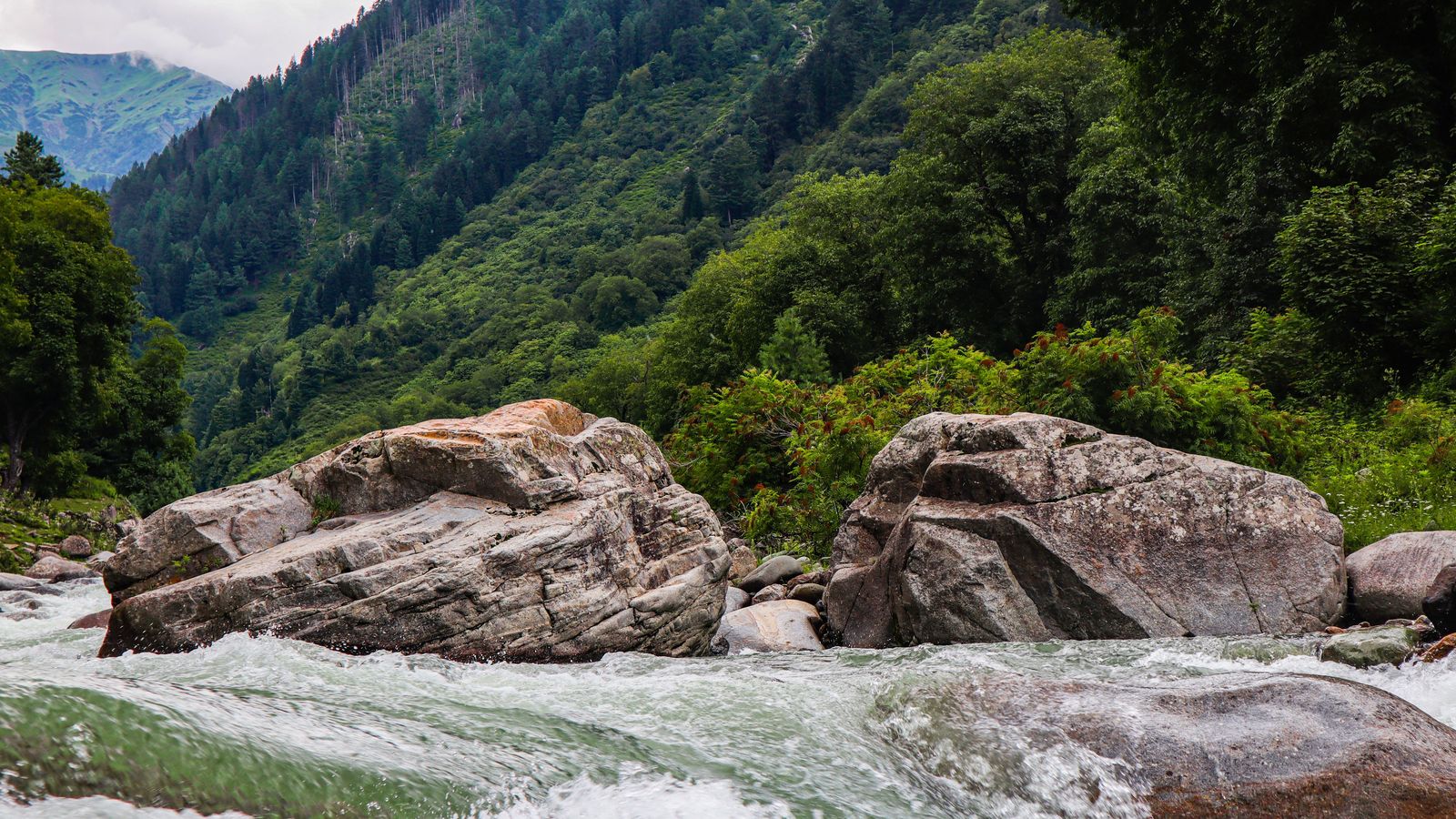
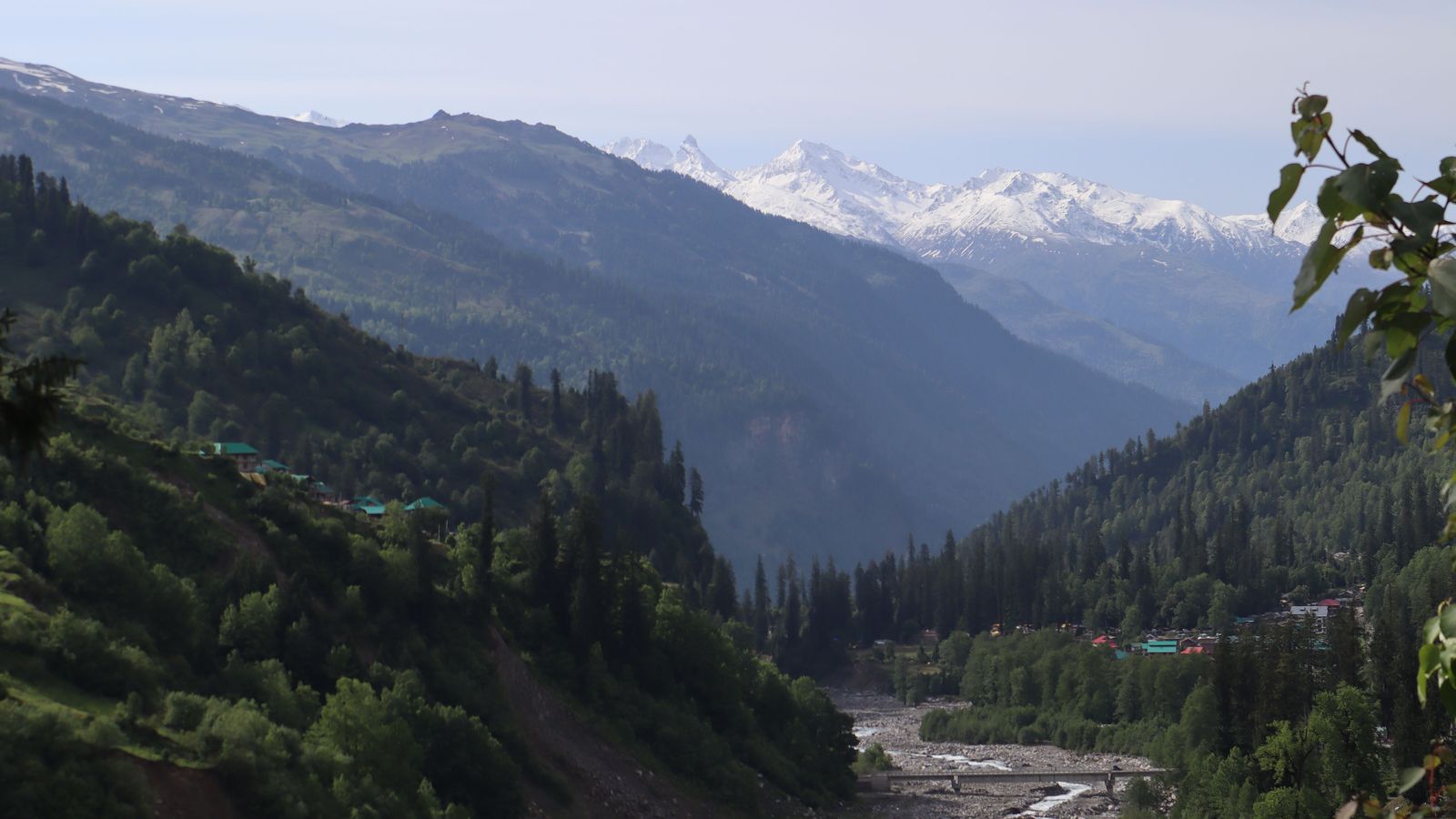
Ask a Himachali where to go to get away from other tourists and there is a fair chance you will hear the word Barot. The village sits at around 1,800 metres where the Uhl river widens into a small reservoir, hemmed in by steep slopes of deodar and fir. Across the water, the Nargu wildlife sanctuary climbs towards the Dhauladhar; downstream, a line of tiny villages clings to terraced fields. There are no malls, no ropeways and no queues, just river sounds, forest walks and the smell of wood smoke in the evening.
The price of that peace is the final approach: a single-lane mountain road that drops and twists for the last stretch into the valley. It is perfectly drivable in dry weather for a careful driver who knows it, which is exactly what RutzIndia.com provides. We run Barot trips from Chandigarh, Delhi and the Kangra valley, and fold Barot into longer loops with Bir, Palampur and Mandi. Read on for the route, the seasons, the fares and a two-night plan, then book online when you have dates.
Barot at a glance
- Where: Chhota Bhangal area of Mandi district, Himachal Pradesh, on the Uhl river.
- Altitude: roughly 1,800 to 1,850 metres; cool summers, cold winters.
- Nearest towns: Jogindernagar (about 40 km) and Mandi (about 65 km).
- Nearest airports: Kangra-Gaggal (about 110 km) and Bhuntar near Kullu (about 120 km).
- Stays: homestays, small guesthouses, riverside camps and a government rest house. Rooms are limited, so book them before the car.
- Best for: couples, families who like walking, anglers, photographers and anyone who has had enough of Manali traffic.
What to do in Barot
The Shanan project and the reservoir. Barot owes its dam and its road to one of India's earliest hydro-electric schemes. In the 1920s British engineers diverted the Uhl through a tunnel under the ridge to a powerhouse at Shanan, near Jogindernagar, commissioned in the early 1930s. The weir at Barot and the calm stretch of water above it are its legacy, and the old haulage railway that hauled machinery up the mountain still survives above Jogindernagar. It is a working maintenance line, not a tourist ride, so admire it from the road.
Trout water. The Uhl and its tributary the Lambadug are well-known trout streams, and the state fisheries department has long run a trout hatchery here. Angling needs a licence from the department; if you just want to taste the fish, homestays can often source it from a licensed farm.
Nargu wildlife sanctuary. Forests across the river shelter pheasants, including the monal, and a variety of Himalayan birds and mammals. Guided walks along the edges are rewarding in spring and autumn; entering deeper may need forest department permission.
Village walks. Short trails lead from Barot to Luhardi, Polling and Bada Gran, past slate-roofed houses, apple orchards and water-driven flour mills. Longer treks continue north towards Rajgundha and over the ridge to Billing, the paragliding launch above Bir, or east over Bhubu Jot towards the Kullu side. Take a local guide for anything beyond a day walk.
Picnics and photography. The riverbank below the weir, the suspension bridges and the forests at golden hour make Barot a quiet photographer's favourite, particularly in October.
Mandi district's official site, hpmandi.nic.in, carries local notices, and Himachal Tourism lists state rest houses and seasonal events across the region.
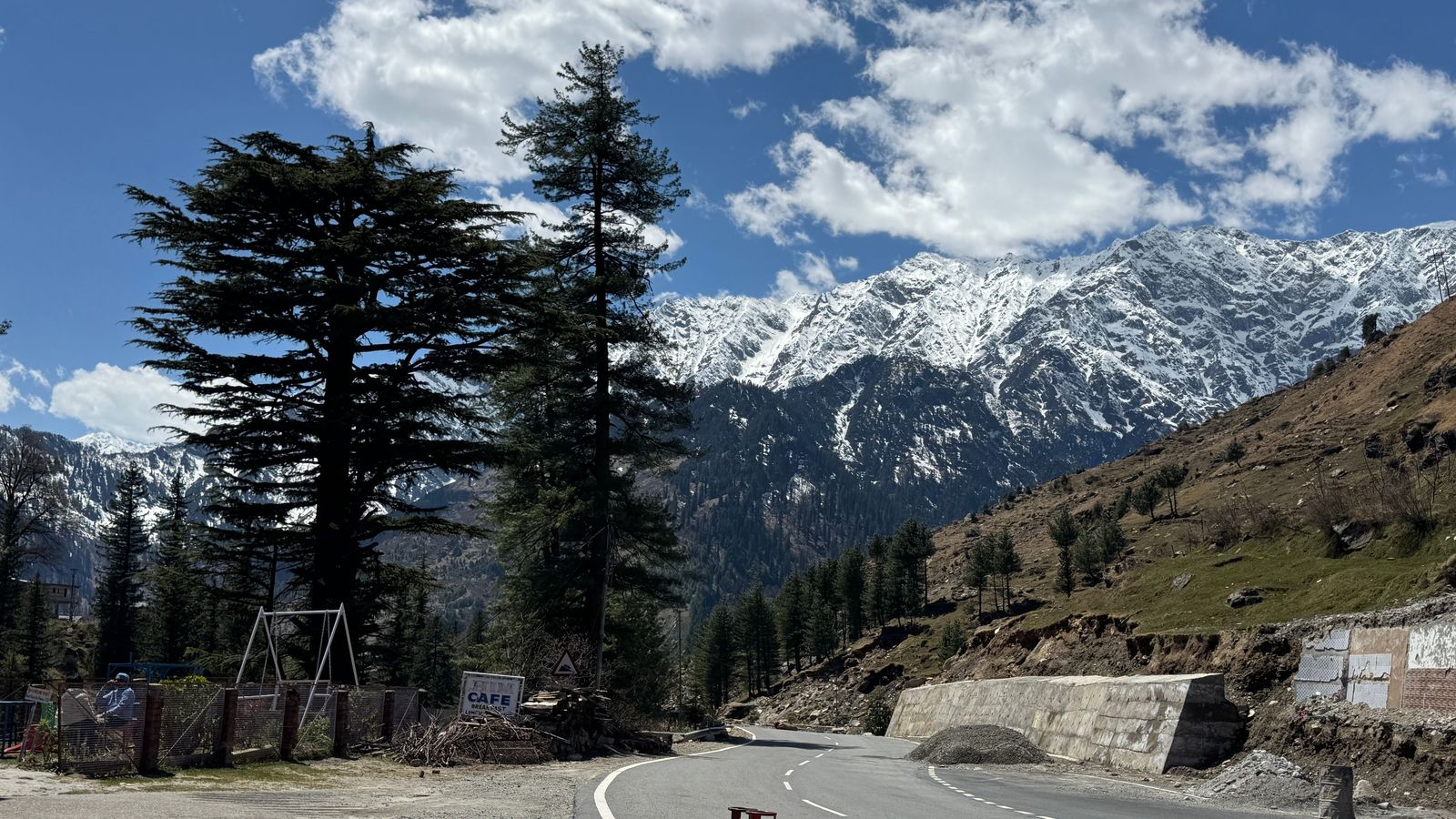
The drive: from the plains to the Uhl
Chandigarh to Mandi (about 190 km, 4 to 4.5 hours). Out through Kharar and Ropar to Kiratpur, then onto the four-lane Kiratpur-Ner Chowk road with its tunnels and viaducts, past Bilaspur and the Gobind Sagar lake to Sundernagar and Mandi. Mandi's old town, with its many stone temples along the Beas, is a pleasant lunch stop.
Mandi to Ghatasani (about 40 km, 1.5 hours). Leave Mandi on the highway towards Jogindernagar and Pathankot, climbing steadily through pine forest to the Ghatasani junction, a ridge-top village with dhabas and views.
Ghatasani to Barot (about 25 km, 1 hour). The final stretch is the one people talk about. The road narrows to a single lane and descends in tight bends towards the Uhl, with sheer drops on one side in places and passing bays where one car waits for another. Uphill vehicles get priority, horns are used at every blind corner, and experienced drivers take it slowly. It is not dangerous in daylight and dry weather; it is simply no place to hurry.
From Delhi (about 490 km, 11 to 12 hours). NH44 to Ambala and the Tricity, then the route above. We suggest either an overnight in Chandigarh or Mandi, or a 5 am departure so the Ghatasani descent happens in daylight.
From Bir, Palampur or McLeodganj. Bir is about 70 km away via Jogindernagar, around 2.5 to 3 hours; Palampur roughly 100 km. That makes Barot a natural extension of a Kangra trip; see Bir Billing by road and Palampur by road.
When to go, and when not to
- April to June: the most comfortable months, with warm days, cool nights and forests full of birdsong. Ideal for walks and camping.
- July to mid-September: the monsoon brings heavy rain and landslide risk on both the Mandi highway and the Ghatasani road. The valley is intensely green, but only travel with spare days.
- Late September to November: our pick. Clear air, autumn colour on the slopes and golden light on the reservoir, with few visitors.
- December to March: cold, with frost and sometimes snow in and above the valley, especially around Ghatasani. The road can close after heavy snowfall; an SUV or Innova with a driver used to winter conditions is strongly advised.
Local fairs in Mandi, above all the week-long International Shivratri fair in February or March, fill the town and slow traffic on the approach.
Cars, services and fares for Barot
Each Barot quote is built from the rate card on our fares page: per-kilometre pricing for road journeys, with the same rate whichever city you start in.
- Point-to-point drop from Chandigarh, Mohali or Panchkula to your Barot homestay, and a separate pickup whenever you are ready to leave.
- Kangra and Mandi loops with the car staying on for Bir, Palampur, Barot and Mandi; our Himachal taxi service page outlines popular circuits. The minimum on these is 250 km per calendar day, and the chauffeur's night allowance is Rs 1,500 per night.
- Airport meet-and-greet at Gaggal or Bhuntar, with the driver following your flight and holding a name card; after a domestic flight the first 30 minutes are free, then waiting is charged hourly.
- Small groups in a 12-seat Tempo Traveller, which suits the narrow valley road better than the larger versions; see 12 seater Tempo Traveller on rent.
- Winter SUVs: for December to March, we recommend a Fortuner or similar; details on Fortuner on rent.
| Vehicle | Chandigarh to Barot one way (240 km) | Delhi to Barot one way (about 490 km) | 3-day round trip from Chandigarh (750 km billed) | Kangra airport pickup (about 110 km) |
|---|---|---|---|---|
| Dzire or similar sedan | Rs 8,640 Pay Now to Reserve | Rs 17,640 Pay Now to Reserve | Rs 27,000 Pay Now to Reserve | Rs 3,960 Pay Now to Reserve |
| Ertiga MUV | Rs 10,080 Pay Now to Reserve | Rs 20,580 Pay Now to Reserve | Rs 31,500 Pay Now to Reserve | Rs 4,950 Pay Now to Reserve |
| Innova Crysta | Rs 13,680 Pay Now to Reserve | Rs 27,930 Pay Now to Reserve | Rs 42,750 Pay Now to Reserve | Rs 6,930 Pay Now to Reserve |
| Fortuner SUV | Rs 20,160 Pay Now to Reserve | Rs 41,160 Pay Now to Reserve | Rs 63,000 Pay Now to Reserve | Rs 12,360 Pay Now to Reserve |
| Tempo Traveller (12 seat) | Rs 18,720 Pay Now to Reserve | Rs 38,220 Pay Now to Reserve | Rs 58,500 Pay Now to Reserve | Rs 10,740 Pay Now to Reserve |
Add 5% GST to every figure above. Tolls, the Himachal entry tax on vehicles from other states, any parking and the night allowance are shown separately at actual cost. The three-day column bills 750 km under the daily minimum; the real distance is often a little less. For the Kangra airport run, the per-km figure falls below our minimum transfer fare for most vehicles, so the minimum applies. Payment is by card or UPI in the booker; companies get a GST invoice.
Cancelling? Do it more than 72 hours before the pickup and you pay nothing. Closer in, the charge is 10% of the fare from 72 hours, 50% from 48 hours and the whole fare from 24 hours or for a no-show; see the cancellation policy. Our cars are never more than four model years old.
Two nights in Barot: a sample plan
Day 1: Chandigarh to Barot (about 240 km). Depart at six, breakfast beyond Kiratpur, lunch in Mandi by noon, and reach Ghatasani by about 2:30 pm, leaving plenty of daylight for the descent. Evening walk along the reservoir.
Day 2: Valley walks and the hatchery (about 20 km by car). Drive a few kilometres upstream and walk back through Luhardi and Polling. Visit the trout hatchery area and the weir, then spend the afternoon by the river or on the edge of the Nargu forest with binoculars.
Day 3: Out via Jogindernagar and Bir (about 70 to 310 km). Climb back to Ghatasani early, then either head home to Chandigarh via Mandi, or turn west through Jogindernagar to Bir for an afternoon of watching paragliders and a night at a cafe-lined village. From there it is an easy onward drive to Palampur or McLeodganj. If you prefer another quiet river valley, Tirthan Valley by road is about three hours east via Mandi and Aut, and Kasol by road covers the Parvati valley beyond.
Practical tips for Barot
- Daylight rule: plan to be on the Ghatasani road before 4 pm in winter and 6 pm in summer.
- Cash and signal: there is no reliable ATM in the valley and mobile data can be weak; carry cash and download offline maps.
- Fuel: fill up in Mandi or Jogindernagar; the driver will handle this, but it is a useful reminder if you are self-planning onward legs.
- Parking: space is limited to the roadside and homestay yards. Any fee is passed on at cost.
- Clothing: evenings are cool even in June; bring a fleece, a rain shell from June to September and heavy woollens in winter.
- Respect the river: the Uhl runs cold and fast below the weir. Do not wade in, and keep children well back from the edge.
Starting from the Tricity? Our taxi service in Chandigarh page handles pickups across Chandigarh, Mohali and Panchkula, and the Tempo Traveller in Chandigarh page covers larger groups heading into the hills. Heading on towards the upper Beas instead? See Manali by road.