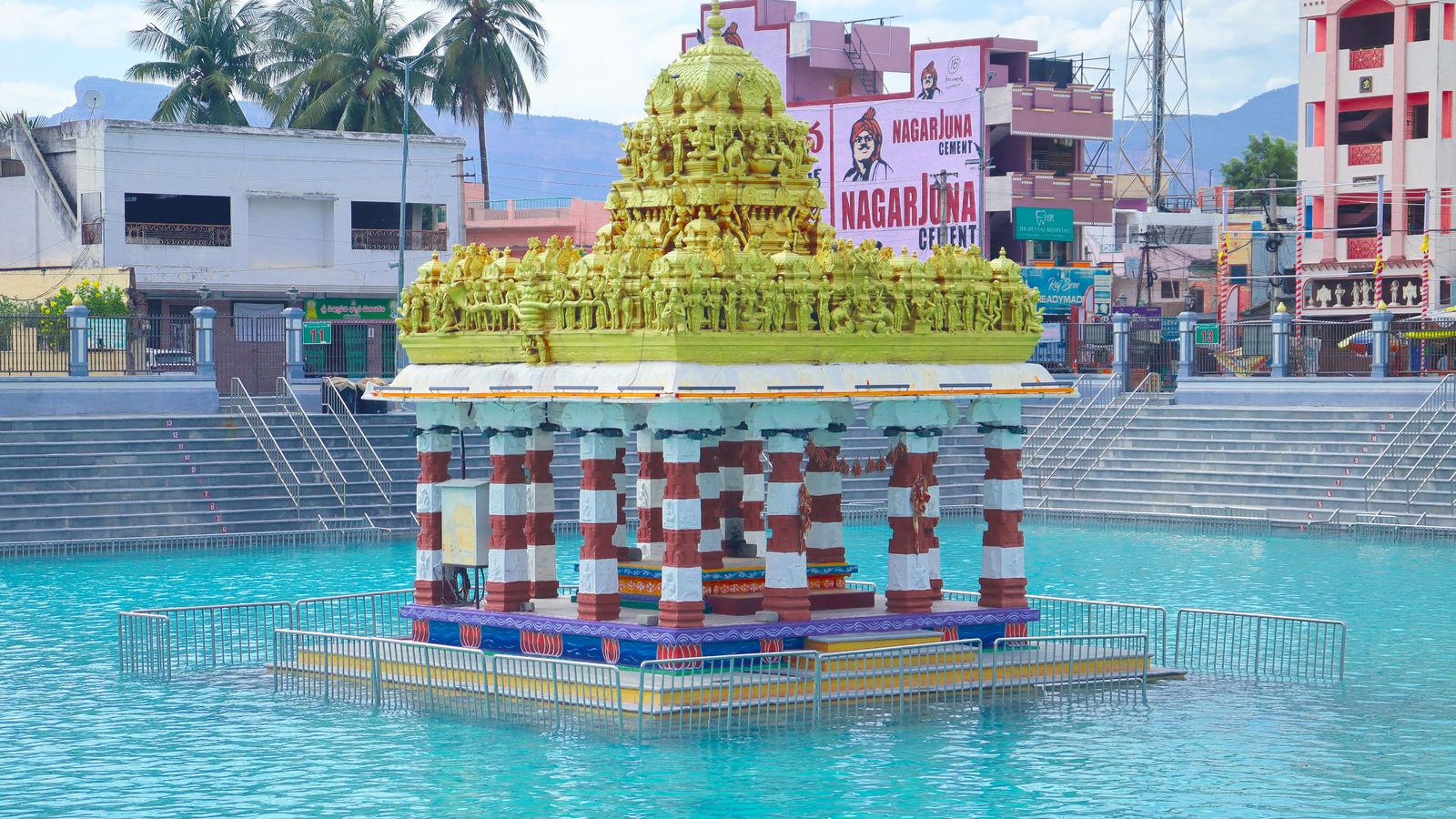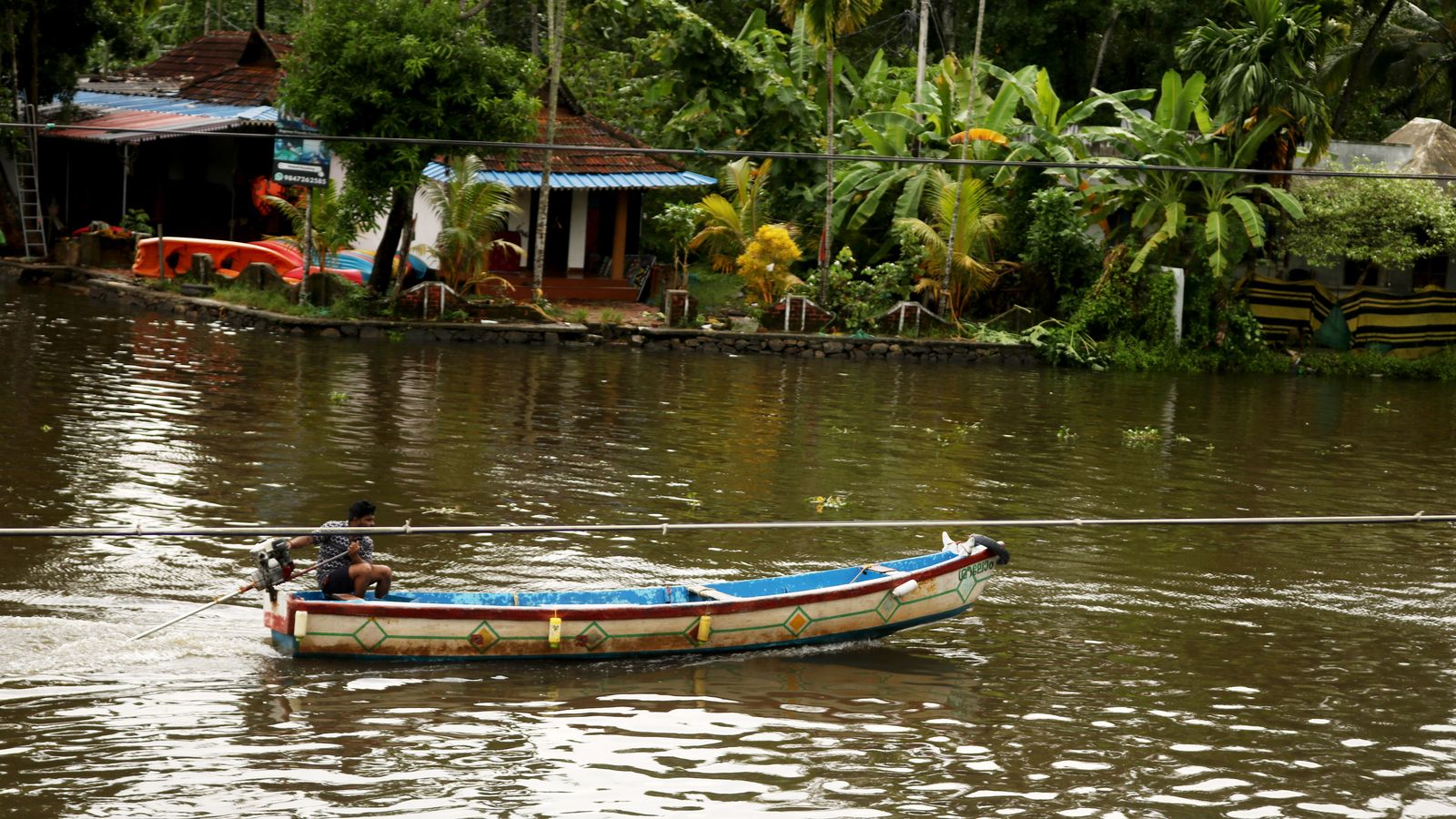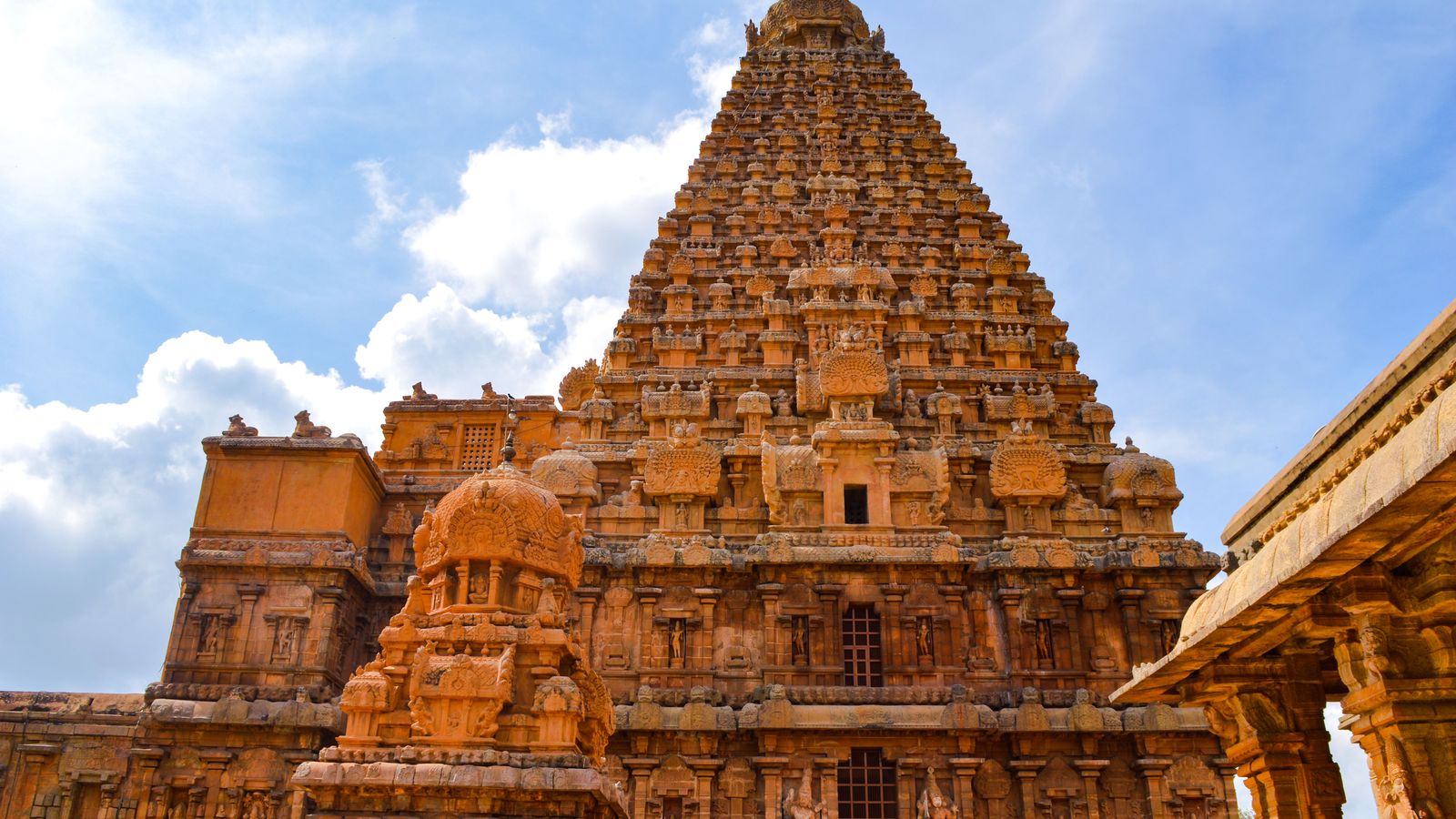
This South India tour package takes 6 days and 5 nights from Chennai to Madurai, stopping overnight at Mamallapuram, Puducherry and Thanjavur, with Chidambaram, Darasuram and Srirangam visited on the way. RutzIndia.com gives you one air-conditioned car and one chauffeur for the whole route, priced per kilometre with a 250 km daily minimum.
Who six days suits, and when to take eight
Six days is the tightest honest version of the Tamil temple trail. It covers the four big set pieces (the Pallava monuments by the sea, the French town, the Chola heartland and Madurai) without a single drive longer than about four hours, and it ends at an airport with flights to Chennai, Bengaluru, Mumbai and Delhi. That makes it the right length for first-time visitors with a week of leave, for couples who want mornings in temples and afternoons by a pool, and for families with older parents who would rather not sit in a car past lunch.
If you have two more days, the 8-day South India package carries on from Madurai to Rameswaram and down to Kanyakumari, and finishes at Thiruvananthapuram, which is handy if Kerala comes next. If you have fewer days, a Chennai to Pondicherry taxi with a night in Mamallapuram gives you the coast without the delta. Travellers starting in Bengaluru often look first at the Karnataka 5-day package instead, and all of these lengths sit together on the tour packages from Chennai page.
Temple etiquette and the timings your chauffeur plans around
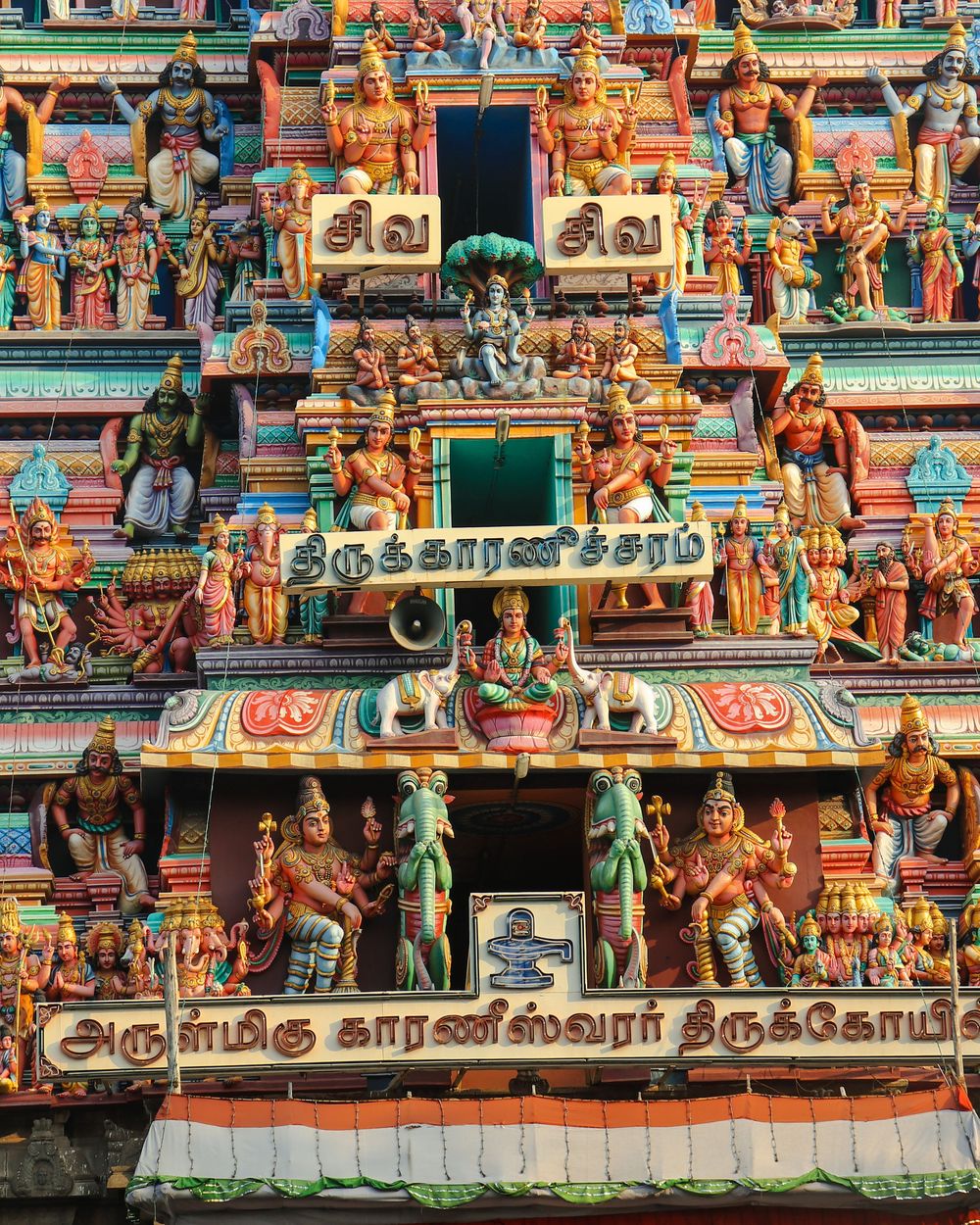
The daily rhythm here is set by the temples, not the traffic. Most large Tamil temples open at dawn, shut their inner sanctums for three or four hours in the early afternoon and reopen around four. Your chauffeur builds each day around that break: sights early, the drive in the midday gap, the next temple in the evening. That is why this itinerary puts Brihadisvara and Meenakshi first thing and the long legs after lunch.
A few rules matter on this route:
- Dress. Shoulders and knees covered for everyone; a cotton dhoti or long skirt is the easiest answer in the heat. Madurai is the strictest about this.
- Footwear. Shoes come off at the gate, and granite gets hot by eleven. Most temples have a shoe stand; the car is also a safe place to leave them.
- Phones and cameras. Meenakshi Amman does not allow mobile phones inside, and there are deposit counters at the gates. Other temples may ask for a camera ticket, and photography of the inner shrines is generally not allowed.
- Non-Hindu visitors. The outer halls and corridors are open to all, but the innermost sanctums at several temples are for Hindus only. Staff at the entrance will tell you where the line is.
The chauffeur waits with the car while you are inside, so bags, water and a change of clothes stay with you all day. Parking at the big temples is paid and added at cost, like tolls.
The coast road and the Kaveri delta: what the driving is like
The first two days follow the East Coast Road, a tolled two- and four-lane highway that stays close to the Bay of Bengal. It is flat and quick, with good tea and tender-coconut stops at the fishing villages. Weekend traffic out of Chennai can slow the first 20 km, so a Friday-evening arrival is worth avoiding if you can.
From Puducherry the car turns inland across the delta. The land is intensely farmed, and the highway through Chidambaram and Kumbakonam passes through town centres, bullock carts and paddy being dried on the tarmac, so average speeds drop. Allow the full time on the plan rather than what a map app suggests. Beyond Thanjavur the road to Tiruchirappalli and on to Madurai is a divided four-lane highway and the driving becomes easy again.
Fuel and clean washrooms are easiest at the larger highway restaurants and at the hotels you visit for lunch; your chauffeur knows which ones are reliable and will suggest a break every two hours or so. Tamil Nadu roads are generally good, but after heavy rain in November the delta roads can have standing water, which is another reason the plan keeps driving to daylight.
Where to stay each night
- Mamallapuram. The beach resorts along the ECR north and south of town are the comfortable choice, many with pools. Budget guesthouses cluster near the Shore Temple.
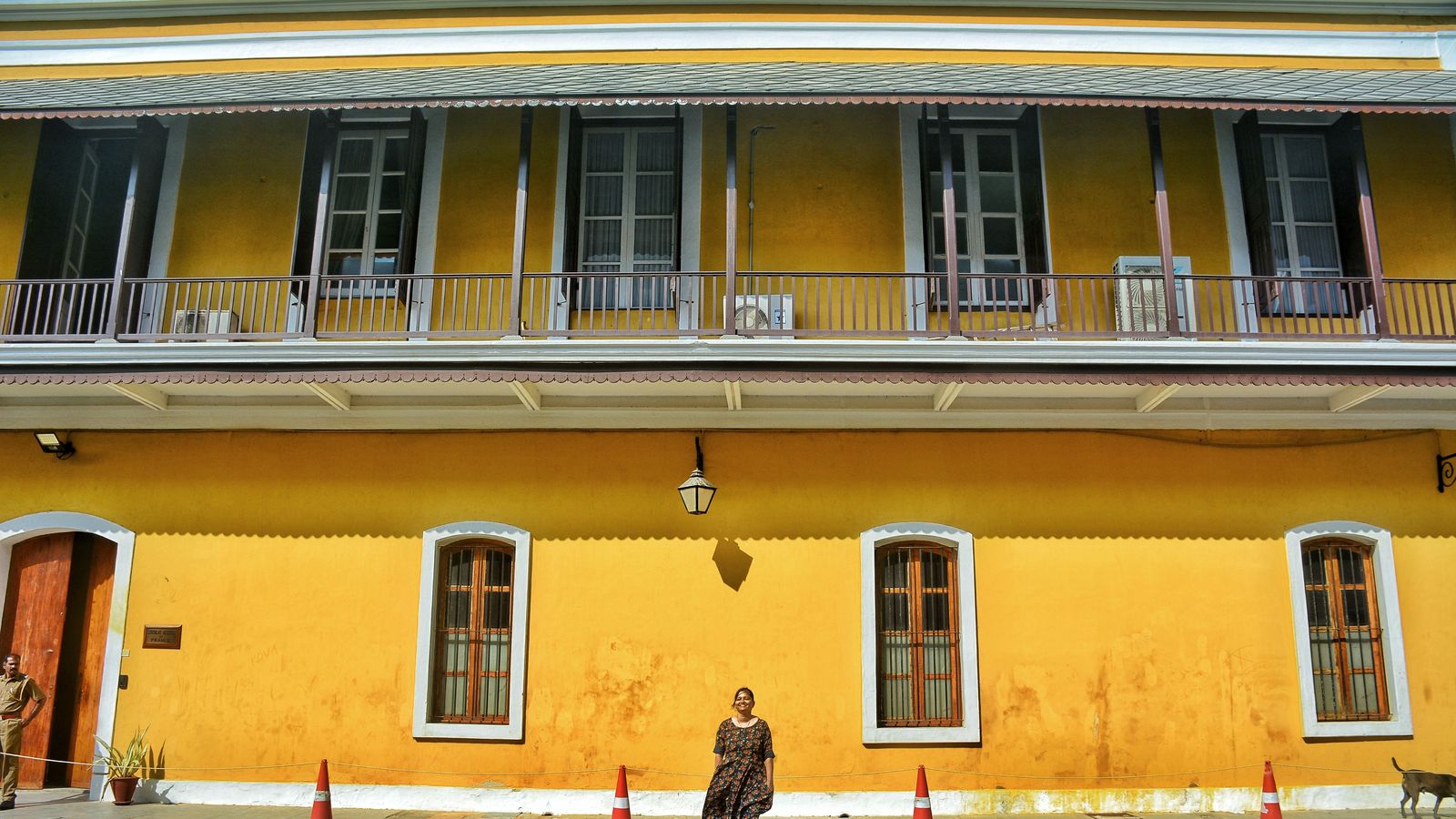
- Puducherry. Stay inside the French quarter (the grid between the canal and the sea) if you can: restored heritage houses, some turned into small hotels, put you within walking distance of the promenade and cafés. Larger business hotels sit on the main roads outside it.
- Thanjavur. A handful of business hotels are close to the big temple, and there are heritage stays in the countryside around Kumbakonam if you prefer a quieter night among paddy fields.
- Madurai. Hotels near the temple let you walk to the evening ceremony; resorts on the hills at the edge of town are calmer and have gardens.
The RutzIndia.com travel desk can book all five nights and send one written quote for car, rooms and breakfast.
Weather, festivals and months to avoid
November to February is the comfortable season: warm days, cooler mornings and low humidity. The northeast monsoon can bring heavy rain to the Chennai coast in late October and November, occasionally enough to close the ECR for a day, so keep one day of slack in a November trip. March is already hot, and April to June is fierce inland at Thanjavur and Madurai, with midday temple floors almost too hot to walk on.
Pongal, the harvest festival in mid-January, is a lovely time to see villages with kolam patterns outside every door, but hotels fill and some shops close for three days. Madurai's Chithirai festival in April and May draws very large crowds to the Meenakshi temple. Christmas and New Year push Puducherry and Mamallapuram prices up, so book early for those weeks. For background on the monuments, Incredible India's official tourism site and the Wikipedia entry on the Great Living Chola Temples World Heritage site are good starting points.
Choosing a car for a temple circuit
For two people a compact sedan such as a Swift Dzire is enough; a couple with big suitcases or a family of four will be more comfortable in an Ertiga or an Innova Crysta, which also has the ground clearance for village roads around Darasuram. Groups of eight to sixteen fit a Tempo Traveller, and a Force Urbania is the smoother, quieter option for larger family groups. The fleet page lists seats and luggage space for every class.
The car fare works the same way for every class. Billable distance is the actual kilometres or 250 km for each calendar day, whichever is higher; on six days that minimum is 1,500 km, which is more than the roughly 700 km this route actually covers. The per-km rates are Rs 72 for a sedan, Rs 84 for an Ertiga, Rs 114 for an Innova Crysta, Rs 160 for a Tempo Traveller and Rs 200 for an Urbania. A driver night allowance of Rs 3,000 per night is added, tolls and parking are charged at actual cost, and 5% GST applies. The fare table on this page does the multiplication for you. Every car on the road is within four model years.
Booking the car, then the rest
Book the car and chauffeur yourself in the web booker, paying by card or UPI; you get a GST invoice, which matters for company travel. For a single all-inclusive price with hotels, breakfasts and entry tickets, ask the travel desk for a written quote. Cancellation is free until 72 hours before pickup, 10% within 72 hours, 50% within 48 hours and 100% within 24 hours or on a no-show; the full terms are on the cancellation policy page. Want Chennai itself first? A Chennai taxi for a day of Mylapore and the Marina before the tour starts is easy to add.