This 5-day Odisha tour package is a private-car trip from Bhubaneswar to Konark, Puri and Chilika lagoon and back, with the same chauffeur throughout. Actual driving is about 360 km, so the fare is based on the 250 km-per-day minimum, or 1,250 km, at your car's per-km rate. Rooms and boats are quoted separately.
The fifth day: Chilika lagoon
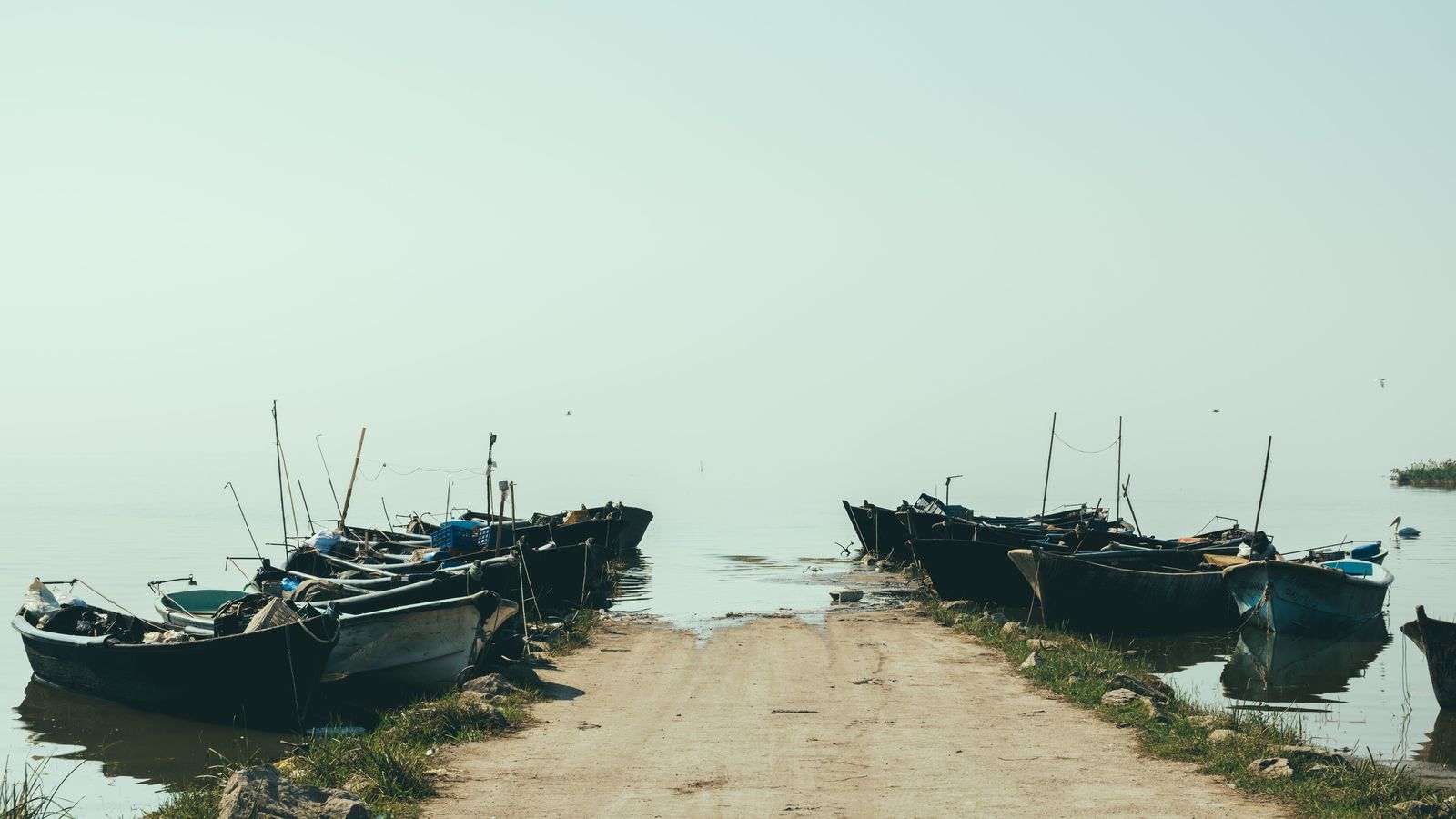
The extra day is what separates this package from the 4-day Odisha tour. Chilika is a vast brackish-water lagoon on the coast south of Puri, stretching over more than a thousand square kilometres in the wet season and separated from the Bay of Bengal by a long sandbar. It was India's first wetland of international importance under the Ramsar convention, and it supports thousands of fishing families.
The standard outing from Puri goes to Satapada on the lagoon's northeastern side, where motorboats take visitors out towards the mouth. Here small groups of Irrawaddy dolphins feed in the channels, surfacing briefly and quietly; sightings are common but never guaranteed. From November to February the lagoon is also a winter home for huge numbers of migratory ducks, geese and waders, with Nalabana island at its centre protected as a bird sanctuary. The Chilika Development Authority manages the lake and publishes information on its wildlife.
Is five days better than four?
For most travellers, yes, if the extra day is available. It turns a busy temple circuit into a more balanced holiday, adds wildlife and open water to the architecture, and gives children something memorable beyond the temples. The fifth day also adds some slack for the unexpected, such as a long darshan queue at Puri or a hot afternoon when a rest makes sense.
Stick with four days if you are on a tight long weekend or visiting mainly for pilgrimage. Keen birders might extend further and spend a night at Mangalajodi, a community-run wetland at the northern end of the lagoon known for close views of waders; the travel desk can price that variant.
Dolphins, birds and the boat
- Timing: dolphins are most active and the water calmest early in the day, which is why the car leaves Puri around 05:30. The round trip by boat usually takes a few hours.
- Boats: local motorboats operate from Satapada jetty under fixed fare charts; life jackets should be worn. Boat fees are paid locally or included in an all-inclusive quote from the travel desk.
- What to bring: a hat, sunscreen, water and binoculars. A telephoto lens helps with both dolphins and birds.
- Season: the lagoon is visited year-round, but the migratory bird season runs from about November to February, and the monsoon months can bring choppy water and cancellations.
Please ask the boatman to keep a respectful distance from the dolphins; crowding them with engines is a real concern for the population.
The temple towns, briefly
The first three days follow the classic loop. In Bhubaneswar, the Lingaraj temple admits Hindus only, with a viewing platform for others, while Mukteshwar, Rajarani and Parasurameswara are open to everyone and show how temple architecture developed over five centuries. The Lingaraja Temple article covers the history. The rock caves at Udayagiri and Khandagiri and the Ashokan edicts at Dhauli are within easy reach of the city.
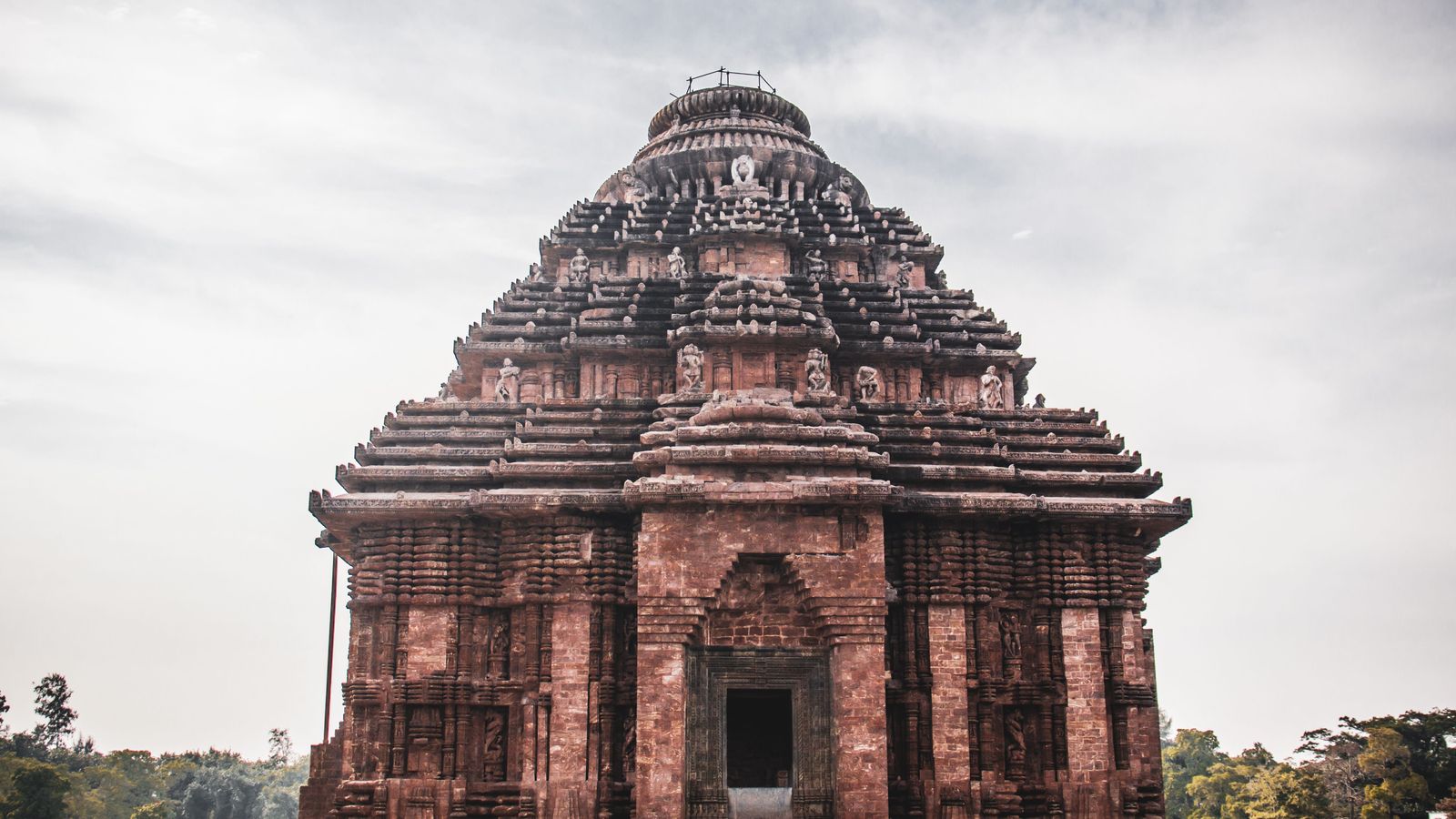
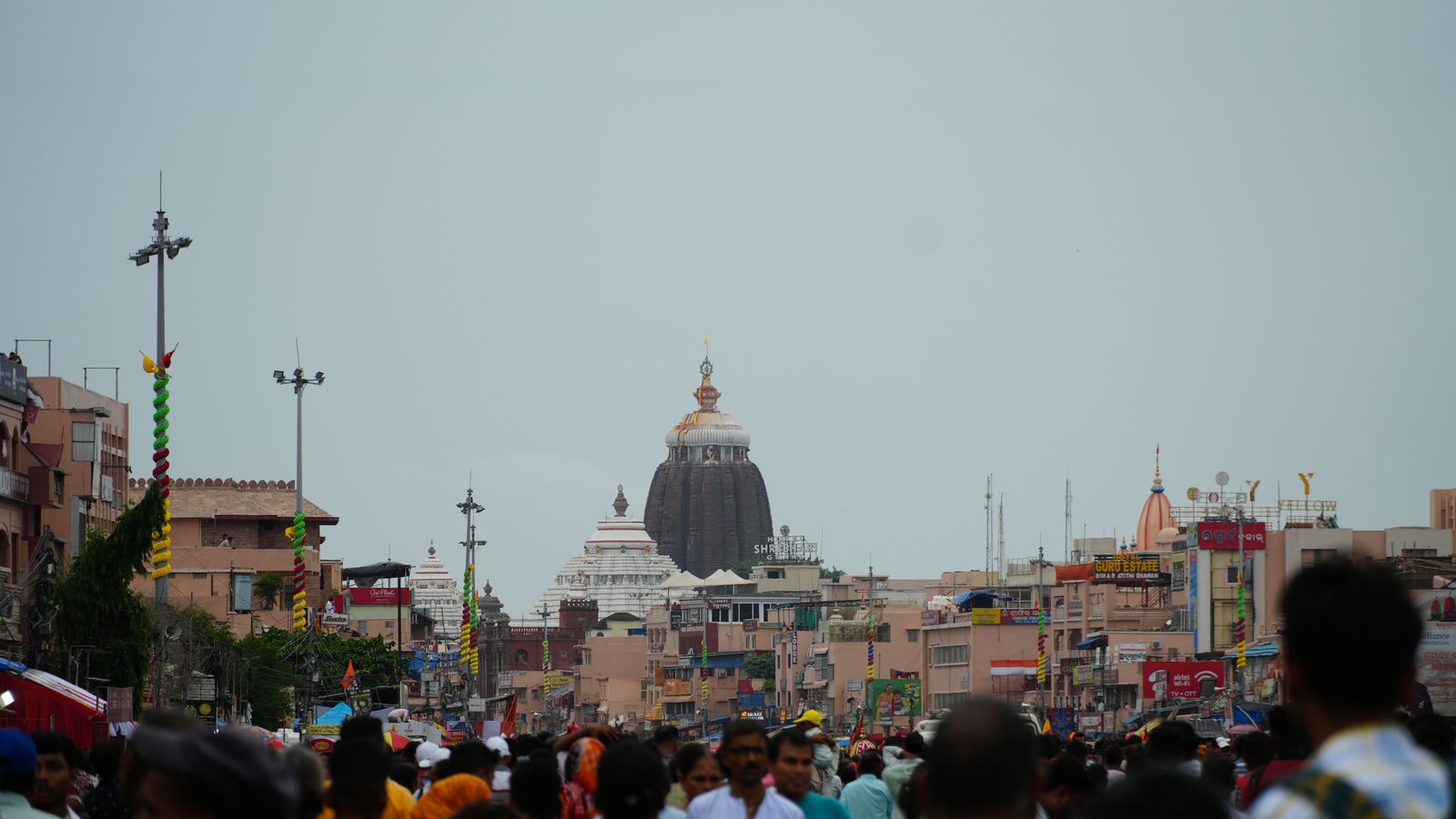
Konark's Sun Temple is the highlight for many; allow a couple of hours to walk around the chariot-shaped structure and its intricate stone reliefs. In Puri, the Jagannath temple is also restricted to Hindus, and phones and bags must be deposited before entry. The craft villages of Raghurajpur and Pipli bookend the stay in Puri. More background in our Konark road guide and Puri by road.
On the road
Distances are short and roads are flat. The longest single drive, Bhubaneswar to Konark and on to Puri, is about 100 km including stops. The Chilika day adds roughly 50 km each way between Puri and Satapada on a narrow country road through villages and paddy, which the chauffeur drives in the dark for the first stretch; allow around an hour and a half. Puri back to Bhubaneswar is an easy 60 km on the highway. Traffic is light except on festival days and around Puri's Grand Road, where cars may be stopped short of the temple.
Getting there and away
Most visitors fly into Bhubaneswar, which has direct services from the major metros, and the terminal is so close to the old town that you can be at a temple within half an hour of landing. Those arriving by train can be collected at Bhubaneswar station or at Puri's own terminus, which is served from Howrah and several other cities; starting in Puri simply reverses the order of the first days. For a round trip by road from Kolkata, the car and chauffeur can be booked from the city instead, but the drive along the coast highway is long, and the billable days increase to match.
The rhythm of the five days is steady rather than rushed. Day one is a short afternoon of temples after the flight, day two the only one with several stops, and day three has no transfer at all. The Chilika morning is early but finished by mid-afternoon, and the last day is a short run to the airport. Anyone who struggles with early starts can switch the lagoon trip to a later departure, accepting busier water.
Where to sleep
All four nights are split between Bhubaneswar (one) and Puri (three), which saves repacking. In Puri, pick a sea-facing hotel along the beach road for the sunrise; the eastern end near Chakratirtha Road is calmer than the Swargadwar crowds. In Bhubaneswar, choose a hotel near the airport side or the old town depending on your arrival time. There are simple eco-cottages near Satapada and at Mangalajodi for those who want a night on the lagoon. The travel desk can book all of these and combine them with the car on one written quote.
Seasons, festivals and weather
November to February is ideal: cool mornings, dry weather and the migratory birds on Chilika. October and March are warm but manageable. April to June is hot and humid on the coast, and July to September is monsoon, with rougher water on the lagoon. Cyclones can form in the Bay of Bengal around the change of seasons, and trips are rescheduled if warnings are issued.
Plan around the Rath Yatra in June or July, when Puri overflows with pilgrims and hotels sell out months ahead. The Konark Dance Festival in early December and the winter holiday weeks are also busy. Odisha Tourism lists festival dates each year.
Choosing the car and understanding the price
A couple travels comfortably in a sedan at Rs 72/km. A family of five fits an Ertiga at Rs 84/km or, more comfortably, an Innova Crysta at Rs 114/km. Groups can choose a Tempo Traveller at Rs 156/km or a Force Urbania at Rs 204/km for better seating; see the Innova Crysta on rent page or browse the fleet.
The fare in the table multiplies billable kilometres by the class rate. Five days at a minimum of 250 km a day means 1,250 km billed, well above the roughly 360 km actually driven. Add a driver night allowance of Rs 3,000 per night, tolls, parking and site entry tickets at actual cost, and 5% GST. Cars are within four model years.
Booking and cancellation
Book the car through the online booker by card or UPI and a GST invoice is issued. Request an all-inclusive written quote from the travel desk if you want hotels, the Chilika boat and a temple guide included. Cancellation is free until 72 hours before pickup; 10% applies within 72 hours, 50% within 48 hours and 100% within 24 hours or for a no-show, as detailed on the cancellation policy page. Travelling from Kolkata? See tour packages from Kolkata, and read our Chilika lake road guide.