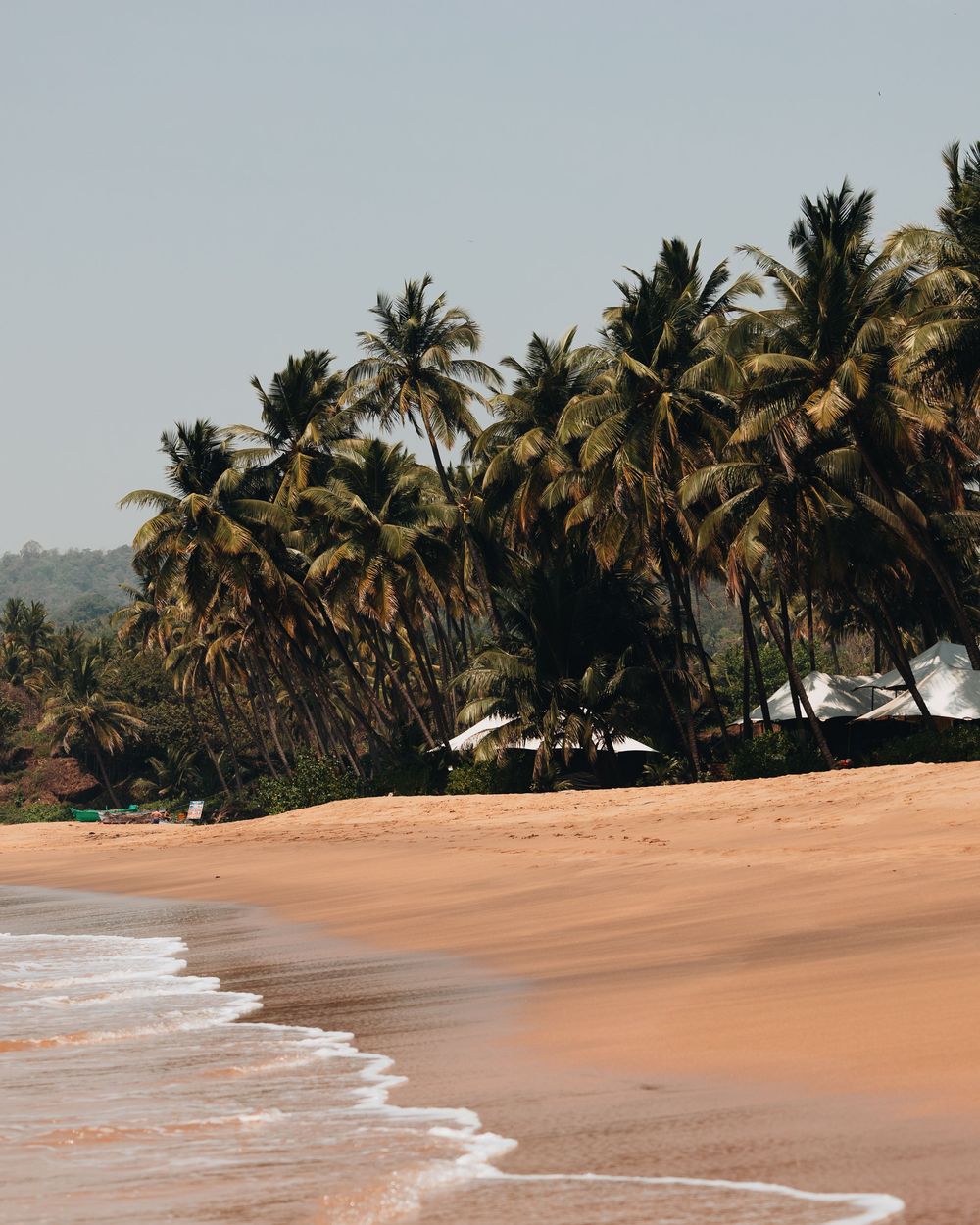
RutzIndia.com's 4-day Goa tour package is three nights with one private car and chauffeur from Dabolim or Mopa: North Goa's beaches and headlands, Old Goa and Panaji, then a full day in South Goa at Colva, Chandor and Palolem. The car is priced per kilometre on a minimum of 250 km per day.
Four days, both coasts
Goa is really two holidays in one state. The north is sociable and busy, with the famous beaches, the shacks, the markets and the restaurants. The south is broader, quieter and greener, with long empty sands, fishing villages and grand old family homes. Three days is enough for the north and the heritage sites; four lets you spend a full day in the south without cutting anything else short. That is why it is the length most of our Goa guests choose.
This plan keeps you in one hotel in the north for all three nights, because the day trip south is easily done by car and changing hotels in a short stay wastes half a day. If you would rather stay in the south, the itinerary can simply be turned around. The shorter 3-day Goa package leaves out the south; the 5-day Goa package adds Dudhsagar falls, the spice plantations and a ferry to Divar island.
Four days also leaves slack for the things that happen on holiday: a lazy morning after a late dinner, a sudden wish to see a sunset from a different beach, or a rain shower that pushes the church visit to the afternoon. With the same chauffeur every day, changing the plan is a conversation over breakfast rather than a fresh negotiation with a new driver, and he gets to know how early your group really likes to start.
The south, stop by stop
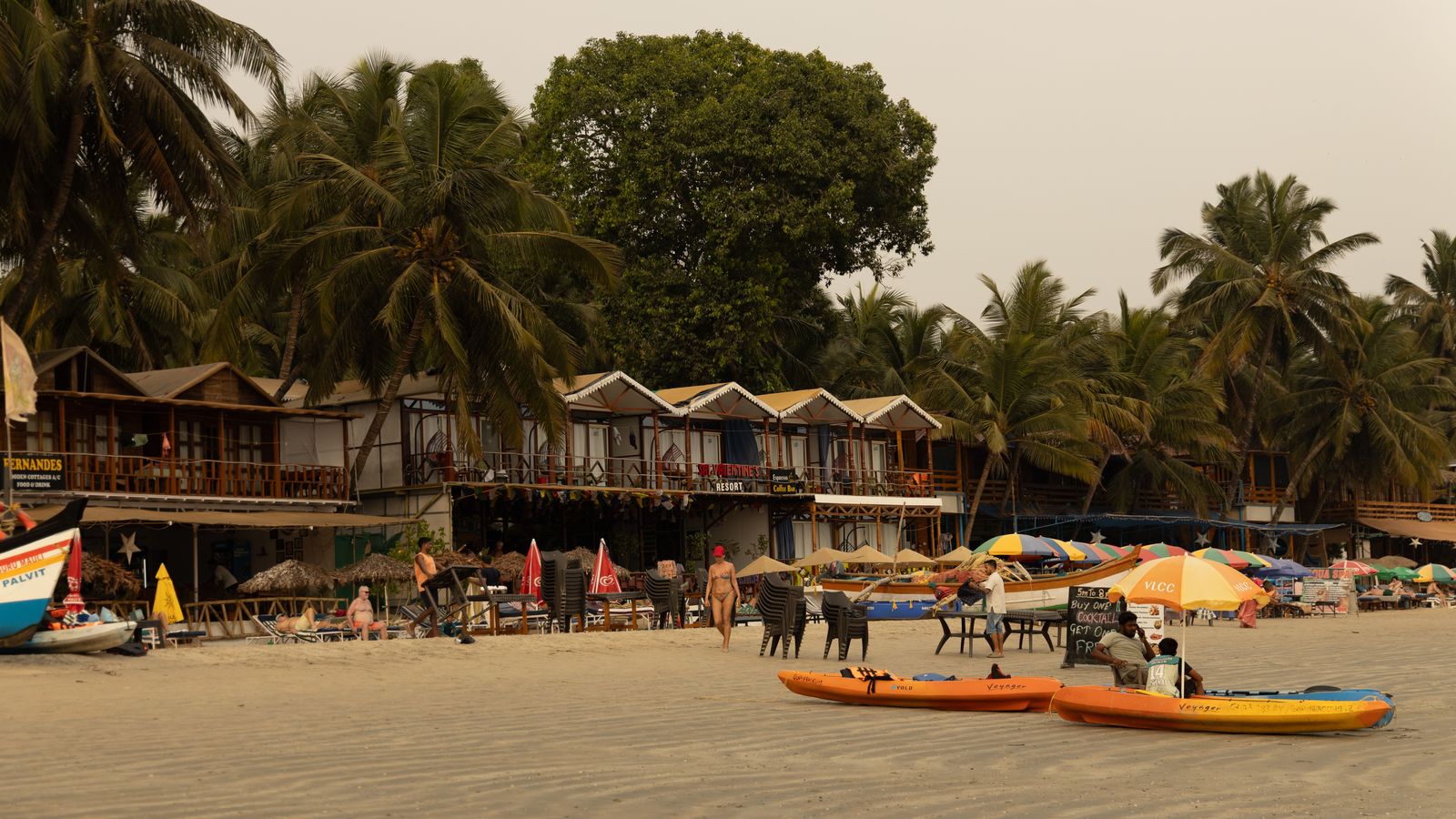
Colva and Benaulim share one long, flat beach that runs for kilometres down the coast, with fishing boats drawn up on the sand and far fewer people than in the north. It is a good place for a walk and a swim before the heat.
Chandor is inland, among paddy fields. Its Braganza House is a vast 17th-century mansion divided between two branches of the family, with a ballroom, carved rosewood furniture and a private chapel. Visitors are shown round by family members, and a donation is expected rather than a fixed ticket. It is one of the most memorable stops in Goa.
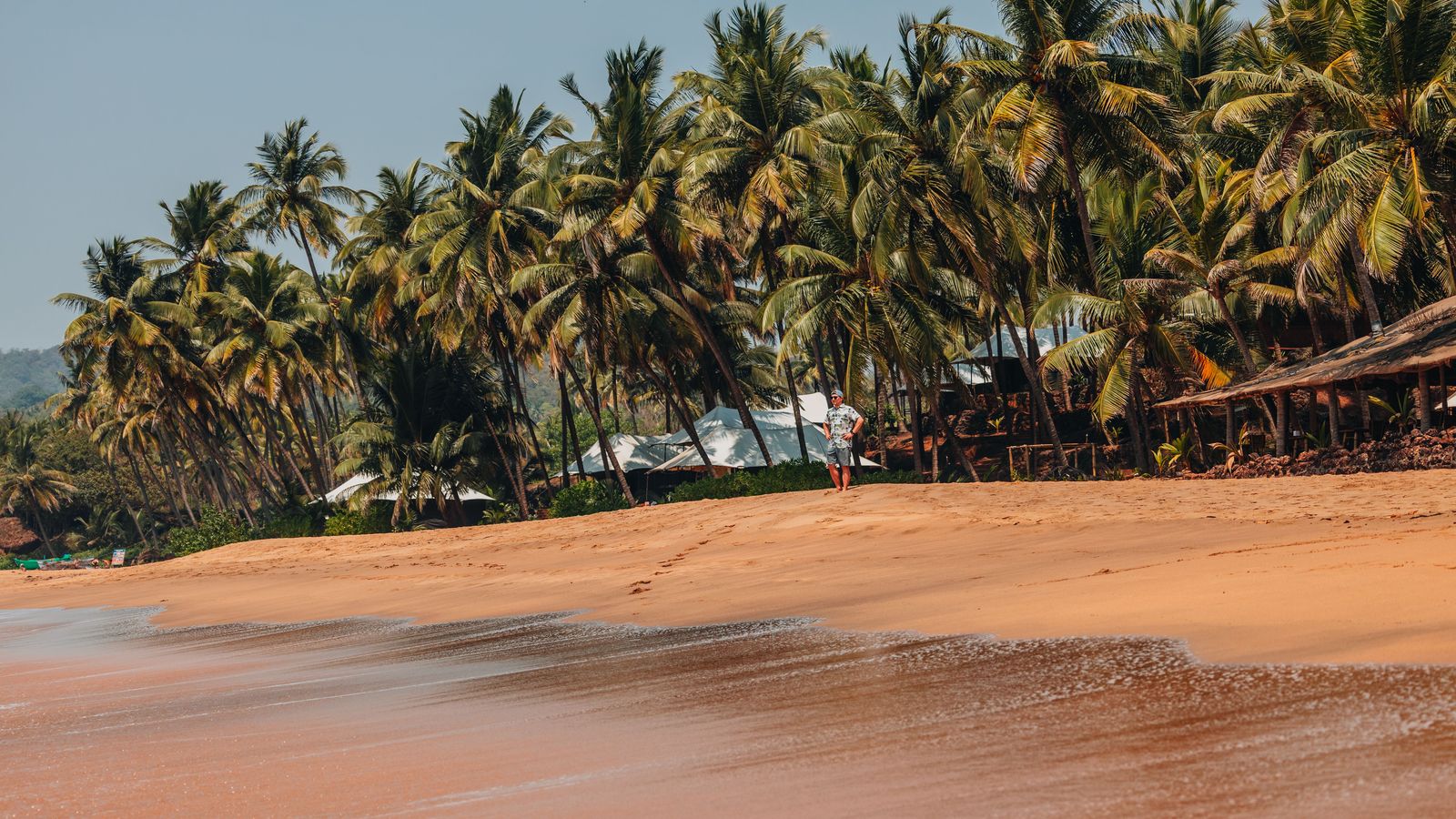
Palolem is the southern postcard: a sheltered crescent of sand backed by palms, calm water in the season and a relaxed village behind it. On the way, Cabo de Rama fort on its cliff and the beach at Agonda are both worth a detour if you start early.
The day is about 140 km of driving in total, roughly four to four and a half hours, spread out between stops. The chauffeur usually suggests leaving by nine and heading back after sunset.
The roads, and what the chauffeur plans around
Goa's main north-south road is NH 66, now crossing the Mandovi on the Atal Setu at Panaji and the Zuari on a new cable-stayed bridge, which has cut the time to the south considerably. Away from the highway, roads are narrow, winding and shared with scooters, cows and buses, and the stretch through Calangute and Baga can be very slow on season evenings. Parking at the popular beaches and in Panaji is limited and often paid. The chauffeur drops you at the entrance, finds a spot and comes back when you call.
Two things are worth knowing. First, Goa's markets and sights run on their own calendar: the Anjuna flea market is on Wednesdays in season, the Mapusa market is at its biggest on Fridays, and many churches close for a lunch break. Second, the distance between the airports and the beaches varies more than people expect, so allow for it on the last day.
Where to stay
- Candolim and Sinquerim: convenient for everything in the north, with a range from small guesthouses to large resorts.
- Calangute and Baga: the busiest area, good for nightlife, less so for a quiet sleep in peak season.
- Assagao, Siolim and Parra: boutique villas and small hotels inland, a short drive from the beaches.
- Panaji: heritage guesthouses in Fontainhas and business hotels on the riverfront, useful if you are in Goa partly for work.
- South Goa: if you would rather be based in the south, the resorts at Cavelossim, Varca and Benaulim, or the beach huts at Palolem and Agonda, work well.
The travel desk can book any of these through BookingWorldwide.net and send one written quote with the car.
Weather, festivals and busy weeks
Goa's season runs from November to February, with bright, dry weather and a calm sea. Christmas and New Year are the busiest weeks of the year; book the car and the hotel early for those dates. Carnival falls in February or March, before Lent, with parades in Panaji, Margao and other towns; Shigmo, a spring festival with its own processions, follows soon after. From March to May the heat rises and rates fall. The monsoon from June to September closes the sea for swimming but turns the whole state green. The Goa Tourism site lists state-run events.
Eating your way round Goa
Food is half the reason many people come, and a car makes the good places reachable. In the north, the beach shacks do grilled fish, prawns and cold drinks with your feet in the sand, while the old houses of Assagao, Siolim and Parra have been turned into some of the best restaurants in the state. Try the classics: a Goan fish curry with rice, pork vindaloo, chicken xacuti or cafreal, and bebinca, the layered coconut dessert, to finish. Poi, the local bread, comes from village bakers who still deliver it by bicycle in the mornings.
In Panaji, the old tavernas around Fontainhas serve home-style Goan food, and the riverfront has cafes for the evening. In the south, Benaulim and Colva have simple fish restaurants run by fishing families, and Palolem's beach cafes are relaxed places for a late lunch. Feni, the spirit distilled from cashew fruit or coconut sap, is a Goan speciality; the chauffeur will be driving, so you can try it. On the last morning, the Mapusa market is the place for cashews, kokum, spice mixes and chouriço sausages to take home.
Which car, for how many
- Couples: a sedan is ideal on narrow village roads.
- Families of four or five: an Ertiga or, for more room, an Innova Crysta.
- Celebrations and anniversaries: a Mercedes E-Class through our luxury range.
- Groups of eight to twelve: a Tempo Traveller in Goa.
All cars are within four model years; the full list is on the fleet page.
How the fare is worked out
The car fare is the higher of the actual driving, about 320 km over four days here, and 250 km for each calendar day, which comes to 1,000 km. The minimum therefore decides the price. It is multiplied by the class rate: Rs 72/km for a sedan, Rs 84 for an Ertiga, Rs 114 for an Innova Crysta, Rs 330 for a Mercedes E-Class and Rs 160 for a Tempo Traveller. To that are added the chauffeur's night allowance of Rs 3,000 per night, parking and any tolls at cost, and 5% GST. The fare table on this page shows the figures for each class.
With 680 km of margin between the plan and the minimum, you can add excursions without paying more for the car: a sunset at Cabo de Rama, a morning at the spice farms near Ponda, or a longer day in the north.
Booking the car
Book in the online booker, pay by card or UPI, and request a GST invoice if needed. Cancellation is free more than 72 hours before pickup, 10% within 72 hours, 50% within 48 hours and 100% within 24 hours or for no-shows. The details are on the cancellation policy page.