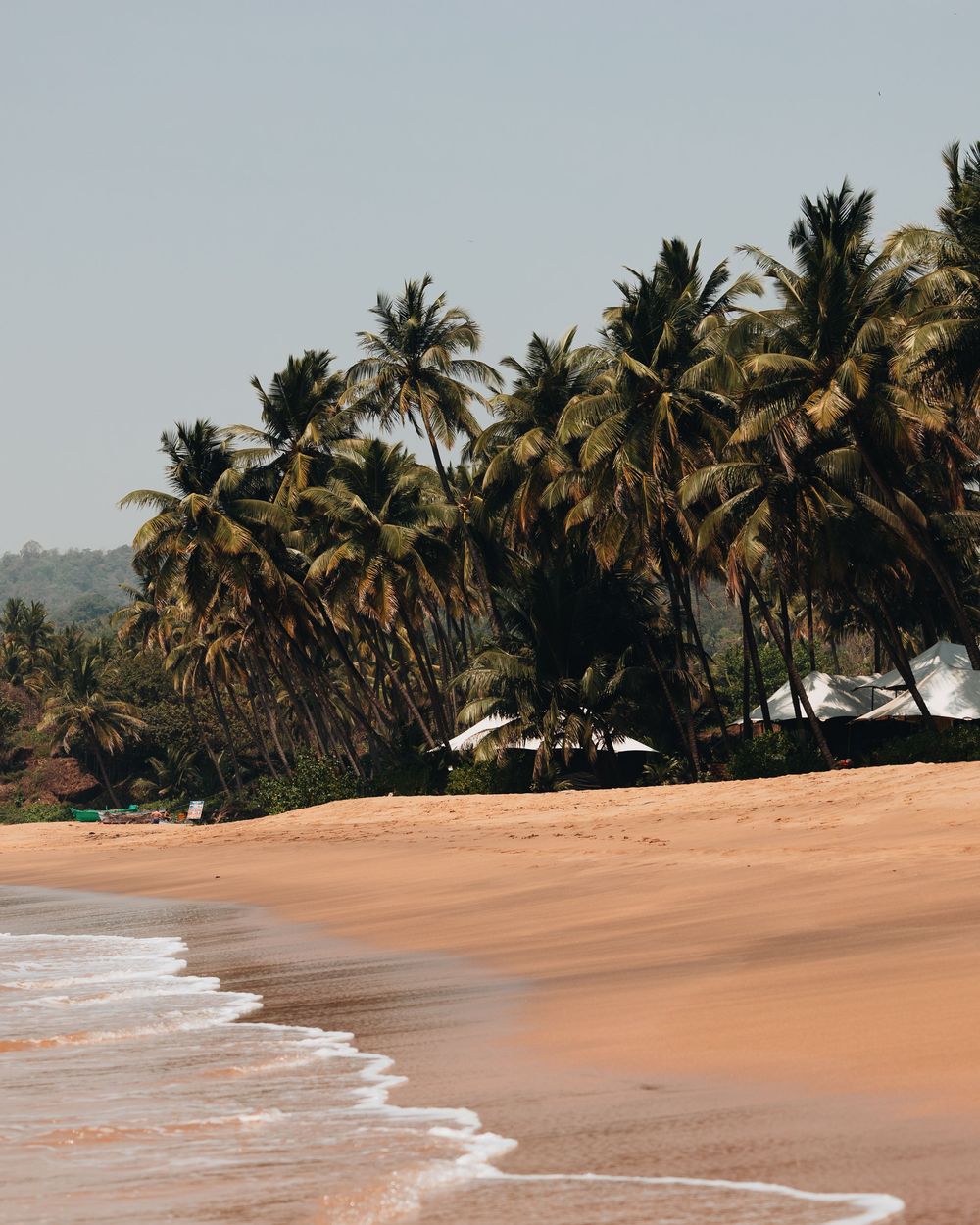
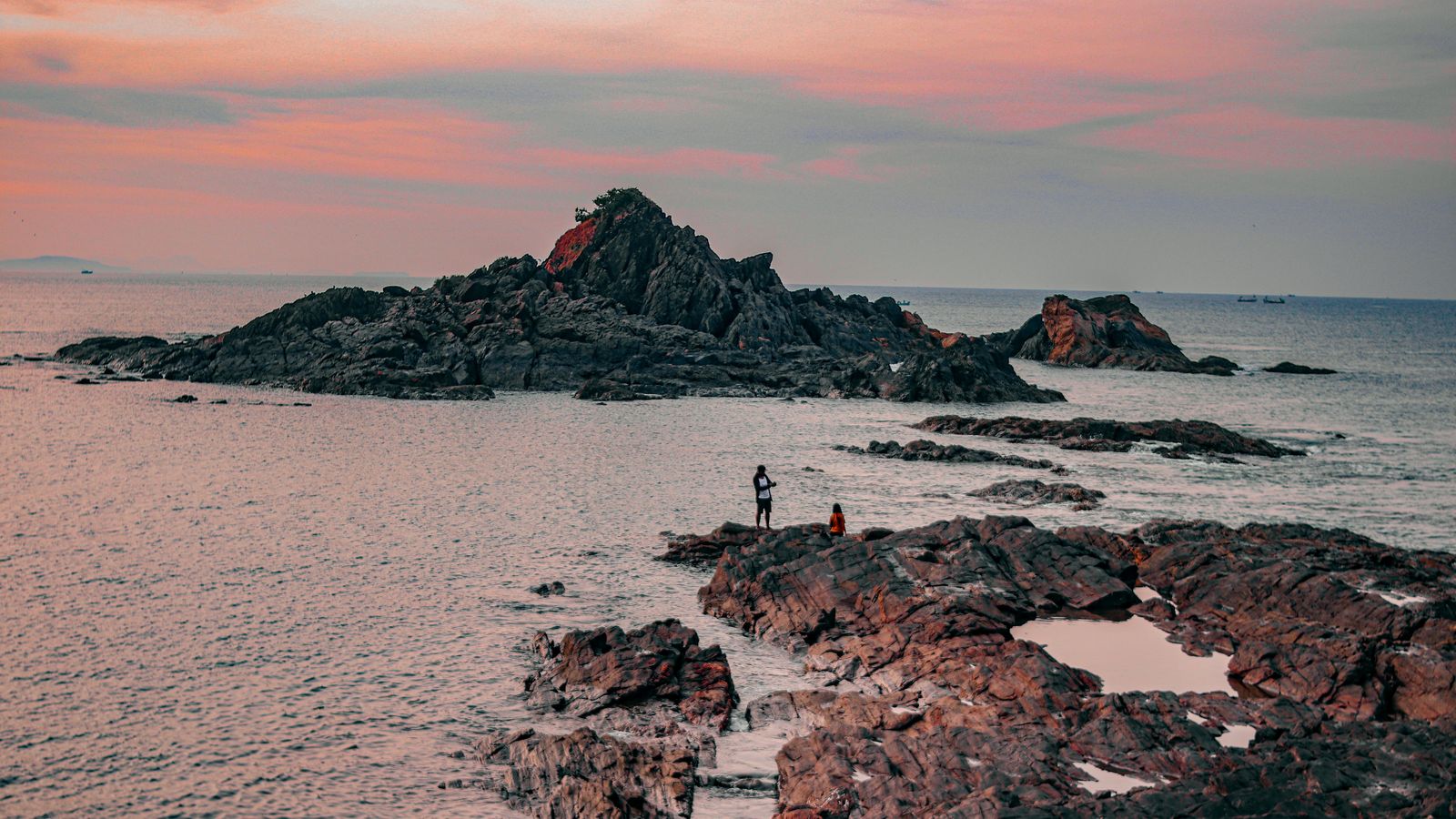
The RutzIndia.com Goa tour package for 5 days gives you four nights with a private car and chauffeur from Dabolim or Mopa: both coasts, Old Goa and Divar island, Dudhsagar falls and the Ponda spice farms. The car is billed per kilometre on the higher of actual driving or 250 km a day.
The Goa beyond the beach
Most people know Goa as a coastline. But the state rises steeply inland to the forests of the Western Ghats, and in between lie river islands, rice fields, temple towns and spice gardens that many visitors never see. Five days is enough to see both. You get the northern beaches, the south's long sands and the churches of Old Goa, plus a ferry ride to a quiet island, a day in the forest at one of India's tallest waterfalls, and a walk through a spice farm.
It suits families who want a varied week, repeat visitors who have done the beaches before, and anyone who likes a holiday with something to do each morning and a beach every afternoon. If you would rather keep things simple, the 4-day Goa package covers both coasts and the heritage sites, and the 3-day version sticks to the north and Old Goa.
Dudhsagar: what the day actually involves
Dudhsagar falls drops in several tiers down a forested cliff on the Mandovi river, on the Goa-Karnataka border inside the Bhagwan Mahaveer Wildlife Sanctuary. The falls are not reached by private car. Your chauffeur drives you to Kulem, near Mollem, where forest-department-regulated jeeps take visitors along a rough track through the sanctuary, including river crossings, to a point a short walk from the base of the falls. The jeep ride is bumpy and not suitable for people with back problems or very young babies.
The jeep service normally stops during the monsoon, when the water level and the track make it unsafe, and resumes in the autumn. That is why the season listed for this package is October to March: the falls are at their fullest just after the rains, and the jeep route is open. Jeep tickets, forest entry and life jackets are paid on the spot or booked through the travel desk; they are not part of the car fare. Leave early, as the queue at Kulem grows through the morning.
Near Mollem, the Tambdi Surla Mahadev temple, a small 12th- or 13th-century stone temple of the Kadamba period hidden in the forest, is one of the oldest surviving temples in Goa and makes a good addition if time allows.
The spice belt and the temple towns around Ponda
Ponda, in the centre of the state, was where Hindu temples were rebuilt inland during the Portuguese period, and the countryside around it is full of them. Shri Mangueshi at Priol and Shri Shantadurga at Kavlem are the best known, with lamp towers and tiled roofs; dress modestly and remove your shoes at the entrance. The same area has several spice plantations that offer guided walks through areca, pepper, cardamom, cinnamon and vanilla, followed by a lunch of Goan food served on a banana leaf.
Divar island and the river ferries
Goa's rivers are still crossed by ferry in several places, and the short hop from Old Goa to Divar island is one of the nicest. Divar is a world away from the coast: rice fields, old Goan houses and a hill crowned by the Church of Our Lady of Compassion, with views back across the Mandovi. The ferries carry cars and run throughout the day. The chauffeur takes the car over so you can drive around the island at an easy pace. On the way back, the Ribandar causeway along the river is a pretty route into Panaji in the late afternoon, and it brings you to Fontainhas just as the light turns golden.
Roads, parking and planning
Goa's roads are good by Indian standards, and the new bridges over the Mandovi and the Zuari have made north-south journeys quicker. The road east to Mollem crosses the middle of the state through Ponda and is a busy freight route, so an early start helps. Parking at the popular beaches, in Panaji and at Old Goa can be limited and is sometimes paid; the chauffeur drops you and finds a spot. Tolls are few; parking and any tolls are passed on at actual cost.
For the Dudhsagar day, wear shoes that can get wet, carry a change of clothes and a small towel, and keep phones in a waterproof pouch, as the jeep crosses streams and spray from the falls carries a long way. There is little food at the jeep point itself, so the chauffeur usually stops for breakfast on the way and plans lunch at the spice farm. Mobile signal fades inside the sanctuary; agree a meeting time before you get into the jeep.
Where to base yourself
For this plan, one hotel in the north for all four nights is the most practical, as every day trip starts easily from there. Candolim and Sinquerim are central and family-friendly; Calangute and Baga are livelier; the inland villages of Assagao and Siolim have boutique stays. A few travellers split the stay, three nights north and one in the south. The travel desk can book either option through BookingWorldwide.net and send a single written quote with the car.
Seasons and festivals
- October: the monsoon has just ended, the falls are full and the countryside is green; some beach shacks are still being set up.
- November to February: the best weather and the busiest time; prices peak around Christmas and New Year. The Feast of St Francis Xavier on 3 December fills Old Goa.
- February or March: Carnival parades before Lent, then the Shigmo festival.
- April and May: hot, with fewer visitors.
- June to September: monsoon; the sea is closed for swimming and the Dudhsagar jeeps usually stop.
The Goa Tourism site lists the dates of state-run festivals.
Choosing a car for five days
Two people will be comfortable in a sedan, while families of four to six should choose an Innova Crysta, or an Ertiga if the budget is tight. A Fortuner handles the inland roads well for those who want an SUV. For groups of eight or more, a Tempo Traveller in Goa or a Force Urbania keeps everyone together. All cars are within four model years. See the fleet for the full range.
How the car fare is calculated
The car is priced on the greater of the trip's actual kilometres, about 480 here, and 250 km per calendar day, which for five days comes to 1,250 km. So the day minimum is what sets the fare. It is multiplied by the rate for your class: Rs 72/km for a sedan, Rs 84/km for an Ertiga, Rs 114/km for an Innova Crysta, Rs 168/km for a Fortuner, Rs 156/km for a Tempo Traveller and Rs 204/km for an Urbania. The chauffeur's night allowance of Rs 3,000 per night, parking and tolls at actual cost, and 5% GST are added. The table on this page shows the figures.
The margin between the plan and the minimum is more than 700 km, which is enough for a day trip across the border to Gokarna in Karnataka, a longer day in the south, or a detour to Tambdi Surla, without adding to the car fare.
Booking and cancellation
Book in the online booker and pay by card or UPI; a GST invoice is available. Cancellation is free more than 72 hours before pickup, then 10% within 72 hours, 50% within 48 hours and 100% within 24 hours or for a no-show. See the cancellation policy for the full terms.