Every winter, birds from Central Asia, Siberia and the Himalaya fly thousands of kilometres to a patchwork of shallow lakes and woodland on the edge of the town of Bharatpur. The Keoladeo National Park, once the private duck-shooting reserve of the Maharajas, is now a UNESCO World Heritage Site and one of Asia's best-known birding wetlands. It sits right on the Agra-Jaipur highway, so Bharatpur by road is an easy add-on to any Golden Triangle trip, or a rewarding day out from Agra on its own. This guide covers the drive from Agra, Delhi and Jaipur, the 2026 RutzIndia.com cab fares, how visiting the park actually works (your car stops at the gate), the best months for different birds, and a day plan that includes the Lohagarh fort and the palaces of Deeg.
Bharatpur by road: how far from Agra, and what does a cab cost?
Bharatpur is about 55 km west of Agra on the Agra-Jaipur highway (NH-21), usually a 1 to 1.5-hour drive. The one-way drop is short, so the minimum fare applies: Rs 3,630 Pay Now to Reserve in a Dzire-class sedan and Rs 6,390 Pay Now to Reserve in an Innova Crysta. A same-day round trip is billed on the 250 km daily minimum, so Rs 9,000 Pay Now to Reserve in a sedan and Rs 14,250 Pay Now to Reserve in an Innova. Fares are before 5% GST.
RutzIndia.com prices outstation trips per kilometre and every return trip on the higher of actual distance or 250 km per calendar day. Because Agra-Bharatpur-Agra is only about 110 km, the daily minimum applies, and it leaves you plenty of room to add Fatehpur Sikri (about 20 km from Bharatpur) or Deeg (about 35 km) at no extra kilometre cost. Tolls on NH-21 and parking at the park gate are billed as paid. If Bharatpur is just one part of your time in Agra, the Agra taxi service offers local 8 hr/80 km sedan hire at about Rs 6,620 Pay Now to Reserve.
What to see in Bharatpur
Keoladeo National Park
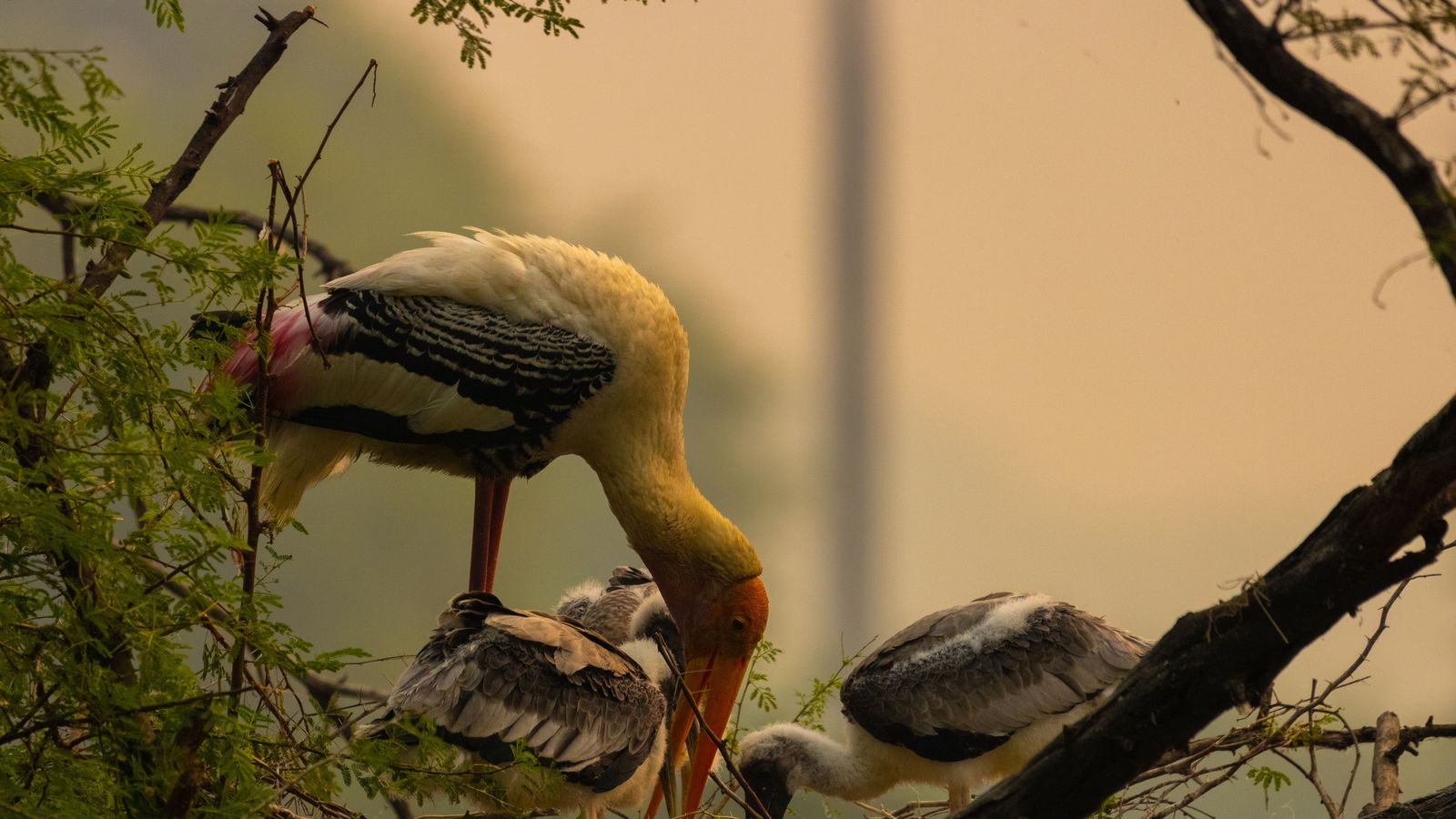
Keoladeo, often still called Ghana, is a mosaic of marshes, grassland and dry woodland of roughly 29 square kilometres, created in the nineteenth century by diverting water into a natural depression. Over 350 bird species have been recorded. In winter the lakes fill with bar-headed and greylag geese, pintails, shovelers, ruddy shelducks, coots and cormorants, while pelicans, spoonbills and several species of eagle patrol the skies. Monsoon brings the nesting colonies of painted storks, openbills, egrets and herons, which crowd the acacia trees in their thousands. The famous Siberian cranes that once wintered here have not been seen for many years, but sarus cranes, the tallest flying birds in the world, are regularly spotted. Mammals include nilgai, sambar, jackals and fishing cats, and rock pythons sun themselves near the Python Point burrows in winter. The Keoladeo National Park article on Wikipedia is a solid introduction to its ecology and history.
Lohagarh Fort
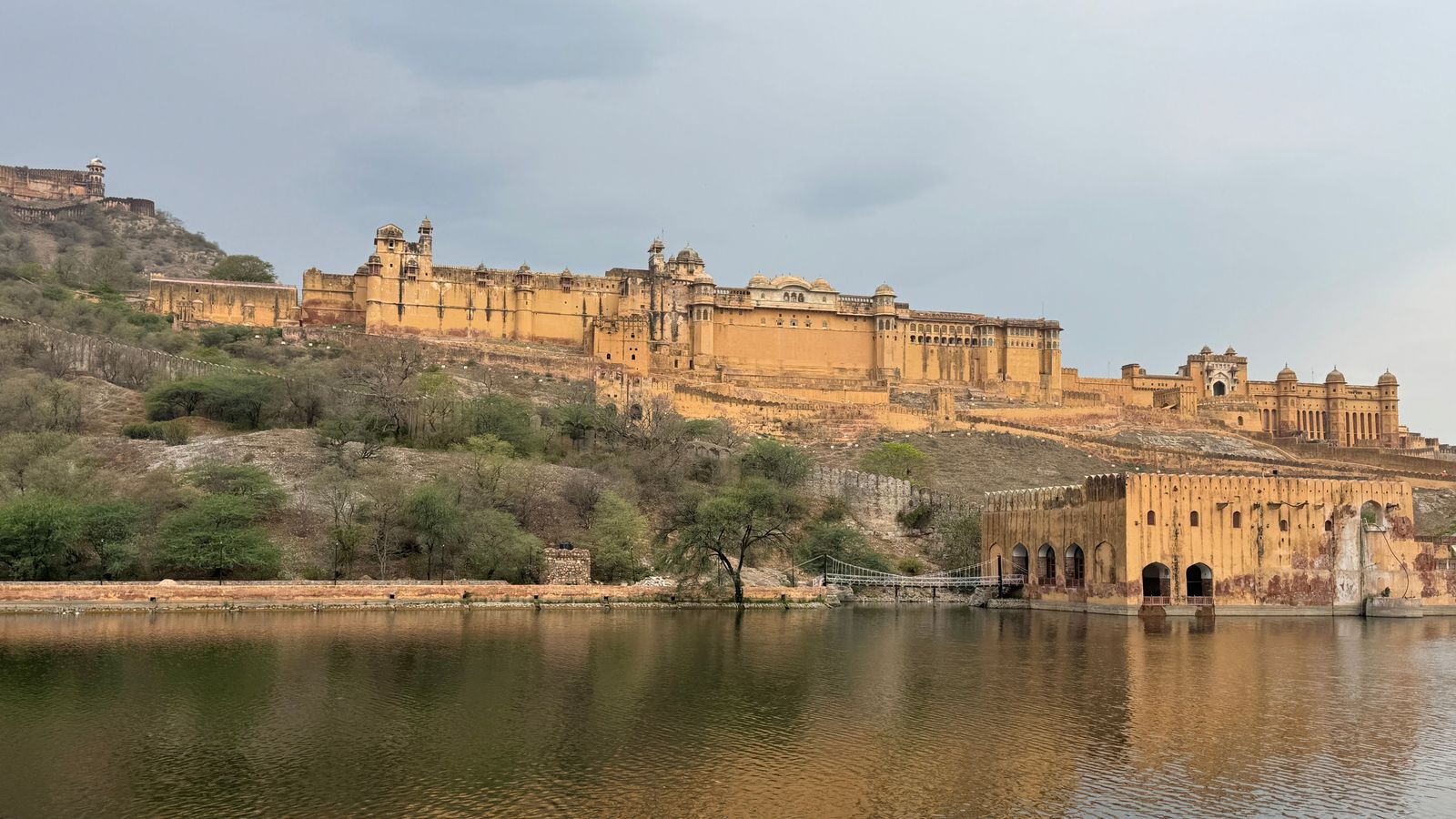
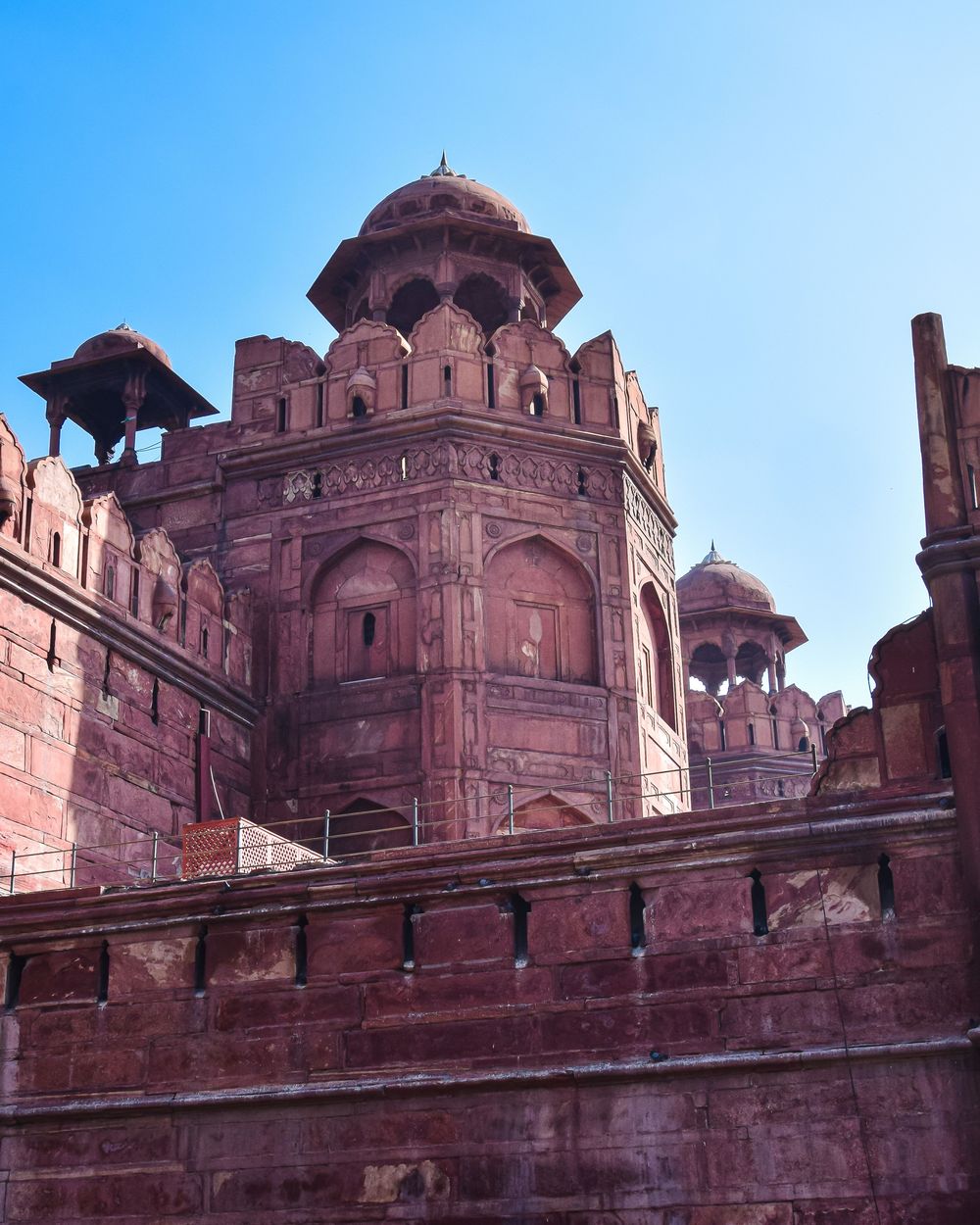
In the town centre, the Lohagarh or "Iron Fort" earned its name by withstanding repeated British sieges in the early nineteenth century. Mud-and-brick walls surrounded by a moat absorbed cannon fire that shattered stone forts elsewhere. Inside are the Kishori Mahal, Mahal Khas and a government museum with sculptures and arms.
Deeg water palaces
About 35 km north of Bharatpur, Deeg was the summer retreat of the Bharatpur rulers. Its palaces are arranged around formal Mughal-style gardens, reflecting pools and hundreds of fountains, which are switched on for special occasions such as a fair around Holi. On an ordinary day the palaces are quiet and wonderfully atmospheric.
Fatehpur Sikri nearby
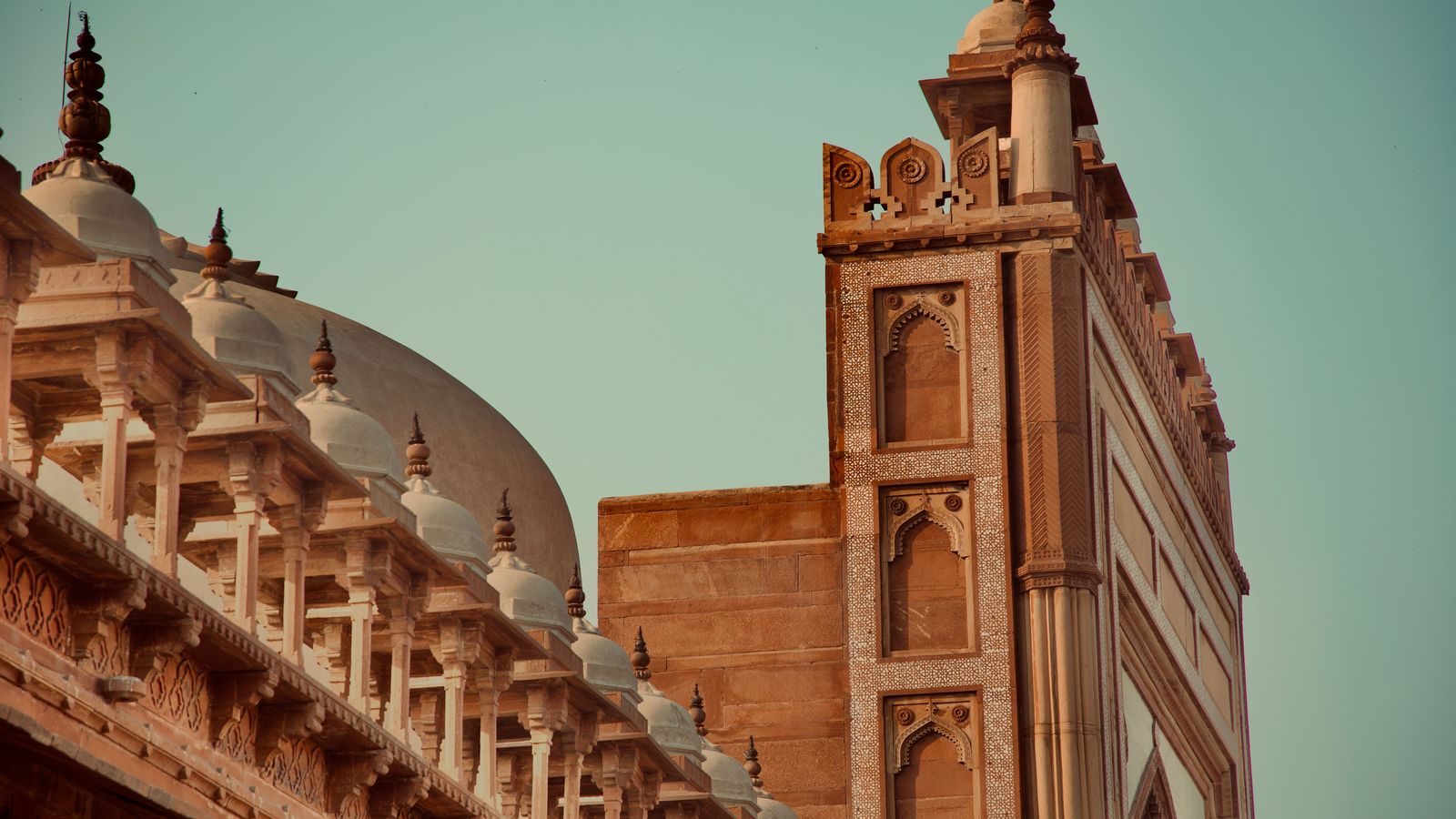
Akbar's abandoned capital is only about 20 km from Bharatpur, towards Agra. Combining the two makes one of the best day trips in the region; our Fatehpur Sikri by road guide covers it in detail.
How the park visit works
- Your car stops at the gate. Private vehicles are not allowed beyond the entrance area. Your RutzIndia.com chauffeur parks and waits.
- Inside, choose your pace. Visitors walk, rent bicycles, or hire a licensed cycle rickshaw from the entrance. Rickshaw pullers are registered by the park and many are skilled bird spotters. There are also limited battery-operated vehicles for those who cannot walk far. Fees for tickets, rickshaws and guides are set by the park; check the current rates at the counter.
- Guides. A naturalist guide is worth hiring for serious birding; they know where particular species are roosting that week.
- Timings. The park opens early in the morning and closes around sunset. Early morning and late afternoon are best for birds and light.
- Distances. The main track runs a few kilometres to the central lakes; a full circuit on a bicycle takes three to four hours with stops.
The roads to Bharatpur
From Agra (about 55 km). Leave Agra westwards on the Agra-Jaipur highway, NH-21, past the Sikandra area (Akbar's tomb makes a fine early stop). The road is four-lane and carries heavy traffic, but the drive is short. The park's main entrance is on the highway just south of Bharatpur town, so you reach it before entering the congested town centre.
From Delhi (about 185 km). Via the Yamuna Expressway to Mathura, then west through Goverdhan and Deeg, or via Mathura on NH-19 and then the Mathura-Bharatpur road. It typically takes 3.5 to 4 hours. A one-way sedan is about Rs 6,660 Pay Now to Reserve and an Innova about Rs 10,550 Pay Now to Reserve.
From Jaipur (about 185 km). East on NH-21 via Dausa and Mahwa, usually 3.5 hours. Bharatpur is a natural stop on the Agra to Jaipur taxi route; you can visit the park in the morning and reach Jaipur by evening.
There are highway restaurants near Mahwa on the Jaipur side, and plenty of options in Agra. Bharatpur town has simple eateries; resort restaurants near the park gate are more comfortable.
Best time to visit
- October to February is peak season for migratory waterfowl. December and January mornings are foggy and cold, so the first hours after sunrise may be misty; the fog adds atmosphere but can delay flights and trains, which is one more reason to go by road.
- August to October is the nesting season for resident storks, herons and cormorants, a spectacle in its own right.
- March to June is hot and the wetlands shrink; some birds leave, but raptors and resident species are easier to see.
- Water levels depend on the monsoon and on water released into the park; in dry years bird numbers fall. Recent reports from birders are the best guide.
- Festivals. Holi in the Braj region around Bharatpur, Mathura and Barsana is famous; expect crowds and road closures around those dates.
For official notices, the Bharatpur district portal lists local tourism and administrative information.

Chauffeured services from RutzIndia.com
- Day trip from Agra with Keoladeo, Lohagarh and optionally Fatehpur Sikri.
- Transit stop on the Agra-Jaipur or Delhi-Jaipur leg of a Golden Triangle tour; see our Golden Triangle tour by car.
- One-way drop to a Bharatpur resort for birders staying several days.
- Airport pickup at Agra or Delhi, with flight tracking, a name board and 60 minutes of free waiting after international arrivals, 30 minutes after domestic.
- Groups such as birding clubs and school trips in a Tempo Traveller from Agra.
| Vehicle | Agra to Bharatpur one way (55 km) | Day return from Agra (250 km billed) | Delhi to Bharatpur one way (185 km) |
|---|---|---|---|
| Dzire-class sedan | Rs 3,630 Pay Now to Reserve (minimum fare applies) | Rs 9,000 Pay Now to Reserve | Rs 6,660 Pay Now to Reserve |
| Ertiga MUV | Rs 4,560 Pay Now to Reserve (minimum fare applies) | Rs 10,500 Pay Now to Reserve | Rs 7,770 Pay Now to Reserve |
| Innova Crysta | Rs 6,390 Pay Now to Reserve (minimum fare applies) | Rs 14,250 Pay Now to Reserve | Rs 10,550 Pay Now to Reserve |
| Tempo Traveller | Rs 9,870 Pay Now to Reserve (minimum fare applies) | Rs 19,500 Pay Now to Reserve | Rs 14,430 Pay Now to Reserve |
All fares are exclusive of 5% GST. Tolls, park-gate parking and any state charges are billed at actual cost, and the chauffeur's night allowance of Rs 1,500 per night applies if you stay over. Our cars are within four model years. Pay by card or UPI in the booker; GST invoices are issued for company trips and school groups.
Under our cancellation policy, cancellations more than 72 hours before pickup are free; within 72 hours we keep 10%, within 48 hours 50%, and within 24 hours or on a no-show the full fare.
A one-day plan from Agra, and a slower birding plan
One day (about 150 km, billed at 250 km).
- 6:30 am pickup in Agra; the drive is quiet at this hour.
- 7:45 am enter Keoladeo. Hire a rickshaw and guide, and spend three to four hours on the main track to the central lakes.
- 12 noon lunch near the park gate.
- 1:30 pm Lohagarh Fort and museum.
- 3 pm drive to Fatehpur Sikri for the Jama Masjid and the royal palaces in the late light.
- 6 pm return to Agra. Our Agra by road guide suggests how to fit in the Taj at sunrise the next morning.
Two days for birders (billed at 500 km). Arrive the afternoon before, take an evening walk to the nearer ponds, stay at a resort by the gate, and spend a full morning and afternoon inside the park with a naturalist. On day two, visit Deeg's palaces before returning to Agra or Delhi.
Practical tips
- Binoculars are essential; many guides carry a spotting scope.
- Layers. Winter mornings are cold and damp with fog; afternoons warm up quickly.
- Muted clothing helps with shy birds; avoid bright colours.
- Silence. Keep voices low near nesting colonies and do not leave the tracks.
- Plastic. The park discourages plastic; carry a reusable bottle.
- Rickshaw etiquette. Agree the rate and duration first; tip for good spotting.
- Photography. Long lenses are welcome; drones are not permitted without permission.
Who should add Bharatpur to their trip
Keoladeo is not only for dedicated birders. Families with children enjoy the rickshaw ride and the sight of pelicans and storks at close range; photographers come for the winter light over the marshes; and travellers who have spent days in forts and mausoleums find the park a restful change of pace. If you are arriving from the capital, our Delhi to Agra taxi can be extended by a day to include Bharatpur before returning, and visitors with only one day in the region can look at the same-day Agra tour by car and add Keoladeo as a morning option in winter. Whatever the plan, go early: the first two hours after the gate opens are when the wetland is most alive.