How do you reach Trimbakeshwar by road?
Trimbakeshwar is about 30 km west of Nashik, typically a 45-minute drive, and about 180 km from Mumbai (4 to 4.5 hours via Kasara ghat and Igatpuri). A chauffeur-driven sedan from Nashik costs Rs 3,960 Pay Now to Reserve one way, the minimum fare; from Mumbai it is Rs 6,480 Pay Now to Reserve in a sedan and Rs 10,260 Pay Now to Reserve in an Innova Crysta, before 5% GST, with tolls and parking at actual cost.
Trimbakeshwar is a small temple town with a very large reputation. It holds one of the twelve Jyotirlinga shrines of Shiva, it sits at the foot of Brahmagiri where the Godavari is said to begin its long run to the Bay of Bengal, and it is where families come to perform rites such as Narayan Nagbali and Kaal Sarp puja that few other temples conduct. Most visitors arrive by road, because there is no railway into the town and the nearest airport at Ozar is a regional one.
That makes the car you choose, and the driver behind the wheel, a real part of the pilgrimage. This guide explains the route from Nashik, Mumbai, Pune and Shirdi, the best months and the festival crowds to plan around, what to see beyond the main shrine, and exactly what RutzIndia.com charges for a one-way drop, a same-day return or a two-day circuit that adds Nashik and Shirdi.
Why pilgrims and travellers come to Trimbakeshwar
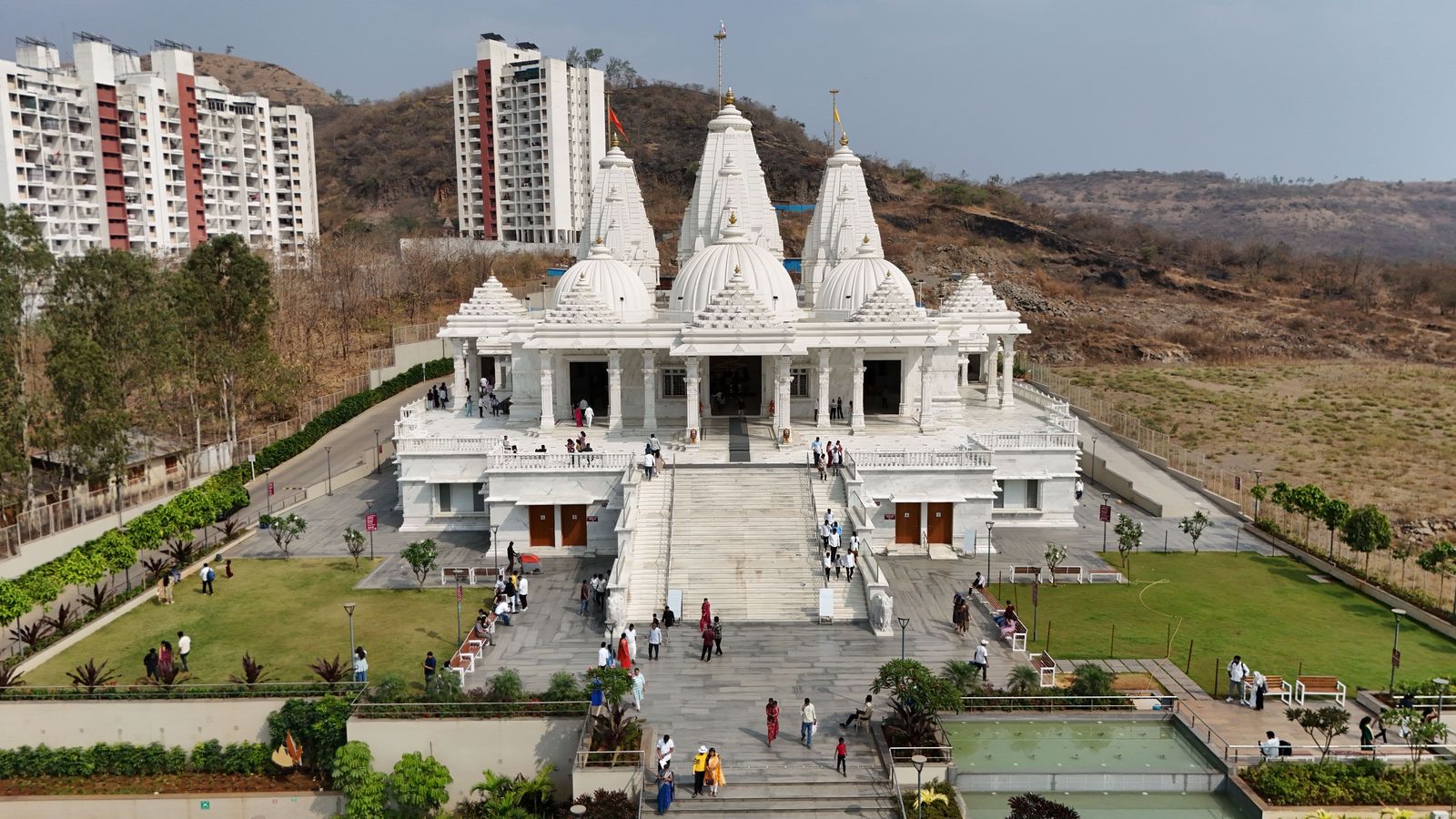
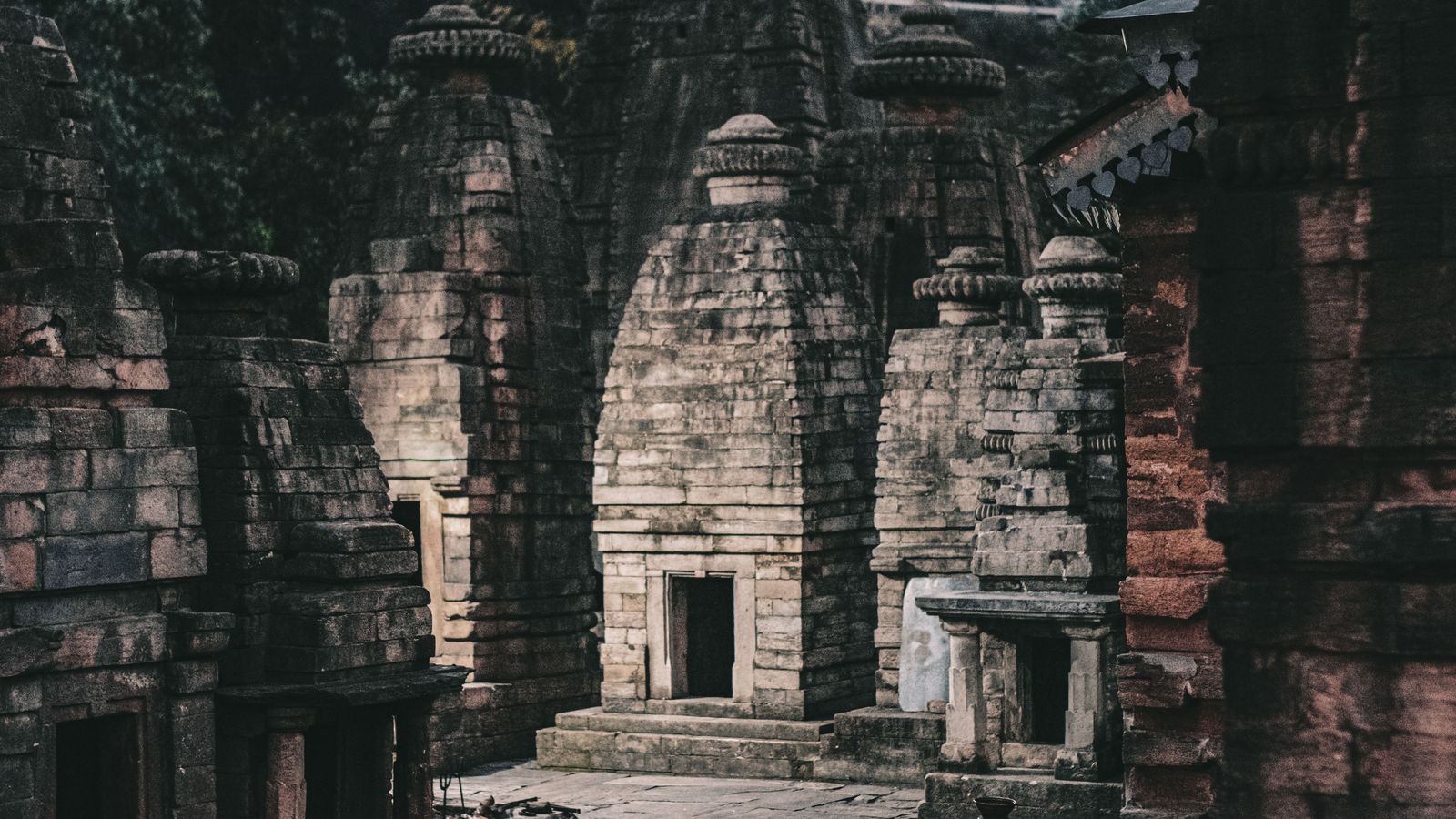
The temple itself is the anchor. The present structure, built in black basalt in the eighteenth century under the Peshwas, has a tall carved spire and a sanctum where the lingam sits in a hollow with three small projections, understood as Brahma, Vishnu and Shiva together. That triple form is what sets Trimbakeshwar apart among the Jyotirlingas, and it is why the queue on a Monday morning can run well out into the lanes. The Trimbakeshwar Devasthan Trust publishes darshan timings, special puja slots and any dress guidance, so check it the week you travel.
Beyond the main shrine the town rewards a slower visit:
- Kushavarta kund, the sacred tank in the middle of town where the Godavari is believed to resurface, and the bathing point for sadhus during the Simhastha Kumbh.
- Brahmagiri hill, climbed by a long flight of stone steps to Gangadwar and the traditional source of the river. Allow two to three hours on foot and start early before the sun is on the rock.
- Anjneri, about 20 km back towards Nashik, a flat-topped hill held by tradition to be the birthplace of Hanuman. The trek is steep but short and hugely popular in the monsoon.
- Nil Parvat and the smaller shrines that ring the town, visited on the parikrama that devotees walk around Brahmagiri during the month of Shravan.
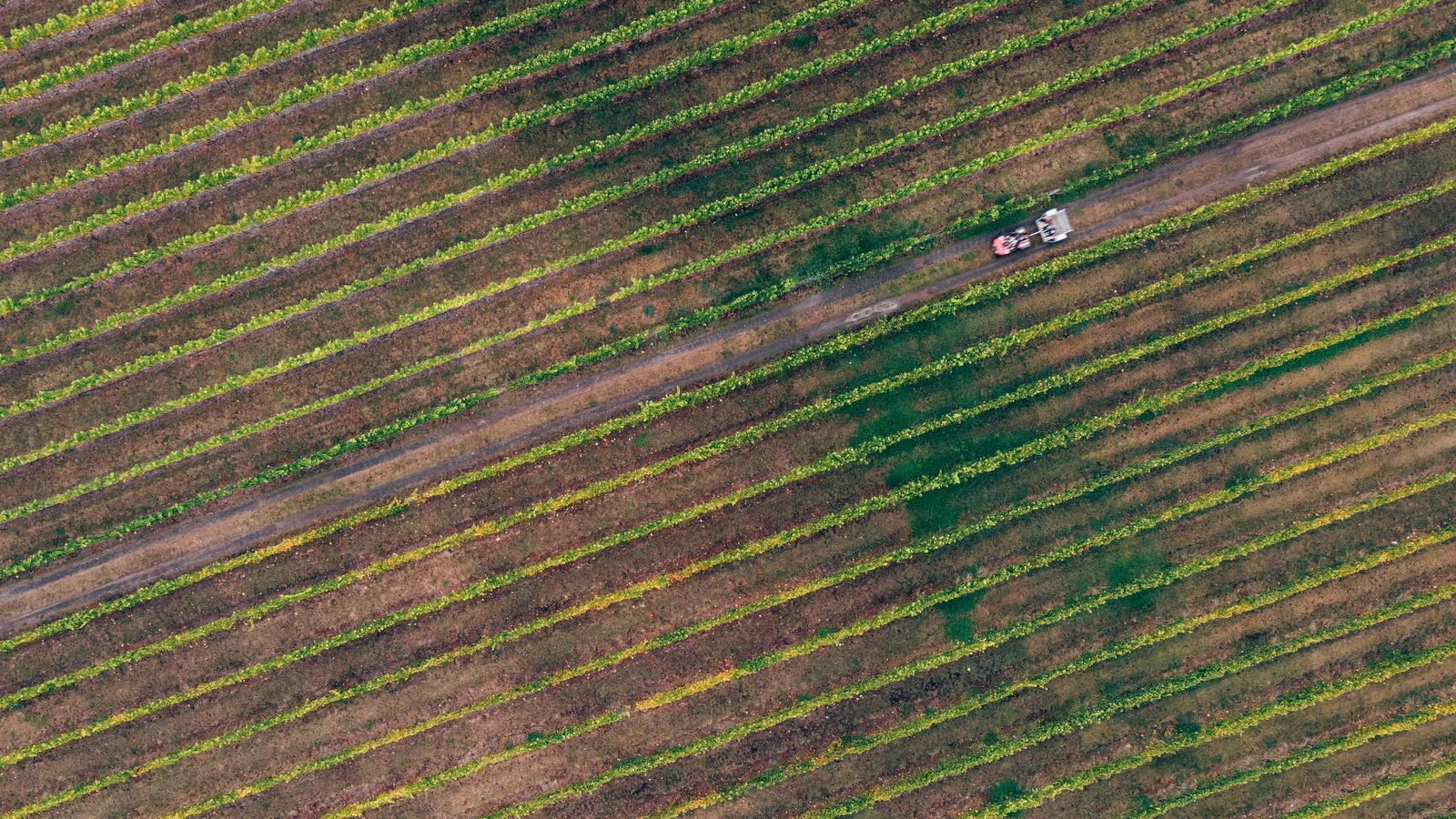
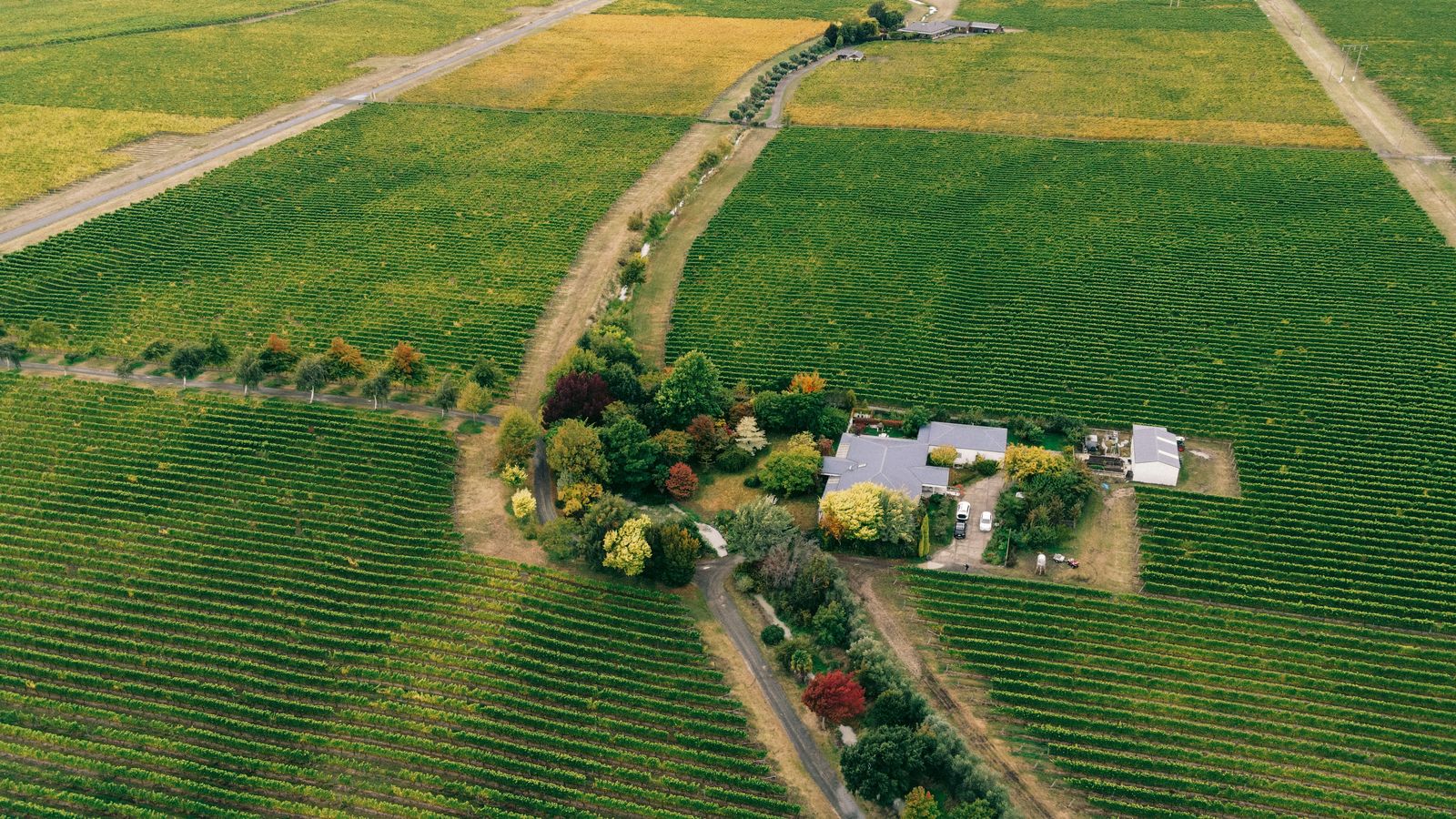
Food is simple and vegetarian: thalis near the temple, sabudana khichdi and misal pav in Nashik on the way in, and grapes from the vineyards that line the Nashik plateau if you come in late winter.
The road to Trimbakeshwar from Nashik, Mumbai and Pune
From Nashik (about 30 km). The Trimbak road leaves Nashik past Satpur and runs west across farmland, climbing gently as Anjneri and then Brahmagiri appear on the horizon. It is a two-lane state road, generally in fair shape, with speed breakers through the villages. Outside festival days it is a 45-minute run; on Shravan Mondays allow twice that.
From Mumbai (about 180 km). Your chauffeur leaves Mumbai through Thane and Bhiwandi on the Mumbai–Nashik highway, the old Mumbai–Agra road, climbs the Kasara ghat into Igatpuri and then takes the cross road via Ghoti towards Trimbak, which saves going into Nashik city. The ghat is well engineered but slow behind trucks, and fog in the monsoon can cut visibility to a few metres, so an early start matters. The Samruddhi Mahamarg expressway now reaches the Igatpuri side and can be quicker on some days; the driver will pick whichever is flowing better. Leave Mumbai by 5.30 am to be in the darshan queue before 10. If you would rather go to Nashik first, the Mumbai to Nashik taxi page lists that route on its own.
From Pune (about 230 km). The usual line is Chakan, Narayangaon and Sangamner, joining the Nashik road at Sinnar and skirting the city. Expect five to five and a half hours.
From Shirdi (about 120 km). Many families pair the two, going Shirdi to Trimbakeshwar via Sinnar in roughly three hours. Our Mumbai to Shirdi taxi and Pune to Shirdi taxi pages cover the first leg.
Fuel is easy on every route. For food on the Mumbai run, Igatpuri and Ghoti have busy highway restaurants; in the monsoon the waterfalls around the Kasara ghat and the lake at Vaitarna make a short roadside stop worthwhile.
When to go: seasons, Shravan and the Kumbh
The town sits at around 700 metres and the weather is kinder than in Mumbai. October to February is dry, sunny and cool in the mornings, the best time for the Brahmagiri climb and for combining the trip with the Nashik vineyards. March to May is hot by late morning, so plan darshan early and be back in the car by noon.
The monsoon, June to September, is when the Sahyadri is at its most beautiful and the Anjneri and Brahmagiri slopes stream with waterfalls. It is also when crowds peak, because the Hindu month of Shravan (usually late July to late August) draws huge numbers on Mondays, and the Brahmagiri parikrama pulls tens of thousands of walkers on its busiest day. If you are coming for Shravan, tell us: we plan an earlier pickup and a longer buffer for traffic diversions. Mahashivratri in February or March is another peak.
Every twelve years Nashik and Trimbakeshwar host the Simhastha Kumbh Mela, and the next edition is due in 2027. During the main bathing days private vehicles are usually stopped outside town and pilgrims are moved by shuttle. If your dates fall in that window, speak to our travel desk well in advance so the itinerary works around the district's traffic plan; the Nashik district website posts official notices.
Chauffeured services for Trimbakeshwar and the fares
RutzIndia.com runs every format a Trimbakeshwar trip usually needs: a one-way drop from Nashik, Mumbai, Pune or Shirdi; a same-day return from Mumbai; a two-day circuit that adds Nashik's Panchavati and Shirdi; a local day in and around Nashik; and pickups at Nashik's Ozar airport (about 50 km from the temple) or Mumbai's airports. Families of seven or more are better off in a Tempo Traveller, and the Ertiga or Innova Crysta suits a party of five or six with luggage for an overnight puja.
| Trip | Distance billed | Sedan (Rs 36/km) | Innova Crysta (Rs 57.6/km) | Tempo Traveller (Rs 78/km) |
|---|---|---|---|---|
| Nashik to Trimbakeshwar, one way | about 30 km, minimum fare applies | Rs 3,960 Pay Now to Reserve | Rs 6,930 Pay Now to Reserve | Rs 10,740 Pay Now to Reserve |
| Nashik local day with Trimbak and Anjneri (8 hr / 80 km) | package | Rs 7,200 Pay Now to Reserve | Rs 12,600 Pay Now to Reserve | Rs 19,500 Pay Now to Reserve |
| Mumbai to Trimbakeshwar, one way | about 180 km | Rs 6,480 Pay Now to Reserve | Rs 10,260 Pay Now to Reserve | Rs 14,040 Pay Now to Reserve |
| Mumbai, same-day return | about 360 km | Rs 12,960 Pay Now to Reserve | Rs 20,520 Pay Now to Reserve | Rs 28,080 Pay Now to Reserve |
| Mumbai, 2-day circuit with Nashik | minimum 500 km | Rs 18,000 Pay Now to Reserve | Rs 28,500 Pay Now to Reserve | Rs 39,000 Pay Now to Reserve |
| Shirdi to Trimbakeshwar, one way | about 120 km, minimum fare for Innova and Tempo | Rs 4,320 Pay Now to Reserve | Rs 6,930 Pay Now to Reserve | Rs 10,740 Pay Now to Reserve |
| Pune to Trimbakeshwar, one way | about 230 km | Rs 8,280 Pay Now to Reserve | Rs 13,110 Pay Now to Reserve | Rs 17,940 Pay Now to Reserve |
All fares are before 5% GST. Tolls, state permits where they apply, and parking are charged at actual cost. On multi-day trips the driver night allowance is Rs 1,500 per night, and round trips are billed at a minimum of 250 km per calendar day, which is why the two-day Mumbai circuit is priced on 500 km even though the actual driving is a little less. Local packages quoted here are at standard rates; see all fares for other classes.
Every car in the fleet is within four model years. You can book online and pay by card or UPI, and corporates travelling for a company puja receive a GST invoice. Cancellation is free up to 72 hours before pickup, 10% within 72 hours, 50% within 48 hours and 100% within 24 hours or for a no-show; the full wording is on the cancellation policy page.
A two-day Trimbakeshwar and Nashik itinerary by car
Day 1: Mumbai to Trimbakeshwar (about 190 km including a detour). Pickup at 5.30 am from anywhere in Mumbai or Thane, breakfast at Igatpuri, darshan by late morning. After lunch, walk to Kushavarta and, if your legs allow, climb Brahmagiri to Gangadwar in the cooler late afternoon. Families performing a puja stay the night in Trimbak, since the rituals often begin at dawn; others continue to Nashik.
Day 2: Trimbakeshwar, Anjneri, Nashik and home (about 310 km). An early stop at the foot of Anjneri, then Nashik's Panchavati for Ramkund, Kalaram temple and Sita Gufa, and lunch in the city. If wine interests you, a vineyard on the Gangapur Road side makes a relaxed afternoon (the driver will not mind; you will). Leave Nashik by 4 pm to reach Mumbai before late evening traffic. Our Nashik travel guide covers the city in more depth.
Adding a third day. Swap the return for Shirdi, about 90 km from Nashik, and continue from there to Mumbai, or head into the hills to Bhandardara or Igatpuri for a night by the water before driving home.
Practical tips for the temple and the town
- Parking. Cars are parked in paid lots on the approach roads and you walk the last stretch through narrow lanes. Your chauffeur drops you as close as police barricades allow and waits in the lot; keep his mobile number handy for pickup.
- Queues. Weekday mornings are calmest. Paid or special darshan options come and go, so verify on the trust's website rather than trusting touts at the gate. Mobile phones and bags are generally not allowed inside; there is a locker system near the entrance.
- Rituals. Narayan Nagbali and Kaal Sarp puja are booked through the priests of Trimbak and can run from a few hours to three days. Fix the dates first, then book the car, and ask for an Innova if the family is carrying puja material and overnight bags.
- Clothing. Carry a light shawl or stole; mornings are cool even in March, and modest dress is expected inside the temple.
- Monsoon trekking. Anjneri and Brahmagiri turn slippery in rain. Good shoes, a rain jacket and a start before 8 am are sensible.
- Planning the wider trip. The Maharashtra Tourism site lists other Sahyadri temples and forts within range; Bhimashankar, another Jyotirlinga, is a natural pairing on a longer tour.
If you are starting from Mumbai and need an airport pickup in Mumbai first, we can run the whole thing as one booking. For our wider Mumbai fleet and local rates, see taxi service in Mumbai.