How do I get to Shirdi by road from Mumbai?
Shirdi is about 240 km from Mumbai, typically a 5-hour drive via Thane, the Kasara Ghat, Nashik and Sinnar, or via the Samruddhi Mahamarg. A RutzIndia.com sedan costs Rs 8,640 Pay Now to Reserve one way and an Innova Crysta Rs 13,680 Pay Now to Reserve, before 5% GST; tolls and parking are charged at actual cost. From Pune it is about 185 km.
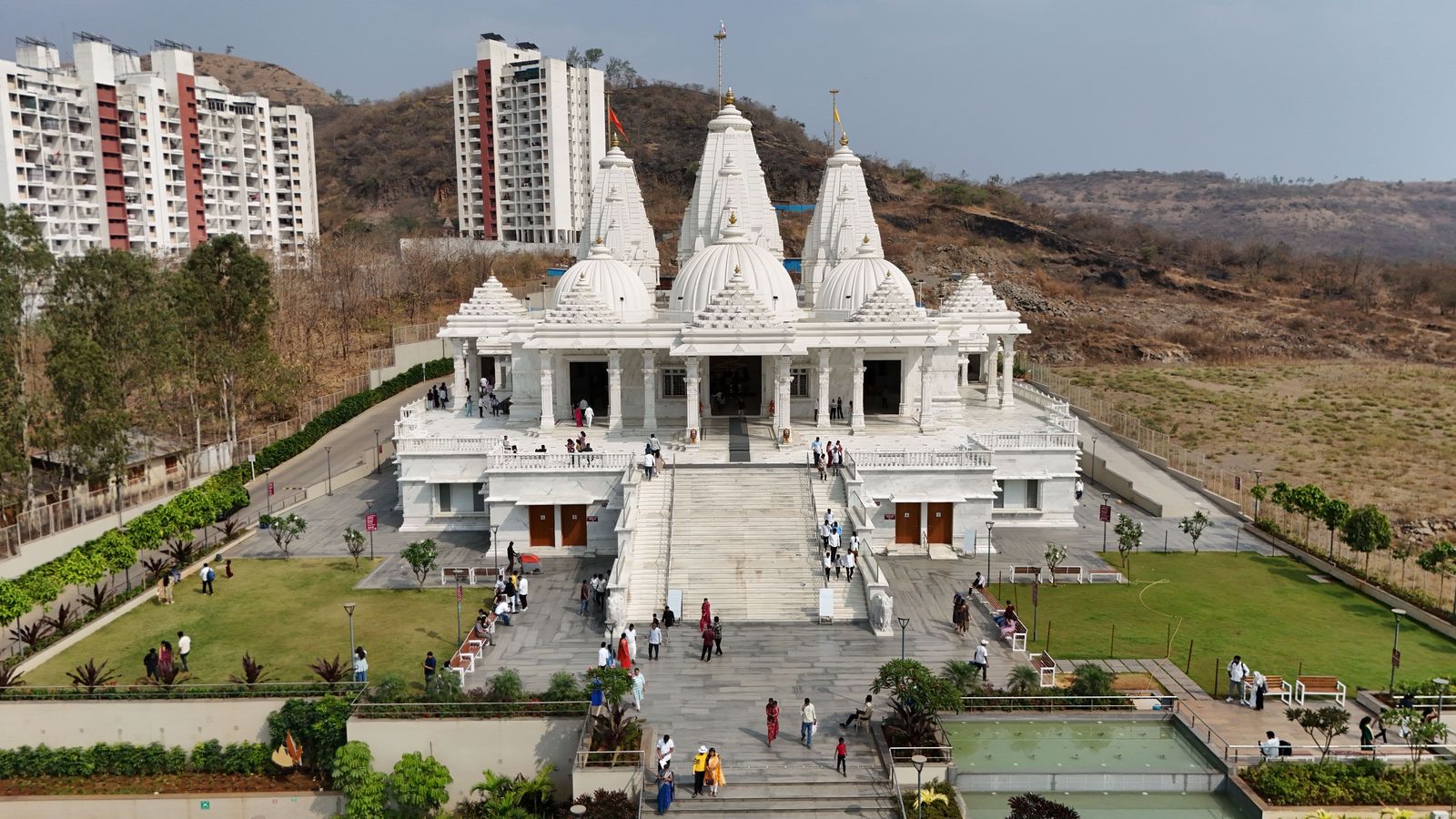
Every day, tens of thousands of devotees arrive in a small town in the Ahilyanagar district of Maharashtra to bow before the samadhi of Sai Baba, the saint who lived here from the mid-nineteenth century until 1918 and whose teaching of shraddha and saburi, faith and patience, draws Hindus, Muslims, Sikhs, Christians and Parsis alike. Shirdi has grown from a village into a pilgrim town of lodges, shops and queue complexes, but the core of it, the Samadhi Mandir, Dwarkamai and the Chavadi, remains close together and deeply atmospheric.
Most families reach Shirdi by road, and many make it an overnight trip so they can attend an aarti and take darshan without rushing. A chauffeur-driven car means you can leave at night, sleep on the way, arrive for the dawn aarti, and not worry about parking in a town that is permanently busy. This guide explains the routes, the darshan system, seasons and festivals, and the fares we charge. If you only need a transfer price, see our Mumbai to Shirdi taxi and Pune to Shirdi taxi pages.
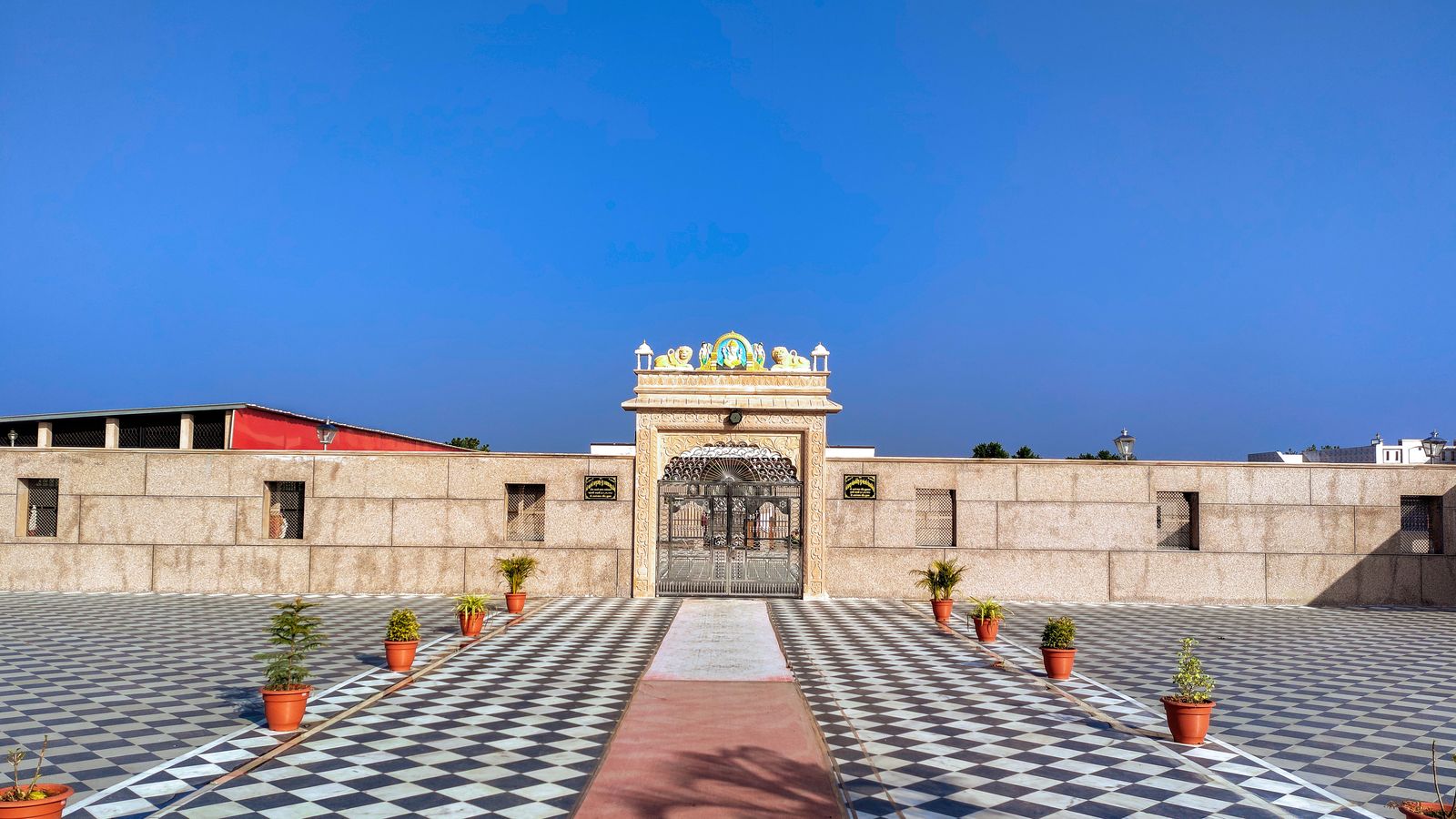
Inside Shirdi: the places devotees visit
- Samadhi Mandir. The main shrine, built of stone and marble over Sai Baba's tomb, with his seated marble murti. This is where the aartis are performed and where the darshan queues lead.
- Dwarkamai. The old mosque where Baba lived for decades. The sacred fire, the dhuni, that he kept burning still burns, and devotees take udi, the ash, as a blessing. The stone he sat on is preserved here.
- Chavadi. Where Baba slept on alternate nights; a procession from Dwarkamai to the Chavadi is still held on Thursdays.
- Gurusthan. A small shrine under a neem tree where Baba is said to have first been seen as a young man.
- Lendi Baug. A garden Baba tended and walked in daily, with a lamp he lit and a peaceful atmosphere away from the queues.
- Khandoba Temple. At the edge of town, the temple where, by tradition, the young fakir was first greeted with the words "Ya Sai", giving him his name.
The Shri Saibaba Sansthan Trust manages the shrine complex, darshan passes, aarti tickets, accommodation in its bhaktiniwas and prasadalaya, and publishes the official aarti timings. Everything you need is on its website, sai.org.in, including online booking for paid darshan and aarti passes, which is strongly recommended on weekends and festival days.
Aarti timings in brief
Four aartis are performed daily: the Kakad aarti before dawn, the Madhyan aarti at midday, the Dhoop aarti at sunset and the Shej aarti at night. Exact times shift slightly with the seasons, so check the Sansthan website before you set your pickup time. If you want to attend the Kakad aarti, most Mumbai families leave around 10 or 11 pm the previous night and arrive in the small hours.
Shani Shingnapur
About 70 km south of Shirdi, the village of Shani Shingnapur is famous for its open-air shrine to Shani, a black stone slab standing in the open, and for the tradition that its houses have no doors, trusting the deity to protect them. Most pilgrims pair it with Shirdi; the round trip adds roughly 140 km and three to four hours.
The road: Kasara Ghat, Nashik and the Samruddhi Mahamarg
There are two good ways from Mumbai.
The Nashik route (about 240 km). Thane, Bhiwandi and NH160 north-east through Shahapur to the Kasara Ghat, then over the plateau past Igatpuri to Nashik's bypass, and south-east through Sinnar to Shirdi. It is the traditional pilgrim road, lined with dhabas and fuel stops, and it passes close enough to Nashik and Trimbakeshwar to make a combined trip easy. Traffic at Bhiwandi and trucks on the ghat are the main delays.
The Samruddhi Mahamarg. The Mumbai-Nagpur expressway has an interchange for Shirdi, and on many days it is the faster choice, especially from Thane and the eastern suburbs. It is an access-controlled expressway with fewer places to stop, so drivers plan a food break before joining it. Tolls on this route are higher, and they are added to your invoice at actual cost.
From Pune (about 185 km). The route runs north through Chakan and the Pune-Nashik highway before turning via Sangamner, or east via Ahilyanagar and Rahuri; drivers choose according to traffic. Typically four to four and a half hours.
By air, then road. Shirdi has its own airport at Kakadi, about 15 km from the town, with a limited schedule of domestic flights. Many visitors fly into Mumbai, Pune, Nashik (Ozar) or Aurangabad instead and drive the rest. We meet arrivals at any of these with flight tracking and a name board, and include 30 minutes of free waiting for domestic arrivals and 60 for international.
When to go, and when to avoid the crowds
Shirdi receives visitors all year, but some days are dramatically busier than others.
- Thursdays, Baba's special day, and weekends have the longest queues.
- Ram Navami in March or April, Guru Purnima in July, and Vijayadashami (Dussehra), the anniversary of Baba's samadhi in 1918, are the three great festivals, each drawing enormous crowds over several days. The town hosts palkhi processions and round-the-clock darshan on some of these days.
- New Year's Eve and the Diwali holidays are also very busy.
Weather-wise, October to March is the most comfortable, with cool mornings for the dawn aarti. April to June is hot; plan darshan early or late. July to September brings moderate rain, heavy on the Kasara Ghat section of the drive but usually manageable in Shirdi itself.
If you want a quieter visit, go on a Tuesday or Wednesday outside festival weeks, and book your darshan pass in advance anyway. The Ahilyanagar district administration publishes local notices, including festival traffic arrangements.
Where to stay
Shirdi has accommodation at every level, from the Sansthan's own bhaktiniwas complexes, which are clean, simple and very reasonably priced, to private hotels within walking distance of the temple gates and larger resorts on the Nagar-Manmad road. The Sansthan rooms can be booked on its website and fill quickly around festivals. Whichever you choose, check that the property has parking; many hotels in the lanes near the complex do not, in which case your driver parks at a public lot and walks over to collect you at an agreed time. Most hotels provide a driver's dormitory, and where they do not, we arrange a basic room at cost.
RutzIndia.com services for Shirdi pilgrims
We handle Shirdi as a one-way drop, an overnight round trip, a two-day circuit with Shani Shingnapur, or a longer pilgrimage adding Nashik, Trimbakeshwar and the Grishneshwar Jyotirlinga near Ellora. Our cars are within four model years, and drivers on the Shirdi route know the parking areas and the lanes near the Sansthan gates.
| Mumbai to Shirdi | Dzire sedan | Ertiga | Innova Crysta | Tempo Traveller | Urbania |
|---|---|---|---|---|---|
| One way (about 240 km) | Rs 8,640 Pay Now to Reserve | Rs 10,080 Pay Now to Reserve | Rs 13,680 Pay Now to Reserve | Rs 18,720 Pay Now to Reserve | Rs 24,480 Pay Now to Reserve |
| Overnight return, one calendar day (about 480 km) | Rs 17,280 Pay Now to Reserve | Rs 20,160 Pay Now to Reserve | Rs 27,360 Pay Now to Reserve | Rs 37,440 Pay Now to Reserve | Rs 48,960 Pay Now to Reserve |
| Two days with Shani Shingnapur (about 620 km) | Rs 22,320 Pay Now to Reserve | Rs 26,040 Pay Now to Reserve | Rs 35,340 Pay Now to Reserve | Rs 48,360 Pay Now to Reserve | Rs 63,240 Pay Now to Reserve |
Fares are before 5% GST. Tolls (higher on the Samruddhi Mahamarg), parking in Shirdi and at Shani Shingnapur, and the driver night allowance of Rs 1,500 per night on overnight hires are billed at actual cost. Round trips are charged on the greater of the actual distance or 250 km per calendar day. The Pune one-way fare is Rs 6,660 Pay Now to Reserve in a sedan and Rs 10,550 Pay Now to Reserve in an Innova.
For pilgrimage groups, our pilgrimage taxi service and tempo traveller on rent options cover families and mandals of up to 26 people in one vehicle, and larger groups by mini bus.
Cancel for free if you do so more than 72 hours before pickup; after that, 10% applies within 72 hours, 50% within 48 hours and 100% within 24 hours or for a no-show. The full cancellation policy is on its own page. Book online and pay by card or UPI.
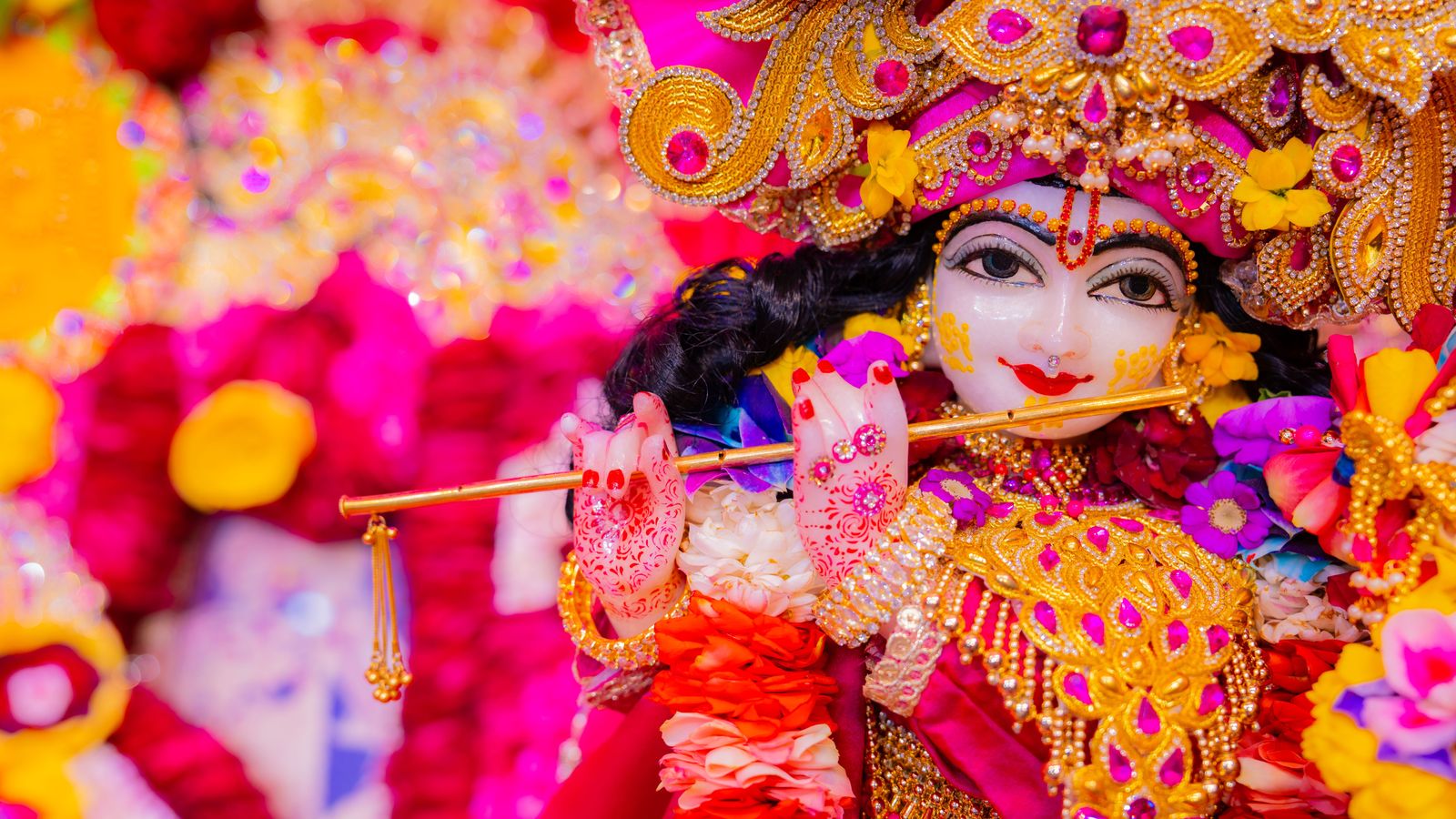
A two-day Shirdi pilgrimage by car
Night before (depart about 10 pm). Leave Mumbai after dinner, with a tea break before the Kasara Ghat or on the Samruddhi. Arrive in Shirdi around 3 am, freshen up at your hotel.
Day 1 (local, about 20 km). Kakad aarti at the Samadhi Mandir, then Dwarkamai, Chavadi and Gurusthan. Breakfast and rest. Lendi Baug and Khandoba temple in the afternoon, Dhoop aarti at sunset, prasadalaya dinner.
Day 2 (about 380 km). Early drive to Shani Shingnapur, darshan, and on towards Mumbai via Ahilyanagar and the Nashik road, or back past Shirdi to join the Samruddhi. Home by evening.
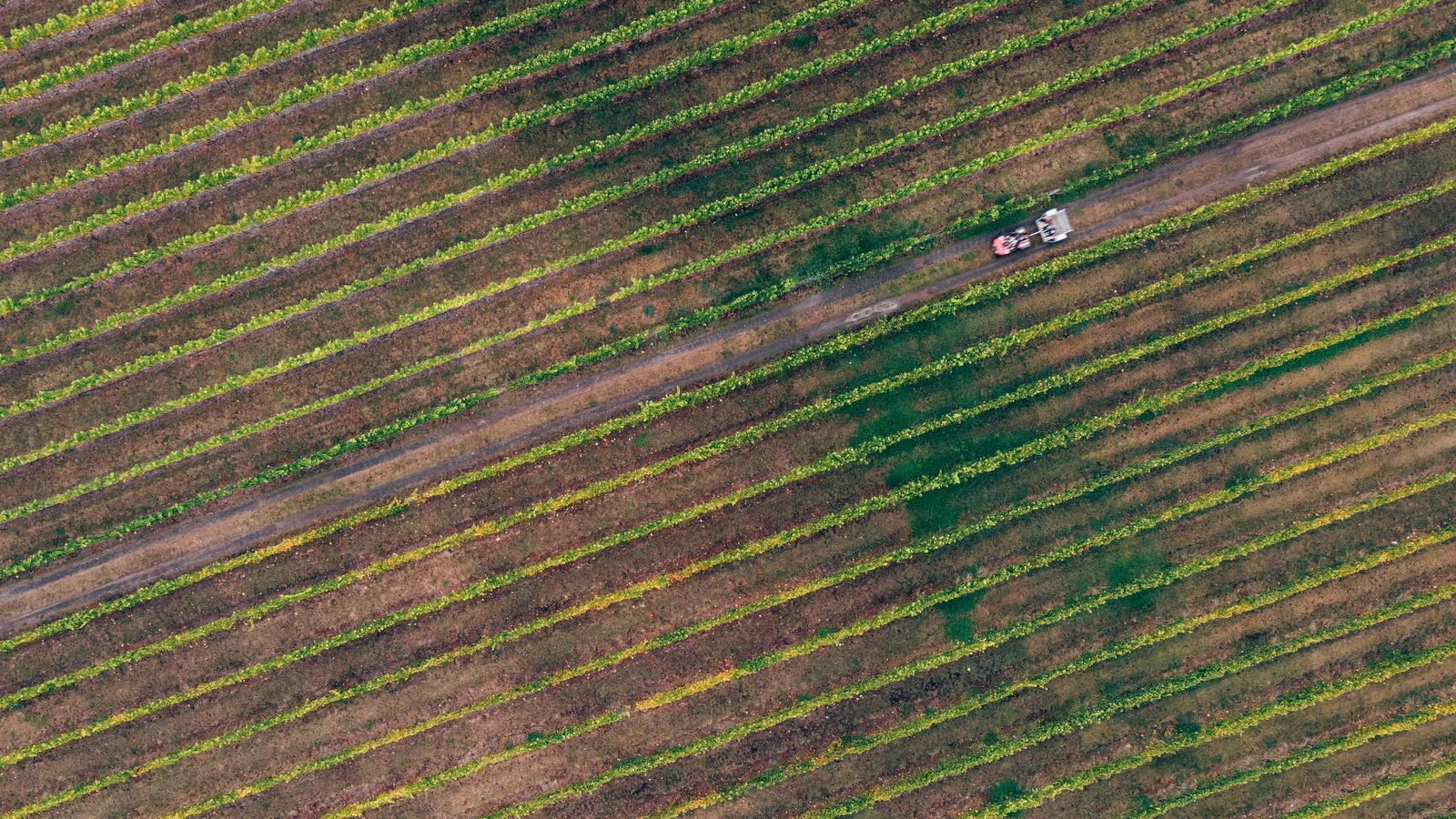
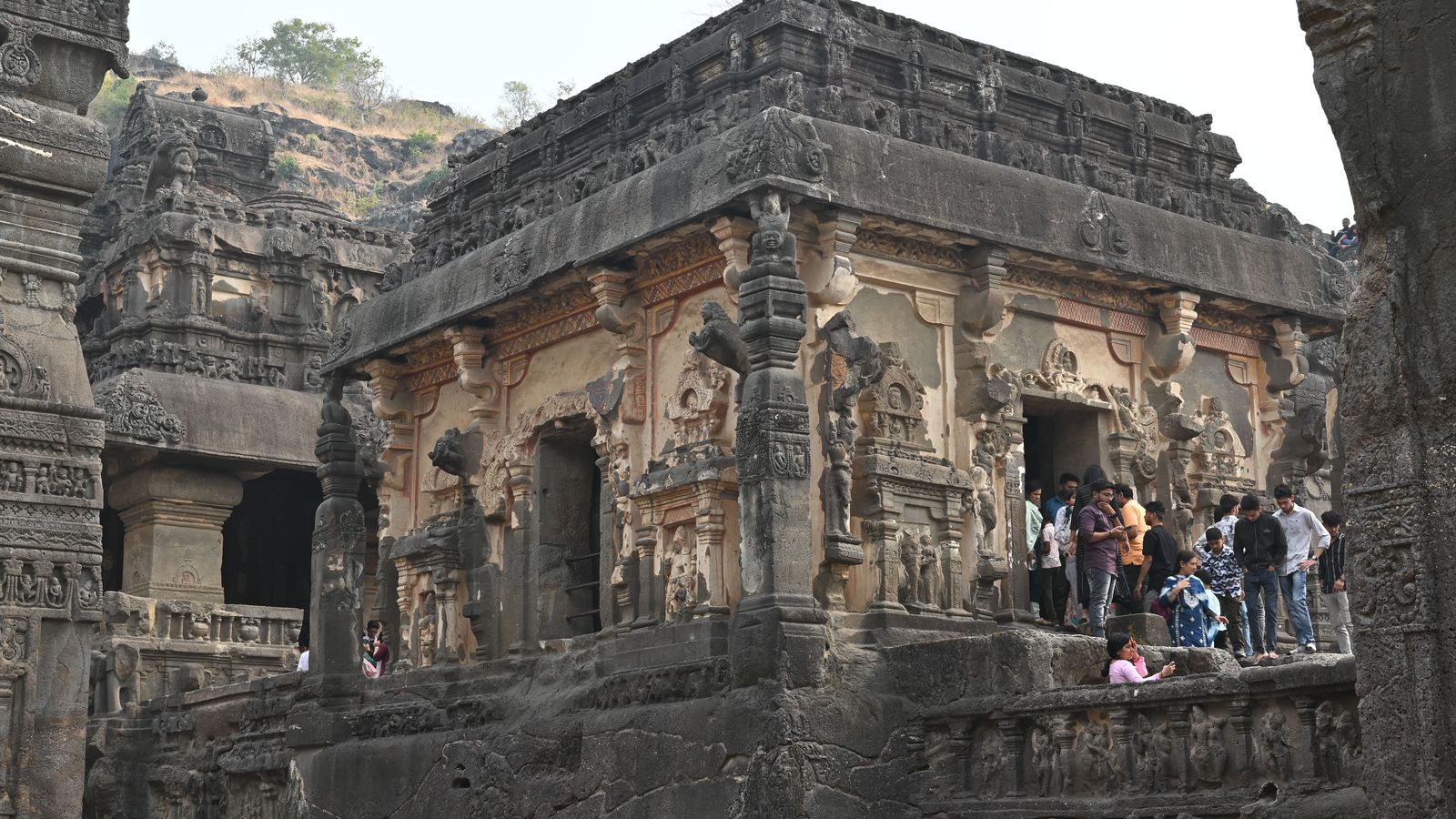
For a longer circuit, add Nashik and its vineyards, the Jyotirlinga at Trimbakeshwar, or the caves of Ellora and Ajanta, which are about 110 km from Shirdi.
Tips from our Shirdi drivers
- Book darshan online. Paid passes on the Sansthan website save hours in the queue.
- Leave phones in the car. Mobile phones, cameras and large bags are not allowed inside the Samadhi Mandir; lockers exist but queues for them are long.
- Dress modestly and carry a scarf or shawl.
- Beware of touts. Ignore anyone offering "VIP darshan" on the street; only the Sansthan's official passes count.
- Parking. Drivers use the town's paid parking areas near the complex; they will guide you on the walking route to the gate.
- Food. The Sansthan's prasadalaya serves simple, affordable meals; Shirdi's market is full of peda and other sweets for prasad.