How do you reach Bhimashankar by road from Pune?
Bhimashankar is about 110 km north-west of Pune, usually a 3-hour drive along the Pune-Nashik highway to Rajgurunagar and then up a forest ghat. Our Dzire-class sedan is Rs 3,960 Pay Now to Reserve one way and an Innova Crysta Rs 6,930 Pay Now to Reserve (minimum fare applies), plus 5% GST; a day's return is billed on 250 km, which is Rs 9,000 Pay Now to Reserve by sedan.
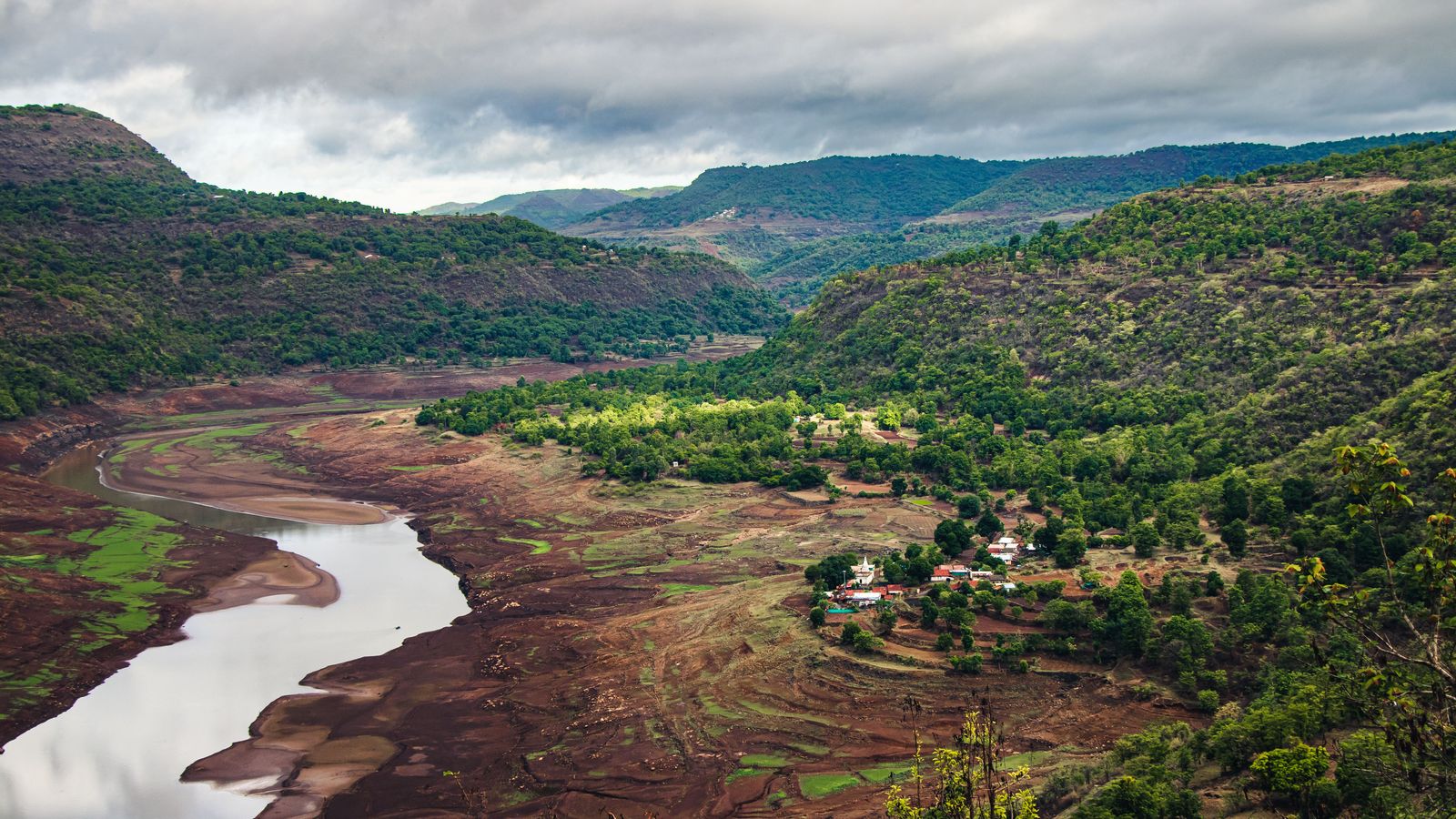
High on the crest of the Sahyadri, where the plateau ends in cliffs above the Konkan, a dark stone temple sits in a hollow among the trees. This is Bhimashankar, one of the twelve Jyotirlingas of Shiva and, for many devotees, the most atmospheric: fog drifting through the forest, the sound of bells from the valley and, nearby, the spring where the Bhima river is said to begin its long journey east to join the Krishna. Around the shrine stretches the Bhimashankar Wildlife Sanctuary, one of the last large tracts of semi-evergreen forest in the northern Western Ghats.
Reaching it takes a little planning. The final approach is a climbing forest road with sharp bends, the parking areas are some way above the temple, and on festival days the crowds are overwhelming. A driver who does this road regularly makes a real difference, particularly on the dark, foggy evenings of the monsoon. Here is everything to know before you set off.
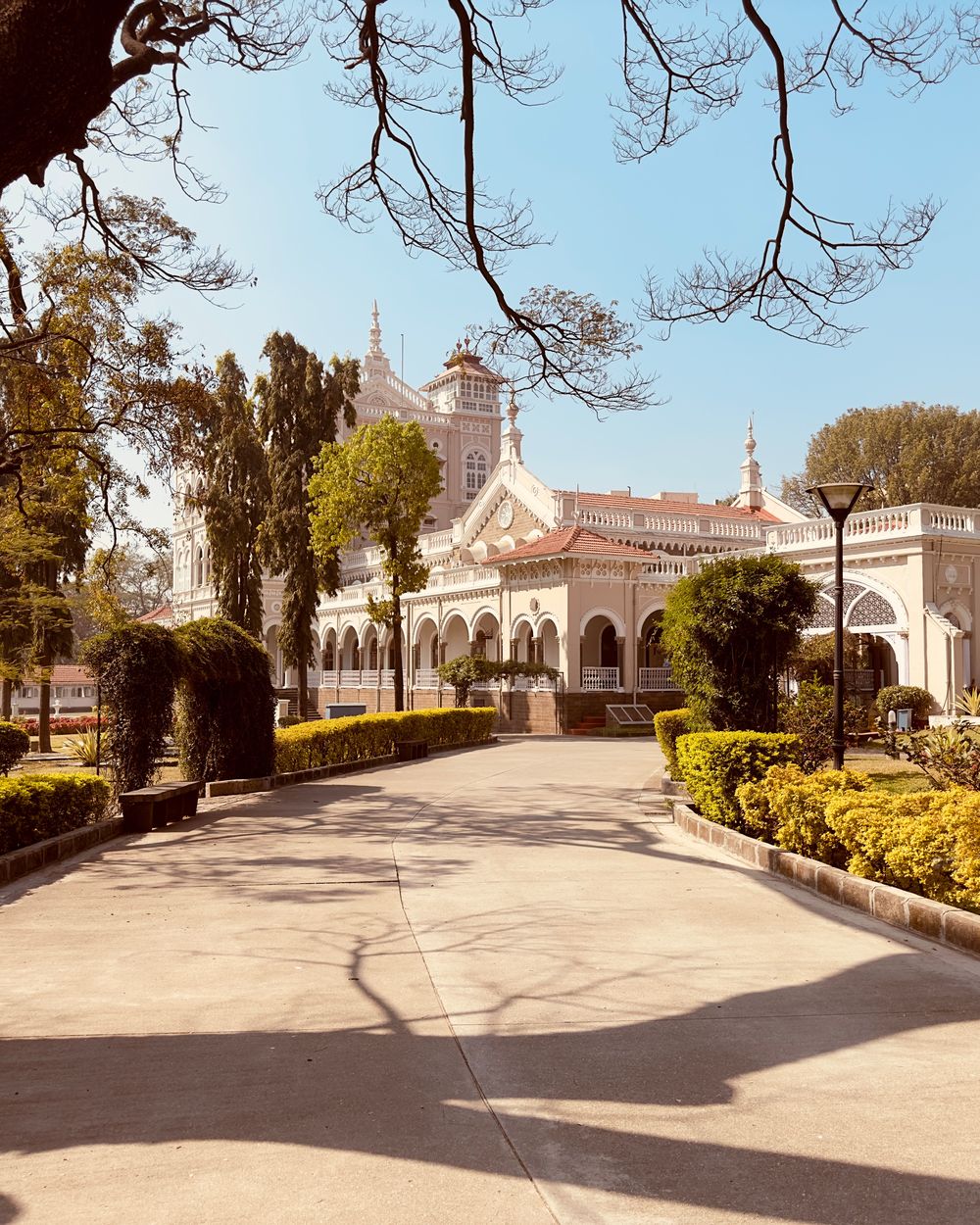
The temple and the forest
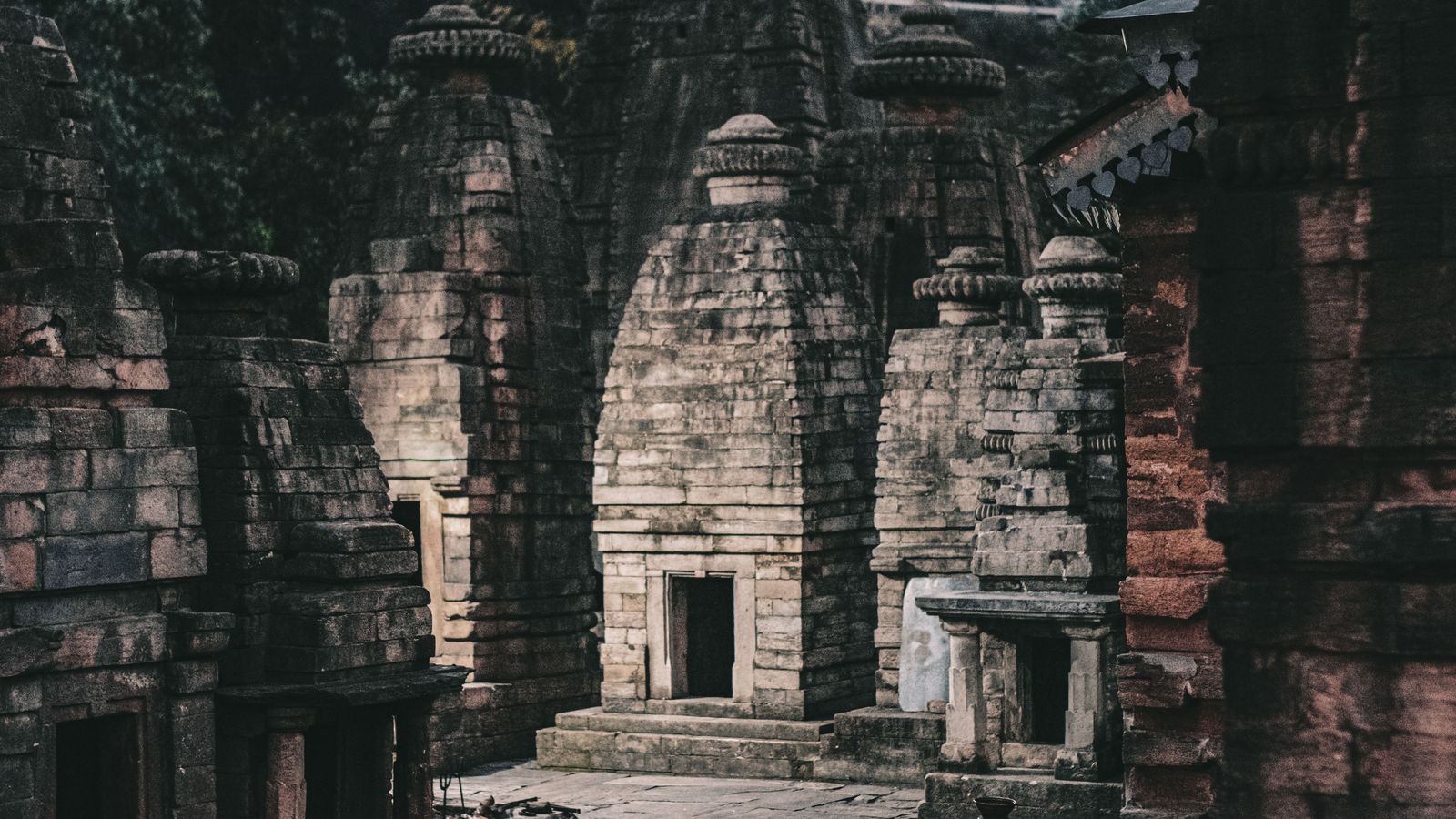
The Jyotirlinga. The temple is built in the Nagara style from black stone, with finely carved walls and a hall that was expanded in the eighteenth century, reputedly with the patronage of the Maratha statesman Nana Phadnavis. The linga is set low in the sanctum. A long flight of steps leads down from the bazaar and parking area to the temple courtyard, and the climb back up is the part most visitors remember. Elderly pilgrims can hire palanquin bearers at the top; agree the charge first.
Around the temple. Short walks lead to Gupt Bhimashankar, a small shrine in the forest near the source of the river; to Nagphani point, a cliff-edge lookout shaped like a cobra's hood, with sweeping views over the Konkan; and to Hanuman lake. The Sakshi Vinayak shrine sits nearby, as does the Bombay point lookout, from where, on clear winter days, the plains fall away towards the coast.
The sanctuary. Declared a protected area in the mid-1980s, the Bhimashankar Wildlife Sanctuary is best known for the Indian giant squirrel, locally called the shekru, a large maroon-and-cream squirrel that is Maharashtra's state animal. Early mornings on the forest trails are the time to spot one leaping between the treetops. Leopards, barking deer and a rich birdlife including hornbills and paradise flycatchers also live here. The Maharashtra Forest Department manages the sanctuary and posts its rules on entry, trekking and plastics.
Trekking up from the Konkan. Hardier pilgrims and hikers climb to Bhimashankar from Khandas village on the Karjat side, by the Ganesh Ghat or the steeper Shidi Ghat with its ladders. If you want to trek up and be driven home, we can collect you at the top; tell us your expected finish time.
The drive up
From Pune (about 110 km)
The driver leaves Pune northwards on the Pune-Nashik highway past Moshi and Chakan, a busy industrial corridor where early starts save a great deal of time. At Rajgurunagar (Khed), the birthplace of the revolutionary Shivaram Rajguru, the route turns west into the Bhima valley, passing villages and the Chaskaman reservoir, before the road begins its climb. The last 25 to 30 km wind upward through thickening forest to the plateau, with tight hairpins in places. There is an alternative approach via Manchar and Ghodegaon, past the Dimbhe reservoir, which the driver may prefer depending on road works.
Allow about three hours door to door on a weekday. Tea stalls and small restaurants dot the valley villages; the best breakfast stop is before the ghat begins.
From Mumbai (about 220 km)
Take the Expressway to Talegaon, cut across to Chakan and join the same route at Rajgurunagar, typically five hours. A one-way sedan from Mumbai is about Rs 7,920 Pay Now to Reserve. Some Mumbai drivers prefer to go via Pune when the Chakan link is congested.
Parking and festival traffic
Cars park in the lots above the temple, and the driver waits there. On Mahashivratri and on the Mondays of the month of Shravan (July to August), the district administration typically diverts private vehicles to parking areas well below the temple, from where shuttle buses operate. Expect long queues on the road and at the shrine on those days. The Pune district administration posts traffic and crowd-management notices ahead of the main festivals.
Choosing your season
- August to October: the Sahyadri at its greenest, waterfalls on every ridge and cool, misty air. Shravan Mondays and weekends are crowded, weekdays are lovely.
- November to February: clear, crisp mornings and the best chance of long views from Nagphani and Bombay point. Ideal for combining darshan with forest walks. Mahashivratri usually falls in February or early March and brings the biggest crowds of the year.
- March to May: warm and dry; the forest thins, and it is the quietest time at the temple.
- June and July: the heaviest monsoon rain. The forest is spectacular, but fog can reduce visibility to a few metres on the ghat, leeches appear on the trails and occasional small landslides slow traffic. Travel in daylight and allow extra time.
What we offer, and what it costs
Most pilgrims book Bhimashankar as a same-day return from Pune, and many combine it with other Jyotirlingas on a longer circuit that includes Trimbakeshwar near Nashik and Grishneshwar near Ellora, often with a stop at Shirdi. Our pilgrimage taxi service plans these routes with realistic daily distances. All vehicles are within four model years.
| Vehicle | Seats | Pune to Bhimashankar one way (about 110 km) | Day return from Pune (billed 250 km) |
|---|---|---|---|
| Swift Dzire or similar | 4 | Rs 3,960 Pay Now to Reserve | Rs 9,000 Pay Now to Reserve |
| Maruti Ertiga | 6 | Rs 4,950 Pay Now to Reserve (minimum fare applies) | Rs 10,500 Pay Now to Reserve |
| Toyota Innova Crysta | 6 | Rs 6,930 Pay Now to Reserve (minimum fare applies) | Rs 14,250 Pay Now to Reserve |
| Toyota Fortuner | 6 | Rs 12,360 Pay Now to Reserve (minimum fare applies) | Rs 21,000 Pay Now to Reserve |
| Tempo Traveller | 12 to 17 | Rs 10,740 Pay Now to Reserve (minimum fare applies) | Rs 19,500 Pay Now to Reserve |
Add 5% GST to these rates. We pass on road tolls, temple-area parking and, on trips with a night away, the driver's allowance of Rs 1,500 per night, exactly as charged, with each item listed on the invoice. The shuttle bus on festival days, palanquin bearers and any forest entry charges are paid by you locally.
On cancellations we keep things predictable. More than 72 hours before the pickup time, you pay nothing. Between 72 and 48 hours, the charge is 10% of the fare; between 48 and 24 hours, half; and inside the last 24 hours, or if the car arrives and nobody comes, the whole amount. The full text is on the cancellation policy page, and payment by card or UPI happens when you reserve a car online. For mandals and extended families, the Pune tempo traveller page lists seat configurations.

A day at Bhimashankar, hour by hour
- 5.30 am: pickup in Pune; out of the city before the Chakan traffic builds.
- 7.00 am: breakfast of misal or poha in a valley village.
- 8.30 am: reach the parking area and walk down for darshan while queues are shortest.
- 10.30 am: walk to Gupt Bhimashankar and the source of the Bhima.
- 12.00 pm: Nagphani point for the Konkan view, then lunch at a simple bhojanalaya in the bazaar.
- 2.00 pm: a slow forest walk looking for the giant squirrel, or rest while the mist rolls through.
- 3.30 pm: leave the plateau so the ghat is behind you in daylight; back in Pune around 6.30 pm.
Distance for the day is about 230 km, inside the 250 km billed for a same-day return. If you would rather stay the night, a few lodges and guesthouses near the temple offer simple rooms; an overnight lets you catch the early morning aarti and the dawn forest.
Groups, trekkers and one-way plans
Bhimashankar attracts three quite different kinds of travellers, and the car booking works slightly differently for each.
Family pilgrimages are usually a single same-day return. For three generations travelling together, an Innova Crysta gives the grandparents room to stretch out on the ghat, and the driver can drop them right at the top of the steps before parking. Larger joint families and bhajan mandals prefer a Tempo Traveller so everyone arrives, and leaves, together.
Trekkers who climb from the Karjat side via Khandas often want only half a trip: a drop at the Khandas trailhead at dawn and a pickup at the temple in the afternoon, or simply a ride home from the top. Because the climb starts in Raigad district and ends in Pune district, the two ends are far apart by road, so we price these as separate one-way taxi legs rather than a round trip.
Circuit travellers fold Bhimashankar into a longer journey across Maharashtra's temple towns and hill stations. For them, the car and driver stay for several days, and the itinerary is planned on our outstation cabs basis, with the kilometres driven, the daily minimum and the night allowance all shown before you confirm.
Tips for pilgrims and walkers
- Footwear: you leave it at the top of the steps or at a stall; carry socks for the cold stone in winter.
- Rain gear: in the monsoon, a full rain jacket beats an umbrella in the wind.
- Leeches: long socks and a pinch of salt handle them on forest trails in the rains.
- Plastics: the sanctuary discourages single-use plastic; take your rubbish back down.
- Health: the steps back up from the temple are steep; go slowly and rest on the landings.
- Monkeys: keep prasad and snacks in a closed bag.
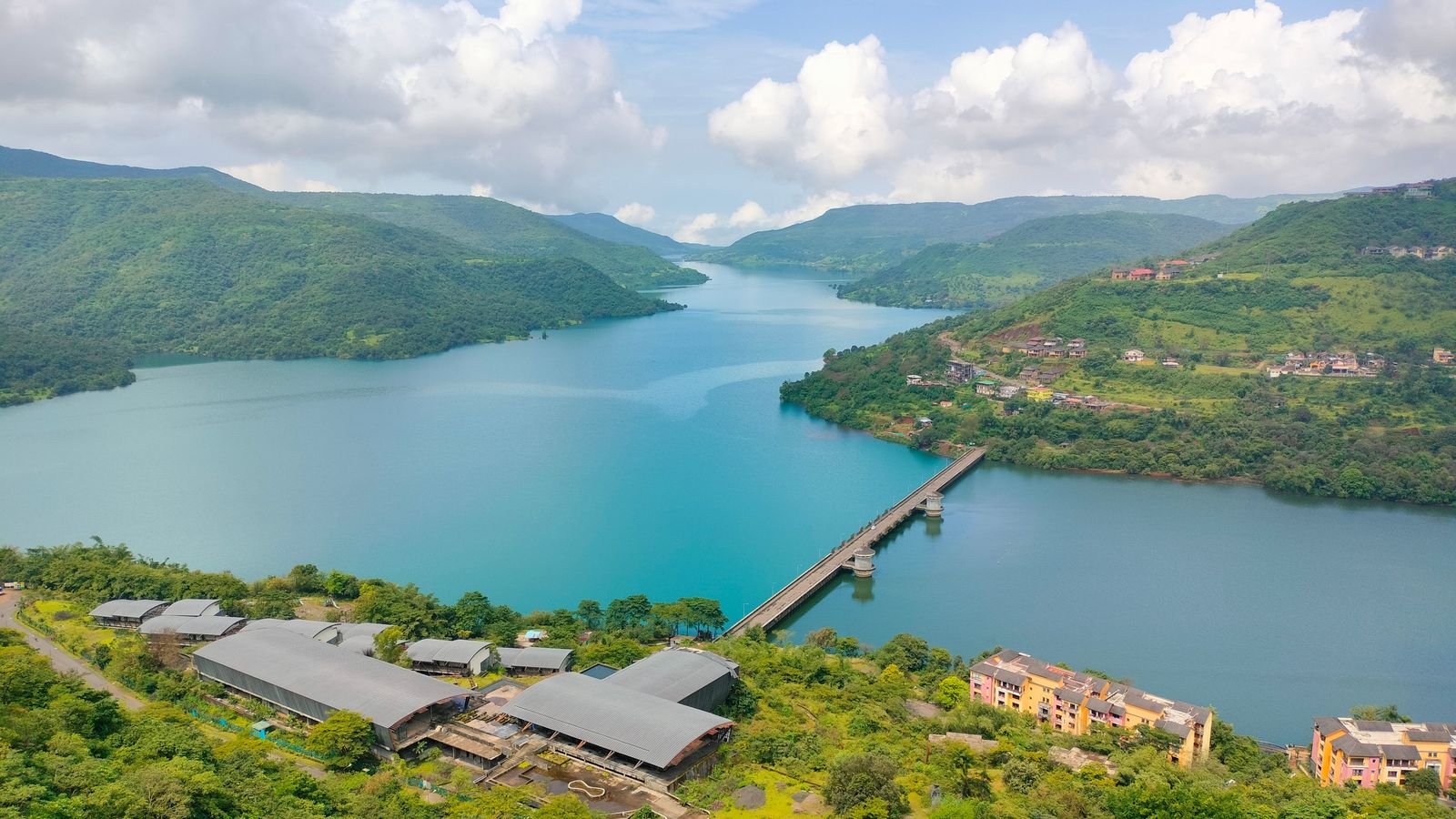
For other hill escapes from the city, see our guide to Lavasa, and for airport pickups and local hire at the Pune end, our Pune taxi service.