How do you reach Sultanpur Bird Sanctuary by road, and what does a cab cost?
Sultanpur National Park is about 50 km from central Delhi and 15 to 20 km from Gurgaon's Cyber City, typically 1 to 1.5 hours from Delhi via NH48 and the Farrukhnagar road. A chauffeur-driven sedan on a 4 hr / 40 km hire from Gurgaon costs Rs 4,320 Pay Now to Reserve; an 8 hr / 80 km day from Delhi costs Rs 7,200 Pay Now to Reserve, or Rs 12,600 Pay Now to Reserve in an Innova, before 5% GST.
Birders have a saying about Sultanpur: the lake is small, but the list is long. This modest, saucer-shaped wetland on the edge of Gurugram district has drawn Delhi's bird-watchers for decades, and on a clear January morning it can feel astonishing that so much life gathers within an hour of the capital's traffic. Rafts of ducks drift across the open water, storks stand in the shallows, and the acacia trees around the edge are loud with babblers, bee-eaters and parakeets.
The catch is timing. The birds are most active at dawn, the park gate opens early, and you want to be walking the path while the mist is still lifting off the water. That means leaving Delhi in the dark, and that is exactly where a car with a driver makes sense. RutzIndia.com runs early-morning pickups for Sultanpur from anywhere in Delhi, Gurgaon and Noida, with chauffeurs who know the route in fog and will wait at the gate while you walk. This guide covers the road, the season, the fares, what to see and a sensible day plan. When you are ready, book online and choose the start time.

Why Sultanpur is worth an early alarm
Sultanpur was first protected as a bird sanctuary in the early 1970s and later upgraded to a national park; in 2021 it was also recognised as a Ramsar wetland of international importance. The park itself covers only a little over one square kilometre, a shallow lake fed partly by rain and partly by water channelled in, surrounded by a raised circular path of roughly three to four kilometres with watch towers and hides along the way.
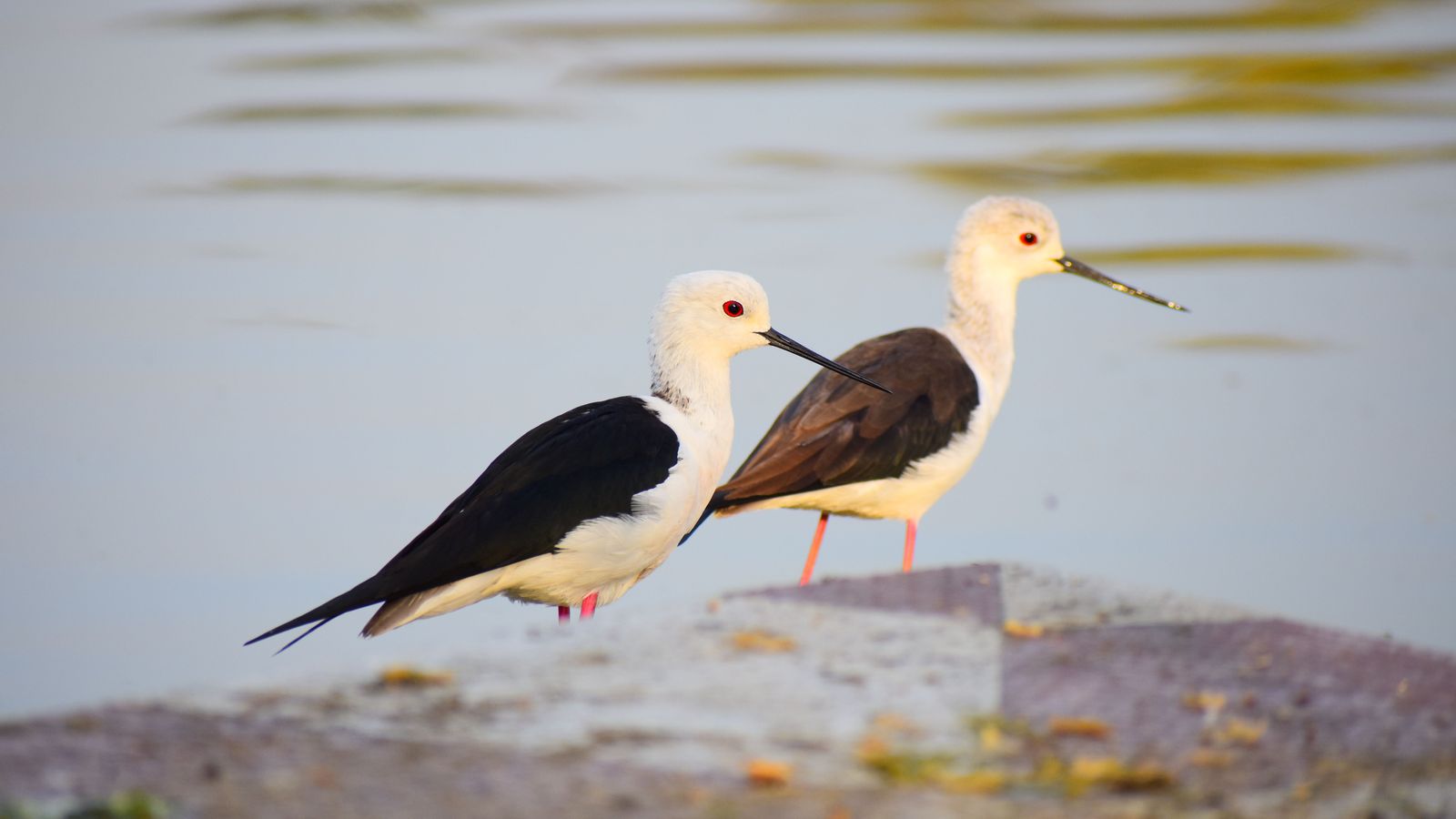
Winter visitors. From November to March, migratory ducks and waders come down from Central Asia and beyond. Northern pintail, northern shoveler, common teal, gadwall and greylag geese are regulars, along with black-winged stilts, sandpipers and, in good years, flocks of bar-headed geese.
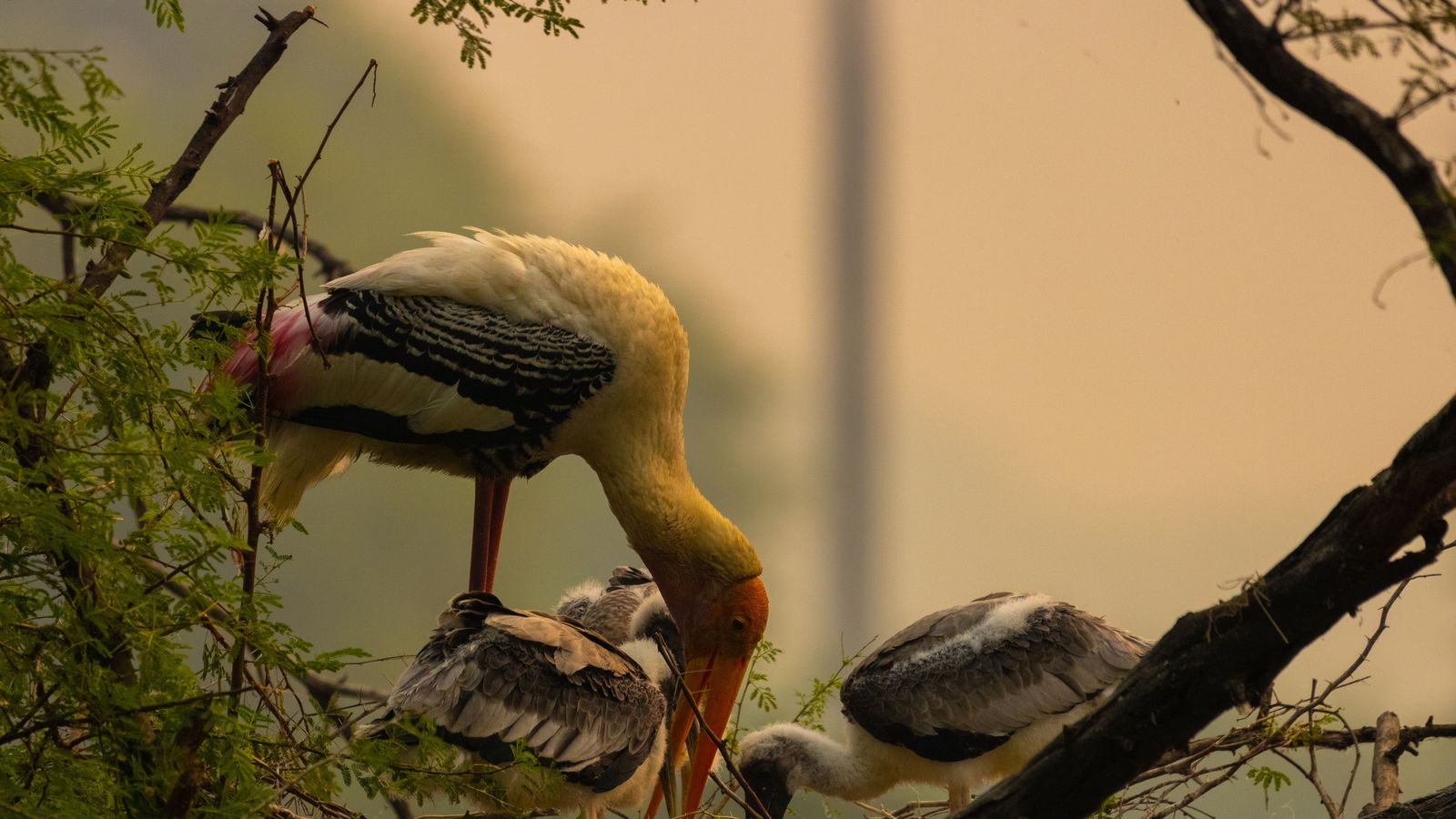
Resident birds. Painted storks nest in the trees on the islands, and you are likely to see black-headed ibis, spot-billed ducks, purple swamphens, cormorants, grey herons and several kingfisher species. Nilgai wander near the fence line in the quieter hours.
Learning and photography. An interpretation centre near the entrance introduces the wetland's birds, and the watch towers are well placed for long lenses in the soft morning light. Even if you do not know a shoveler from a teal, a pair of binoculars and a slow walk around the lake make a lovely, calm half-day.
The Haryana Forest Department manages the park; notices on timings, entry fees and any temporary closures appear on the Haryana Forest Department website. Haryana Tourism runs a tourist complex beside the gate, and the state tourism portal lists it with other properties in the region.
The road from Delhi and Gurgaon
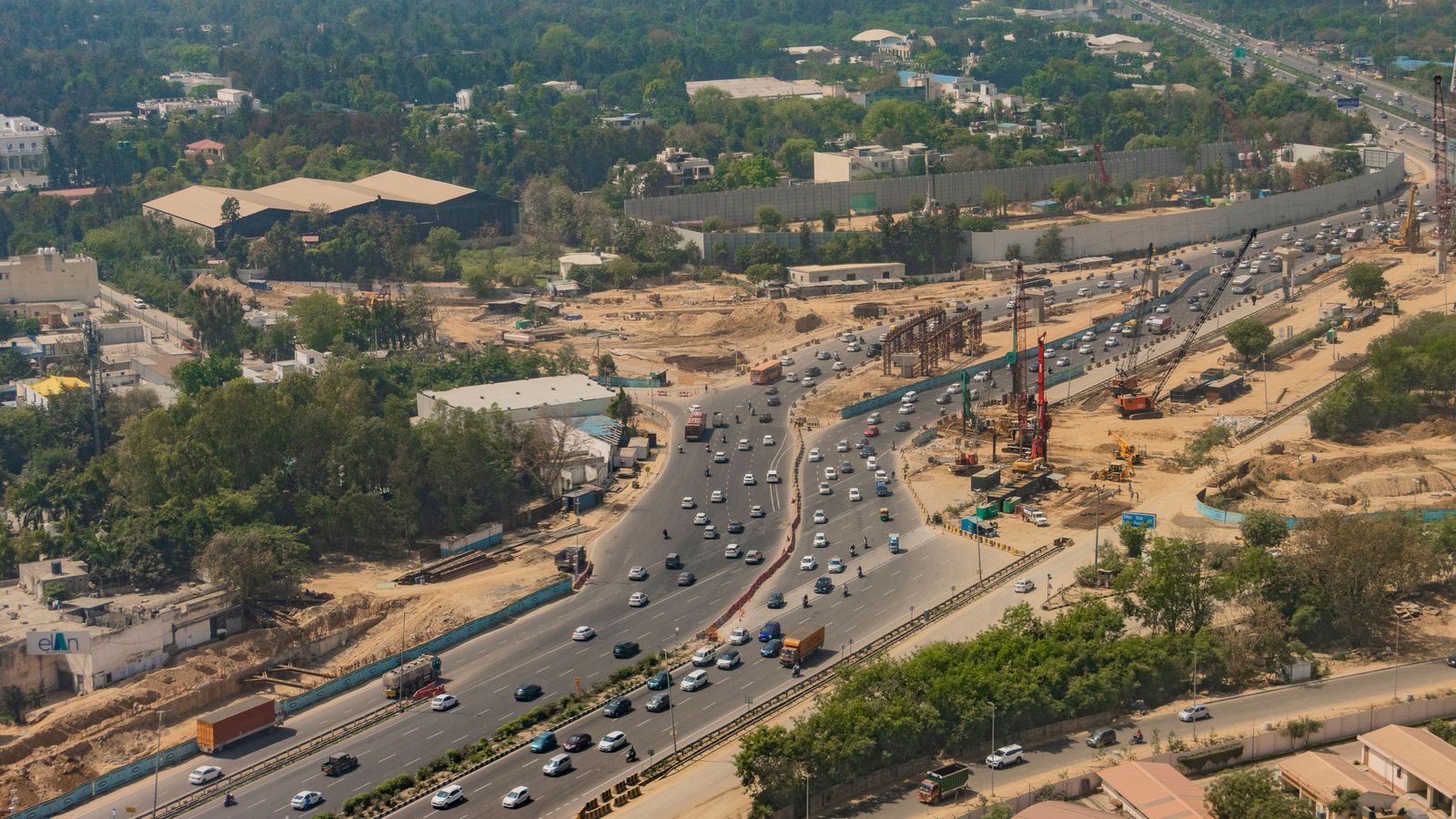
From South and Central Delhi (about 45 to 55 km). The usual route runs down NH48 past the Delhi-Gurgaon border, then west through the city towards Basai and the Gurgaon-Farrukhnagar road. Before 6 am the drive from Connaught Place takes about an hour; at 9 am it can take nearly two.
From Dwarka and the airport side (about 30 to 40 km). The Dwarka Expressway and the roads through the new sectors of western Gurgaon make this the quickest approach, often under 45 minutes at dawn.
From Gurgaon (15 to 25 km). From Cyber City, Golf Course Road or Sohna Road, allow 30 to 45 minutes. This is why many birders stay in Gurgaon the night before a big winter morning.
From Noida (about 75 km). Cross via the DND and the Ring Road to NH48; allow at least 1 hour 45 minutes. Our Noida and Greater Noida by road guide covers that side of the NCR, including the Okhla Bird Sanctuary on the Yamuna, which pairs well with Sultanpur on a two-wetland weekend.
The final stretch is a two-lane district road through villages, farms and brick kilns. In December and January, dense fog is common before sunrise; your chauffeur will slow down and use fog lamps, and it is worth leaving 20 minutes earlier than you think.

Best time to go, and what each season looks like
- November: the first migrants arrive, water levels are usually good and mornings are crisp but not yet foggy.
- December to February: peak numbers and variety, with the best chance of large flocks. Also the foggiest and coldest mornings, often around 5 to 8 degrees at dawn. Wrap up.
- March: migrants begin to leave, but warming days bring resident birds into breeding colours.
- April to June: hot, and the lake may shrink. Resident birds remain, but most visitors go only very early.
- July to September: monsoon greenery and fewer visitors; paths can be muddy and the park may restrict access after heavy rain.
Weekends in winter bring school groups and photographers, so a weekday dawn visit is noticeably quieter. The park is usually closed one day a week, so check the current schedule on the forest department site or ask our travel desk before fixing a date.
Chauffeured services and fares for a Sultanpur trip
RutzIndia.com quotes every Sultanpur trip from the published rate card on our fares page. Delhi and Gurgaon share the same local rates.
- 4 hr / 40 km local hire from Gurgaon suits a straight dawn visit with a two-hour walk.
- 8 hr / 80 km local hire from Delhi or Gurgaon covers the park plus Farrukhnagar or brunch, with time in hand. Our 8 hour, 80 km local car rental page explains how extra hours and kilometres are billed.
- One-way drops to the Haryana Tourism complex if you are staying overnight, billed at the minimum transfer fare for short runs.
- Group transport for bird clubs and school trips in a 12 to 17 seat Tempo Traveller; see Tempo Traveller hire in Delhi.
- Airport add-on: landing at IGI at dawn from an overnight flight? We can go straight to Sultanpur, which is closer to the airport than most of Delhi, and then on to your hotel.
| Vehicle | 4 hr / 40 km from Gurgaon | 8 hr / 80 km from Delhi or Gurgaon | One-way drop (minimum fare) |
|---|---|---|---|
| Dzire or similar sedan | Rs 4,320 Pay Now to Reserve | Rs 7,200 Pay Now to Reserve | Rs 3,960 Pay Now to Reserve |
| Honda City or similar premium sedan | Rs 6,480 Pay Now to Reserve | Rs 10,800 Pay Now to Reserve | Rs 5,940 Pay Now to Reserve |
| Ertiga MUV (6 seats) | Rs 5,400 Pay Now to Reserve | Rs 9,000 Pay Now to Reserve | Rs 4,950 Pay Now to Reserve |
| Innova Crysta (6 seats) | Rs 7,560 Pay Now to Reserve | Rs 12,600 Pay Now to Reserve | Rs 6,930 Pay Now to Reserve |
| Tempo Traveller 12-17 seat | Rs 11,700 Pay Now to Reserve | Rs 19,500 Pay Now to Reserve | Rs 10,740 Pay Now to Reserve |
Fares are before 5% GST. The park's entry and camera fees, parking and any tolls on the way are added at actual cost. If you combine Sultanpur with an outstation run the same day, the outstation rules apply: at least 250 km billed per calendar day on round trips, and a driver night allowance of Rs 1,500 if the car stays overnight. Pay by card or UPI through the booker.
On changes of plan: cancel more than 72 hours before pickup at no cost. After that, the charge is 10% of the fare inside 72 hours, 50% inside 48 hours, and the full fare inside 24 hours or on a no-show, as set out in our cancellation policy. Dawn fog is not a reason to cancel; the driver simply leaves earlier.
A one-day and a two-day plan by car
One day: dawn wetland and a Mughal-era town (about 110 km from central Delhi).
- Pickup at 5:30 am in winter, reach the gate around opening time.
- Walk the full loop with stops at the towers, about two to three hours.
- Drive 10 to 15 minutes west to Farrukhnagar, a small early 18th-century town with a Sheesh Mahal and an old stepwell, for a short heritage walk.
- Brunch in Gurgaon, then back to Delhi before the afternoon rush.
Two days: two wetlands (about 250 km in total). Day one as above, staying the night in Gurgaon or at the tourist complex. On day two, drive roughly 60 km further west to Bhindawas in Jhajjar district, another Ramsar wetland with open water and big skies, then return to Delhi. Serious birders who want the full north Indian set often add Keoladeo at Bharatpur on another weekend; our Bharatpur by road guide explains the drive.
If you would rather relax than tick species, swap day two for Damdama Lake by road, with a lakeside lunch in the Aravallis about an hour away.
Practical tips for Sultanpur
- Timing: aim to be at the gate at opening. The light is best and the birds most active in the first two hours.
- Fees: entry and still or video camera fees are collected at the gate and revised from time to time; carry cash and check the forest department site for the current amounts.
- What to bring: binoculars, a field guide or app, a warm layer, a cap for later in the morning, water and a small snack. Tripods are fine on the path; drones are not.
- Behaviour: keep your voice down near the hides, stay on the path and do not feed the birds.
- Parking: there is space near the entrance; your driver waits there and any parking charge is added at cost.
- Restrooms and food: facilities near the gate are basic. Plan breakfast after the walk rather than before.
For the rest of your NCR stay, our taxi service in Gurgaon page covers local rates and pickups, and Gurgaon by road explains the city's roads and weekend drives. Coming in from overseas? The taxi service in Delhi page covers airport arrivals. For more on Haryana's other sights, see the Haryana section of Incredible India.