Gangotri by road: distance, time and taxi fare
Gangotri temple is reachable by car, about 265 km from Rishikesh via Chamba, Uttarkashi and Harsil, typically 8.5 to 9.5 hours of driving. Most travellers halt a night at Uttarkashi. Expect Rs 9,540 Pay Now to Reserve for a compact sedan or Rs 15,110 Pay Now to Reserve for an Innova Crysta on a one-way drop, plus 5% GST, with tolls and parking at cost.
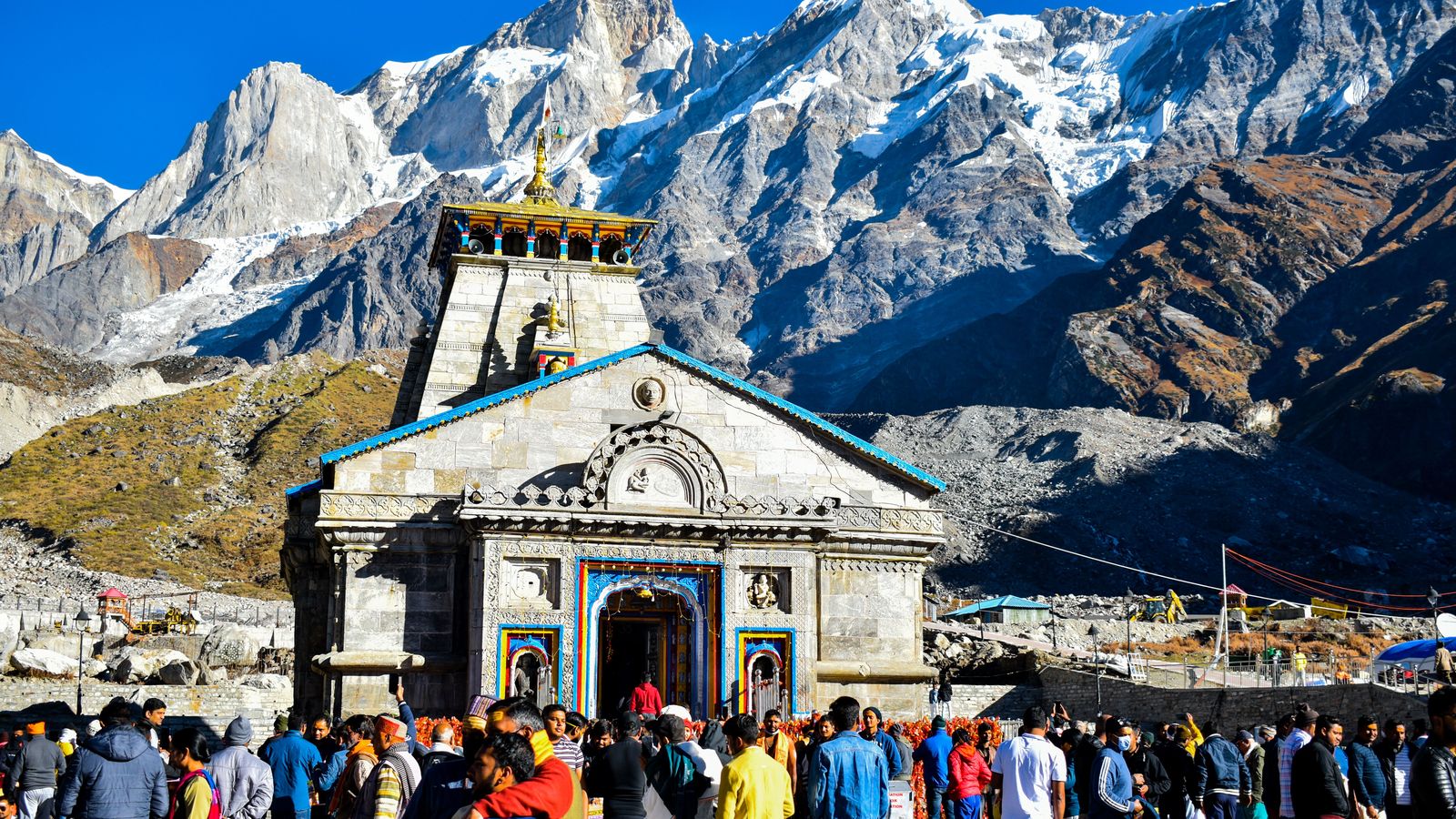
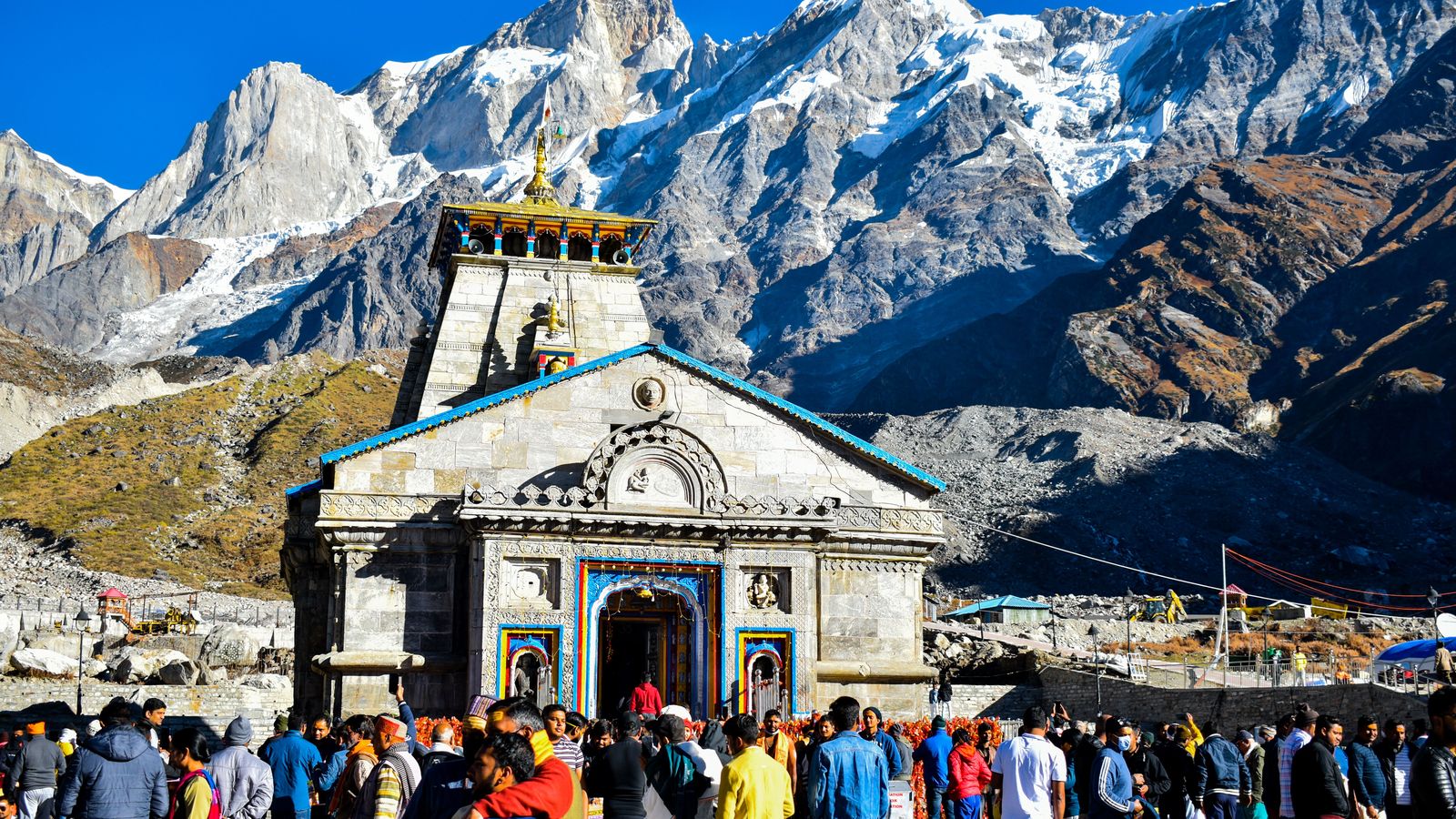
Gangotri is where the Ganga is worshipped as a goddess at the head of her own valley. The white temple at about 3,100 metres stands on the right bank of the Bhagirathi, as the river is called here, beside the rock where King Bhagirath is said to have meditated to bring the Ganga down to earth. The glacier snout at Gaumukh, the river's physical source, lies about 18 km further up a trekking trail, but the temple itself is at the end of a motor road, which makes Gangotri one of the easier dhams for elders and families.
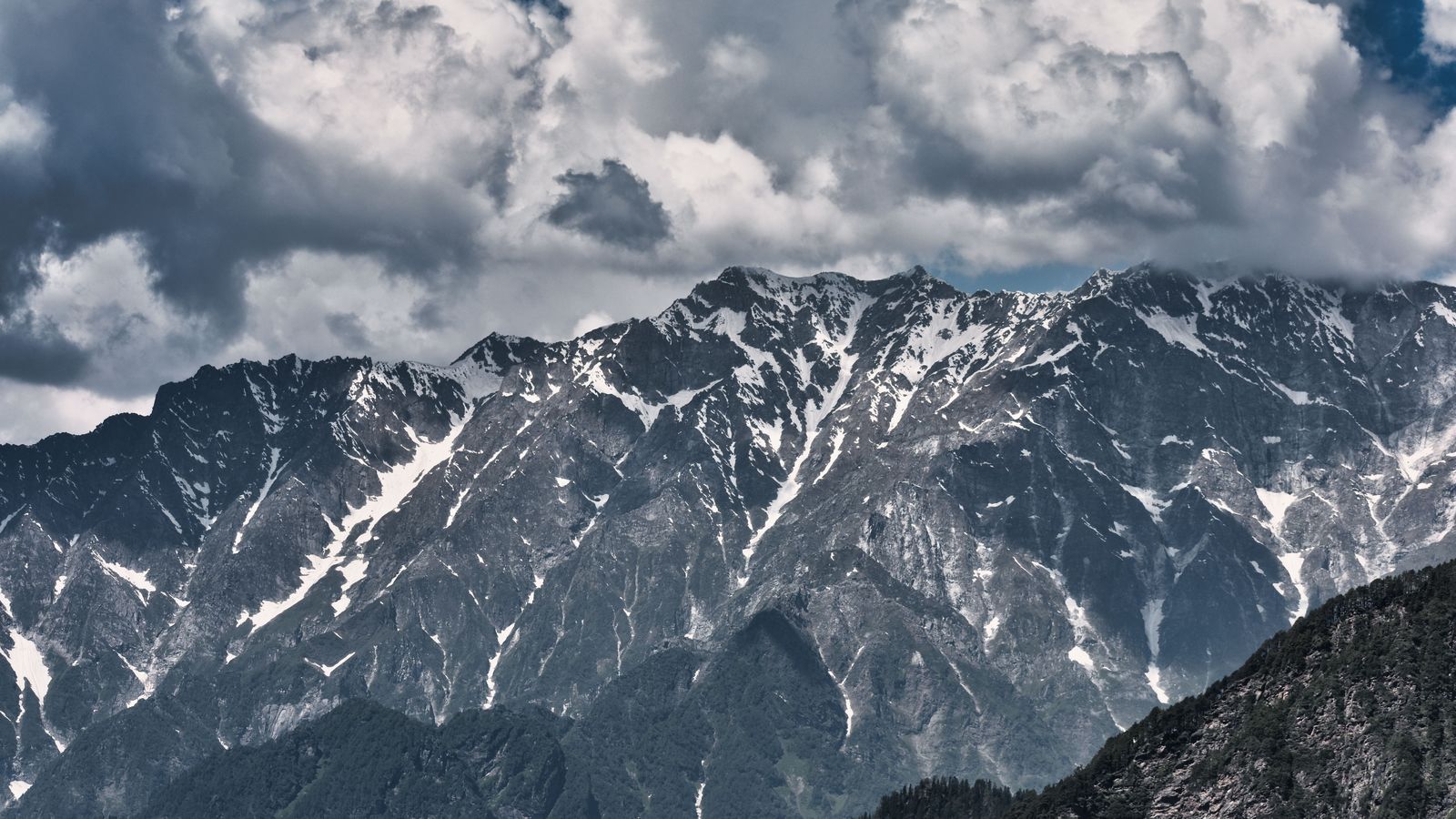
The drive is the long part, and also the beautiful part: the great reservoir at Tehri, the pilgrim town of Uttarkashi with its own Vishwanath temple, the hot springs of Gangnani, the deodar-and-apple valley around Harsil, and finally the gorge at Bhaironghati. RutzIndia.com runs one-way drops and round trips to Gangotri from Rishikesh, Haridwar, Dehradun and Delhi, and fits this leg into our full Char Dham yatra by car packages.
What to see at Gangotri and along the Bhagirathi
Gangotri town
- Gangotri temple. Built in the early nineteenth century by the Gorkha commander Amar Singh Thapa, and later restored by the rulers of Jaipur. Aarti at dawn and dusk is intimate and beautifully sung.
- Bhagirath Shila. The flat stone near the temple associated with King Bhagirath's penance.
- Surya Kund and Gauri Kund. Short walks from the temple lead to waterfalls where the river crashes through carved rock channels.
- Pandava Gufa. A cave about 1.5 km downstream on foot, linked in local lore to the Pandavas' meditation.
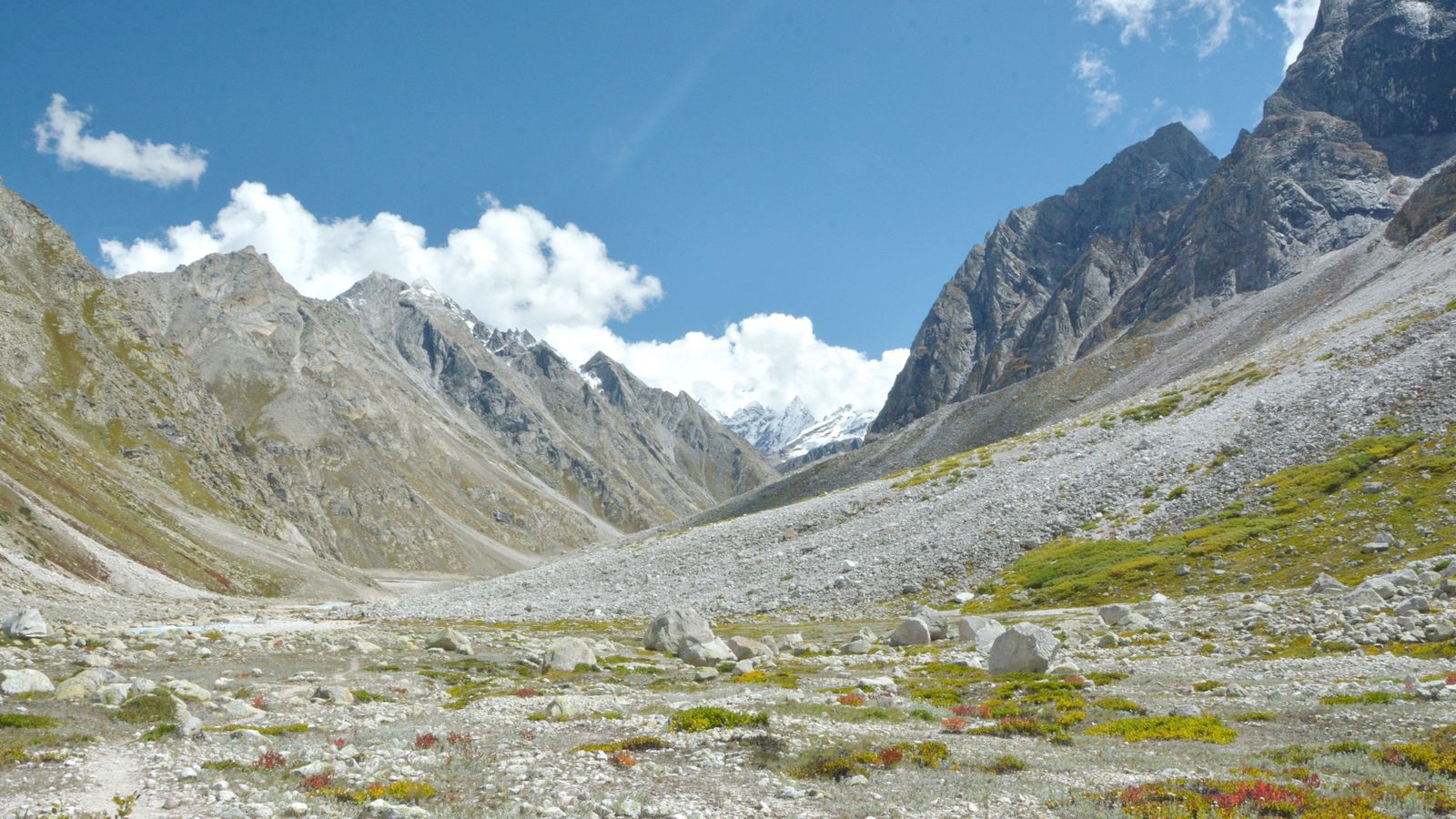
- Gaumukh trek. The glacier snout is a full-day walk each way via Chirbasa and Bhojbasa. It lies inside Gangotri National Park and needs a permit, with daily visitor numbers capped, so arrange it through the park office or a registered operator well before you go.
On the way up
- Tehri lake and dam, the vast reservoir above New Tehri, with viewpoints and water sports near Koti Colony.
- Uttarkashi, the district town, with the Kashi Vishwanath temple and the Shakti temple and its huge iron trident. The Nehru Institute of Mountaineering is also here.
- Gangnani hot springs, where pilgrims bathe in the Rishi Kund before the final climb.
- Harsil, a flat, green valley of deodars, apple orchards and wooden houses, and one of the prettiest halts anywhere on the Char Dham circuit.
- Mukhba village, across the river from Harsil, where the goddess Ganga spends the winter.
The Uttarakhand Tourism Gangotri page and the Uttarkashi district website have more on the shrine and on local advisories.
Uttarkashi, the base town worth knowing
Almost every Gangotri trip passes a night in Uttarkashi, and it pays to arrive early enough to enjoy it. The town spreads along both banks of the Bhagirathi at about 1,150 metres, with a long riverside ghat, a lively market and a steady stream of sadhus, trekkers and mountaineering students. Its name means the Kashi of the north, and the Kashi Vishwanath temple, with the Shakti temple and its tall iron trident facing it across the courtyard, is the evening focus for pilgrims.
Hotels range from simple lodges near the bus stand to comfortable riverside properties towards Gyansu and Joshiyara; car parking is easier at the edges of town than in the central bazaar, so tell us where you are staying. Chemists, ATMs and fuel pumps are plentiful, which is not true beyond Maneri, so this is where the driver tops up and you buy anything forgotten: gloves, a woollen cap, rain ponchos, sealed containers for Gangajal.
If you have a spare morning, the Nehru Institute of Mountaineering has a small museum on the hill above town, and the drive up the Varunavat side gives a wide view of the valley. For those continuing to Yamunotri, Uttarkashi is also the hinge of the route: Barkot is roughly 100 km to the west over a ridge road, so a single well-planned night here can serve both shrines.
The road: Rishikesh to Gangotri, section by section
- Rishikesh to Chamba (about 60 km). A steady climb through Narendranagar with sweeping views back over the plains. Chamba is a busy junction with fuel and snacks.
- Chamba to Dharasu and Chinyalisaur (about 70 km). The road skirts the Tehri reservoir, then descends to the Bhagirathi. Good surfaces on the widened highway.
- Chinyalisaur to Uttarkashi (about 30 km). Along the river to the district town, the standard overnight stop with plenty of hotels, ATMs and pharmacies.
- Uttarkashi to Harsil (about 75 km). Past the Maneri dam, Bhatwari and Gangnani, then up a series of hairpins to Sukhi Top before the valley opens out at Harsil. This is the slowest section; narrow stretches and the odd slide zone keep speeds low.
- Harsil to Gangotri (about 25 km). Through Dharali and Bhaironghati to the temple town. Vehicles park in designated lots and pilgrims walk a short way through the bazaar.
Coming from Delhi? Our Delhi to Haridwar taxi covers the first 220 km, and many families simply book the whole run from Delhi. After Yamunotri, the connecting road from Barkot reaches Uttarkashi in about 3.5 hours, as our Yamunotri by road guide explains.
Best time to go, permits and closures
The temple opens on Akshaya Tritiya, usually late April or early May, and closes on Diwali or the day after, when the goddess is carried down to Mukhba for the winter.
- May to June: the main season. Pleasant days, cold nights and busy roads, especially around Uttarkashi and Gangnani on weekends.
- July to mid-September: monsoon. The Bhagirathi valley suffers slides between Uttarkashi and Harsil, and the Gaumukh trail may close. Keep two spare days.
- Mid-September to October: crisp, clear and golden, with Harsil's apples ripening. The best time for photography and for an unhurried darshan.
Before setting out, every pilgrim must complete the free online Char Dham registration on the state's registration and tourist care portal. The Gaumukh trek needs a separate national park permit. Nelong valley, beyond Bhaironghati towards the border, is a restricted area that needs its own permission. Police may stop vehicle movement after dark on yatra roads, so plan to be at your hotel by sunset.
Chauffeured car options and Gangotri fares
Prices in this table come straight from our per-km card and do not yet include 5% GST. Toll receipts, parking slips and any state levy are passed on exactly as paid. When the car stays overnight with you, the driver's allowance of Rs 1,500 a night is added, and a round trip is charged for whichever is larger: the kilometres actually driven or a floor of 250 km for each calendar day.
| Gangotri trip | Compact sedan | Innova Crysta | Tempo Traveller | Force Urbania |
|---|---|---|---|---|
| Rishikesh to Gangotri, one-way drop (about 265 km) | Rs 9,540 Pay Now to Reserve | Rs 15,110 Pay Now to Reserve | Rs 20,670 Pay Now to Reserve | Rs 27,030 Pay Now to Reserve |
| Uttarkashi to Gangotri and back in a day (250 km minimum) | Rs 9,000 Pay Now to Reserve | Rs 14,250 Pay Now to Reserve | Rs 19,500 Pay Now to Reserve | Rs 25,500 Pay Now to Reserve |
| Rishikesh round trip over 3 days (750 km billed) | Rs 27,000 Pay Now to Reserve | Rs 42,750 Pay Now to Reserve | Rs 58,500 Pay Now to Reserve | Rs 76,500 Pay Now to Reserve |
| Delhi to Uttarkashi, one-way drop (about 405 km) | Rs 14,580 Pay Now to Reserve | Rs 23,090 Pay Now to Reserve | Rs 31,590 Pay Now to Reserve | Rs 41,310 Pay Now to Reserve |
- Couples and small families: a sedan is ample on this road, or an Ertiga on rent at Rs 42 per km (Rs 11,130 one way) if you carry more luggage.
- Families of five or six with elders: the Innova Crysta is the comfortable choice for the Sukhi Top hairpins.
- Ashram groups, satsangs and extended families: a Tempo Traveller from Haridwar or Rishikesh; see our Haridwar Tempo Traveller page.
- Before or after the trip, book local hours in Rishikesh through our Rishikesh taxi service.
Our vehicles are within four model years and carry the permits required for commercial cars on yatra routes. Cancelling more than 72 hours before pickup costs nothing; inside that window the charge is 10%, rising to half the fare inside 48 hours and the whole fare inside the last day or if nobody turns up. See our cancellation policy.
A 3-day Gangotri itinerary by car
Day 1: Rishikesh to Uttarkashi (about 165 km, 6 hours). Leave by 7 am, stop at the Tehri lake viewpoint, lunch at Chinyalisaur, and reach Uttarkashi in time for evening aarti at the Vishwanath temple.
Day 2: Uttarkashi to Gangotri and Harsil (about 125 km of driving). An early start up the valley, a dip at Gangnani, darshan and the Surya Kund falls at Gangotri, then back down 25 km to spend the night among the orchards of Harsil.
Day 3: Harsil to Rishikesh (about 240 km, 8 hours). Leave after breakfast to reach Rishikesh by evening. Continuing to the next dham instead? Kedarnath is reached via Tehri, Ghansali and Tilwara; see our Kedarnath by road guide.
Practical tips for a Gangotri road trip
- Fuel and cash at Uttarkashi. Pumps and ATMs thin out sharply beyond the town.
- Motion sickness. The Sukhi Top section has many tight bends. Sit in front, keep the window slightly open and avoid a heavy breakfast.
- Carry Gangajal containers. Most pilgrims take water home from Gangotri. Buy sealed containers in the bazaar or bring your own.
- Warm clothing. Evenings at Gangotri are cold even in June, and bitterly so in October.
- Respect the eco-zone. The valley above Uttarkashi is an eco-sensitive zone. Avoid plastic and carry your waste back.
- Allow slack for slides. If the police hold traffic, your driver will wait at a safe spot. A buffer day costs far less stress than a missed darshan.