How do you get to Kedarnath by road?
No road reaches Kedarnath temple. You drive about 215 km from Rishikesh to Sonprayag, typically 8 to 9 hours, then take the shuttle to Gaurikund and trek about 16 km. A chauffeur-driven sedan to Sonprayag costs Rs 7,740 Pay Now to Reserve one way and an Innova Crysta Rs 12,250 Pay Now to Reserve, before 5% GST.
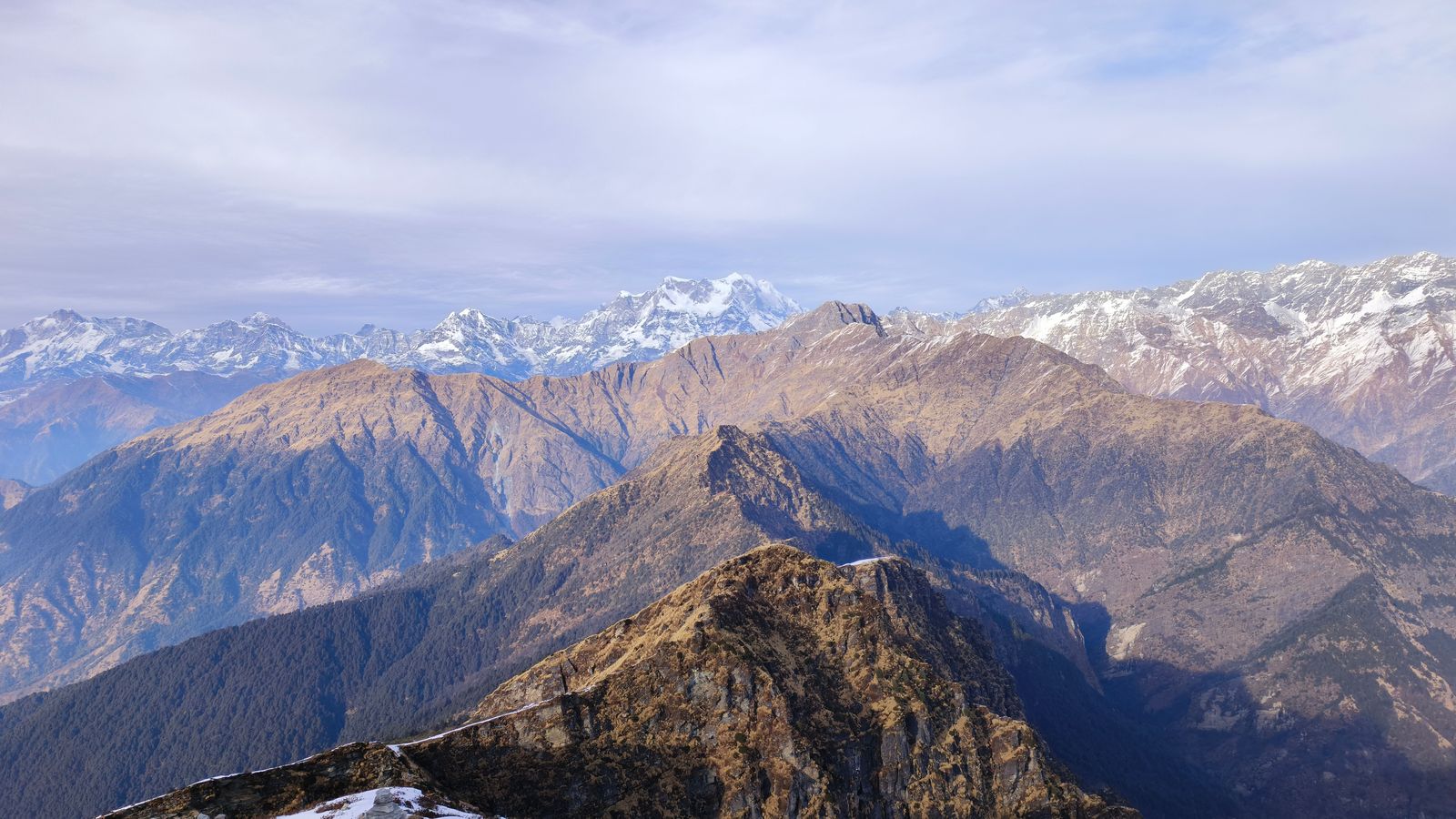
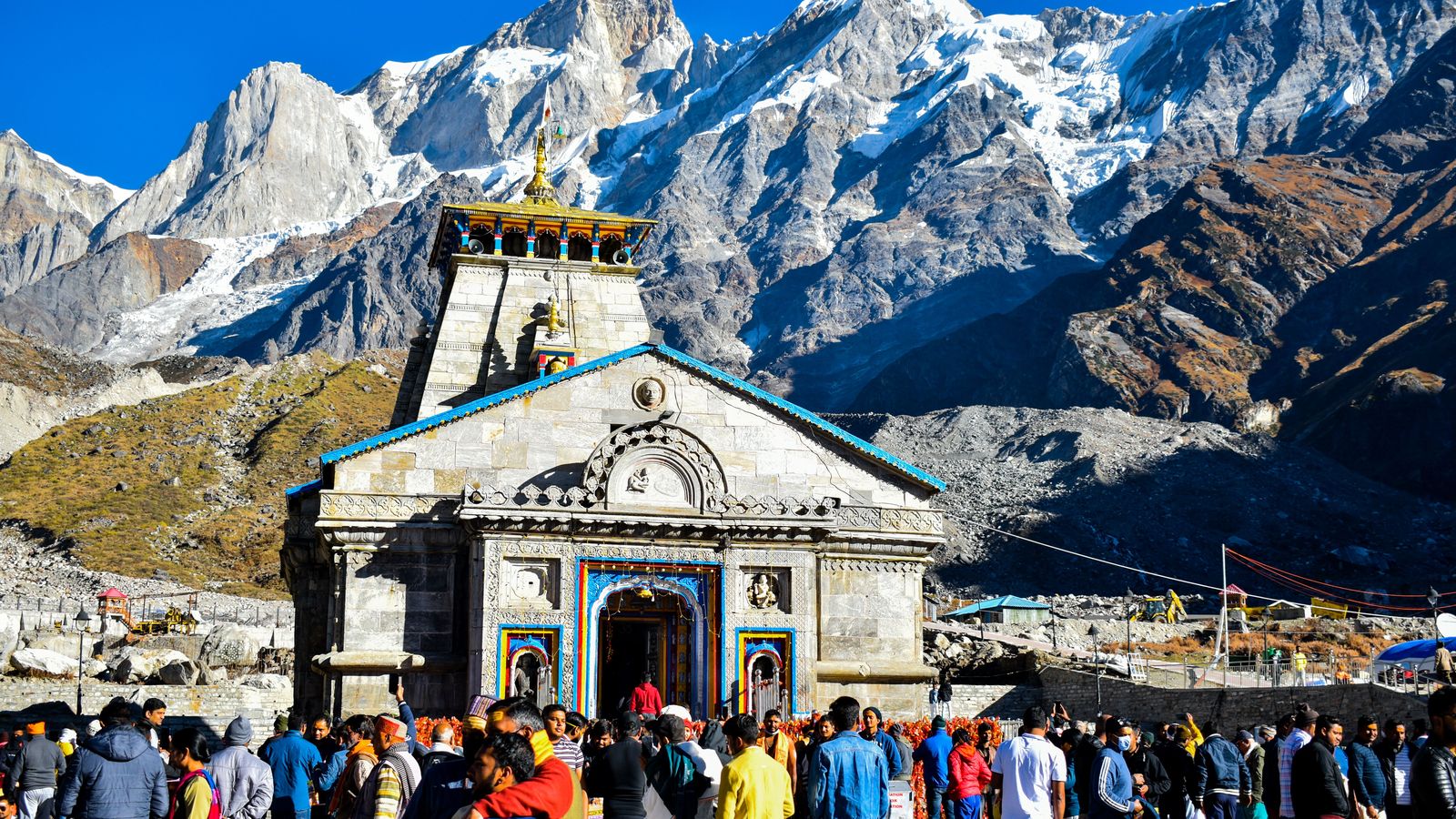
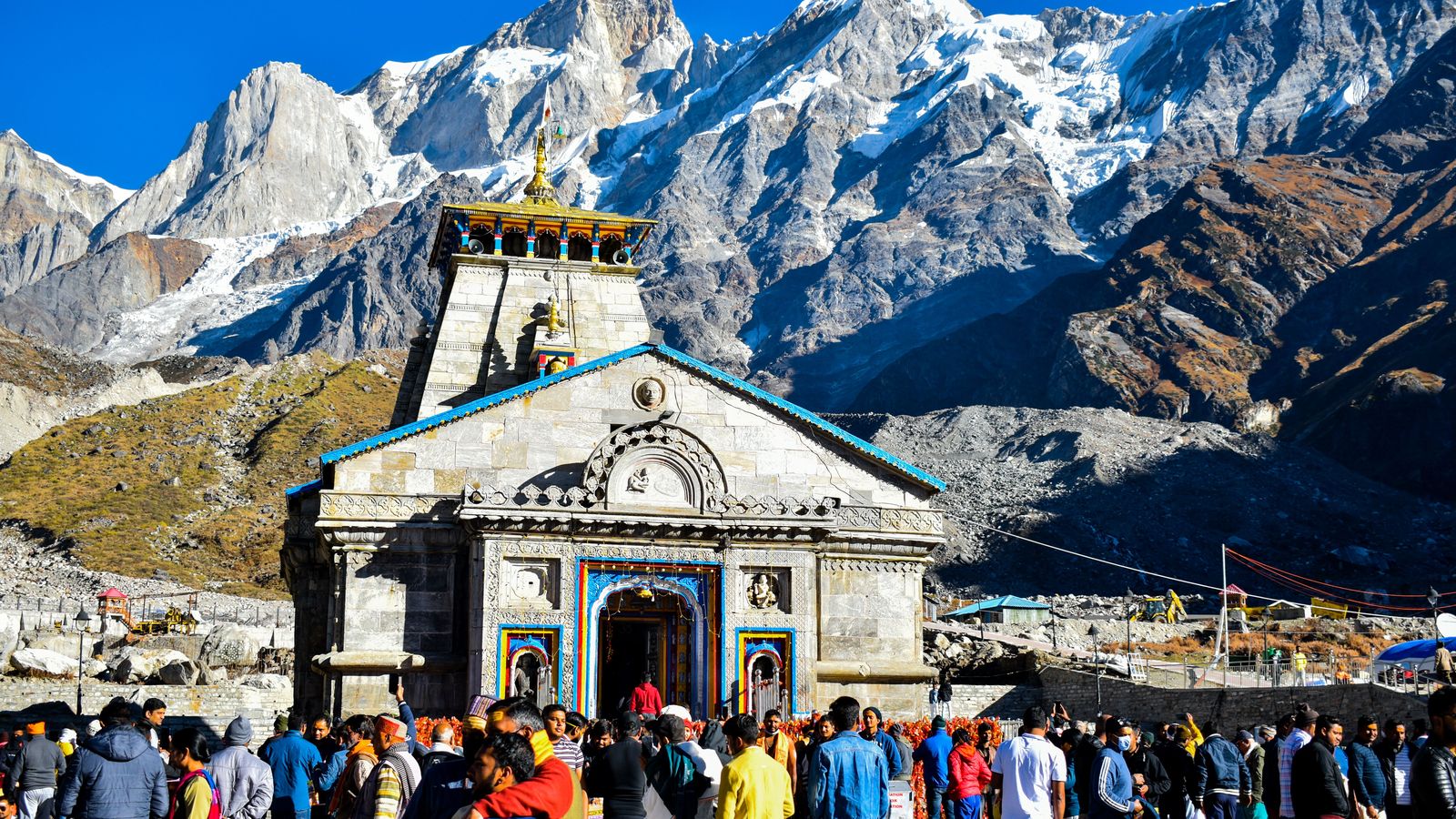
Of the four shrines on the Char Dham circuit, Kedarnath asks the most of a pilgrim and gives back the most. The stone temple to Shiva stands at roughly 3,580 metres at the head of the Mandakini valley, ringed by the Kedar Dome and Bharatekhunt peaks, one of the twelve jyotirlingas and the most revered of the Panch Kedar. The last road ends far below it, and that is exactly why the journey matters: two days of Himalayan river valleys by car, then a long walk up to a temple that survived the 2013 floods behind a boulder the faithful now worship as Bhim Shila.
A car with a hill-trained driver is the backbone of any Kedarnath trip. Buses exist, but they run to fixed timings, stop where they please and do not wait while you trek. RutzIndia.com runs one-way drops to Sonprayag, round trips that park at the base while you walk up, and full Char Dham yatra by car packages that link Kedarnath with Yamunotri, Gangotri and Badrinath.
What you will see at Kedarnath and along the way
At the top
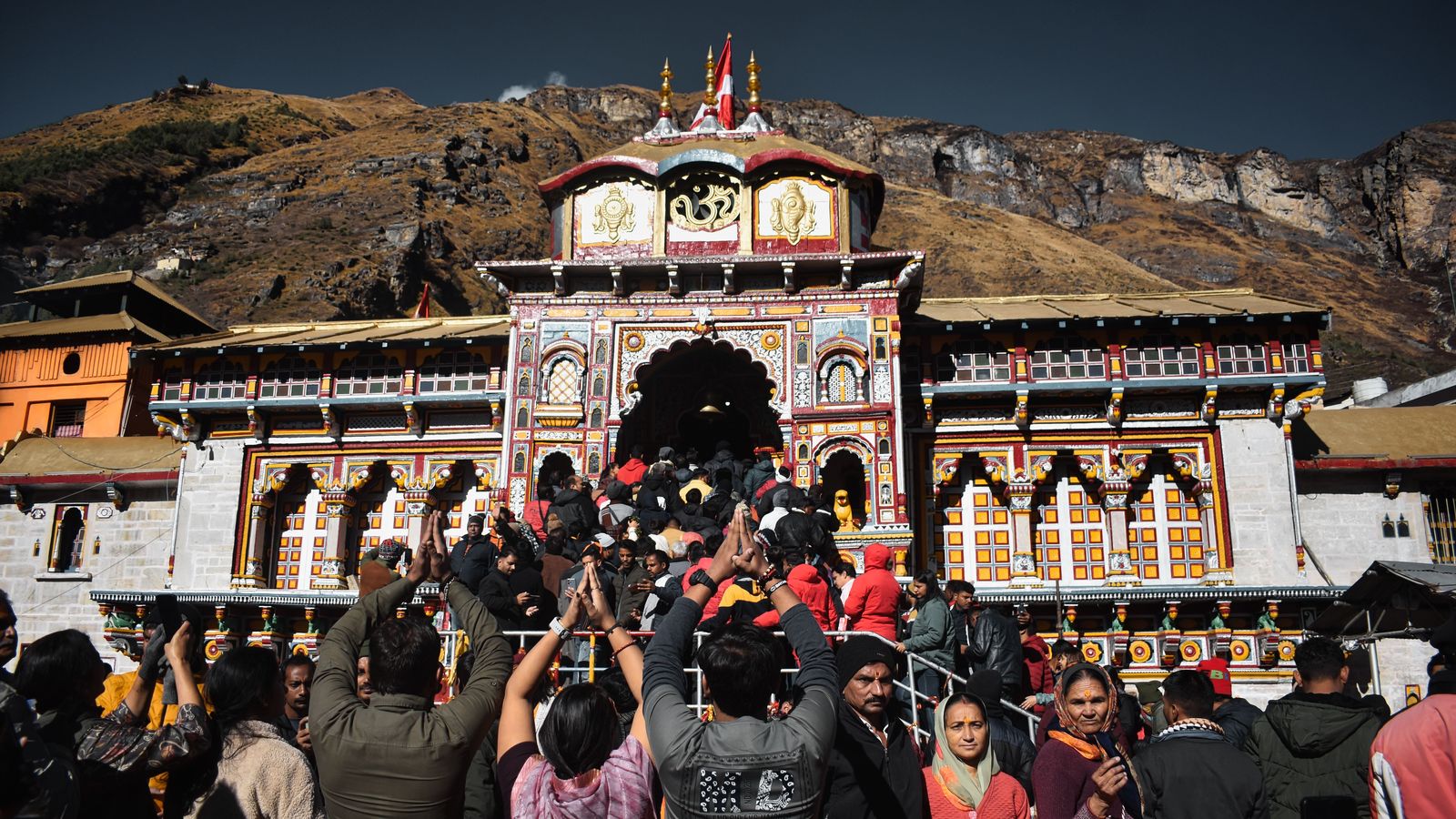
- Kedarnath temple. A grey stone shrine on a raised plinth, believed to date back more than a thousand years in its present form and traditionally linked to Adi Shankaracharya. Darshan queues can run for hours in May and June; early morning is calmer.
- Bhim Shila. The large rock behind the temple that diverted the 2013 flood waters. Pilgrims touch it on the way round.
- Adi Shankaracharya samadhi. The rebuilt memorial behind the temple, with a large statue of the saint.
- Bhairavnath temple. A steep 1 km climb above the town to the guardian deity's shrine, with the best view over the valley and the temple roof.
- Vasuki Tal and Chorabari Tal. High glacial lakes for fit walkers with an extra day and a local guide; weather decides whether they are sensible.
On the drive up
- Devprayag, where the Bhagirathi and Alaknanda meet to become the Ganga.
- Dhari Devi temple on the Alaknanda near Srinagar, the goddess regarded as the guardian of the Char Dham.
- Rudraprayag, the confluence of the Alaknanda and Mandakini, where you leave the Badrinath road and turn up the Kedar valley.
- Guptkashi, with its Vishwanath temple and Ardhnarishwar shrine, the usual overnight halt.
- Ukhimath, across the valley, where the Kedarnath deity spends the winter at the Omkareshwar temple.
- Triyuginarayan, a short detour from Sonprayag, where tradition says Shiva married Parvati before an eternal fire.
The Uttarakhand Tourism page on Kedarnath has more background on the shrine and the trek.
The Rishikesh to Sonprayag drive
The road follows the Ganga and then the Alaknanda upstream on the widened Char Dham highway before climbing the Mandakini valley. Surfaces are mostly good, but landslide zones and ongoing work mean your driver will judge the day by the morning news from the police and the traffic control points.
- Rishikesh to Devprayag (about 70 km). Leaves Tapovan and Muni ki Reti past the rafting camps of Shivpuri and Byasi. Bends are gentle; tea stalls at Byasi make a good first halt.
- Devprayag to Srinagar and Rudraprayag (about 105 km). The valley opens out at Srinagar, the largest town on the route with ATMs, pharmacies and fuel. Dhari Devi comes just after. Rudraprayag has more fuel and dhabas.
- Rudraprayag to Guptkashi (about 45 km). A narrower road through Agastyamuni and Kund along the Mandakini. Many families stop the night at Guptkashi or Phata.
- Guptkashi to Sonprayag (about 30 km). Past Phata and Sitapur, where the helicopter pads and the vehicle parking lots begin. Traffic police direct cars into parking at Sonprayag or Sitapur in the busy months.
From Delhi, add roughly 240 km and 6 hours to Rishikesh; our Delhi to Rishikesh taxi covers that leg, and many pilgrims simply book the whole run from their front door. Jolly Grant airport near Dehradun is the nearest airport, about 235 km from Sonprayag.
When to go, registration and closures
The temple opens in late April or May, on a date announced each year around Mahashivratri, and closes in October or November on Bhai Dooj, after which the deity moves to Ukhimath for the winter. Within that window:
- May and June bring the biggest crowds, long darshan queues and busy roads on weekends. Book rooms and cars early.
- July to mid-September is monsoon. Landslides can close the highway for hours or days, and the trek becomes slippery. Many families avoid it; if you do go, keep a buffer day.
- Mid-September to October is the sweet spot: fresh after the rain, clear views, cold nights and thinner crowds, with a rush again around Navratri and Diwali.
Every Char Dham pilgrim must register online before travel. Registration is done on the state's Char Dham registration and tourist care portal, and the QR slip is checked on the way. Helicopter seats from Phata, Sersi and Guptkashi are sold only through the official IRCTC heli-yatra system, not by agents. Temple timings and puja bookings are published by the Badrinath-Kedarnath Temple Committee. Police sometimes restrict vehicle movement on yatra roads after dark, so we plan every day to finish before nightfall.
Cab options and Kedarnath yatra fares
All fares are before 5% GST and follow our standard rates. Tolls, parking at Sonprayag or Sitapur and any state charges are billed at actual cost. Driver night allowance is Rs 1,500 per night. Round trips are charged on actual kilometres or 250 km per calendar day, whichever is more, so a 3-day return trip is billed as 750 km even though the road distance is shorter; the car waits at the base while you complete the trek.
| Kedarnath trip | Compact sedan | Ertiga | Innova Crysta | Tempo Traveller |
|---|---|---|---|---|
| Rishikesh to Sonprayag one way (about 215 km) | Rs 7,740 Pay Now to Reserve | Rs 9,030 Pay Now to Reserve | Rs 12,250 Pay Now to Reserve | Rs 16,770 Pay Now to Reserve |
| 3-day round trip from Rishikesh (750 km billed) | Rs 27,000 Pay Now to Reserve | Rs 31,500 Pay Now to Reserve | Rs 42,750 Pay Now to Reserve | Rs 58,500 Pay Now to Reserve |
| 4-day round trip with Chopta or Triyuginarayan (1,000 km billed) | Rs 36,000 Pay Now to Reserve | Rs 42,000 Pay Now to Reserve | Rs 57,000 Pay Now to Reserve | Rs 78,000 Pay Now to Reserve |
| Delhi to Sonprayag one way (about 455 km) | Rs 16,380 Pay Now to Reserve | Rs 19,110 Pay Now to Reserve | Rs 25,930 Pay Now to Reserve | Rs 35,490 Pay Now to Reserve |
- Sedans are fine for two or three people with light bags.
- An Innova Crysta is our usual recommendation for families: higher ground clearance, a comfortable middle row for elders and room for woollens, rain gear and walking sticks. See Innova Crysta on rent.
- Groups of 10 and more travel best in a Tempo Traveller from Haridwar or Rishikesh; our Haridwar Tempo Traveller page lists seating plans.
- Local days in Rishikesh before or after the yatra can be booked through our Rishikesh taxi service on the 8 hr/80 km package.
Cars are no more than four model years old and carry the permits commercial vehicles need on the yatra route. Cancellation is free more than 72 hours before pickup, 10% within 72 hours, 50% within 48 hours and 100% within 24 hours or on a no-show; read the cancellation policy before you pay.
A 3-day Kedarnath itinerary by car
Day 1: Rishikesh to Guptkashi or Sitapur (about 185 to 205 km, 7 to 8 hours). Start by 6 am. Breakfast at Byasi, darshan at Dhari Devi, lunch at Rudraprayag. Overnight near Guptkashi or Sitapur so you are close to the trailhead.
Day 2: Trek to Kedarnath. The driver drops you at Sonprayag parking by 5 am. Shuttle to Gaurikund, then 16 km on foot, by pony or by palki. Evening aarti and overnight at Kedarnath (book the stay in advance). Helicopter guests fly from Phata or Sitapur instead and can often return the same day.
Day 3: Descend and drive back (about 215 km). Morning darshan, walk down by noon and meet the car at Sonprayag. Drive to Rudraprayag or Srinagar for the night, or push on to Rishikesh if you are down early and the police allow evening movement.
Pairing Kedarnath with Tungnath? Add a day and read our Chopta by road guide. Continuing to Vishnu's shrine? The Badrinath by road guide picks up from Rudraprayag.
Practical tips for the Kedarnath road and trek
- Carry your registration slip and ID on your phone and on paper; checks happen at several points.
- Acclimatise sensibly. The jump from Guptkashi to 3,580 m in one day is real. Walk slowly, drink water and tell the driver if anyone feels unwell; elders with heart or lung conditions should consult a doctor first.
- Pony and palki rates are fixed by the local administration and displayed at Gaurikund. Pay only at the official counter.
- Pack layers and rain gear. Mornings at the temple are near freezing even in June.
- Keep valuables light. You will leave the car at the base for a night; take medicines, chargers and documents with you.
- Leave the parking puzzle to us. In peak weeks, finding a slot at Sonprayag is the hardest part of the drive. Our drivers know when to arrive and where to wait.
- Eat light on trek day. Dhabas at Gaurikund and along the path sell tea, Maggi and khichdi; a heavy breakfast before a 16 km climb helps nobody.