Khajuraho by road: the quick answer
Khajuraho is about 175 km from Jhansi railway junction, typically a 4-hour drive east on NH39 via Chhatarpur, and roughly 170 km from Orchha. RutzIndia.com charges Rs 6,300 Pay Now to Reserve one way by sedan and Rs 9,970 Pay Now to Reserve by Innova Crysta, before 5% GST; from Agra, about 400 km away, a sedan costs Rs 14,400 Pay Now to Reserve.
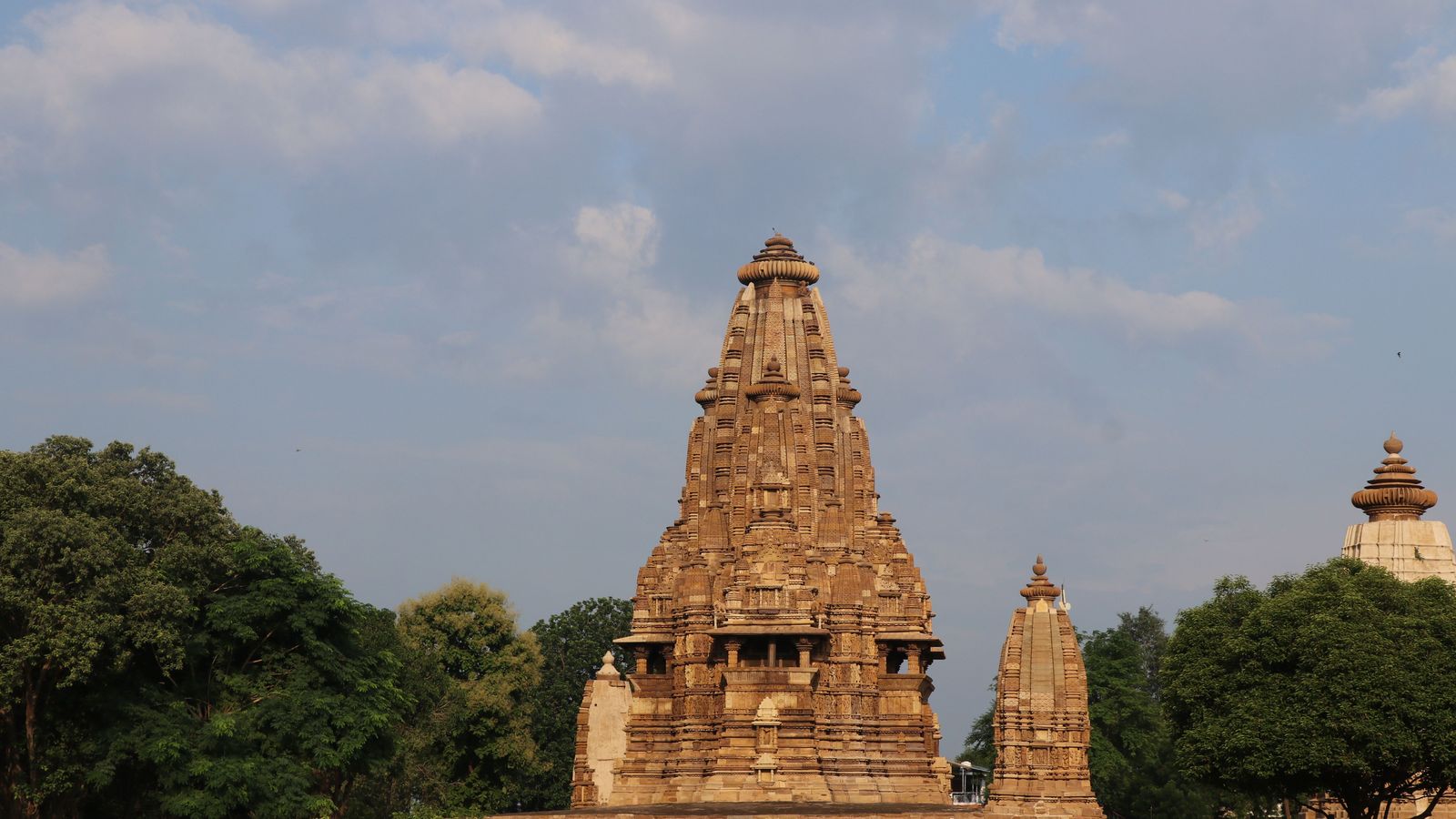
Khajuraho is one of the great artistic achievements of medieval India. Between roughly the mid-10th and mid-11th centuries, the Chandela rulers of Bundelkhand raised a cluster of Hindu and Jain temples here in pale sandstone, their towers climbing like mountain ranges and their walls crowded with thousands of carved figures: gods and goddesses, celestial dancers, musicians, warriors, animals, lovers and scenes of daily life. Only a fraction of the temples built here survive, but they make up a UNESCO World Heritage Site and one of the most rewarding stops on any journey through central India.
The town is small and pleasantly slow, and it lies away from the main rail and highway trunk lines, which is exactly why a car makes sense. Most travellers come from Jhansi, the nearest major railway junction, often via the Bundela capital of Orchha; others add Khajuraho to a Golden Triangle trip from Agra, or fly into Khajuraho's small airport and use a car for the temples, Panna and the Ken river. This guide covers the routes, the temples, the season, fares and a plan. You can book online and pay by card or UPI.
The temples: what to see and in what order
The Western Group is the heart of Khajuraho, set in landscaped gardens with a single ticketed entrance. Here stand the finest temples:
- Kandariya Mahadeva, the largest and most elaborate, dedicated to Shiva, its main tower built up from dozens of smaller spires and its walls covered with several hundred sculptures.
- Lakshmana Temple, dedicated to Vishnu and one of the earliest and best preserved, with a lively frieze of processions, hunting and battle scenes around its base.
- Vishvanatha, Chitragupta (dedicated to Surya, the Sun God) and Devi Jagadambi, each with superb carvings of apsaras and couples.
- The Varaha shrine, housing a monolithic boar incarnation of Vishnu covered in tiny carved figures.
Just outside the compound, the Matangeshwar Temple is still in active worship and becomes the centre of celebrations at Maha Shivaratri. Beside the western group, the Archaeological Museum displays sculptures gathered from the area.
The Eastern Group, a short drive away, includes the Jain temples of Parshvanath and Adinath, with some of the most delicate carving in Khajuraho, and Hindu shrines such as the Vamana and Javari temples. The Southern Group has the Duladeo and Chaturbhuj temples, the latter with a tall, serene image of Vishnu and a lovely view at sunset.
A word on the famous erotic sculptures: they form a small part of the whole and sit among far more numerous images of devotion, music, war and ordinary life. A licensed guide will explain the symbolism and the Chandela world they came from. For timings, tickets and conservation notes, see the Archaeological Survey of India. In the evenings a sound and light show at the western group narrates the temples' story.
Beyond the temples: Raneh Falls and Panna
About 20 km from town, Raneh Falls is a canyon cut by the Ken river through crystalline granite in shades of pink, red, grey and green; after the monsoon the water pours over the rock ledges, while in the dry months the gorge itself is the attraction. The area is part of a gharial sanctuary, and crocodiles are sometimes seen basking below.
Panna Tiger Reserve, whose main gate is roughly 25 km away, offers jeep safaris through teak and dry deciduous forest along the Ken, with a good chance of deer, antelope and birds and a reasonable one of tiger. The park closes during the monsoon, usually from July to September; safaris are booked through official channels. Pandav Falls, a pool and waterfall with caves inside the reserve, is another pleasant stop.
The road to Khajuraho
From Jhansi (about 175 km). Jhansi is where most visitors arrive, by the fast trains from Delhi and Agra. Your car collects you at the station or hotel and heads east on NH39 through the rocky, scrub-covered Bundelkhand country, past small towns such as Nowgong and on to Chhatarpur, before turning off at Bamitha for the last short stretch to Khajuraho. The highway is good for most of the way, with the usual trucks, cattle and village markets to slow things down. Allow about 4 hours, a little more with a tea stop. Orchha lies just off the Jhansi end, so many visitors spend a morning there first.
From Orchha (about 170 km). Effectively the same route: back towards the Jhansi-Chhatarpur highway and east. An Orchha night followed by an early drive to Khajuraho is the classic way to do it.
From Agra (about 400 km). Drive south on the Agra-Gwalior road, past Gwalior and its hilltop fort, to Jhansi and on to Khajuraho; it is a long day, typically 8 to 9 hours, and far better split with a night at Gwalior or Orchha. Our Agra taxi service arranges the whole run.
From Khajuraho airport. The airport is only a few kilometres from the temples, so a transfer takes about 10 minutes. Pickups include flight tracking, a name board and 30 minutes of free waiting after domestic arrivals.
When to visit: season and the dance festival
October to March is the ideal window, with warm, dry days and cool nights, and the best light on the sandstone early and late in the day. Maha Shivaratri (February or March) brings a large fair and wedding celebration of Shiva at the Matangeshwar Temple.
The Khajuraho Dance Festival, usually held in late February, is a week of classical dance on an open-air stage with the illuminated temples behind it, featuring leading performers of Kathak, Bharatanatyam, Odissi, Kuchipudi, Manipuri and Mohiniyattam. Dates are announced by the state; see Madhya Pradesh Tourism's Khajuraho page. Hotels fill quickly for festival week.
April to June is extremely hot, frequently above 45 degrees; if you must travel then, see the temples at opening time and again at dusk. The monsoon from July to September is humid, but Raneh Falls and the countryside are at their best, and crowds are thin. Panna is closed in this season.
Chauffeured services and fares for Khajuraho
RutzIndia.com provides:
- Jhansi station pickups and one-way drops to Khajuraho, with an optional stop at Orchha.
- Local sightseeing in Khajuraho covering the western, eastern and southern groups, Raneh Falls and the Panna gate.
- Agra, Gwalior, Orchha and Khajuraho circuits of three to five days, often extending a Golden Triangle tour by car.
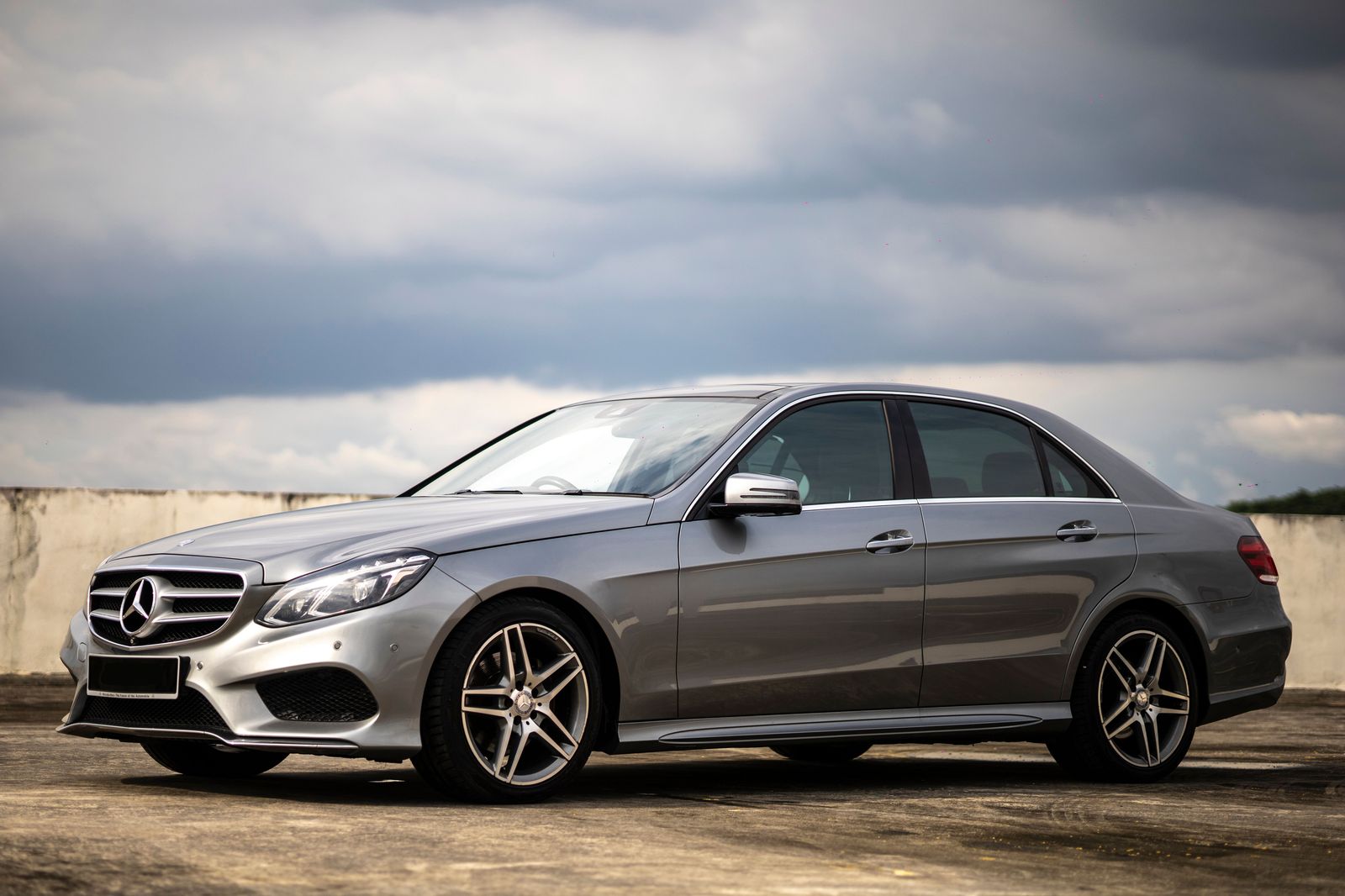
- Luxury sedans such as the Mercedes E-Class for couples and honeymooners, and Tempo Travellers for groups; see Tempo Traveller in Agra.
| Route or package | Sedan | Premium sedan | Innova Crysta | Tempo Traveller |
|---|---|---|---|---|
| Jhansi to Khajuraho, about 175 km | Rs 6,300 Pay Now to Reserve | Rs 8,400 Pay Now to Reserve | Rs 9,970 Pay Now to Reserve | Rs 13,650 Pay Now to Reserve |
| Agra to Khajuraho, about 400 km | Rs 14,400 Pay Now to Reserve | Rs 19,200 Pay Now to Reserve | Rs 22,800 Pay Now to Reserve | Rs 31,200 Pay Now to Reserve |
| Khajuraho airport transfer (up to 40 km) | Rs 3,960 Pay Now to Reserve | Rs 5,940 Pay Now to Reserve | Rs 6,930 Pay Now to Reserve | Rs 10,740 Pay Now to Reserve |
| Jhansi round trip over 2 days, 500 km billed | Rs 18,000 Pay Now to Reserve | Rs 24,000 Pay Now to Reserve | Rs 28,500 Pay Now to Reserve | Rs 39,000 Pay Now to Reserve |
The per-km rates behind this table are Rs 36 (sedan), Rs 48 (premium sedan), Rs 57.6 (Innova Crysta) and Rs 78 (Tempo Traveller), and every figure is before 5% GST. Tolls, parking at the temple complexes and any state entry charges are recovered at cost. Hops of 40 km or less are billed at the flat transfer fare. On overnight trips, add Rs 1,500 per night for the chauffeur; round trips bill the larger of the distance covered or 250 km per calendar day. See the fares page for luxury classes.
Our cars are within four model years. Cancelling costs nothing if done more than 72 hours before pickup; after that the charge rises to 10%, then 50% inside 48 hours, and to the full fare inside 24 hours or for a no-show, as set out in the cancellation policy.
Book a Jhansi to Khajuraho cab
A three-day Orchha and Khajuraho plan
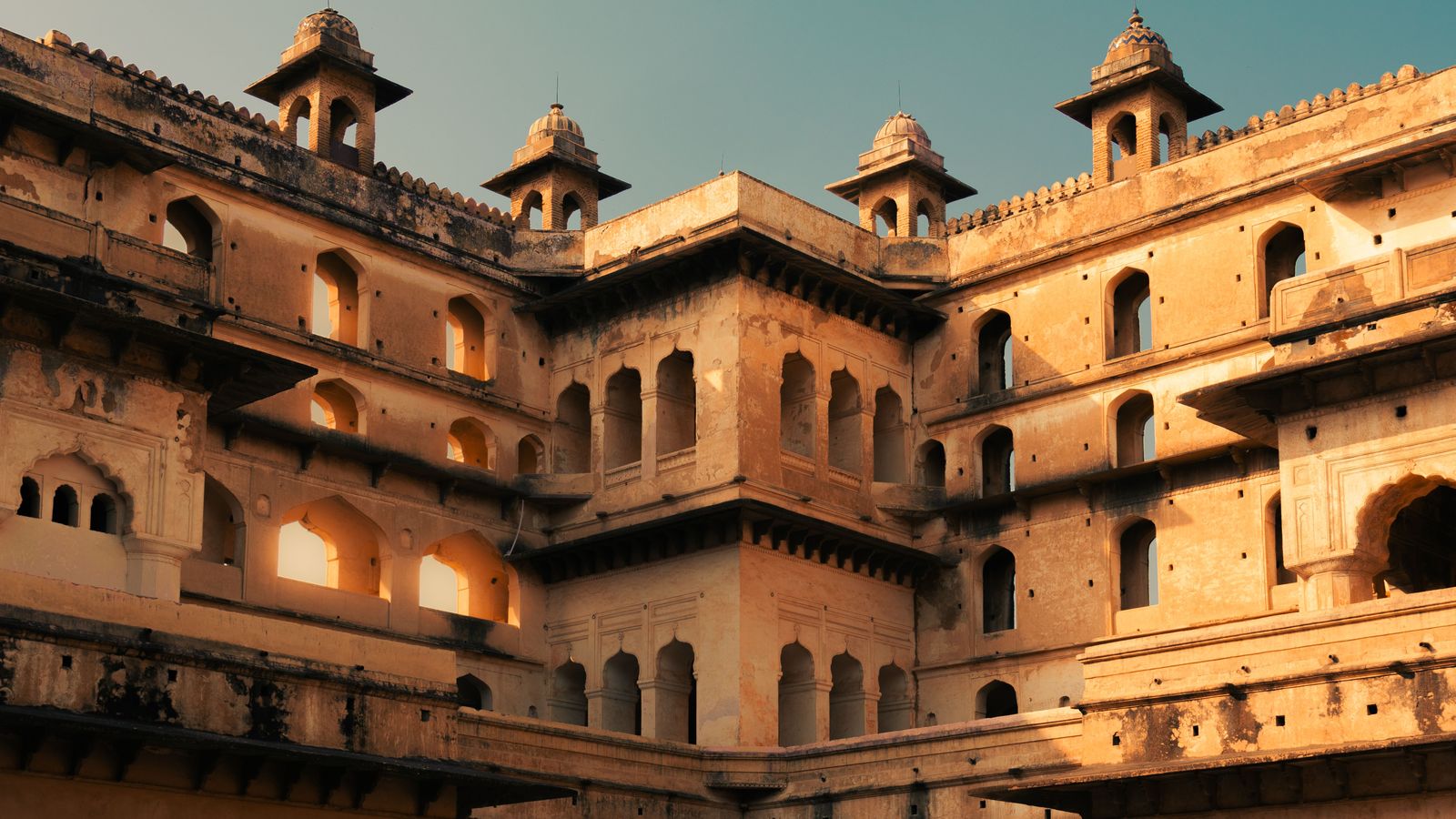
Day 1: Jhansi and Orchha (about 30 km). Early train from Delhi or Agra to Jhansi, car pickup at the station, a look at Jhansi fort, then 18 km to Orchha for its palaces and riverside chhatris at sunset.
Day 2: Orchha to Khajuraho (about 170 km) and the Western Group. Leave after breakfast, reach Khajuraho by early afternoon, see the Western Group in the late light and stay for the sound and light show.
Day 3: Eastern and Southern Groups, Raneh Falls (about 60 km). Jain temples in the morning, Chaturbhuj Temple, lunch, and Raneh Falls in the afternoon, or a Panna safari in season. Fly out from Khajuraho, or drive back to Jhansi for an evening train.
Practical tips for Khajuraho
- Hire a licensed guide at the Western Group; the iconography is dense and much more meaningful with an explanation.
- Timing: arrive at opening time for cool stone and soft light; return for sunset at the Chaturbhuj Temple.
- Dress: comfortable shoes, a hat and water; the temple platforms are exposed to the sun.
- Touts: decline unofficial guides and shop commissions politely; your driver will not stop at shops unless you ask.
- Photography: allowed for personal use in most areas; drones need permission.
- Food: simple cafes and hotel restaurants near the Western Group, with Bundelkhandi dishes on request.
- Village walk: the old village of Khajuraho, a short walk east of the Western Group, still has lanes of whitewashed houses, a lake and small shrines; an early-morning stroll there, before the tour buses arrive, shows how people live beside one of the world's great monuments.
Khajuraho rewards those who stay two nights rather than rushing through. For longer journeys across Madhya Pradesh and Rajasthan, browse our tours by car, or start from our Agra by road guide and extend south.