Orchha by road: how to get there and what it costs
Orchha is about 18 km from Jhansi railway station, typically a 30-minute drive, so RutzIndia.com bills it as a short transfer: Rs 3,960 Pay Now to Reserve by sedan or Rs 6,930 Pay Now to Reserve by Innova Crysta, before 5% GST. A full day in Orchha with the same car is Rs 7,200 Pay Now to Reserve by sedan, and Gwalior to Orchha, about 120 km, is Rs 4,320 Pay Now to Reserve one way.
Orchha feels like a secret even though it sits almost on top of one of north India's busiest railway junctions. Founded in the early 16th century by the Bundela chief Rudra Pratap Singh on a bend of the Betwa river, it was the capital of a kingdom that flourished under Mughal patronage, and its rulers left behind a remarkable ensemble: palaces with painted ceilings, towering temples, a riverside row of domed royal cenotaphs and gardens, all in a village-sized town surrounded by forest. The monuments are on UNESCO's tentative list for World Heritage status, and the pace of life is gentle.
Because Jhansi is so well served by fast trains from Delhi and Agra, Orchha works as a day trip, an overnight stay or a first stop on the road to Khajuraho. A car and driver make the logistics effortless: station pickup, the monuments spread across both banks of the river, the road on to Khajuraho or back to Gwalior, all without hunting for autos. This guide covers what to see, the roads in, the seasons, fares and a plan. Book online whenever you are ready.
What to see in Orchha
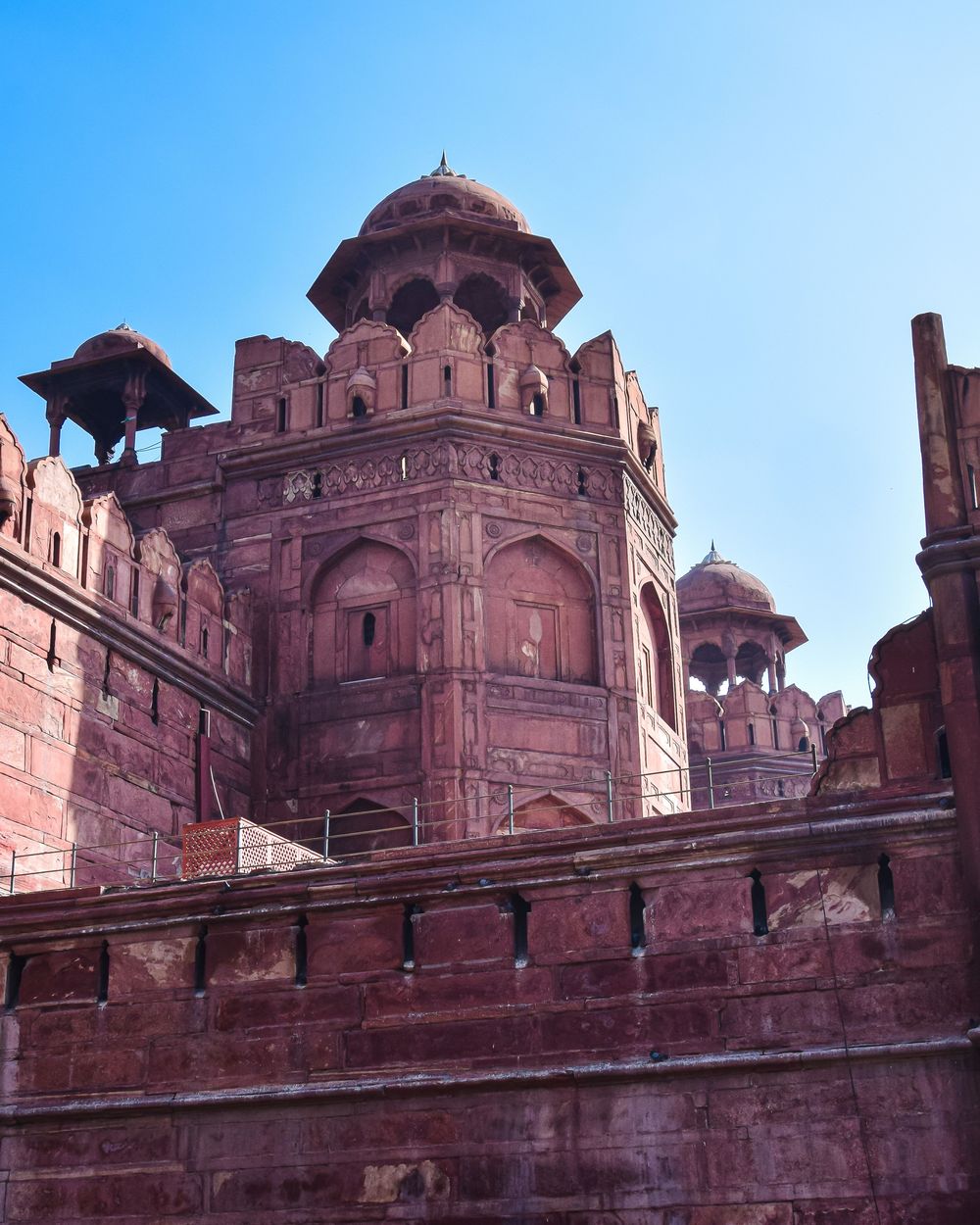
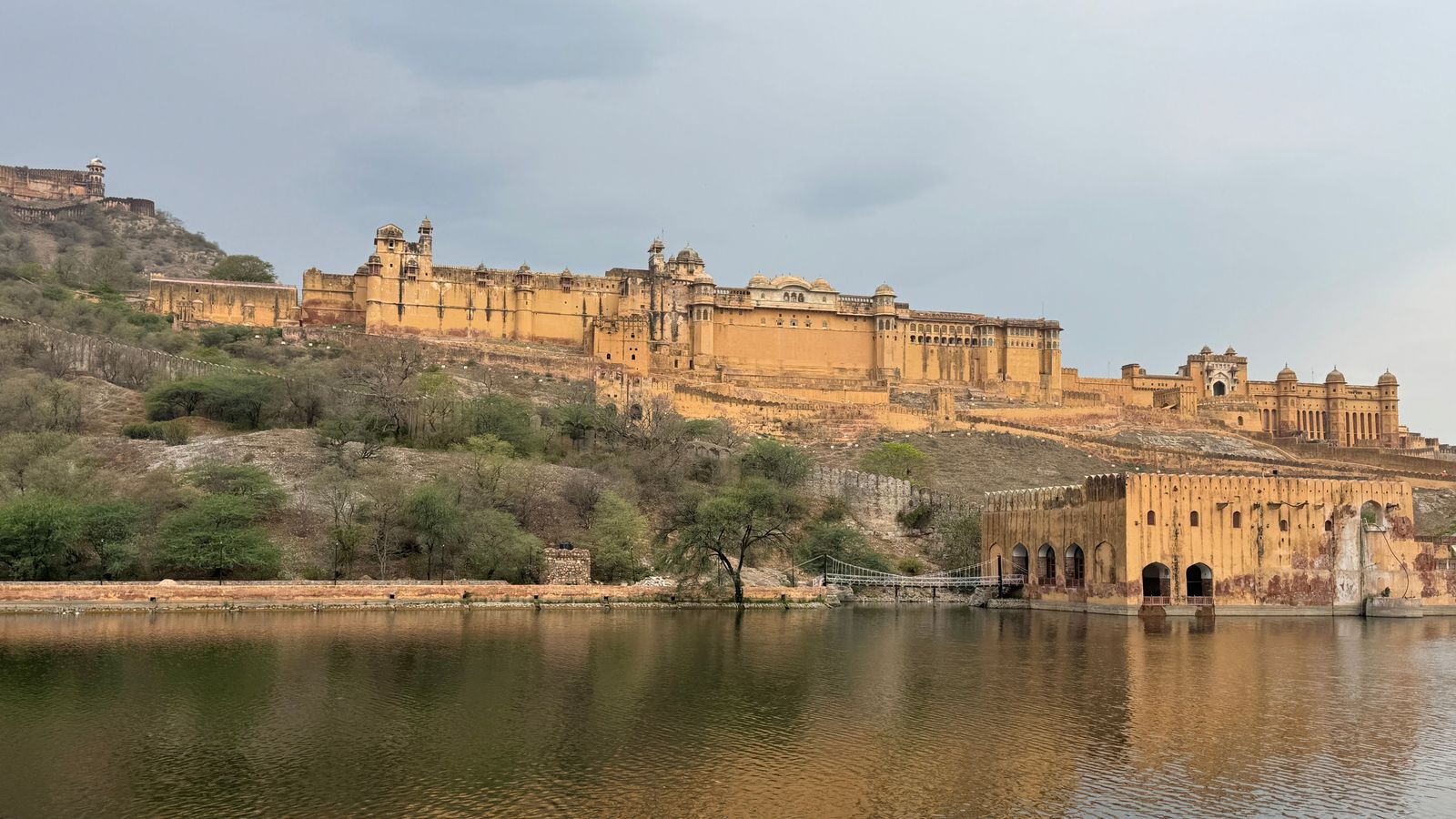
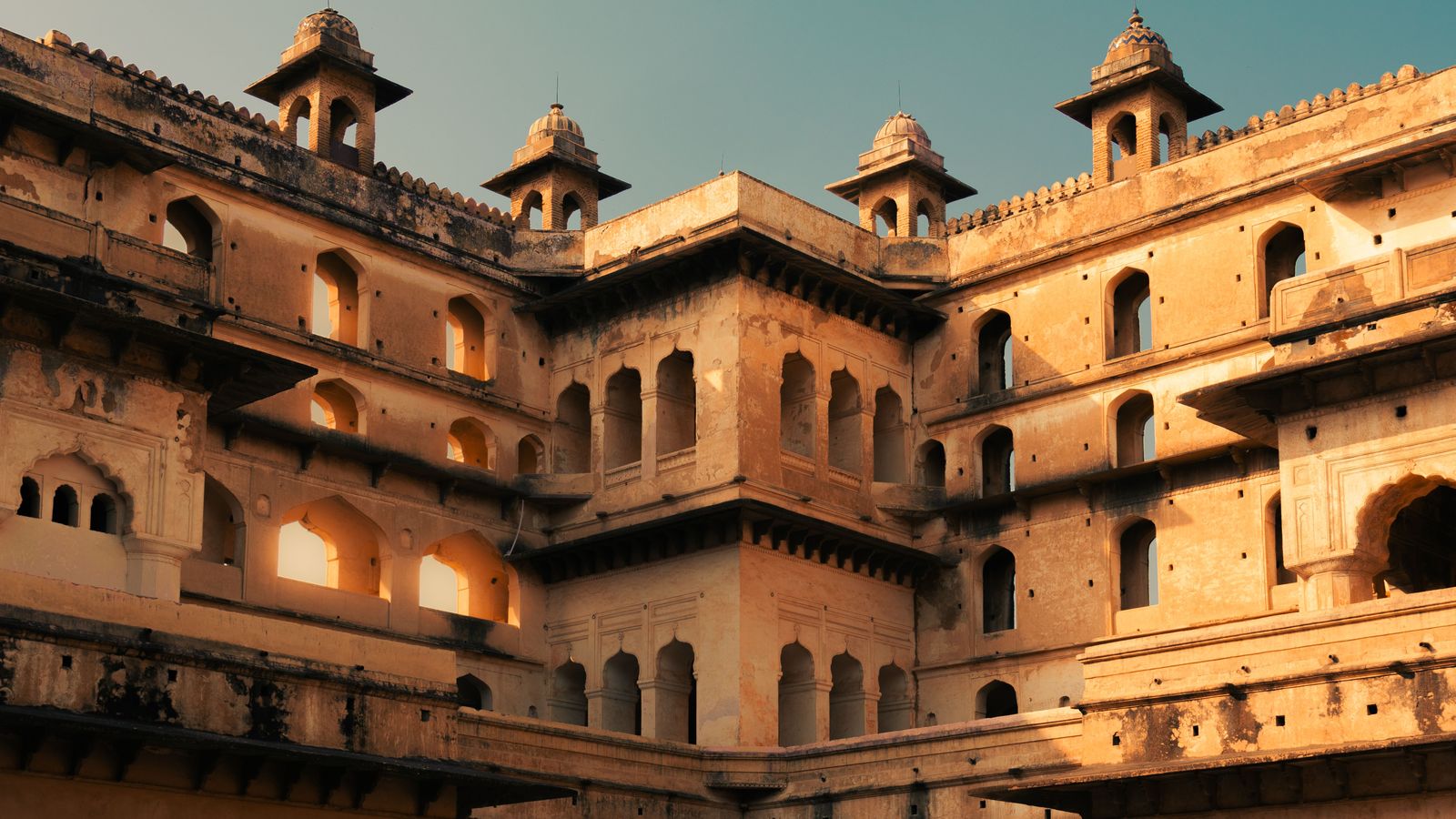
The fort complex. Reached by a bridge over a channel of the Betwa, the fort island holds three palaces. The Raja Mahal, the older royal residence, has plain exteriors hiding rooms painted with murals of Rama, Krishna and Vishnu's incarnations. The Jahangir Mahal, built by Bir Singh Deo in the early 17th century to honour the Mughal emperor, is a symmetrical sandstone pile of domes, balconies, stone elephants and turquoise tile traces, with views over the whole town from the upper terraces. The smaller Rai Praveen Mahal is linked to a celebrated poet and dancer of the Bundela court and sits beside a garden. In the evening, a sound and light show at the fort tells the story of the kingdom.
Ram Raja Temple. Uniquely, Rama is worshipped here as a reigning king rather than simply as a deity, and the temple, originally a palace, receives a daily ceremonial salute from armed guards. Timings for darshan are fixed, and the square outside is lively with flower sellers and pilgrims.
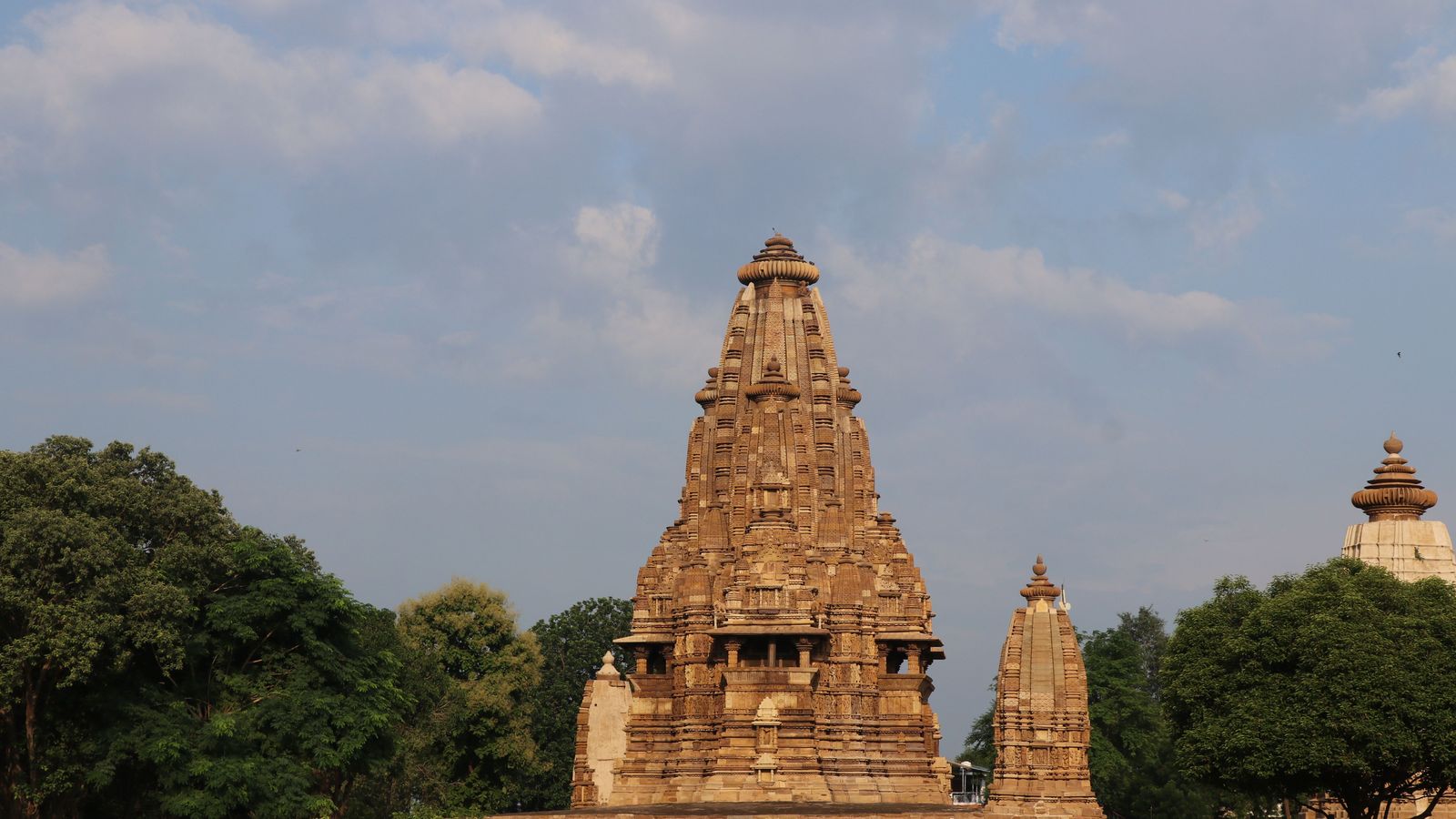
Chaturbhuj Temple. Next door, this soaring temple was built for the Rama idol that, by legend, refused to move from the palace; it stands on a high platform and its upper levels give one of the best views in Bundelkhand. Laxmi Narayan Temple, on a hill on the edge of town, combines fort and temple architecture and is famous for its well-preserved wall paintings.
The chhatris. A line of fourteen cenotaphs of Orchha's rulers stands on Kanchan Ghat along the Betwa, and at sunset, seen from the far bank or the bridge, their domes reflected in the river make one of the loveliest views in central India. The chhatris are also known for the vultures that nest on them.
The river and forest. The Orchha Wildlife Sanctuary, on an island between the Betwa and Jamni rivers, has walking and cycling trails with deer, langurs and birdlife. In the cooler months, rafting and kayaking are offered on the Betwa, subject to water levels and operator availability.
Evenings and food. Orchha has no nightlife to speak of, and that is its charm. After the evening aarti at the Ram Raja Temple, the square quietens, the palaces are floodlit and the sound of the river carries through the lanes. Small rooftop cafes near the temple serve thalis, Bundelkhandi dishes and simple continental food, and several heritage hotels have terraces overlooking the fort. Try the local sweets sold near the temple, and ask your hotel about home-style Bundeli cooking such as dal with bafauri, steamed gram-flour dumplings. If you are staying in Jhansi instead, your driver can bring you back after dinner so that you do not have to find an auto late at night.
The roads to Orchha
From Jhansi (about 18 km). Jhansi station is the arrival point for almost everyone. From the station the car crosses the city, passes the approach to Jhansi fort, and takes the Tikamgarh road south-east to the Orchha turn. The road is good and usually takes about 30 minutes, longer in the evening rush. Jhansi's own fort, closely associated with Rani Lakshmibai and the 1857 uprising, deserves an hour on the way in or out.
From Gwalior (about 120 km). The four-lane road south from Gwalior through Datia reaches Jhansi in about two hours; Datia's seven-storey palace and the Pitambara Peeth temple are worthwhile stops. Our Gwalior by road guide covers that city's fort and palaces.
From Agra (about 250 km). The drive south via Dholpur and Gwalior takes about 5 hours, turning a Taj Mahal visit into the start of a central India loop. Our Agra taxi service handles the whole route.
From Khajuraho (about 170 km). East to west along NH39 through Chhatarpur, about 4 hours; many visitors do the circuit in this direction and finish at Jhansi for the train home.
When to visit Orchha
October to March brings clear, dry days and cool nights, the best season for walking between monuments and for sunsets at the chhatris. Ram Navami in spring and Ram Vivah celebrations in the winter month of Margashirsha draw large crowds of devotees to the Ram Raja Temple, as does Diwali. April to June is very hot, so plan sightseeing at dawn and dusk and rest in the afternoon. The monsoon (July to September) swells the Betwa and turns the countryside green; the monuments stay open, though rafting and forest trails may pause.
For festival dates, the sound and light show schedule and ticket information for state-protected monuments, see Madhya Pradesh Tourism's Orchha page.
Chauffeured services and fares for Orchha
RutzIndia.com arranges:
- Jhansi station or hotel transfers to Orchha and back.
- Full-day or half-day hire with the car waiting while you explore; see local car rental by the day.
- Onward drives to Khajuraho, Gwalior or Agra, or a complete loop starting and ending in Agra as an extension of the Golden Triangle tour by car.
- Group vehicles for school trips, heritage walks and wedding parties visiting the Ram Raja Temple.
| Booking | Sedan | Innova Crysta | Premium sedan | Tempo Traveller |
|---|---|---|---|---|
| Jhansi to Orchha transfer (18 km, flat short-trip fare) | Rs 3,960 Pay Now to Reserve | Rs 6,930 Pay Now to Reserve | Rs 5,940 Pay Now to Reserve | Rs 10,740 Pay Now to Reserve |
| Half day, 4 hr / 40 km | Rs 4,320 Pay Now to Reserve | Rs 7,560 Pay Now to Reserve | Rs 6,480 Pay Now to Reserve | Rs 11,700 Pay Now to Reserve |
| Full day, 8 hr / 80 km | Rs 7,200 Pay Now to Reserve | Rs 12,600 Pay Now to Reserve | Rs 10,800 Pay Now to Reserve | Rs 19,500 Pay Now to Reserve |
| Gwalior to Orchha, about 120 km (larger cars at minimum fare) | Rs 4,320 Pay Now to Reserve | Rs 6,930 Pay Now to Reserve | Rs 5,940 Pay Now to Reserve | Rs 10,740 Pay Now to Reserve |
| Agra to Orchha, about 250 km | Rs 9,000 Pay Now to Reserve | Rs 14,250 Pay Now to Reserve | Rs 12,000 Pay Now to Reserve | Rs 19,500 Pay Now to Reserve |
Add 5% GST to each figure. Parking, any toll and monument or state entry fees are passed through at the amount paid. Because Jhansi to Orchha is under 40 km, it is always billed at the flat transfer fare rather than per kilometre. For outstation round trips the minimum is 250 km per calendar day, and a chauffeur staying overnight earns a night allowance of Rs 1,500. The fares page has every vehicle class.
Cars are no more than four model years old. You may cancel free of charge until 72 hours before pickup; a 10% fee applies in the 72 to 48 hour window, 50% from 48 to 24 hours, and 100% in the last 24 hours or on a no-show, according to our cancellation policy.
Suggested plans by car
A day from Jhansi (about 60 km on a full-day package). Morning train into Jhansi, pickup at the station, an hour at Jhansi fort, and on to Orchha for the Raja Mahal and Jahangir Mahal before lunch. Afternoon at the Ram Raja and Chaturbhuj temples, then Laxmi Narayan Temple, and sunset at the chhatris before the evening train back.
Two days, Orchha and on to Khajuraho (about 200 km). Day 1 as above, but stay overnight in Orchha to catch the sound and light show and an unhurried dawn by the river, perhaps with a walk in the wildlife sanctuary. Day 2: drive about 170 km to Khajuraho and see the Western Group temples in the evening light.
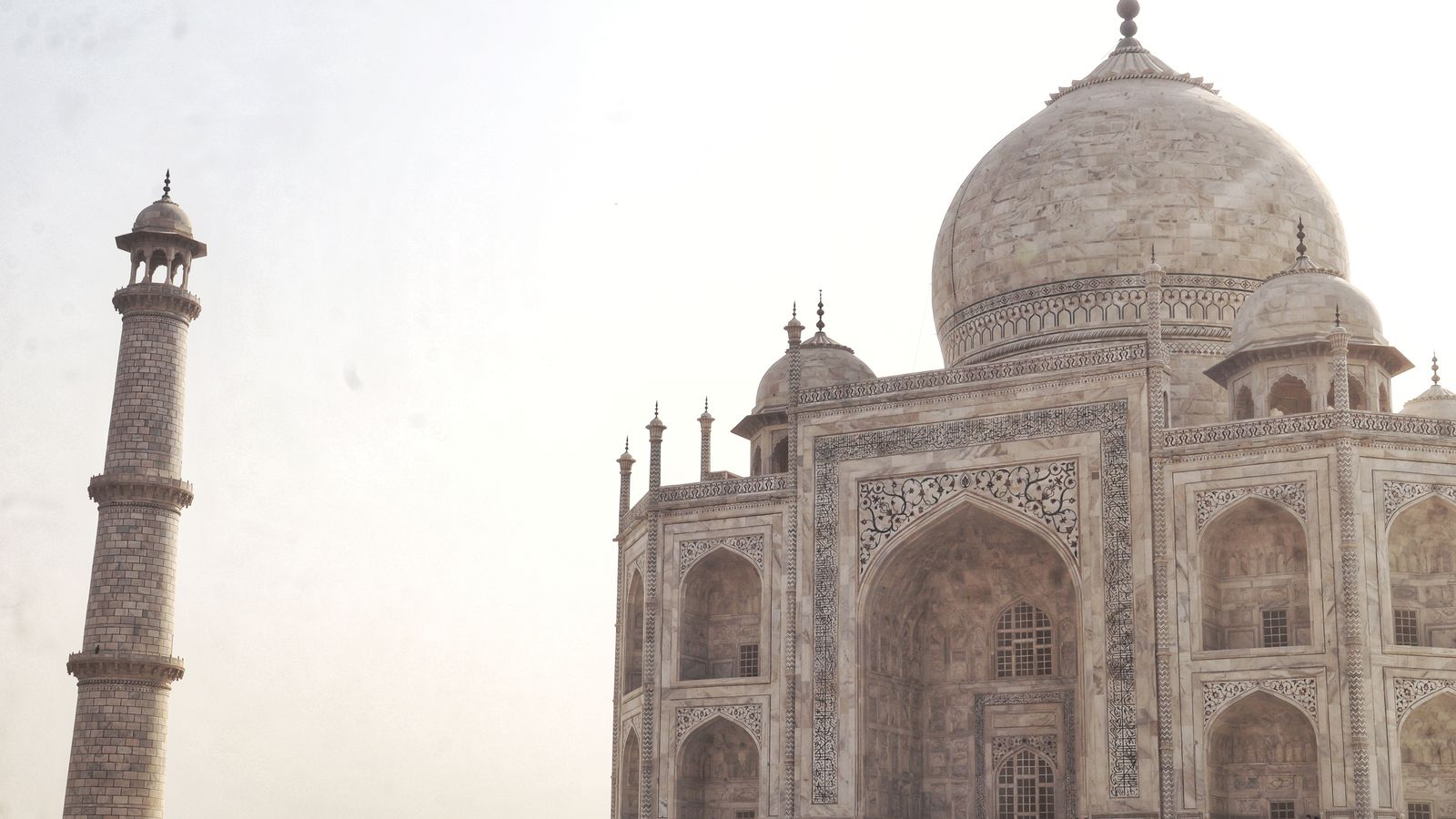
Four days from Agra (about 750 km). Agra to Gwalior with its fort; Gwalior to Orchha via Datia; Orchha to Khajuraho; and back to Jhansi for a fast train to Delhi. Start with our Agra by road guide.
Practical tips for Orchha
- Combined tickets: the palaces and temples are covered by tickets sold at the fort; keep yours as it is checked at several monuments.
- Temple rules: dress modestly at the Ram Raja Temple, and note that darshan is only at fixed hours.
- Parking: the old town's lanes are narrow; your driver drops you near the fort bridge and waits at the parking ground.
- Climbing: the stairs in the Jahangir Mahal and Chaturbhuj Temple are steep and dark; carry a torch and wear good shoes.
- River safety: swim only where locals indicate; the Betwa has strong currents after rain.
- Staying over: Orchha has heritage hotels and simple guesthouses near the river, and staying a night is the best way to see it at dawn.
Orchha is proof that some of India's finest heritage lies just off the main tourist trail. Combine it with Khajuraho and Gwalior for a memorable road journey, or explore other ideas in our tours by car. The official Incredible India portal also has an overview of Madhya Pradesh's heritage towns.