Amritsar by road from Delhi: the essentials
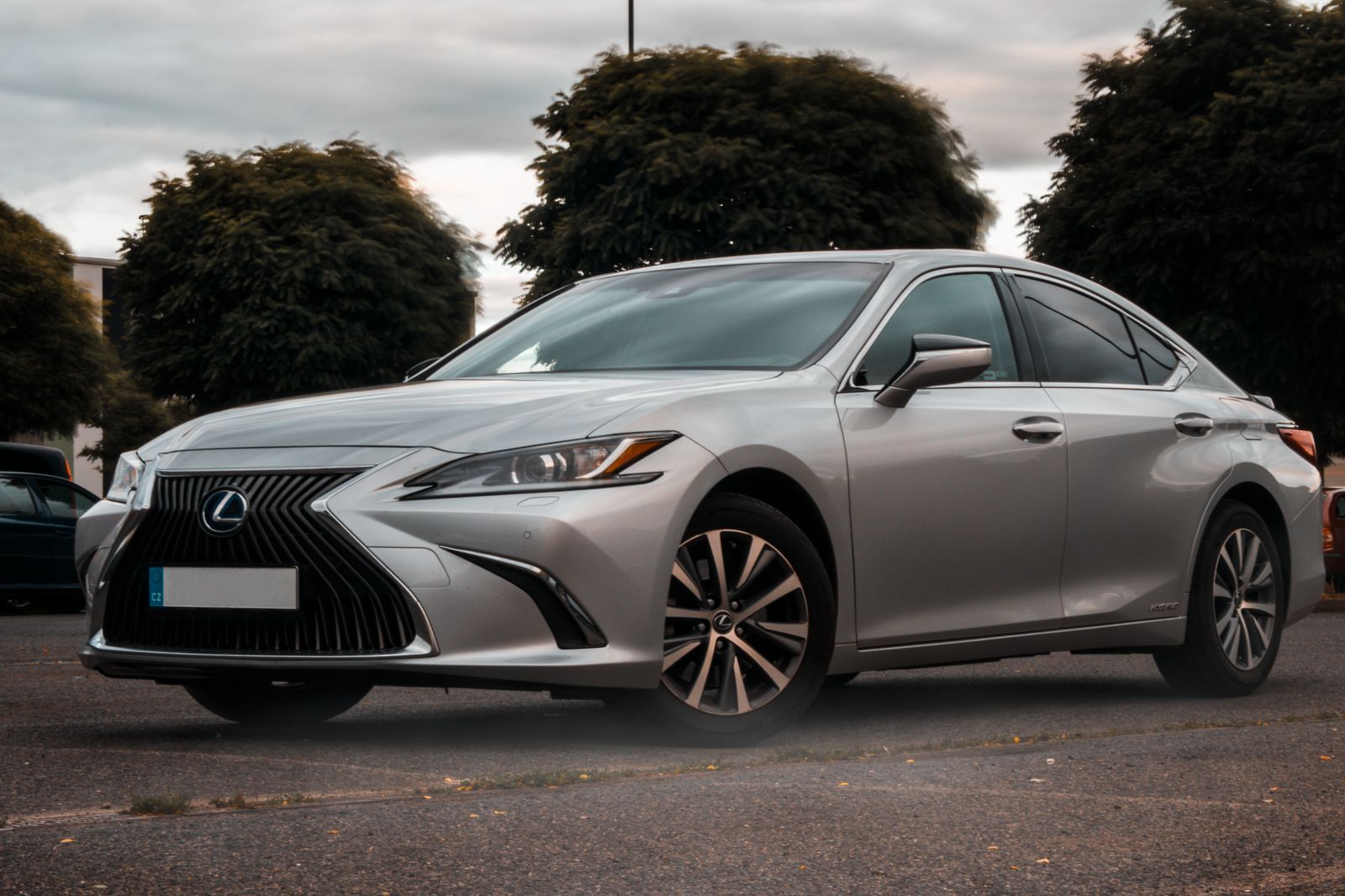
Amritsar is about 450 km from Delhi on NH44, the old Grand Trunk Road, through Panipat, Ambala, Ludhiana and Jalandhar, usually 8 to 9 hours with meal breaks. RutzIndia.com charges Rs 16,200 Pay Now to Reserve one way in a compact sedan and Rs 25,650 Pay Now to Reserve in an Innova Crysta, plus 5% GST, with highway tolls at actual cost.
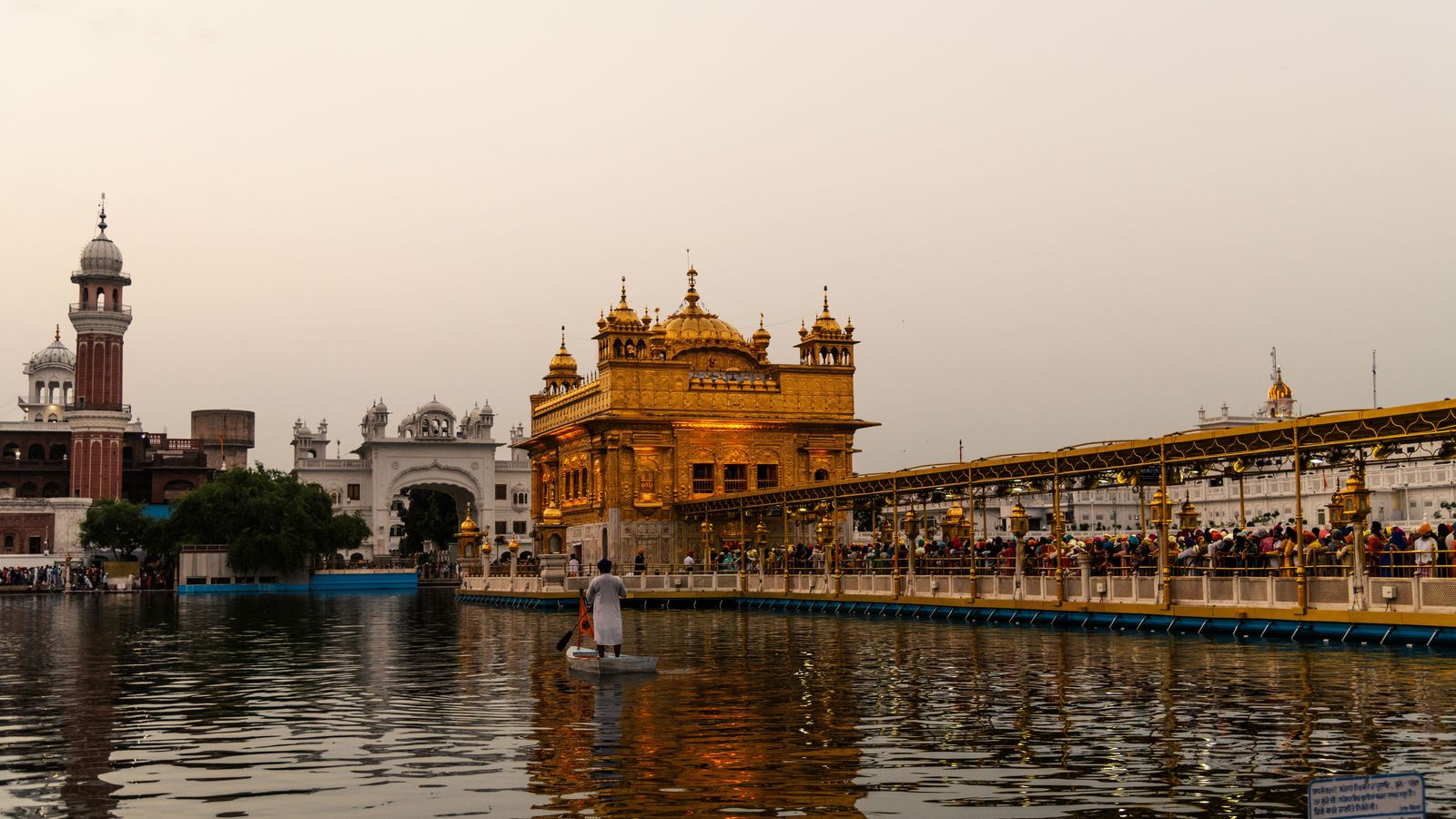
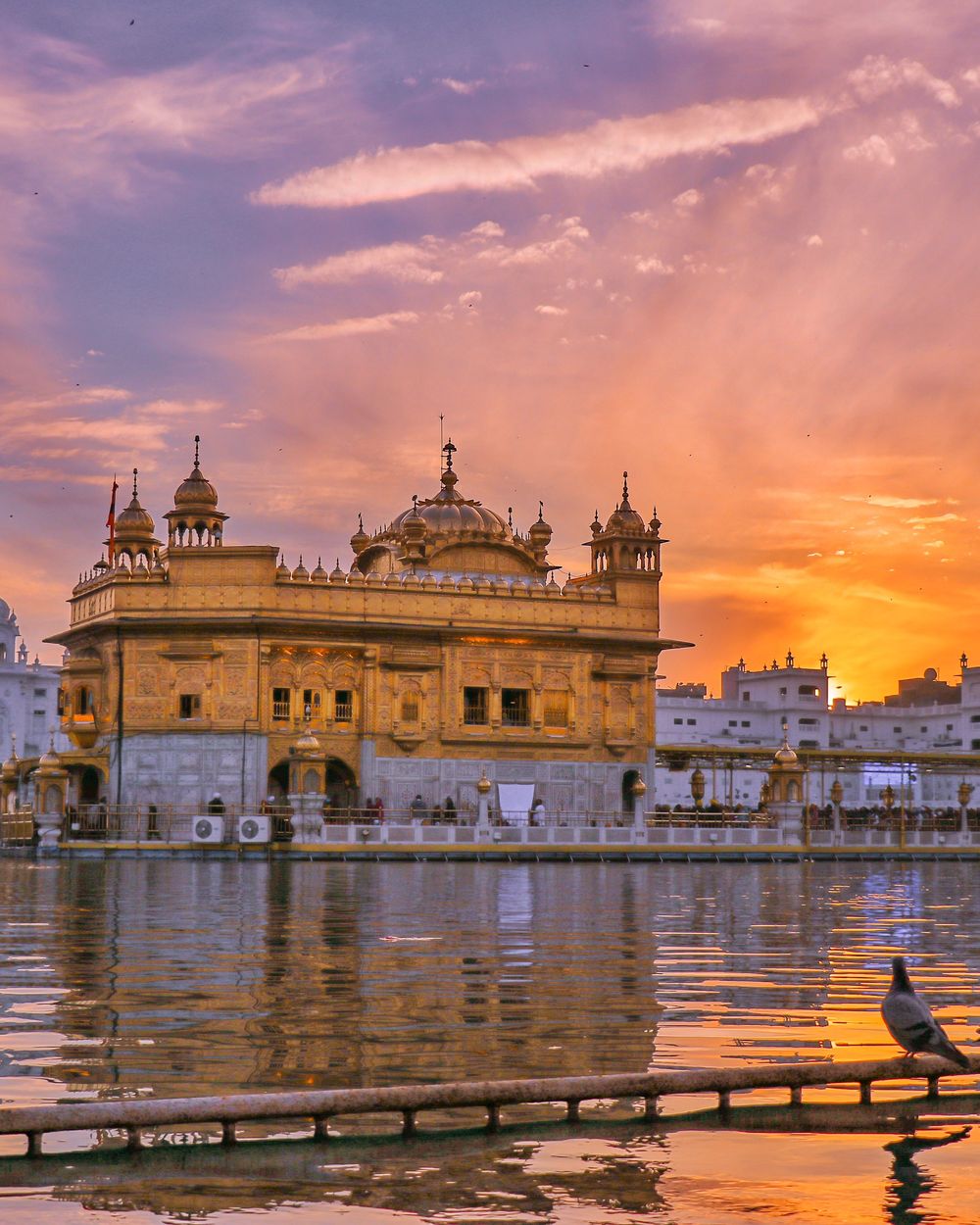
Few Indian road trips carry as much history as this one. The Grand Trunk Road has linked Delhi to the north-west for centuries, and today's six-lane NH44 follows much of the same line, past the battlefields of Panipat, the Kurukshetra of the Mahabharata and the busy industrial cities of Punjab, before arriving at the holiest city of the Sikh faith. At its heart stands Sri Harmandir Sahib, the Golden Temple, its gilded sanctum floating in the Amrit Sarovar, where the langar feeds every visitor regardless of faith, day and night.
Amritsar deserves more than a flying visit. The walled city's lanes, the memorial at Jallianwala Bagh, the Partition Museum, the restored Gobindgarh Fort and the flag-lowering ceremony at the Attari-Wagah border fill two full days, and the food alone is worth the drive. Families, NRI visitors, pilgrim groups and foreign travellers all make the journey by road, because it is simple, scenic and flexible. RutzIndia.com offers one-way drops, round trips with the car staying in Amritsar, and local hire once you are there. Our dedicated Delhi to Amritsar taxi page covers the route fares in detail.
What to see and do in Amritsar
The Golden Temple complex
- Sri Harmandir Sahib. Open around the clock. Walk the marble parikrama around the sarovar, then join the queue across the causeway to the sanctum where the Guru Granth Sahib is recited continuously through the day. Visit at least twice: in the quiet hours before dawn, and at night when the gold glows on the water.
- The langar. The community kitchen serves a simple vegetarian meal to everyone who sits down, on any day. Volunteers are welcome to help with the rotis or the washing up, a moving experience for many visitors.
- Akal Takht. Facing the sanctum, the highest temporal seat of Sikh authority.
- Palki Sahib. The late-night and early-morning ceremonies when the holy book is carried between the Akal Takht and the sanctum.
Visitor guidelines and gurdwara information are published by the Shiromani Gurdwara Parbandhak Committee, which manages the temple.
The old city and beyond
- Jallianwala Bagh. The walled garden where hundreds of peaceful protesters were shot on Baisakhi day, 13 April 1919, now a national memorial with the bullet marks preserved.
- Partition Museum. Housed in the old Town Hall near Heritage Street, a moving collection of oral histories, letters and objects from the 1947 partition. Details are on the Partition Museum website.
- Heritage Street. The pedestrianised approach to the temple, lined with restored facades and statues.
- Gobindgarh Fort. An eighteenth-century fort restored as a heritage attraction with museums, food stalls and evening shows.
- Durgiana Temple. A Hindu temple built in a similar style to the Golden Temple, set in its own tank.
- Ram Bagh and the Maharaja Ranjit Singh summer palace, and the red-brick domes of Khalsa College on the Grand Trunk Road.
- Ram Tirath. About 11 km out, a temple and tank associated with the sage Valmiki.
The Attari-Wagah border ceremony
About 30 km west of the city, the Border Security Force and its Pakistani counterpart perform the Beating Retreat ceremony every evening before sunset, a loud, patriotic spectacle of high-kicking drill and flag lowering. Arrive at least 1.5 to 2 hours early, carry a photo ID, and leave bags in the car; most items beyond a phone and wallet are not allowed through the gates. Your driver will park in the designated lot and meet you after the ceremony.
The Incredible India Amritsar page and the Amritsar district website list further sights and visitor information.
The drive: Delhi to Amritsar on NH44
Delhi to Ambala
Leaving north Delhi past Singhu, the highway runs through Sonipat, the famous highway dhabas of Murthal, then Panipat and Karnal, both with good restaurants for breakfast. Beyond Kurukshetra you reach Ambala, where the road to Chandigarh and the hills branches off. This is a wide, fast, tolled six-lane highway with service lanes, fuel stations and restaurants at frequent intervals. Allow about 3.5 hours.
Ambala to Jalandhar
The highway crosses into Punjab at Rajpura and runs through the wheat and rice country via Khanna and Ludhiana, Punjab's largest city, then Phagwara to Jalandhar. Traffic slows around Ludhiana at peak hours. Many travellers break for lunch here, at one of the big highway dhabas.
Jalandhar to Amritsar
The last 80 km run through Kartarpur and across the Beas river at the town of the same name to Amritsar. A new expressway linking Delhi, Amritsar and Katra is being built in stages; where sections are open and faster, your driver will use them.
Winter fog: from mid-December to January, dense fog often blankets the GT Road in the early morning and late evening. Our drivers slow right down and may delay departure until visibility improves; we plan winter trips with daylight hours in mind.
When to visit Amritsar
- October to March: the best season, pleasantly cool in the day and cold at night. December and January bring fog on the highway.
- April to June: very hot, often above 40 degrees in May and June. Visit the Golden Temple at dawn or late at night and keep afternoons for rest. Vaisakhi in mid-April is a huge celebration.
- July to September: humid monsoon months with occasional heavy showers.
- Festivals: Guru Nanak's Gurpurab in November and Bandi Chhor Divas at Diwali, when the temple is lit with lamps and fireworks, draw very large crowds. Book rooms and cars well ahead.
No permits are needed for Amritsar or the Attari-Wagah ceremony beyond a photo ID for entry to the gallery.
Cars, local hire and Amritsar fares
Our fares are before 5% GST. Tolls on NH44 and parking are billed at actual cost, and the driver's night allowance is Rs 1,500 per night on multi-day trips. Round trips are billed on actual kilometres or 250 km per calendar day, whichever is more. Local hire and airport transfers in Amritsar follow the city rate.
| Amritsar booking | Compact sedan | Premium sedan | Innova Crysta | Tempo Traveller |
|---|---|---|---|---|
| Delhi to Amritsar, one way (about 450 km) | Rs 16,200 Pay Now to Reserve | Rs 21,600 Pay Now to Reserve | Rs 25,650 Pay Now to Reserve | Rs 35,100 Pay Now to Reserve |
| Delhi round trip, 2 days (900 km billed) | Rs 32,400 Pay Now to Reserve | Rs 43,200 Pay Now to Reserve | Rs 51,300 Pay Now to Reserve | Rs 70,200 Pay Now to Reserve |
| Amritsar local, 8 hr / 80 km | Rs 6,630 Pay Now to Reserve | Rs 9,940 Pay Now to Reserve | Rs 11,580 Pay Now to Reserve | Rs 17,940 Pay Now to Reserve |
| Amritsar airport (ATQ) transfer | Rs 3,630 Pay Now to Reserve | Rs 5,470 Pay Now to Reserve | Rs 6,390 Pay Now to Reserve | Rs 9,880 Pay Now to Reserve |
- Couples and small families: a compact or premium sedan handles the highway with ease.
- Families of five or six, or NRI families with luggage: an Innova Crysta on rent.
- Weddings, VIP visits and business travellers: a Mercedes E-Class or similar luxury sedan at Rs 165.6 per km, Rs 74,250 one way from Delhi.
- Pilgrim groups and sangats: a Tempo Traveller in Amritsar for local darshan, or one from Delhi for the whole trip; see also our pilgrimage taxi service.
- Flying in? Our Amritsar airport taxi meets every flight at Sri Guru Ram Dass Jee International Airport, about 11 km from the city, with a name board and flight tracking. We wait free for 60 minutes after international arrivals and 30 minutes after domestic ones.
All vehicles are within four model years. Cancellations more than 72 hours before pickup are free; within 72 hours we charge 10%, within 48 hours 50%, and within 24 hours or for a no-show the full fare. See our cancellation policy.

A 3-day Amritsar itinerary by road
Day 1: Delhi to Amritsar (about 450 km). Depart at 6 am, parathas at Murthal, lunch near Ludhiana, and check in by late afternoon. Evening at the Golden Temple as the lights come on, followed by the langar.
Day 2: The city and the border (about 80 km of local driving). Pre-dawn visit to the Golden Temple for the Palki Sahib ceremony. After breakfast, Jallianwala Bagh, the Partition Museum and Heritage Street. Lunch in the old city, then leave by 2 or 2.30 pm for the Attari-Wagah ceremony, returning for dinner.
Day 3: Gobindgarh Fort and home, or onward. Morning at Gobindgarh Fort or Durgiana Temple, then drive back to Delhi. Heading to the hills instead? Dalhousie is about 195 km away; see our Dalhousie by road guide. For local hire on any day, our taxi service in Amritsar runs 8 hr/80 km packages.
Food and shopping in Amritsar
Amritsar is one of India's great food cities, and much of the eating happens in the lanes around the temple. Try Amritsari kulcha, a crisp stuffed bread baked in a tandoor and served with chole and a dollop of butter; thick lassi in steel tumblers; Amritsari fish, batter-fried river fish with carom seeds; and pinni and pheeni from the sweet shops. The legendary dhabas of the old city serve dal and paranthas that have drawn customers for generations.
For shopping, the bazaars around the Golden Temple sell phulkari embroidery, Punjabi juttis, woollen shawls from the local mills, papad and warian (sun-dried lentil dumplings), and religious items such as karas and kirpans. Hall Bazaar and Katra Jaimal Singh are the best-known markets.
Practical tips for Amritsar
- Cover your head at the Golden Temple. Scarves are provided free at the entrance. Remove shoes and socks, deposit them at the free shoe counter, and wash your feet in the shallow channel before entering.
- Respect the rules. No tobacco or alcohol anywhere near the complex; photography is not allowed inside the sanctum.
- Leave early for Wagah. Gallery seats fill up fast, especially on weekends and national holidays.
- Parking in the walled city is restricted. Your driver will drop you near Heritage Street and wait at a designated lot.
- Plan winter drives around fog. From December to January, a mid-morning start from Delhi is often safer than a pre-dawn one.
- Carry some cash. Most shops accept UPI, but small vendors and rickshaw pullers in the old city often prefer cash.