Leh to Pangong by road: what to know first
Pangong Lake is about 225 km east of Leh by the Chang La road, typically 5 to 6 hours to Spangmik. Priced at RutzIndia.com's per-km rates that would be Rs 8,100 Pay Now to Reserve by sedan or Rs 12,830 Pay Now to Reserve by Innova, but the trip itself runs in a Leh union taxi at local rates, after you pay the Ladakh environment fee online.
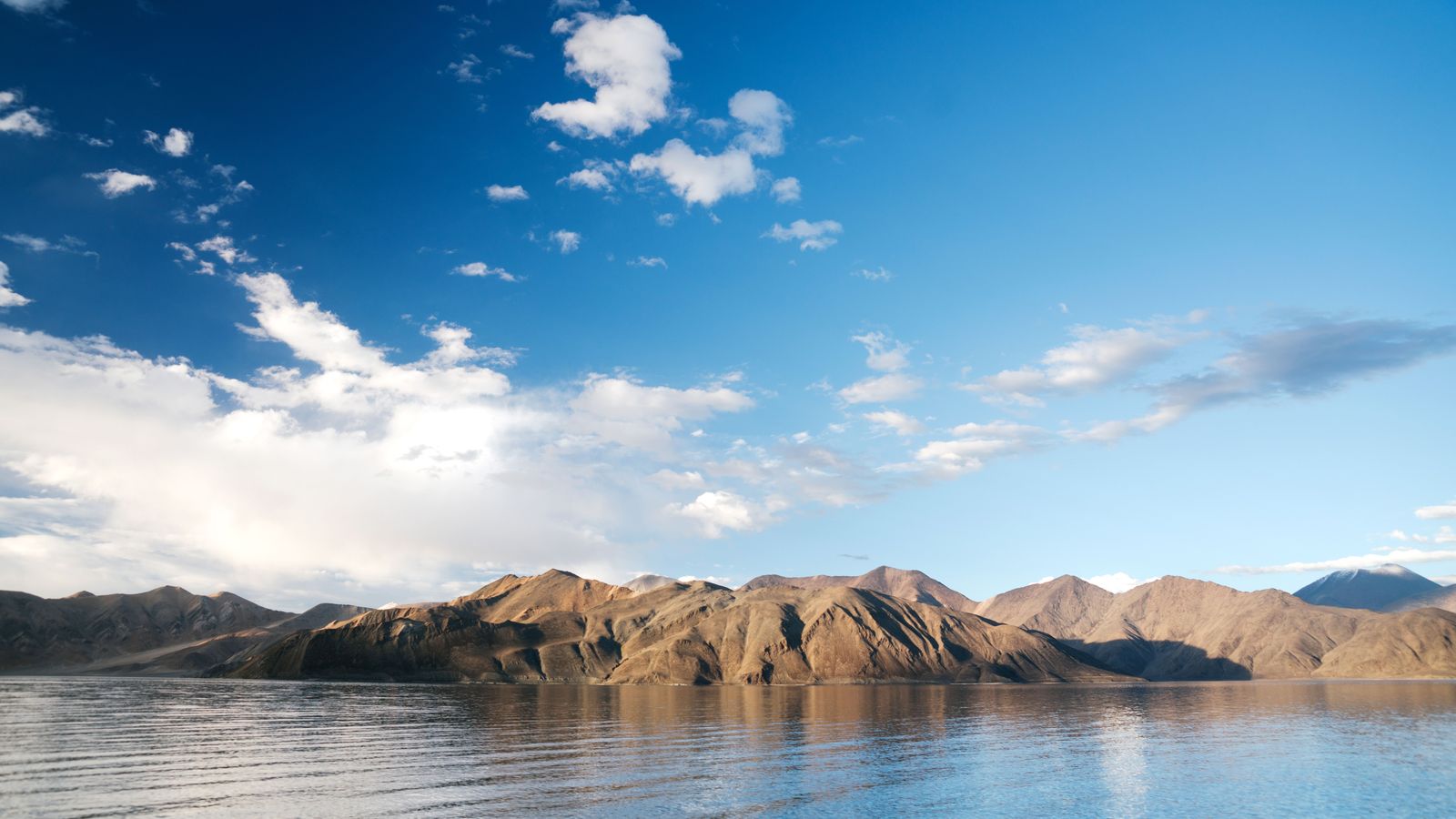
Nothing prepares you for the first sight of Pangong Tso. After hours of brown and grey mountains, a long band of impossible blue appears between the ridges, changing through turquoise, cobalt and slate as clouds cross the sun. The lake lies at about 4,225 metres, stretches far to the east into Tibet, and is salty enough that it supports almost no fish. Bar-headed geese and Brahminy ducks nest on its shores in summer; in winter it freezes solid.
Since a hit Hindi film ended on its shore, Pangong has become the most requested destination in Ladakh, and for good reason. But it is also the highest place most visitors sleep on their trip, and the road crosses one of the region's highest passes. Planned properly, it is unforgettable; rushed, it can be miserable. This guide sets out how to do it well, how Ladakh's taxi rules affect you, and where RutzIndia.com fits in. The broader background on reaching Leh is in our Leh by road guide.
Why your outside taxi stops in Leh
Ladakh's taxi union allows only Ladakh-registered vehicles to take tourists sightseeing inside the region. That covers Pangong, Nubra, Tso Moriri and even local monastery runs. Taxis and rental cars that bring you from Manali, Srinagar or anywhere else may drop you in Leh and pick you up again, and nothing more.
So a Pangong trip has three parts: we bring you to Leh, you do Pangong with a local union driver at the union's published tariff, and we take you home again. Local drivers know the road's moods, the water crossings and which camps are genuinely heated, so there are real benefits beyond compliance.
Fees and paperwork
Indian citizens do not need an Inner Line Permit for Pangong any more, but they do need to pay the environment and development fee and the wildlife fee that applies to the Changthang area. Payment is online through the official Leh hill council portal at lahdclehpermit.in; keep the receipt on your phone and on paper. Army and police checkposts on the route check it along with photo ID. Foreigners require a Protected Area Permit via a registered agency, and certain areas close to the Line of Actual Control are off limits to them. District notices and helplines are on the Leh district website.
The road: Karu, Chang La and Tangtse
- Leh to Karu (about 35 km). Down the Indus valley past Shey and Thiksey. Karu has the last reliable fuel for the round trip.
- Sakti and the climb (about 50 km). The road turns up a side valley past Chemrey and Takthok monasteries, both worth a short stop if you are staying at the lake.
- Chang La (about 75 km). At roughly 5,360 metres, the pass is often snowbound until June and icy early in the morning. There is a small army cafe; keep the stop short.
- Durbuk and Tangtse (about 150 to 160 km). Down to a greener valley with an army base, marmots on the roadside slopes, and tea stops.
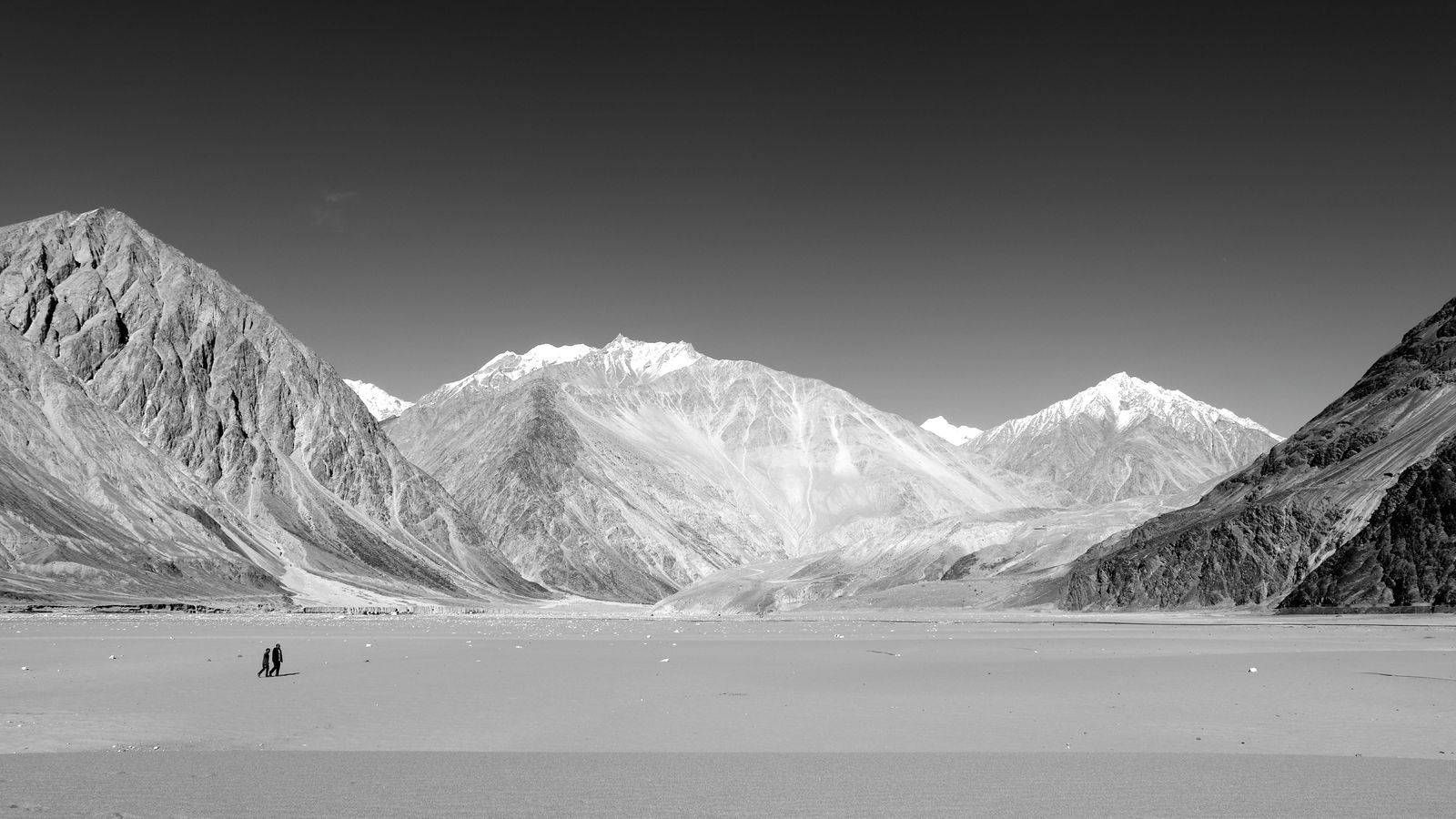
- Lukung and Spangmik (about 200 to 225 km). Lukung is the first point on the lake; most camps are at Spangmik a few kilometres on. Beyond lie the villages of Man and Merak, quieter and further along the shore.
The road is mostly paved but narrow over the pass, with streams crossing it in the afternoon when snow melts. From Nubra there is an alternative via the Shyok valley through Agham, and a newer route over Wari La also links the valleys; both depend on current road conditions. Our Nubra Valley by road guide explains the Nubra end.
Camps, homestays and what a night at Pangong is like
Most visitors stay at Spangmik, where a row of tented camps and a few simple cottages face the water. Tents here are usually fixed structures on platforms, with beds, heavy quilts and attached bathrooms; some offer electric blankets or heaters for part of the night, often on generator or solar power, so ask what is provided before booking. Further along the shore, Man and Merak have homestays with Changpa families, the nomadic herders of the Changthang plateau, which are quieter and more personal but very basic.
The rhythm of a night at the lake is simple. You arrive in the afternoon as the wind picks up, walk the shore while the colours shift, and eat an early dinner of dal, rice, vegetables and momos in the camp's dining tent. After dark the temperature drops fast and the sky fills with stars, including a clear view of the Milky Way on moonless nights. Sunrise, when the water is usually still and glassy, is the reward for enduring the cold.
Book your camp before your union taxi, because the driver will want the overnight address, and in July and August the good camps are full weeks ahead. Travelling as a large family or a group of friends? A Tempo Traveller for the road legs to and from Leh keeps everyone together; see Tempo Traveller on rent for layouts.
Seasons at the lake
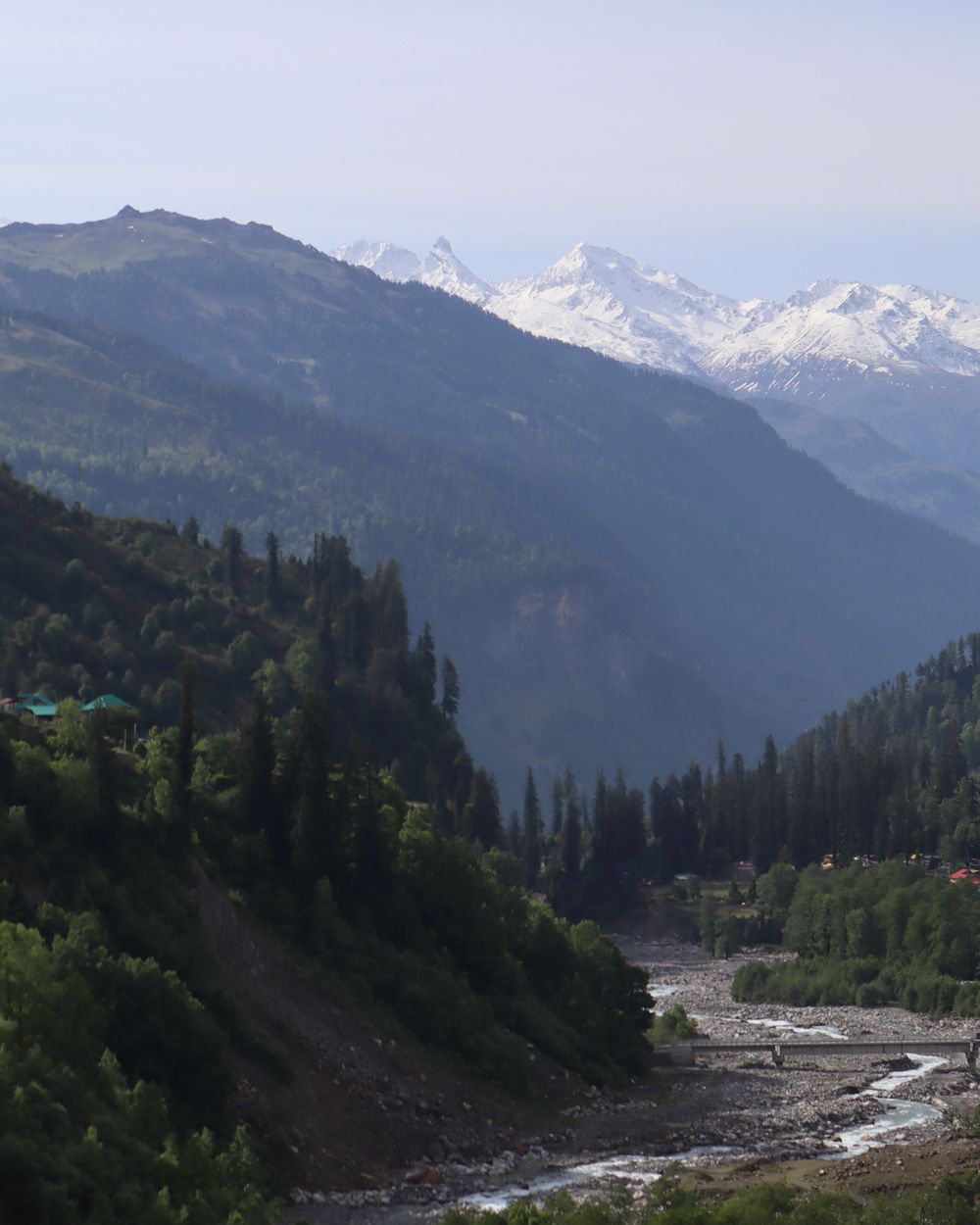
- June: Chang La may still carry deep snow; the lake begins to shed its last ice. Crisp and spectacular.
- July and August: peak visitor season, warmest days, and the best time for camping. Afternoon winds can be strong.
- September: clear, colder nights, fewer visitors and perhaps the finest colours.
- October to December: freezing; most camps close by mid-October.
- January to March: the lake freezes solid. Hardy winter travellers come for the ice, and a frozen-lake marathon has been held on it in recent years. Only a few homestays remain open, and this is for well-prepared, acclimatised travellers only.
Altitude: the part people underestimate
Spangmik is higher than Leh by about 700 metres, and Chang La is higher still. Headache, nausea and poor sleep at the lake are common among visitors who arrived in Leh only a day or two earlier.
- Spend at least two nights in Leh, ideally three, before going to Pangong.
- Consider doing Nubra first; it is lower and helps your body adjust.
- If you stay overnight at the lake, drink plenty of water, avoid alcohol and eat light.
- Anyone feeling breathless at rest, confused or unsteady should drive down immediately. It is the most effective treatment.
A day trip from Leh avoids sleeping at altitude but means 10 to 12 hours in a car; most people prefer one night at the lake.
RutzIndia.com's part: the long roads in and out
What we operate:
- Manali to Leh over two days with an overnight halt, and the return Leh to Manali; the Chandigarh to Manali taxi links you to the plains.
- Srinagar to Leh via Sonamarg and Kargil; see Sonamarg by road for the start of that highway.
- Kashmir itineraries before Ladakh through our Kashmir taxi service.
- Group vehicles such as the Tempo Traveller for families and friends travelling together.
| Leg | Distance | Innova Crysta (Rs 57.6/km) | Fortuner (Rs 84/km) | Tempo Traveller (Rs 78/km) | Operated by |
|---|---|---|---|---|---|
| Srinagar to Leh | 420 km | Rs 23,940 Pay Now to Reserve | Rs 35,280 Pay Now to Reserve | Rs 32,760 Pay Now to Reserve | RutzIndia.com |
| Manali to Leh | 475 km | Rs 27,070 Pay Now to Reserve | Rs 39,900 Pay Now to Reserve | Rs 37,050 Pay Now to Reserve | RutzIndia.com |
| Leh to Pangong, for comparison only | 225 km | Rs 12,830 Pay Now to Reserve | Rs 18,900 Pay Now to Reserve | Rs 17,550 Pay Now to Reserve | Leh union taxi at its tariff |
Our road legs are quoted exclusive of GST at 5%. Ladakh fees, any Himachal or J&K green or entry charges, tolls and parking are simply passed on at cost. On overnight drives we add the driver's allowance of Rs 1,500 a night, and if you keep the car for a return, a minimum of 250 km is charged for each calendar day. You will be driven in a car of this or the previous three model years. Book through our online booker, paying by card or UPI, and request a GST invoice if a company is paying. Changing your mind costs nothing up to 72 hours before departure; after that, 10% of the fare applies inside 72 hours, 50% inside 48 hours and the full amount inside 24 hours or on a no-show. Road closures are handled as described in our cancellation policy.
A realistic plan with Pangong
Days 1 and 2: Srinagar to Leh with us (about 420 km), overnight in Kargil. The gradual gain in height suits Pangong-bound travellers.
Day 3: Rest in Leh.
Day 4: Leh sightseeing by union taxi. Leh Palace, Shanti Stupa, Thiksey.
Day 5: Leh to Pangong via Chang La (about 225 km). Chemrey or Takthok on the way, sunset at the lake, overnight in a Spangmik camp.
Day 6: Sunrise at the lake, return to Leh (about 225 km), or continue to Nubra via the Shyok road if it is open.
Days 7 and 8: Leh to Manali with us (about 475 km) or fly out of Leh.
Tips for the lake
- Warm kit. Even in August nights at Spangmik fall close to freezing; bring a down jacket, hat and gloves.
- Sun. The glare off the water is fierce; sunglasses and high-SPF sunscreen are essential.
- Stay on the shore. Do not walk out onto the ice in shoulder season, and do not swim; the water is extremely cold.
- Leave no trace. Carry your plastic back to Leh; the lake shore is fragile.
- Cash and signal. There are no ATMs at the lake, and mobile signal is limited to a few networks near Spangmik.
- Drones and photography near army posts are restricted; follow instructions at checkpoints.