Getting to Mandu by road from Indore: the short answer
Mandu is about 95 km south-west of Indore, typically 2.5 hours via Betma and Dhar and the final plateau road through the Delhi Darwaza. Because the per-km figure falls below the floor, RutzIndia.com bills the minimum fare, so a sedan is Rs 3,570 Pay Now to Reserve and an Innova Crysta Rs 6,240 Pay Now to Reserve one way, before 5% GST. A same-day return with the chauffeur waiting is Rs 9,000 by sedan.
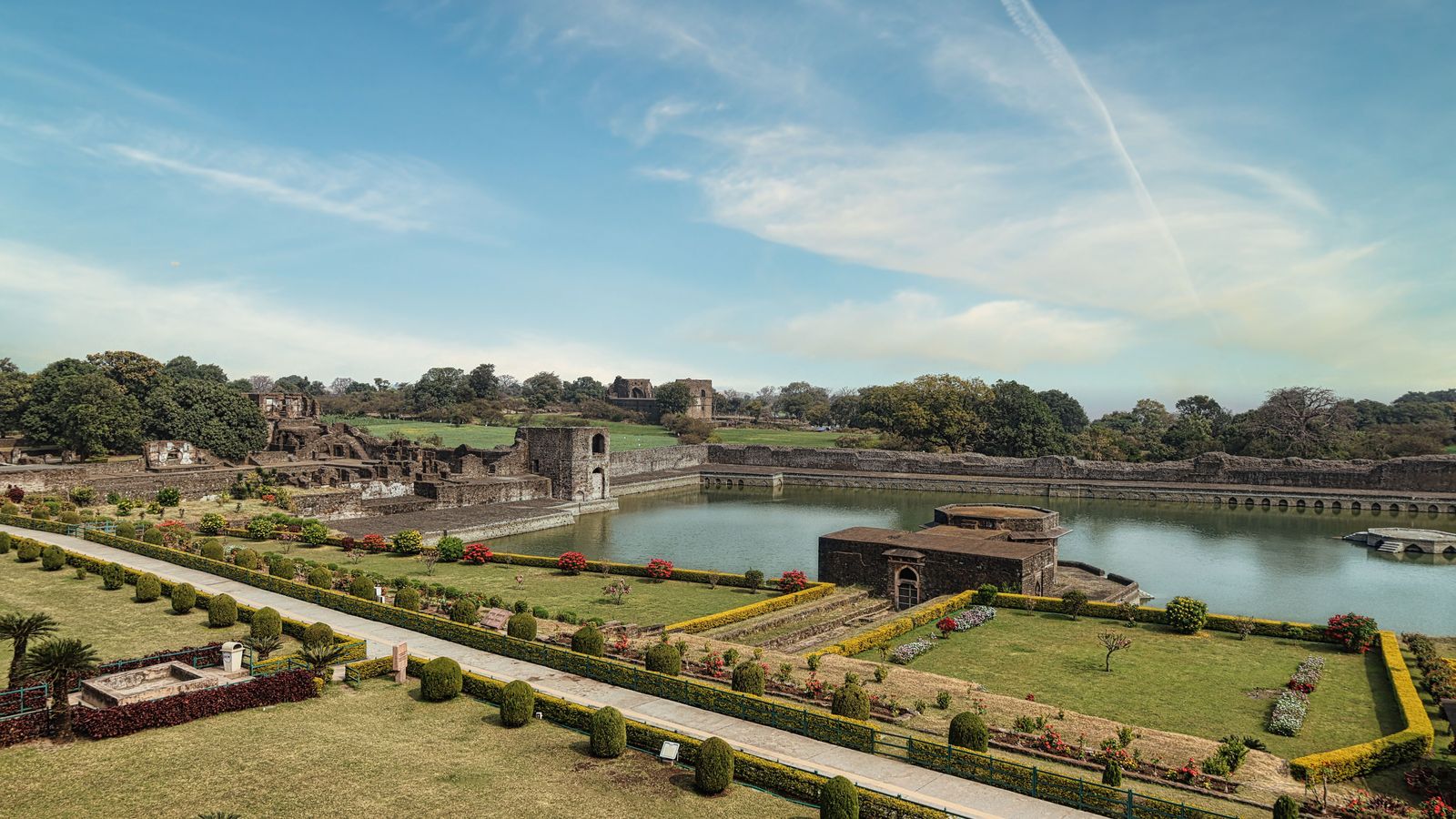
Mandu, also written Mandav, is one of the great forgotten cities of India. For about a century and a half it was the capital of the sultans of Malwa, who built on a detached tableland at the edge of the Vindhya range, ringed by ravines and a long circuit of walls. What they left is a scatter of palaces, mosques, tombs, stepwells and pleasure pavilions spread across the plateau among farms, lakes and baobab trees, so far apart that you really do need a car to see them in a day.
That is why Mandu is a natural chauffeur-driven trip. The main groups of monuments are several kilometres from one another, the last stretch of road loops through a series of old gateways, and the best light is early morning and late afternoon, which rules out most bus timings. Couples on a heritage weekend, photographers chasing monsoon clouds, school groups studying Indo-Islamic architecture and families from Indore on a Sunday picnic all make the drive; our Indore taxi service page covers local and airport hire for the rest of your stay.
What to see in Mandu, group by group
The Royal Enclave. The best-known cluster sits between two artificial lakes. The Jahaz Mahal, the Ship Palace, is a long, narrow two-storey building with open pavilions and water channels, built for the harem of Sultan Ghiyas-ud-din Khalji; when the Munj and Kapur lakes are full after the rains it seems to float. Next door, the Hindola Mahal, the Swinging Palace, has massive sloping buttress walls that make it look as if it sways. Around them are baths, stepwells such as the Champa Baoli with cool underground rooms, and the ruins of the palace kitchens.
The Village Group. In the middle of Mandu village, the Jami Masjid is an austere, magnificent Friday mosque with a great domed porch and courtyard of arcades. Behind it stands Hoshang Shah's tomb, often described as the first major marble building in India; an inscription inside records a visit by architects of the Mughal court, which is why guides link it with the Taj Mahal. Across the road, the Ashrafi Mahal is a vast ruin of a madrasa and victory tower.
The Rewa Kund Group and Roopmati's Pavilion. At the southern edge of the plateau, the palace of Baz Bahadur, the last independent sultan, sits by the Rewa Kund reservoir. Above it, on the rim of the escarpment, two domed pavilions look out over the Nimar plain to the Narmada far below. Legend says the singer Roopmati climbed here each day to see the sacred river; her story with Baz Bahadur, and its tragic end when Akbar's army took Mandu in the 1560s, is told by every guide on the plateau. Go for sunset.
Nilkanth, Darya Khan and the Lohani caves. The Nilkanth temple, a Mughal-era pavilion converted into a Shiva shrine, sits in a gorge with a spring-fed cascade. The tombs of Darya Khan, the old caravanserai and the Lohani caves with their sunset point make easy stops on the way back.
Baobabs, custard apples and the local table. Mandu is known for its baobab trees, called khorasani imli locally, whose large fruit is sold at stalls near the monuments; they are thought to have arrived with traders from Africa centuries ago. In winter, look for custard apples and the famous Mandu tamarind. Meals are simple dal bafla, poha and thalis; carry water and snacks for the day.
The Madhya Pradesh Tourism guide to Mandu has maps of the monument groups, and the Archaeological Survey of India manages the ticketed sites.
The road: Indore, Dhar and the gateways of the plateau
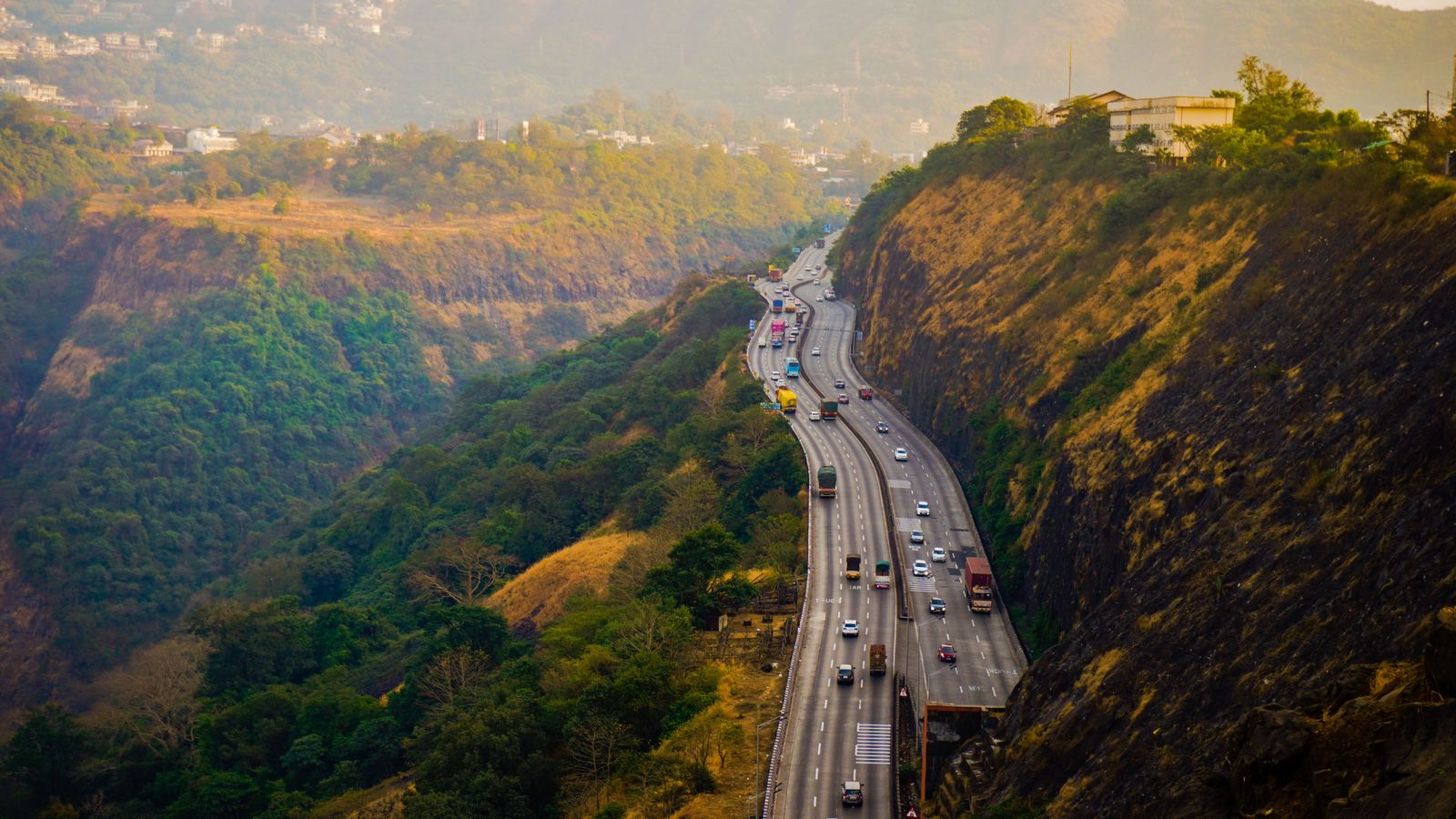
The drive has three parts. First is the four-lane road west out of Indore through Betma to Dhar, about 60 km of flat Malwa farmland that takes a little over an hour once you are clear of the city. Dhar itself is worth a short stop for its hilltop fort and the old town around it. The second part runs about 35 km south from Dhar on a narrower two-lane road through fields and small villages; it is well surfaced but slow behind tractors in harvest season.
The third part is the approach to the plateau. The road crosses a ravine on a causeway and passes through a series of stone gateways, the Alamgir and Bhangi darwazas among them, before entering by the Delhi Darwaza. The gradient is gentle and the bends are few, so this is not a hill drive in the Himalayan sense, but it is narrow at the gates; buses and Tempo Travellers pass comfortably, larger coaches need care.
There is a second approach from the south, climbing up from the Narmada valley and Dhamnod, which links Mandu with Maheshwar, roughly 40 km away. Many guests use one road in and the other out to make a loop. There are no state borders on these routes and tolls are limited; they, and parking at the monument groups, are charged at actual cost.

When to go: why Mandu is a monsoon destination
Mandu is one of the few places in central India where the rains are the high season. From July to September the lakes fill, the ravines turn a shocking green, mist rolls across the ramparts and the Jahaz Mahal is reflected in full water. Weekends in August can be busy with families from Indore and Bhopal, and the road through Dhar can be slow in heavy rain, but this is when Mandu looks most like its old name of Shadiabad, the city of joy.
October to March is the classic sightseeing season: clear skies, cool mornings, and the long sunset at Roopmati's pavilion. The state tourism department has hosted a winter festival here in recent years, usually around late December and early January; check the dates with the Dhar district administration or the tourism site before you plan around it.
April to June is hot and dry; do the monuments at dawn and dusk and rest in the middle of the day.
Chauffeured services RutzIndia.com offers for Mandu
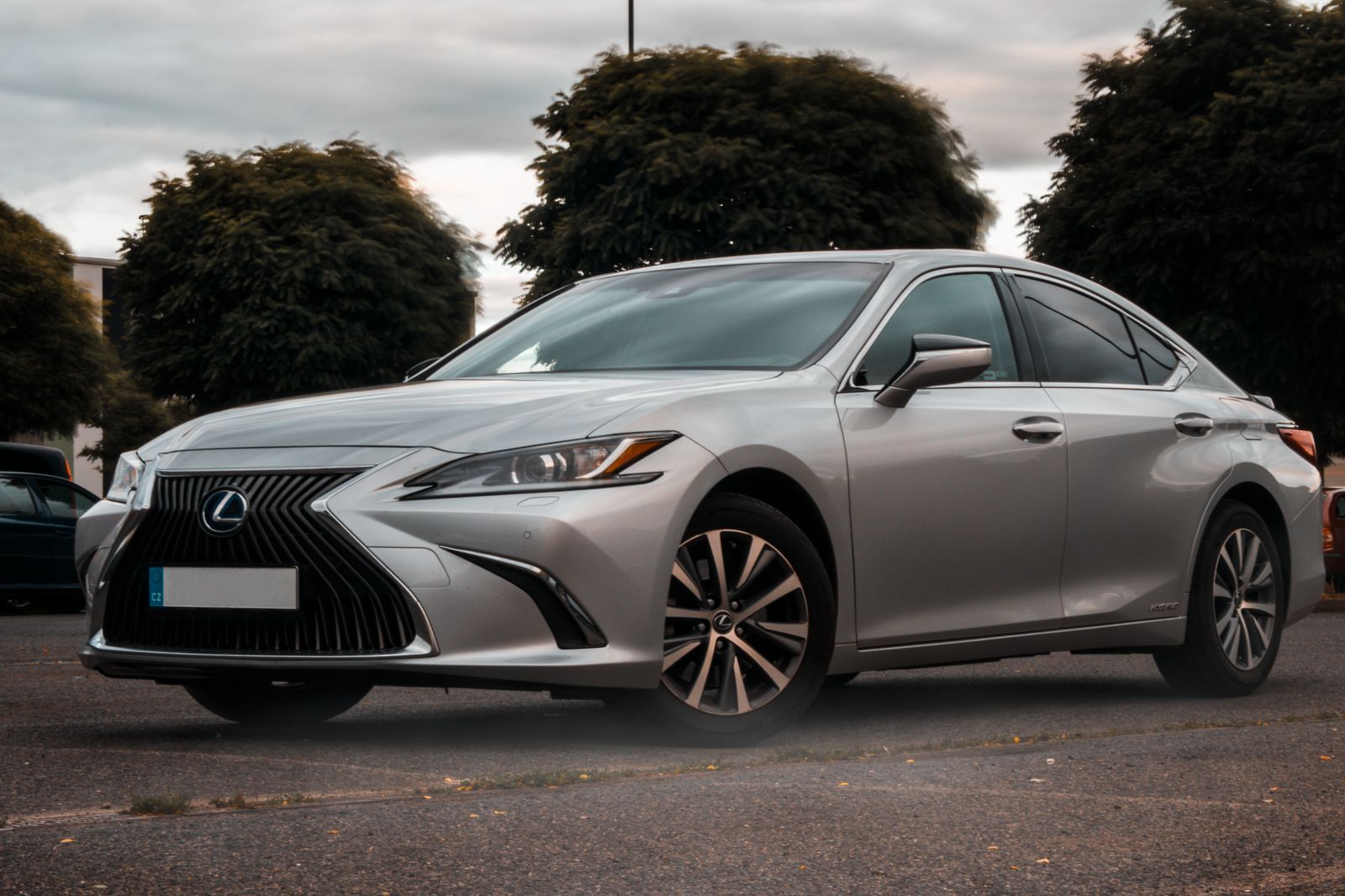
The most popular booking is a same-day return from Indore: pickup at 6.30 am, a full day on the plateau with the car moving you between groups, and back by dinner. A one-way drop suits guests staying at a resort on the plateau, and a two-day Mandu and Maheshwar loop is the favourite of couples and photographers. Groups travel in a Tempo Traveller on rent, and business travellers in Indore sometimes book a premium sedan for a free Sunday.
Indore airport pickups come with a name board and flight tracking; you get 30 minutes of free waiting after a domestic landing and 60 after an international one.
| Trip | Sedan (Dzire class) | Premium sedan | Innova Crysta | Tempo Traveller |
|---|---|---|---|---|
| One way Indore to Mandu, about 95 km (minimum fare applies) | Rs 3,570 Pay Now to Reserve | Rs 5,340 Pay Now to Reserve | Rs 6,240 Pay Now to Reserve | Rs 9,660 Pay Now to Reserve |
| Same-day return with waiting (250 km minimum) | Rs 9,000 | Rs 12,000 Pay Now to Reserve | Rs 14,250 Pay Now to Reserve | Rs 19,500 Pay Now to Reserve |
| Two days, Indore - Mandu - Maheshwar - Indore (500 km minimum) | Rs 18,000 Pay Now to Reserve | Rs 24,000 Pay Now to Reserve | Rs 28,500 Pay Now to Reserve | Rs 39,000 Pay Now to Reserve |
| Indore airport transfer within 40 km | Rs 3,570 Pay Now to Reserve | Rs 5,340 Pay Now to Reserve | Rs 6,240 Pay Now to Reserve | Rs 9,660 Pay Now to Reserve |
Prices exclude 5% GST. Tolls, parking and monument entry are paid at actual cost, and a driver night allowance of Rs 1,500 applies when the chauffeur stays overnight with you. Pay by card or UPI when you book online; companies receive GST invoices. You can cancel free of charge until 72 hours before pickup; within 72 hours 10% is retained, within 48 hours 50%, and within 24 hours or on a no-show the full fare, per our cancellation policy. Other long-distance options from Indore are on the outstation cabs page.
Suggested itineraries by car
One day from Indore (about 230-250 km in total). Leave at 6.30 am and reach Mandu by 9. Start with the Royal Enclave while the light is soft: Jahaz Mahal, Hindola Mahal and the baolis. Late morning at the Jami Masjid and Hoshang Shah's tomb, lunch in the village, then Nilkanth and the Lohani caves in the afternoon. Finish at Roopmati's pavilion for sunset and drive back to Indore after dark, on the Dhar road the chauffeur already knows.
Two days with Maheshwar (about 250 km over two days). Day one as above, but stay the night on the plateau and see the Jahaz Mahal again at dawn. On day two, drop down the escarpment to the Narmada at Maheshwar for Ahilya Fort, the ghats and the handloom workshops, and return to Indore in the evening.
Three days, the Narmada and Malwa loop. Add Omkareshwar on the third day and finish at Indore, or swap it for Ujjain if the Mahakal darshan is the priority.
Practical tips for a day in Mandu
- Tickets. The Royal Enclave, the Village Group and the Rewa Kund group are ticketed separately; keep your tickets as the counters check them at each gate.
- Distances. From the Royal Enclave to Roopmati's pavilion is about 7 km across the plateau; do not try to walk it in the heat.
- Parking. Each monument group has a parking area; your chauffeur waits there and moves the car as you go.
- Guides. Approved guides are available at the Jahaz Mahal gate and add a great deal to the Roopmati and Baz Bahadur stories.
- Monsoon footwear. Stone floors are slippery after rain; wear shoes with grip.
- Light. Photographers should plan the Jahaz Mahal for early morning and Roopmati's pavilion for sunset.
- Staying over. Accommodation on the plateau is limited to a few state tourism and private resorts plus simple lodges in the village, and monsoon weekends sell out. If you cannot get a room, stay in Dhar or Maheshwar and let the chauffeur make the short morning drive.
- Mobile signal. Coverage is patchy in the ravines around the Nilkanth temple and the Lohani caves, so agree a pickup time and point with your chauffeur before you walk off.
Mandu repays a slow day. Let the car take the distances, and give the monuments the hours they deserve.