How do you reach Lonavala by road?
Lonavala is about 83 km from Mumbai, typically 2 hours by car on the Mumbai-Pune Expressway, and about 65 km from Pune. The run is short enough that the Mumbai minimum fare applies: Rs 4,350 Pay Now to Reserve one way in a chauffeur-driven sedan and Rs 7,620 Pay Now to Reserve in an Innova Crysta, before 5% GST, with Expressway tolls and parking billed at actual cost.
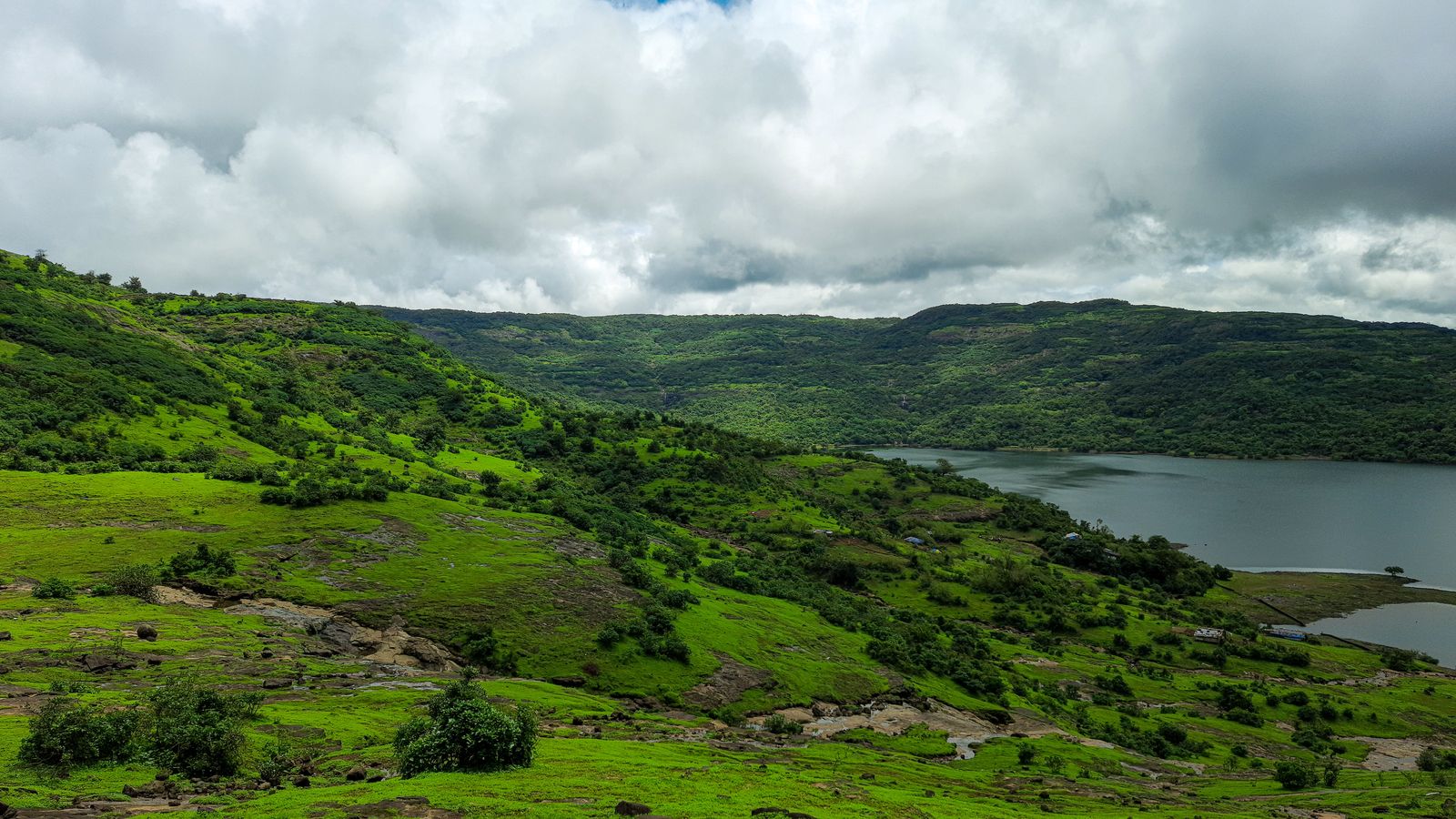
Lonavala is the hill town that Mumbai and Pune share. It sits on the lip of the Sahyadri escarpment at a little over 600 metres, right where the Expressway finishes its climb up the Bor Ghat, and for more than a century it has been the place city families go when they need green, cool air and a plate of hot bhajiyas in the rain. That popularity is also its problem. On a July Sunday the road into town can back up for kilometres, the famous viewpoints turn into car parks and every second driver seems to be looking for the same waterfall.
A chauffeur-driven car solves most of that. Your driver knows which exit to take, where you can actually stop, and when to turn for home before the whole of Mumbai does the same. This guide covers what to see, how the drive works from both cities, the seasons, a realistic day-by-day plan and exactly what a Lonavala cab costs with RutzIndia.com. If you already know your dates, you can book a car online and pay by card or UPI.
What makes Lonavala worth the drive
Most visitors know Lonavala for monsoon mist and fudge, but the town sits in one of the richest historical landscapes near Mumbai. Within a 15 km radius you have two thousand years of Buddhist rock architecture, three Maratha-era hill forts and a string of lakes that fill dramatically every June.
- Karla Caves. The great chaitya hall here, cut into the hillside in the early centuries CE, is one of the finest surviving Buddhist prayer halls in India: a vaulted wooden-ribbed ceiling, carved pillars topped with elephants and riders, and a stupa at the far end. The shrine of Ekvira Devi, deeply important to Mumbai's Koli fishing community, sits at the cave entrance, so weekends and Navratri are busy. Expect a steep flight of steps from the parking area.
- Bhaja Caves. Across the valley and a little older, Bhaja is quieter, with a row of small stupas and early relief carvings. Combining Karla and Bhaja in a morning is easy by car because the two turn-offs are only a few kilometres apart. Both are protected monuments under the Archaeological Survey of India, which sets ticketing and timings.
- Lohagad and Visapur. Lohagad, the "iron fort", is the gentler climb, with well-made steps and the long Vinchu Kata (scorpion's tail) spur. Visapur, next door, is wilder and in monsoon becomes a scramble up running water. Your car drops you at the base village and waits.
- Tiger's Leap and Lion's Point. Both are cliff-edge viewpoints on the Aamby Valley road south-west of town, where in the rains clouds pour up out of the valley below you. Arrive early; on weekends police often close the stretch to cars after the lots fill.
- Pawna Lake. About 20 km from town, a wide reservoir ringed by hills where lakeside tent camps operate in the dry months. Sunset here, with Tung and Tikona forts silhouetted across the water, is one of the loveliest sights in the western ghats.
- Rajmachi. The twin forts of Shrivardhan and Manaranjan look down on the Konkan plain. The last stretch is a rough jeep track or a trek, so plan it as a half-day with a local guide rather than a quick stop.
Food matters in Lonavala. The town is synonymous with chikki, brittle bars of jaggery and groundnut (plus every variation from sesame to dry fruit), and with fudge sold from shops along the main road. Vada pav and corn bhutta from roadside stalls are the rainy-season ritual. If you prefer a proper meal, the older hotels along the old Mumbai-Pune highway serve Maharashtrian thalis.
For a wider view of what the region offers, the state's official tourism portal at Maharashtra Tourism lists sights, stays and seasonal advisories, and MTDC runs resorts across the Sahyadri, including near Karla.
The drive: Expressway, old highway and the ghat
From Mumbai
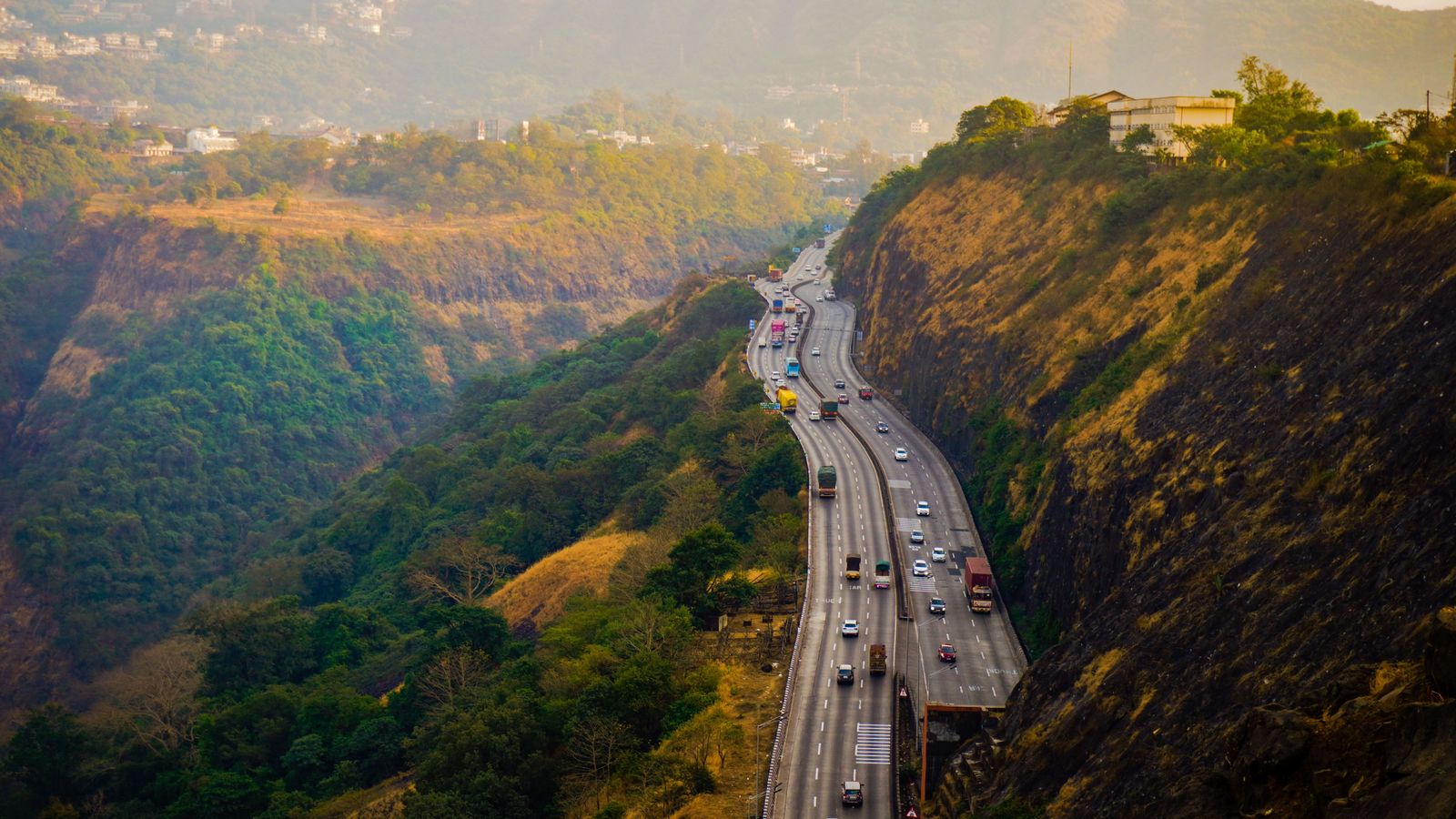
Almost every chauffeur takes the Mumbai-Pune Expressway, India's first access-controlled six-lane road, opened in stages around the turn of the century. From South Mumbai the driver will head out over the Eastern Freeway or through Sion and Chembur to Vashi, cross into Navi Mumbai and join the Expressway at Kalamboli near Panvel. From the western suburbs or the airport, the Jogeshwari-Vikhroli or Santacruz-Chembur link roads get you there faster. The Khalapur toll plaza sits before the climb, and a second toll is collected at the Talegaon end if you continue to Pune; both appear on your invoice at actual cost.
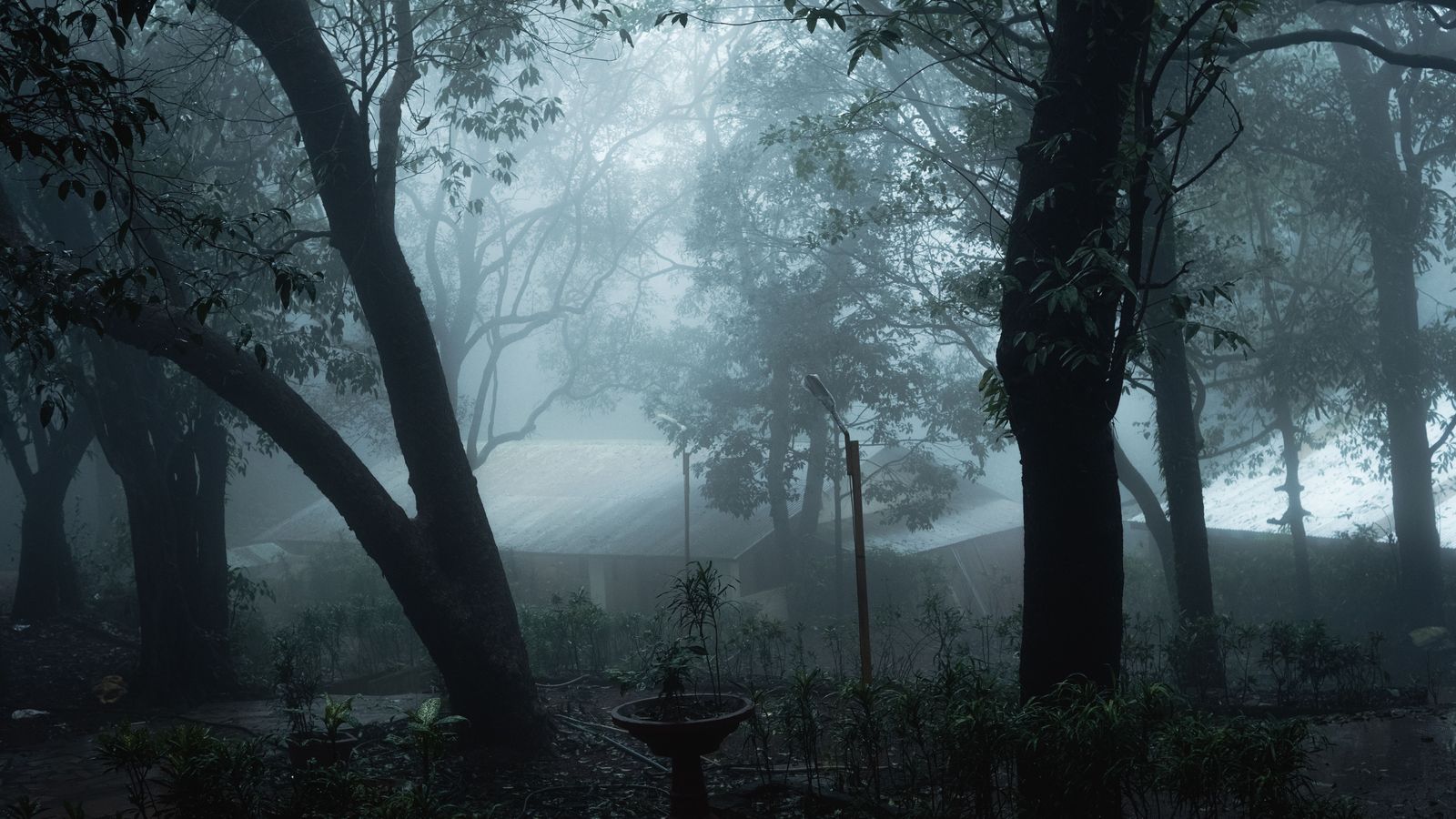
The ghat section above Khopoli is where the road gets interesting. Traffic is split into separate up and down carriageways, trucks are held to the left lanes and the gradient is steep enough that a heavily loaded Innova will feel it. In fog, which can drop visibility to a few metres in July and August, a professional driver slows right down and uses hazard lights; this is not the place for an app-cab driver racing to his next booking.
Leave the Expressway at the Lonavala exit, and you roll into town past the railway station and the chikki shops. Allow two hours from Vashi on a weekday morning, closer to three from South Mumbai, and plan for more if you are travelling on a Saturday morning in the monsoon.
From Pune
Lonavala is about 65 km from central Pune, typically 75 to 90 minutes via the Expressway from the Dehu Road side. Many Pune families prefer the old NH48 through Talegaon and Kamshet, which is slower but gives you easy access to Pawna Lake, Bedse Caves and the paragliding hills around Kamshet. A sedan from Pune is charged the Pune minimum fare of Rs 3,960 Pay Now to Reserve one way, before GST and tolls.
Food and fuel stops
The Expressway has two main food courts, one near Khalapur on the way up and the other on the Pune side beyond Lonavala. Fuel is easy on both routes. On the old highway, Khopoli and Khandala have plenty of small restaurants. Ask your driver to stop before the ghat if anyone in the car is prone to motion sickness.
When to go: seasons, crowds and festivals
Lonavala changes character dramatically through the year.
Monsoon (mid-June to September) is peak season. The escarpment turns emerald, dozens of seasonal waterfalls appear and clouds drift through the town itself. It is spectacular, and it is crowded: Saturday and Sunday traffic can be severe, some dam sites and waterfalls are closed by local authorities after heavy rain or accidents, and trekking paths become slippery. Go on a weekday if you possibly can, and do not attempt fort climbs during red-alert rainfall.
Post-monsoon (October to November) is, for many locals, the best time. The hills are still green, the air is clear, the lakes are full and the Diwali holidays bring a pleasant bustle rather than a crush. Navratri is a major event at the Ekvira shrine at Karla.
Winter (December to February) is dry, crisp and ideal for Lohagad, Rajmachi and Pawna Lake camping. Night temperatures can dip into single digits, so pack a sweater. New Year's Eve is heavily booked.
Summer (March to May) is warm and hazy, but still several degrees cooler than Mumbai, and it is the easiest time to get a weekend booking at short notice.
Chauffeured services for your Lonavala trip
RutzIndia.com runs Lonavala trips in every format, from a quick drop at a villa to a multi-day Sahyadri circuit. All cars are within four model years, driven by drivers who do the ghat regularly, and every booking includes fuel, the driver's charges within the day and a clean, air-conditioned car.
- One-way drop from anywhere in Mumbai, Navi Mumbai, Thane or Pune to your hotel or villa in Lonavala, Khandala, Kune or Aamby Valley.
- Same-day return for sightseeing. Round trips are billed on a minimum of 250 km per calendar day, which easily covers a Mumbai-Lonavala-Karla-Lohagad loop.
- Weekend or multi-day hire with the car and driver staying with you. The driver night allowance of Rs 1,500 per night applies, and you arrange or reimburse a basic room for the driver if your villa has no staff quarters.
- Airport pickups at Mumbai's Chhatrapati Shivaji Maharaj International Airport or Pune airport, with flight tracking, a name board and 60 minutes of free waiting after international arrivals (30 minutes after domestic). See Mumbai airport taxi for the arrival process.
- Group travel in a Tempo Traveller or Urbania for office offsites, college reunions and family functions. The tempo traveller in Mumbai page covers seating options from 12 to 26 seats.
| Mumbai to Lonavala | Dzire sedan | Ertiga MUV | Innova Crysta | Tempo Traveller |
|---|---|---|---|---|
| One way (about 83 km, minimum fare applies) | Rs 4,350 Pay Now to Reserve | Rs 5,460 Pay Now to Reserve | Rs 7,620 Pay Now to Reserve | Rs 11,820 Pay Now to Reserve |
| Same-day return (250 km minimum) | Rs 9,000 Pay Now to Reserve | Rs 10,500 Pay Now to Reserve | Rs 14,250 Pay Now to Reserve | Rs 19,500 Pay Now to Reserve |
| Two-day weekend (500 km minimum) | Rs 18,000 Pay Now to Reserve | Rs 21,000 Pay Now to Reserve | Rs 28,500 Pay Now to Reserve | Rs 39,000 Pay Now to Reserve |
| Per km, outstation | Rs 36 | Rs 42 | Rs 57.6 | Rs 78 |
All fares above are before 5% GST. Expressway tolls, parking, any state entry charges and the driver night allowance on overnight trips are added at actual cost; there is no hidden surcharge for the ghat. On multi-day hires, extra kilometres beyond the minimum are billed at the per-km rate shown. You receive a GST invoice, which matters if the trip is an office outing, and our corporate car rental team can put regular Lonavala offsites on a monthly account.
Plans change, and we keep the rules simple: cancel more than 72 hours before pickup and it is free; within 72 hours a 10% charge applies, within 48 hours 50%, and within 24 hours or a no-show the full fare. The detail is on our cancellation policy page.
A two-day Lonavala plan by car
Day 1 (about 140 km). Leave Mumbai by 6.30 am to beat the ghat traffic and stop for breakfast at the Khalapur food court. Reach Karla Caves as they open, before the heat and the crowds, then drive across to Bhaja for a quieter hour. Lunch in Lonavala town, check in and rest through the afternoon. At about 4 pm head out to Tiger's Leap and Lion's Point for the evening light, and finish with chikki shopping on the way back.
Day 2 (about 130 km). Drive to Lohagadwadi, the village at the base of Lohagad, for an early climb; allow two to three hours up and down. Continue to Pawna Lake for a long lakeside lunch. Start back to Mumbai by 3 pm on a weekday or by 1 pm on a Sunday, which is the single most useful piece of timing advice anyone can give you about Lonavala.
If you have only one day, drop the fort climb and combine Karla, the town and one viewpoint. From Pune, reverse the order: Pawna first, then the caves.
Practical tips from the drivers
- Parking. Karla, Bhaja and Lohagad have paid lots at the base, and parking fees go on the invoice. In monsoon weekends police sometimes stop cars short of Tiger's Leap and Bhushi Dam; your driver will drop you as close as permitted and wait.
- Entry fees. ASI monuments charge a small ticket, with higher rates for foreign nationals. Check the ASI site before you go, since rates are revised from time to time.
- Water safety. Do not enter dams, fast-flowing streams or waterfall pools in the monsoon. Every season brings accidents, and local authorities close sites after heavy rain for good reason.
- Shoes and rain gear. Proper grip matters on fort steps and cave approaches. A light rain jacket beats an umbrella in the wind at the viewpoints.
- Timing the return. The Expressway into Mumbai is heaviest between 4 pm and 9 pm on Sundays and public holidays. Leaving at lunchtime or after dinner saves an hour or more.
- Combine it. Lonavala pairs naturally with its twin, Khandala, and with the car-free hill station of Matheran. Pune travellers often add Lavasa or Bhimashankar.
Who books a Lonavala car with us
Families with small children who want a door-to-door trip with a safe driver on the ghat. Couples heading to a villa in Tungarli or Kune who do not want to drive in the rain. Groups from Bengaluru or Delhi flying into Mumbai who want to see the Sahyadri before a Pune meeting. And companies running offsites at the large resorts, who need a fleet of cars arriving on time and a single invoice. Whatever the reason, the Mumbai taxi service and Pune taxi service pages show everything else we can do in both cities, from local 8 hr hires to one-way taxis anywhere in the state.