How to reach Ayodhya by road from Lucknow
Ayodhya is about 135 km east of Lucknow on the four-lane NH27, typically two and a half to three hours by car. RutzIndia.com charges Rs 4,860 Pay Now to Reserve one way in a compact sedan and Rs 7,690 Pay Now to Reserve in an Innova Crysta, before 5% GST. A same-day darshan return, about 270 km, costs Rs 9,720 Pay Now to Reserve in a sedan, with tolls and parking at actual cost.
Few towns in India have changed as quickly as Ayodhya. The ancient city on the Saryu, revered as the birthplace of Lord Ram, now has a grand new temple, widened processional roads, an international airport and a rebuilt railway station, and it draws pilgrims from every corner of the country and the diaspora. Yet step off the main avenues and the older Ayodhya is still there: monkeys on temple roofs, sadhus in doorways, bells ringing from Hanuman Garhi, and the evening aarti glowing on the river.
For families, NRIs and yatra groups, the simplest way to do it is by road from Lucknow with a chauffeur. You avoid the rush for autos, you have somewhere cool to leave your phone and bags during darshan, and you can take in the old Faizabad side of the city too. This guide sets out the route, the sights, the rules that affect your car, and what RutzIndia.com charges.
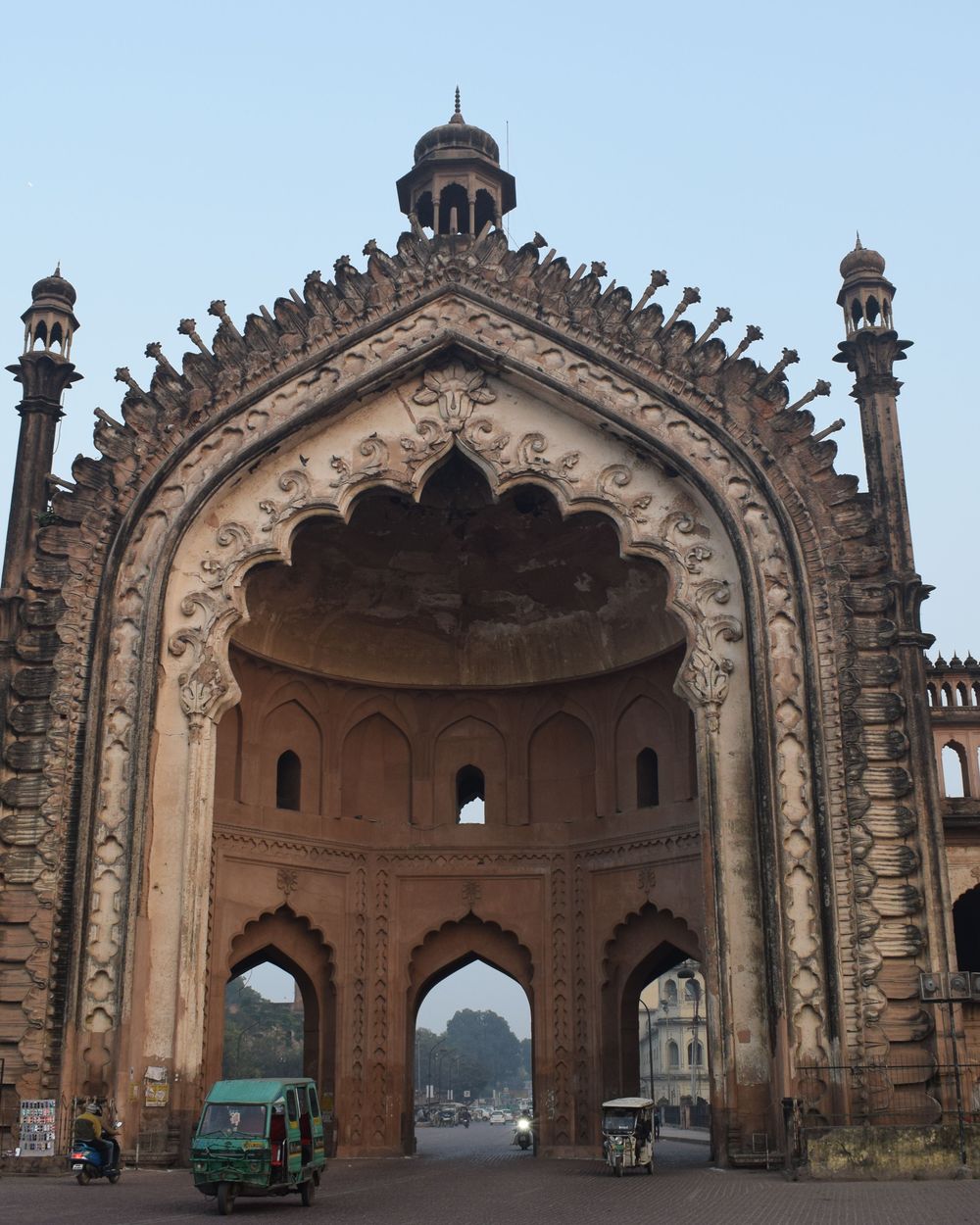
Darshan and sightseeing in Ayodhya
Shri Ram Janmabhoomi Mandir
The new temple, built in the Nagara style from pink sandstone, was consecrated in January 2024 and has quickly become one of the most visited shrines in India. Darshan is free. Mobile phones, cameras, electronic items, bags and many other articles are not allowed inside, and security screening is thorough, so the practical plan is to leave everything with your driver in the locked car. Queues move steadily outside festivals; allow two to three hours on an ordinary day and much longer on holidays.
Hanuman Garhi
A short walk from the main temple, this fortress-like shrine to Hanuman sits on a mound reached by a long flight of steps. Tradition says devotees should pay their respects here before going for Ram darshan. Mornings and Tuesdays are especially busy.
Kanak Bhawan and Dashrath Mahal
Kanak Bhawan, believed to have been Kaikeyi's gift to Sita after her wedding, is famous for its ornate gold-accented sanctum and gentle bhajan singing. Dashrath Mahal, nearby, is associated with Ram's father, King Dashrath. Both are in the dense heart of the old town.
Ram ki Paidi and the Saryu ghats
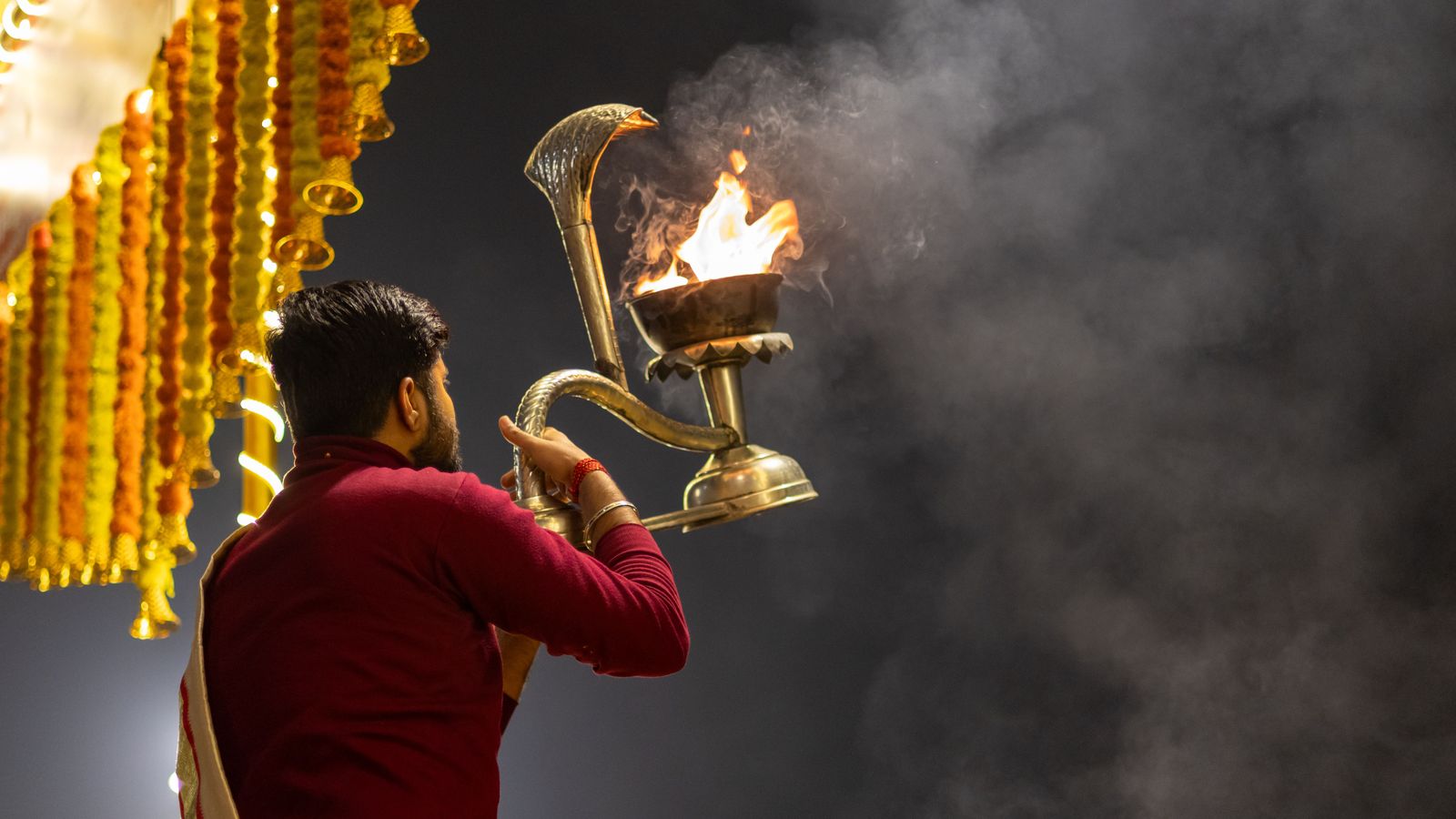
A series of stepped ghats along a channel of the Saryu, Ram ki Paidi is where the city gathers in the evening. The Saryu aarti at the main ghats, with lamps and chanting, is a beautiful end to the day, and Ram ki Paidi is also the stage for the spectacular Deepotsav lamps at Diwali.
Also worth your time
- Nageshwarnath Temple, a Shiva shrine near Ram ki Paidi said to have been founded by Kush, Ram's son.
- Guptar Ghat, on the Faizabad side, a tranquil riverside ghat lined with temples.
- Treta ke Thakur and Choti Chhawni, two of the older temple complexes.
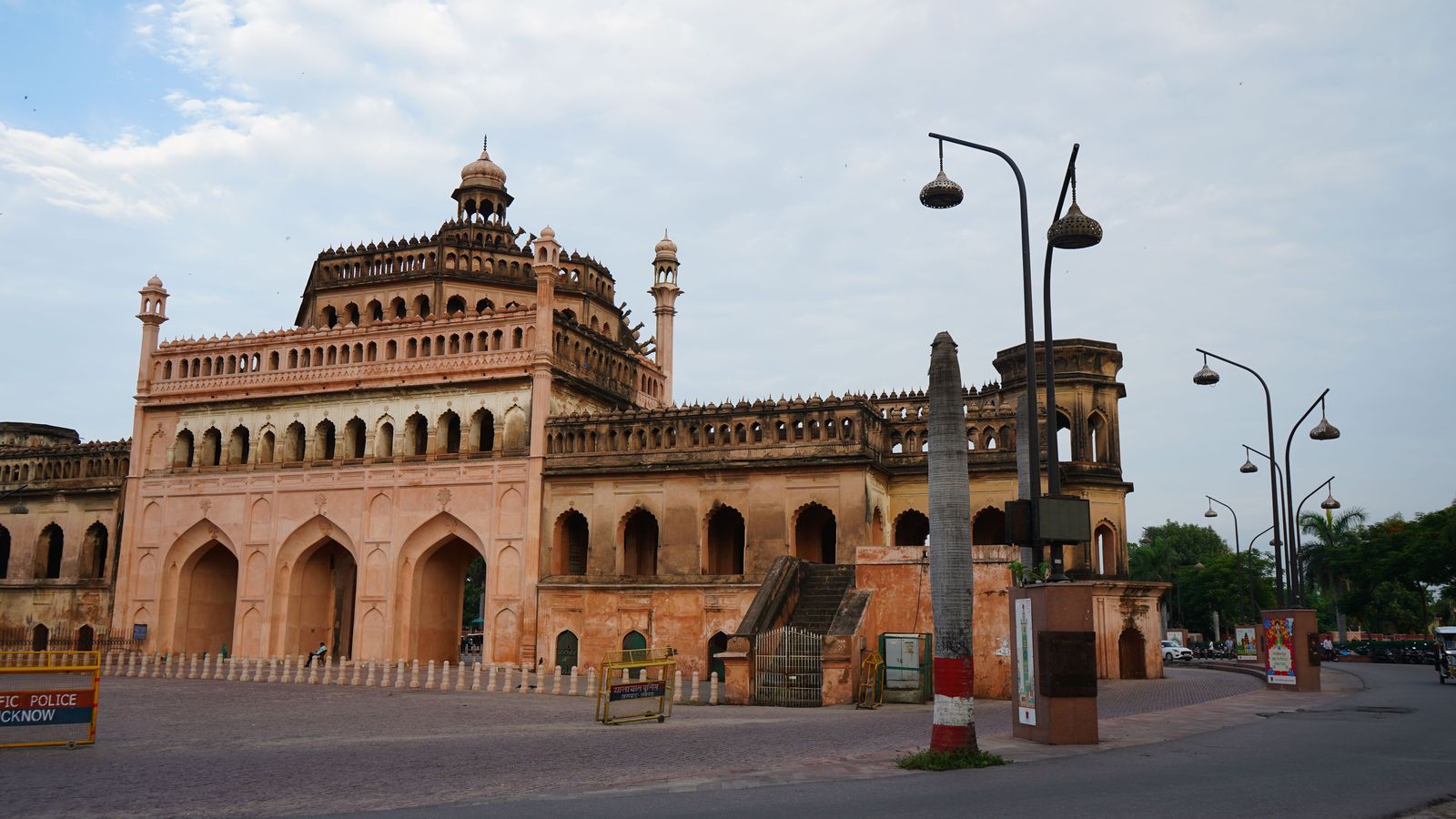
- Faizabad's Awadhi monuments, including the Gulab Bari garden tomb and the Bahu Begum ka Maqbara, reminders that this was once a capital of the Nawabs.
The Ayodhya district website lists major places of worship and publishes crowd and traffic advisories before festivals.
The drive: Lucknow to Ayodhya on NH27
The route is straightforward. From Hazratganj or Gomti Nagar your driver heads east out of Lucknow via the Faizabad Road, joins NH27 and runs past Barabanki, Ram Sanehi Ghat and Rudauli before entering Ayodhya. The highway is a divided four-lane road for most of its length, with dhabas and fuel stations every few kilometres and a toll plaza on the way (charged at actual cost).
Expect about an hour just to get clear of Lucknow at peak times, so either leave very early or plan to depart after the morning rush. Returning, aim to be on the highway by 6 pm if you want to be back in Lucknow for dinner.
From Varanasi and Prayagraj
Ayodhya fits naturally into an eastern Uttar Pradesh yatra. From Varanasi it is roughly 210 km north-west via Sultanpur, about four and a half hours; from Prayagraj roughly 170 km via Pratapgarh and Sultanpur. Our Varanasi by road and Prayagraj by road guides describe those cities.
Flying in
Ayodhya now has its own airport, Maharishi Valmiki International Airport, on the eastern side of the city. Many visitors still fly to Lucknow's Chaudhary Charan Singh airport, which has more flights, and drive from there; RutzIndia.com meets you at either with flight tracking and a name board, with 30 minutes of free waiting after domestic arrivals and 60 minutes after international flights.
Where cars can go
On busy days the district administration stops outside vehicles at designated parking areas on the edge of the temple zone. From there, e-rickshaws and walking cover the last stretch. Your chauffeur will know the current arrangements and drop you as close as permitted, then wait at the parking with your belongings.

When to visit Ayodhya
October to March is the most comfortable time, with cool mornings for queues and pleasant evenings on the ghats. Late December and January can be foggy on the highway and chilly at dawn. April to June is very hot; plan darshan early and late, and rest in the afternoon. July to September brings monsoon rain and the Sawan Jhula festival, when deities are placed on decorated swings.
Festival periods to plan around, and to book early for:
- Ram Navami, in the month of Chaitra (usually March or April), the birthday of Lord Ram and the biggest day of the year.
- Deepotsav, on the eve of Diwali, when lakhs of diyas are lit along the Saryu at Ram ki Paidi. Roads are closed widely and parking is far from the ghats.
- Kartik month, with the Kartik Purnima bathing fair and the traditional parikrama walks around the city.
- Vivah Panchami, marking the wedding of Ram and Sita, in November or December.
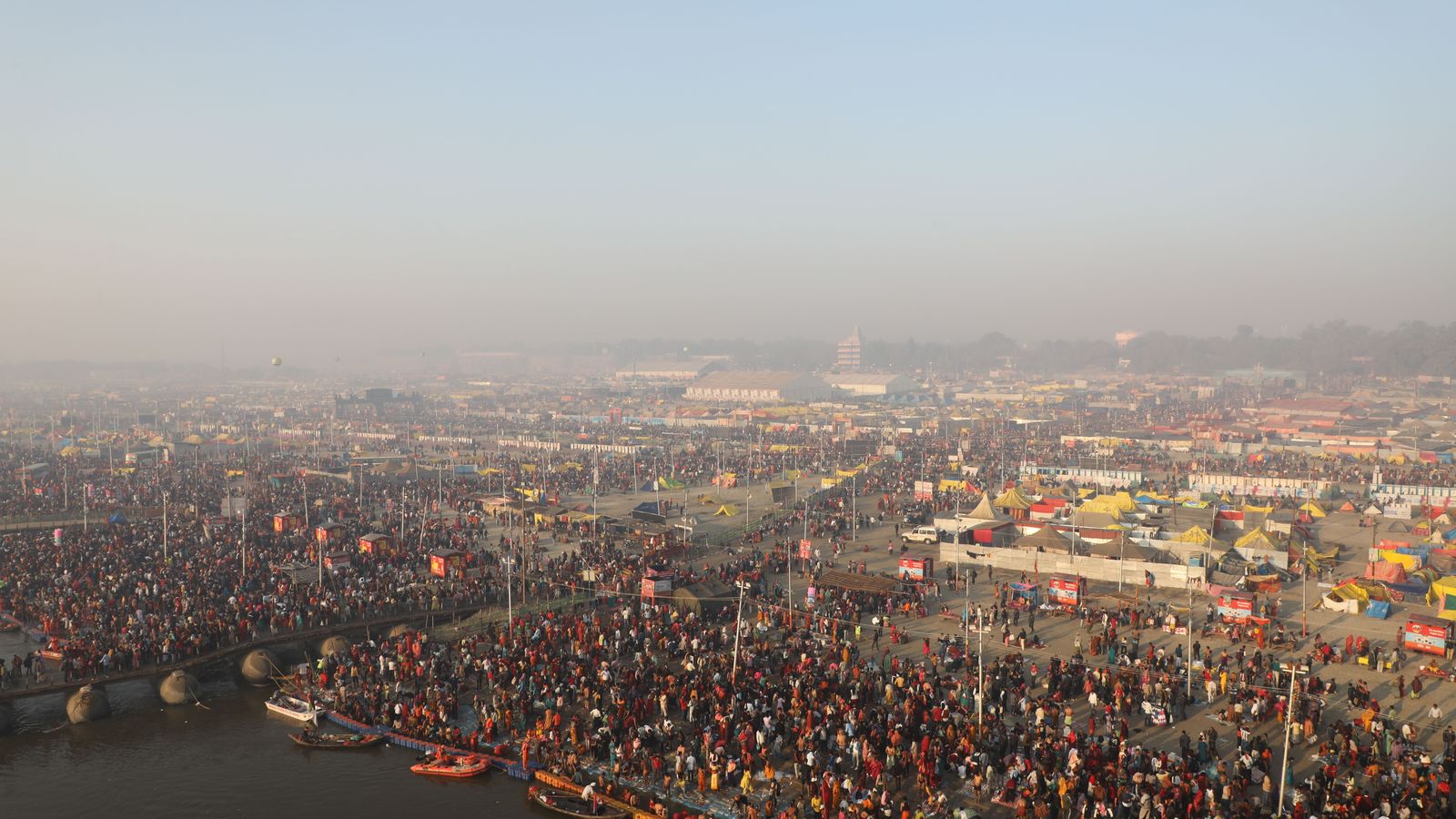
- Weekends and public holidays, which now bring very large crowds year-round.
The national tourism portal, Incredible India, carries background on Ayodhya and other pilgrimage cities of Uttar Pradesh.
RutzIndia.com cars and fares for Ayodhya
Whether you need a quick drop, a same-day darshan or a multi-city yatra, the rates are transparent. The table shows fares before 5% GST. Tolls, state permits where applicable and parking are charged at actual cost. Overnight trips attract the driver's night allowance of Rs 1,500 per night, and round trips are billed on at least 250 km per calendar day.
| Trip | Compact sedan | Ertiga | Innova Crysta | Tempo Traveller |
|---|---|---|---|---|
| Lucknow to Ayodhya one way (135 km) | Rs 4,860 Pay Now to Reserve | Rs 5,670 Pay Now to Reserve | Rs 7,690 Pay Now to Reserve | Rs 10,530 Pay Now to Reserve |
| Same-day darshan return (270 km) | Rs 9,720 Pay Now to Reserve | Rs 11,340 Pay Now to Reserve | Rs 15,390 Pay Now to Reserve | Rs 21,060 Pay Now to Reserve |
| Two-day trip with overnight (500 km billed) | Rs 18,000 Pay Now to Reserve | Rs 21,000 Pay Now to Reserve | Rs 28,500 Pay Now to Reserve | Rs 39,000 Pay Now to Reserve |
| Varanasi to Ayodhya one way (about 210 km) | Rs 7,560 Pay Now to Reserve | Rs 8,820 Pay Now to Reserve | Rs 11,970 Pay Now to Reserve | Rs 16,380 Pay Now to Reserve |
For groups who want a smoother, higher-roofed ride, the Force Urbania is available at Rs 102 per km; the same-day Lucknow–Ayodhya return in an Urbania comes to Rs 27,540 Pay Now to Reserve.
What you can book:
- Lucknow airport or Charbagh station to Ayodhya, one way or return, through our Lucknow taxi service.
- Same-day darshan with the car waiting at parking while you visit the temple, Hanuman Garhi and Kanak Bhawan.
- Group yatras in a Tempo Traveller from Lucknow, popular with temple committees, housing societies and extended families.
- Multi-city pilgrimages across Ayodhya, Prayagraj, Varanasi and Chitrakoot, planned by our pilgrimage taxi desk.
Every car is within four model years. You can pay by card or UPI through the booker, and trusts or companies can request a GST invoice.
Itineraries by car
Same-day darshan from Lucknow (about 270 km)
Leave at 5:30 am, breakfast at a highway dhaba, and reach the parking by about 8:30 am. Hanuman Garhi first, then join the Ram Mandir queue. Lunch, Kanak Bhawan and Dashrath Mahal in the afternoon, and the Saryu aarti at dusk. On the road by 7 pm, Lucknow by about 10 pm.
Two days, unhurried (about 320 km)
Day 1: morning drive, check in, Ram ki Paidi and the Saryu aarti in the evening (about 150 km with local driving). Day 2: early Ram Mandir darshan, Hanuman Garhi, Kanak Bhawan, Guptar Ghat and Gulab Bari in the afternoon, then back to Lucknow (about 170 km). Billing follows the 500 km two-day minimum.
Four days: Ayodhya, Prayagraj and Varanasi
Lucknow to Ayodhya, then on to Prayagraj for the Sangam, then Varanasi for the ghats, ending with a flight home from Varanasi. With one car throughout, the total is roughly 600 to 650 km, and we will quote the exact figure for your hotels.
Practical tips for Ayodhya
- Phones stay in the car. It is the single most useful tip. Locker queues can be long, and nothing electronic is allowed inside the main temple.
- Carry identity. Security may ask for photo ID; keep an original or DigiLocker copy handy before you hand your phone over.
- Dress simply and comfortably, with footwear you can leave at shoe stands.
- Monkeys are bold around Hanuman Garhi. Keep food and spectacles out of sight.
- Offerings and prasad are available from stalls near every temple; buy from shops with printed prices.
- Plan around festivals. On Ram Navami and Deepotsav, arrive very early, accept that you will walk a long way from parking, and keep the group together with a pre-agreed meeting point.
Bringing elderly parents? Ask the desk about current arrangements for senior citizens and wheelchairs at the temple, and choose an Innova or Ertiga for easier entry and exit.
Booking and cancellation
Book on the RutzIndia.com booker with your pickup address and date, or WhatsApp the travel desk. You receive the chauffeur's name and car number the evening before. Cancel free of charge more than 72 hours ahead; after that we retain 10% within 72 hours, 50% within 48 hours and the full fare within 24 hours or on a no-show. The cancellation policy has the details, and all vehicle classes and rates are on the fares page.