How do you get to Lachung and Yumthang by road from Gangtok?
Lachung is about 120 km north of Gangtok, usually a 6 to 7-hour drive via Kabi, Mangan and Chungthang, and Yumthang Valley is roughly 25 km further. Travel needs a Protected Area Permit and runs in a Sikkim-registered vehicle. Indicative fares start at Rs 4,320 Pay Now to Reserve one way for a sedan-class car and Rs 6,930 Pay Now to Reserve for an Innova-class (minimum fare applies), before 5% GST.
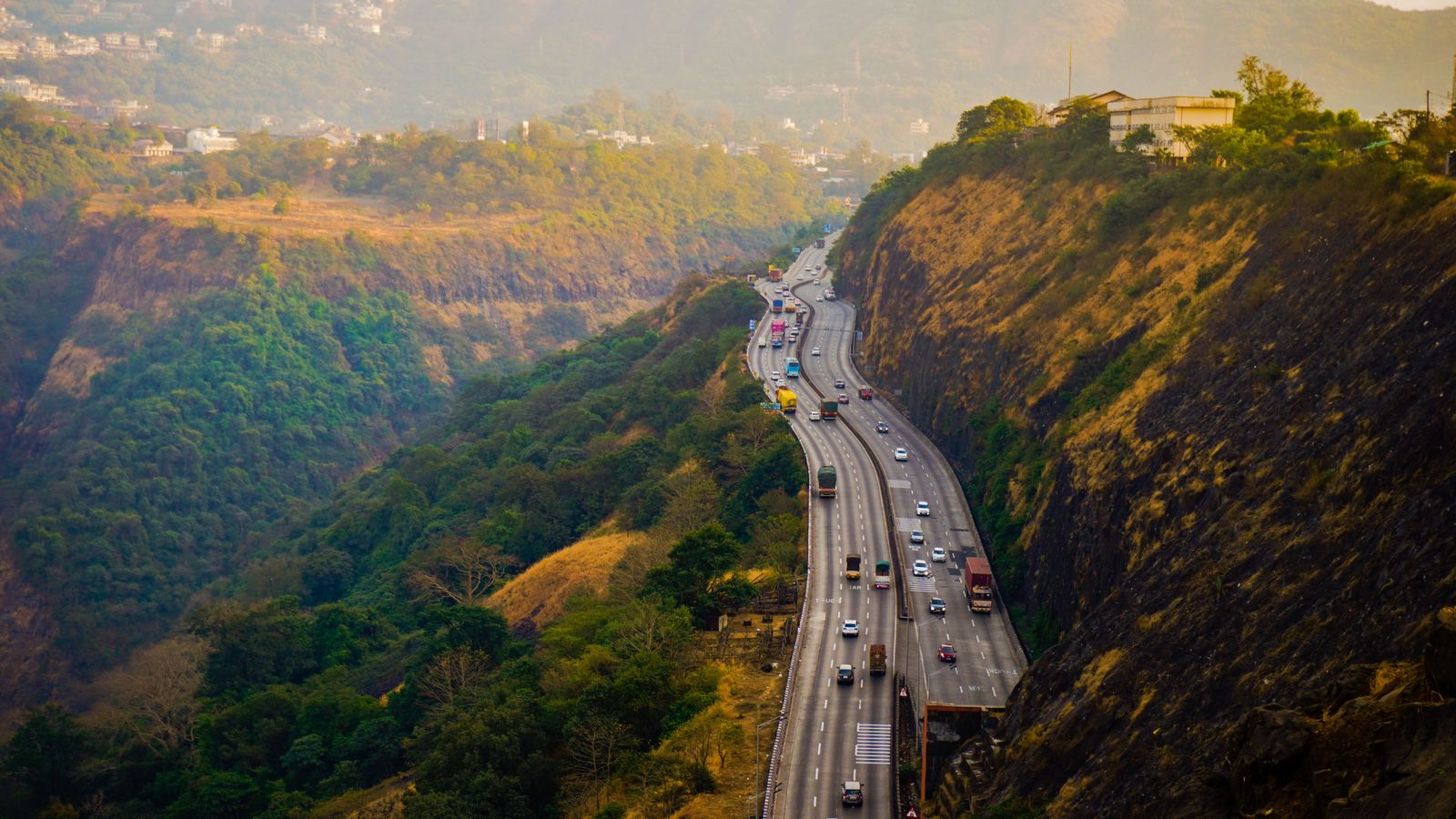
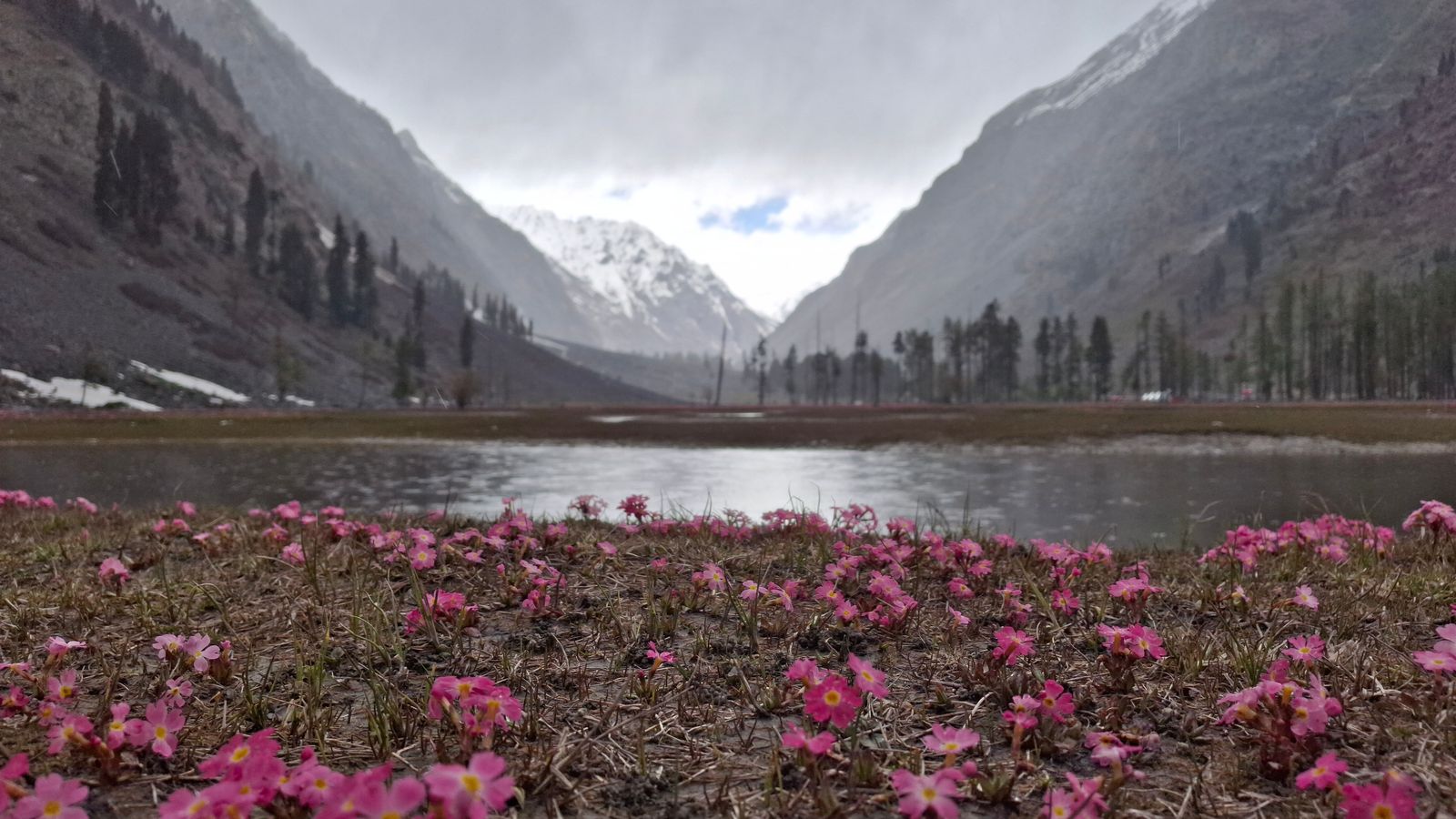
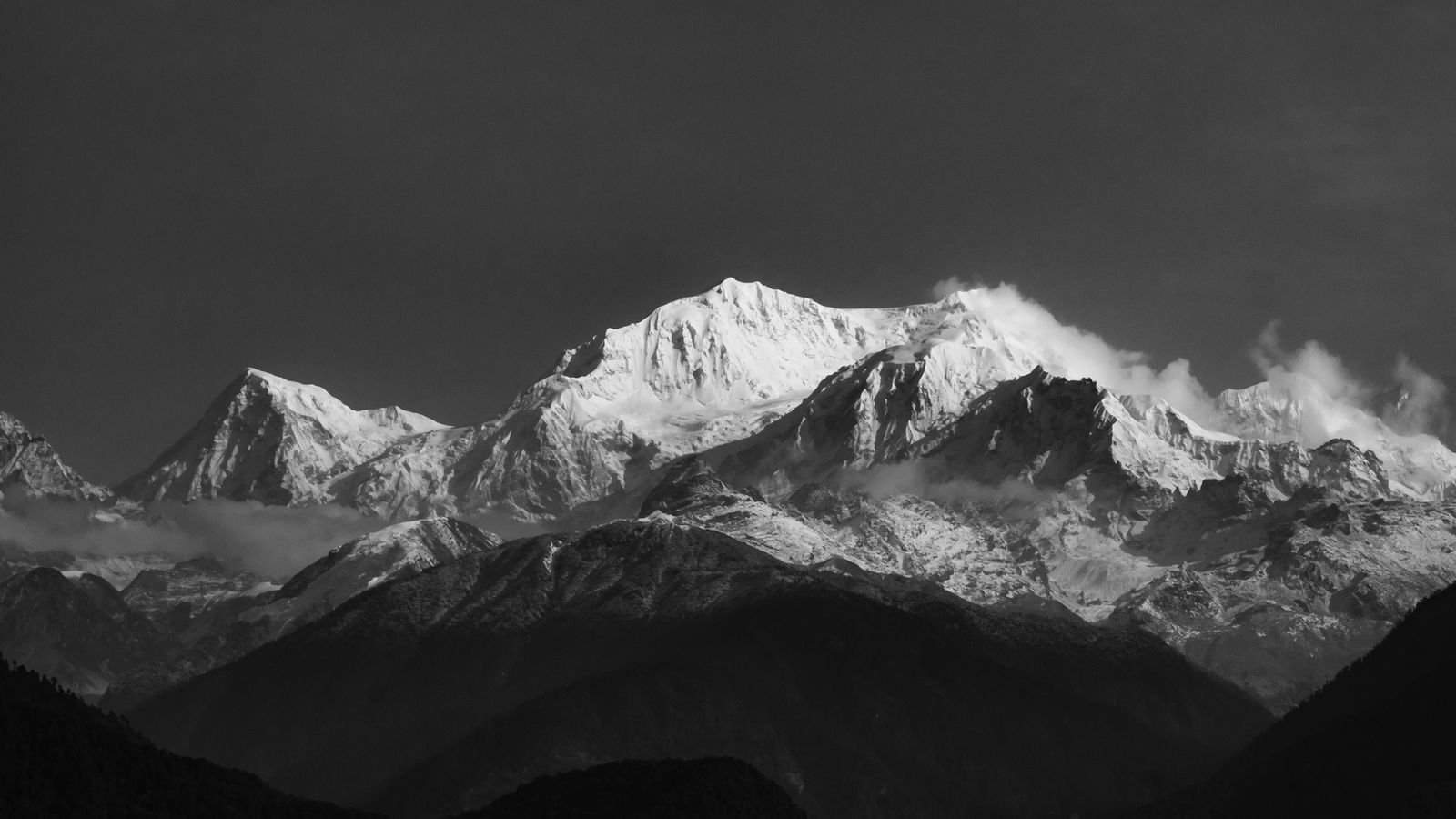
North Sikkim is where the state stops being a hill destination and becomes the high Himalaya. The road from Gangtok drops into the Teesta valley, clings to the side of a gorge for hours, crosses roaring side streams under waterfalls, and finally climbs into Lachung, a village of wooden houses and apple orchards at around 2,700 metres, ringed by rock walls and snow peaks. The next morning you continue to Yumthang, a broad valley at roughly 3,500 metres where, in April and May, the rhododendrons turn the slopes pink, red and cream, and where, from December to March, everything lies under snow.
It is not a casual drive. The permit system, the fragile road and the altitude all shape your plans, and conditions change from week to week. The honest way to do it is with local knowledge, a permit arranged in advance, and a buffer in your schedule. This guide explains how North Sikkim trips actually work, what you will see, when to go, and how RutzIndia.com helps.
How a North Sikkim trip is organised
North Sikkim, officially Mangan district, lies in a Protected Area. The practical rules, which you must reconfirm before travel:
- Indian citizens need a Protected Area Permit, applied for through a registered Sikkim tour operator with photo ID and photographs, usually a day or two in advance from Gangtok.
- Foreign nationals need the Restricted Area Permit to enter Sikkim and a separate Protected Area Permit for North Sikkim, generally only in groups (commonly a minimum of two) through a registered operator; some sectors further north are not open to foreigners. The official summary is on the Sikkim Tourism Restricted Area Permit page.
- Vehicles: permits are issued against Sikkim-registered tourist vehicles and drivers licensed for the protected area. That is why our own car brings you to Gangtok, and the Lachung leg runs in a permitted local vehicle booked by our desk.
- Suspensions: the district can suspend permits at short notice when rain triggers landslides. In the spring of 2025, landslides on the Lachung and Lachen roads stranded many visitors at Chungthang and existing permits were cancelled; the roads were later restored and permits resumed. Treat every date as provisional in the monsoon.
District notices on road status and permits appear on the Mangan district website, and general information on Sikkim Tourism.
The road north: Kabi, Mangan and Chungthang
Gangtok to Mangan (about 65 km). The route leaves Gangtok past the Tashi viewpoint, drops through Kabi, where a memorial marks the historic Lepcha-Bhutia treaty site, and winds past Phodong monastery to Mangan, the district headquarters perched above the Teesta. Around Singhik, just before Mangan, a viewpoint looks straight up the valley to Kangchenjunga on clear days.
Mangan to Chungthang (about 30 km). The road follows the Teesta gorge, with sections rebuilt after repeated landslides and the 2023 Teesta flood that devastated the Chungthang area. This is the most fragile part of the journey; expect single-lane passages, construction and waits.
Chungthang to Lachung (about 25 km). At Chungthang, where the Lachen and Lachung rivers meet to form the Teesta, the road forks: left for Lachen and Gurudongmar, right for Lachung. The Lachung road climbs past waterfalls, including the tall Bhim Nala cascade, into the village; the well-known Naga falls lie on the earlier stretch below Chungthang.
Lachung to Yumthang (about 25 km) and beyond. Next morning the road climbs through the Shingba Rhododendron Sanctuary to the Yumthang valley, with its hot springs and river meadows. In season, many visitors pay extra for the rough drive to Yumesamdong (Zero Point) at well over 4,500 metres, where the road ends in snowfields; access depends on snow and army clearance.
What you will see
- Lachung village: traditional houses, the Lachung Monastery, apple orchards and a remarkable local self-government, the Dzumsa, which sets village rules on everything from tourism to waste.
- Yumthang Valley: the valley of flowers in spring, golden grass in autumn, snow in winter, with the Lachung river winding through it.
- Shingba Rhododendron Sanctuary: dozens of rhododendron species on the slopes approaching Yumthang, at their best in April and May.
- Hot springs near Yumthang, visited by locals for their sulphur waters.
- Waterfalls and gorges all the way along the route, including the famous series of cascades between Mangan and Chungthang.
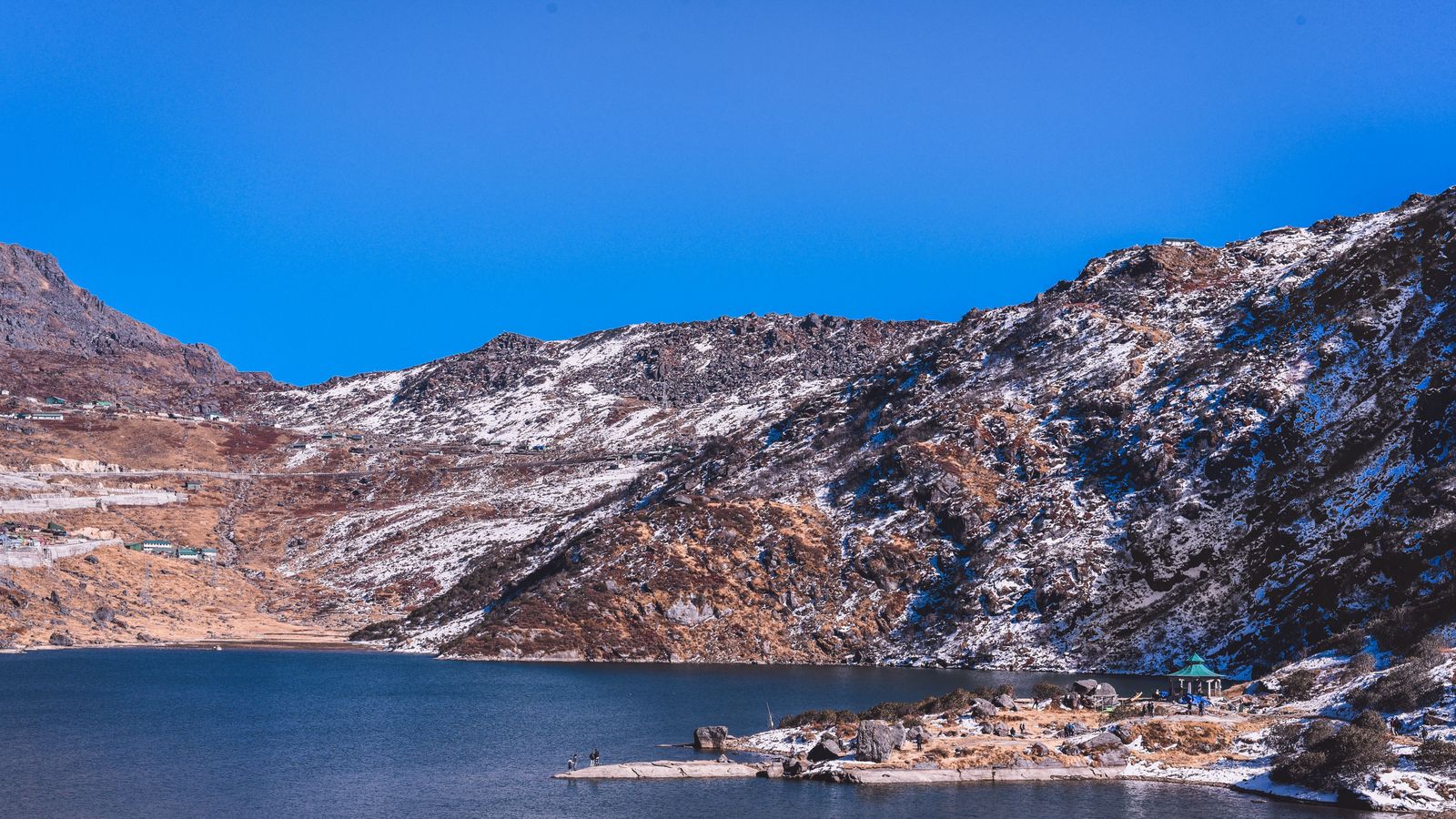
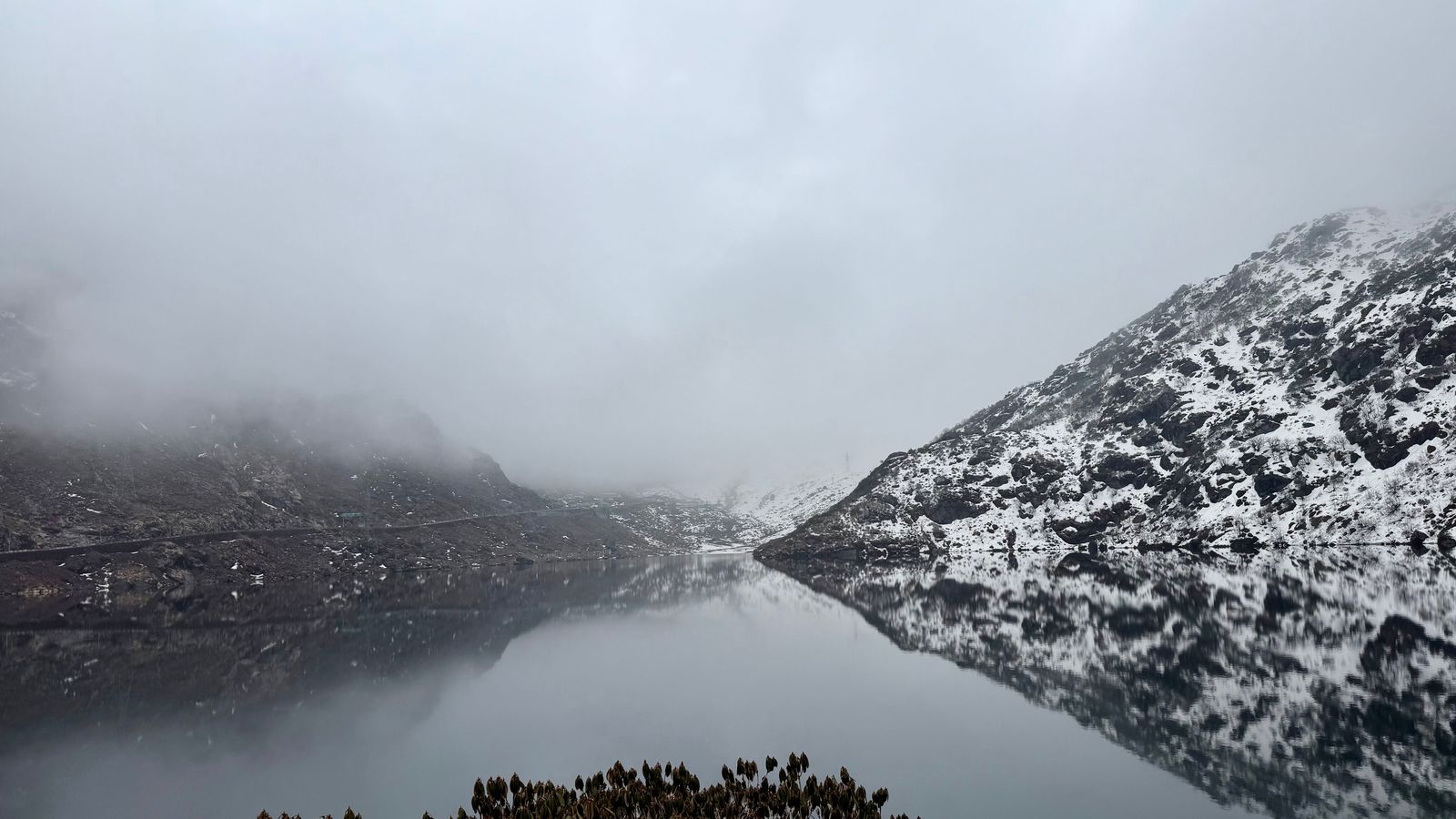
- Zero Point: a high, stark landscape of rock, snow and prayer flags, bitterly cold even in May.
When to go
- March to May: rhododendron season, and the most popular time. Yumthang is carpeted with flowers from mid-April to late May, and Zero Point often has deep snow.
- October to December: crisp, clear autumn with golden meadows and sharp mountain views; nights well below freezing by December.
- January and February: heavy snow; Yumthang is white, and access beyond Lachung can close for days.
- June to September: the monsoon, with the highest landslide risk and frequent permit suspensions. Best avoided unless you have spare days.
What RutzIndia.com arranges
- Bagdogra or Siliguri to Gangtok in our own car, with flight tracking, a name board and free waiting of an hour after international arrivals or thirty minutes after domestic ones; see our Gangtok road guide.
- North Sikkim permit and local vehicle booked by the desk for the Gangtok to Lachung and Yumthang run, typically as a two-night, three-day loop.
- Group vehicles for families and friends travelling together; larger groups can move in two permitted vehicles in convoy.
- Onward Sikkim legs: Tsomgo Lake from Gangtok (see Tsomgo Lake by road) and West Sikkim's Pelling.
| Vehicle class | Gangtok to Lachung one way (120 km), indicative | Yumthang day from Lachung (250 km floor) | 3-day Lachung and Yumthang loop (750 km floor), indicative |
|---|---|---|---|
| Sedan class (4 seats) | Rs 4,320 Pay Now to Reserve | Rs 9,000 Pay Now to Reserve | Rs 27,000 Pay Now to Reserve |
| Innova class (6 seats) | Rs 6,930 Pay Now to Reserve | Rs 14,250 Pay Now to Reserve | Rs 42,750 Pay Now to Reserve |
| Fortuner class SUV (6 seats) | Rs 12,360 Pay Now to Reserve | Rs 21,000 Pay Now to Reserve | Rs 63,000 Pay Now to Reserve |
| Tempo Traveller class (12 to 17 seats) | Rs 10,740 Pay Now to Reserve | Rs 19,500 Pay Now to Reserve | Rs 58,500 Pay Now to Reserve |
How to read this. The larger classes are quoted at their minimum fare for the one-way leg, because 120 km at their per-km rate would undercut it. Because North Sikkim runs in permitted local vehicles, these are our standard rate-card equivalents and the confirmed price comes with the permit booking; the actual permit fee, Zero Point surcharges, parking and tolls are extra at cost. GST at 5% applies, and the driver's overnight allowance is Rs 1,500. Vehicles we book are to be within four model years wherever the local fleet allows. You may cancel without charge until 72 hours before the start; later cancellations cost 10% of the fare within 72 hours, half within 48 hours and the whole fare within 24 hours or on a no-show, as set out in the cancellation policy. If the district suspends permits, we reschedule or refund the unused permit leg rather than penalise you.
Plan a Lachung and Yumthang trip
Building Lachung into a longer eastern Himalaya holiday
Few people fly all the way to Bagdogra just for Lachung. The trip makes most sense as the high point of a week or ten days in the eastern hills, and the order matters. Acclimatise first: spend two or three nights at lower altitude in Darjeeling or Kalimpong, then Gangtok, before heading north. Your body will thank you at Yumthang, and the extra days give the desk time to secure permits and watch the weather.
A typical sequence is Bagdogra to Darjeeling for two nights, across to Kalimpong or straight to Gangtok, the Lachung loop over three days, Tsomgo Lake on the day after you return, and a final run back to the plains. Our own car handles every leg outside the protected areas, which keeps your luggage with one chauffeur for most of the trip; the protected legs are simply slotted in. Rates for each vehicle class are on our fares page.
A three-day loop from Gangtok
Day one, Gangtok to Lachung (about 120 km, 6 to 7 hours). Leave Gangtok by 9 am once permits are in hand, lunch at Mangan, stop for the waterfalls on the way, and reach Lachung before dark. Early dinner and a warm bed.
Day two, Yumthang and Zero Point (about 50 to 100 km round trip). Start at dawn for Yumthang while the sky is clear, walk the rhododendron trails in season, visit the hot springs, and continue to Zero Point if it is open and everyone is well. Back to Lachung for lunch, then an afternoon at the monastery and in the orchards.
Day three, Lachung to Gangtok (about 120 km). Leave after breakfast and reach Gangtok by late afternoon, or continue to Bagdogra the next morning in our car. With spare days, add Tsomgo Lake or Pelling.
Practical tips for North Sikkim
- Altitude: Lachung is fine for most, but Yumthang and especially Zero Point are high. Ascend slowly, drink water, avoid alcohol, and turn back if anyone has a severe headache, breathlessness or confusion. Travellers with heart or lung conditions should consult a doctor first.
- Clothing: thermal layers, a down jacket, gloves, a warm cap and waterproof shoes in every season.
- Plastic and waste: local councils enforce strict rules, including on packaged water bottles; carry a refillable bottle and take your rubbish back.
- Cash: ATMs are scarce beyond Mangan; carry enough cash for meals and small purchases.
- Documents: originals and copies of ID and permits for every traveller, kept with you, not in the boot.
- Flexibility: add a buffer day to any North Sikkim plan, especially between April and September.
- Longer journeys: for the long drive from Kolkata to Siliguri, see outstation cabs; for groups, Tempo Traveller on rent.
For permits, group convoys or a combined Sikkim and Darjeeling holiday, write to the travel desk and a planner will check the week's road and permit status before confirming.