How do you reach Darjeeling by road from Siliguri?
Darjeeling is about 65 km uphill from Siliguri, typically a 3-hour drive by Hill Cart Road through Kurseong and Ghum or by the faster Rohini Road. For the one-way climb a RutzIndia.com sedan comes to Rs 3,960 Pay Now to Reserve and an Innova Crysta to Rs 6,930 Pay Now to Reserve, before 5% GST, as the minimum fare applies. From Bagdogra airport add about 10 km; tolls and parking are at actual cost.
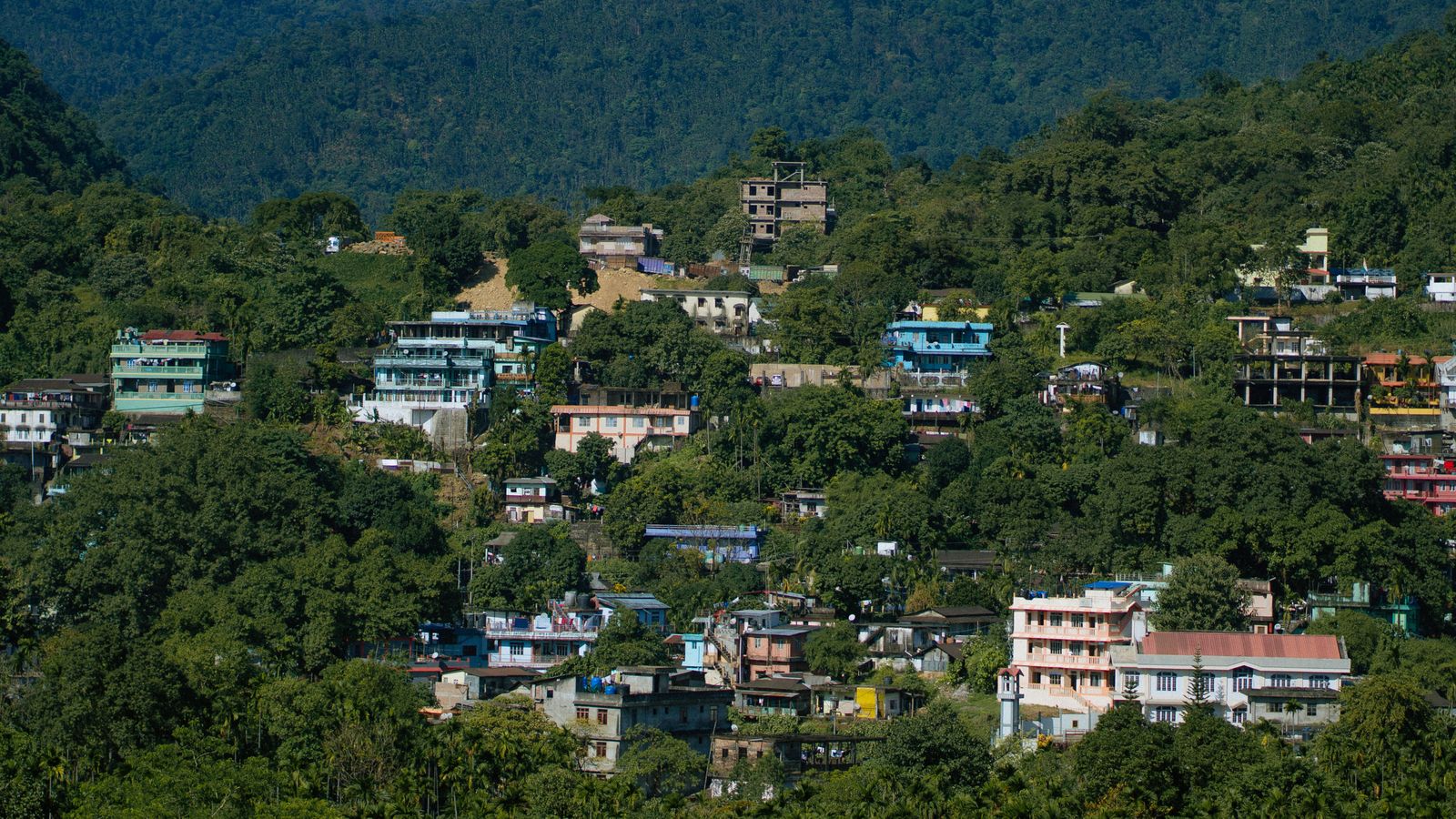
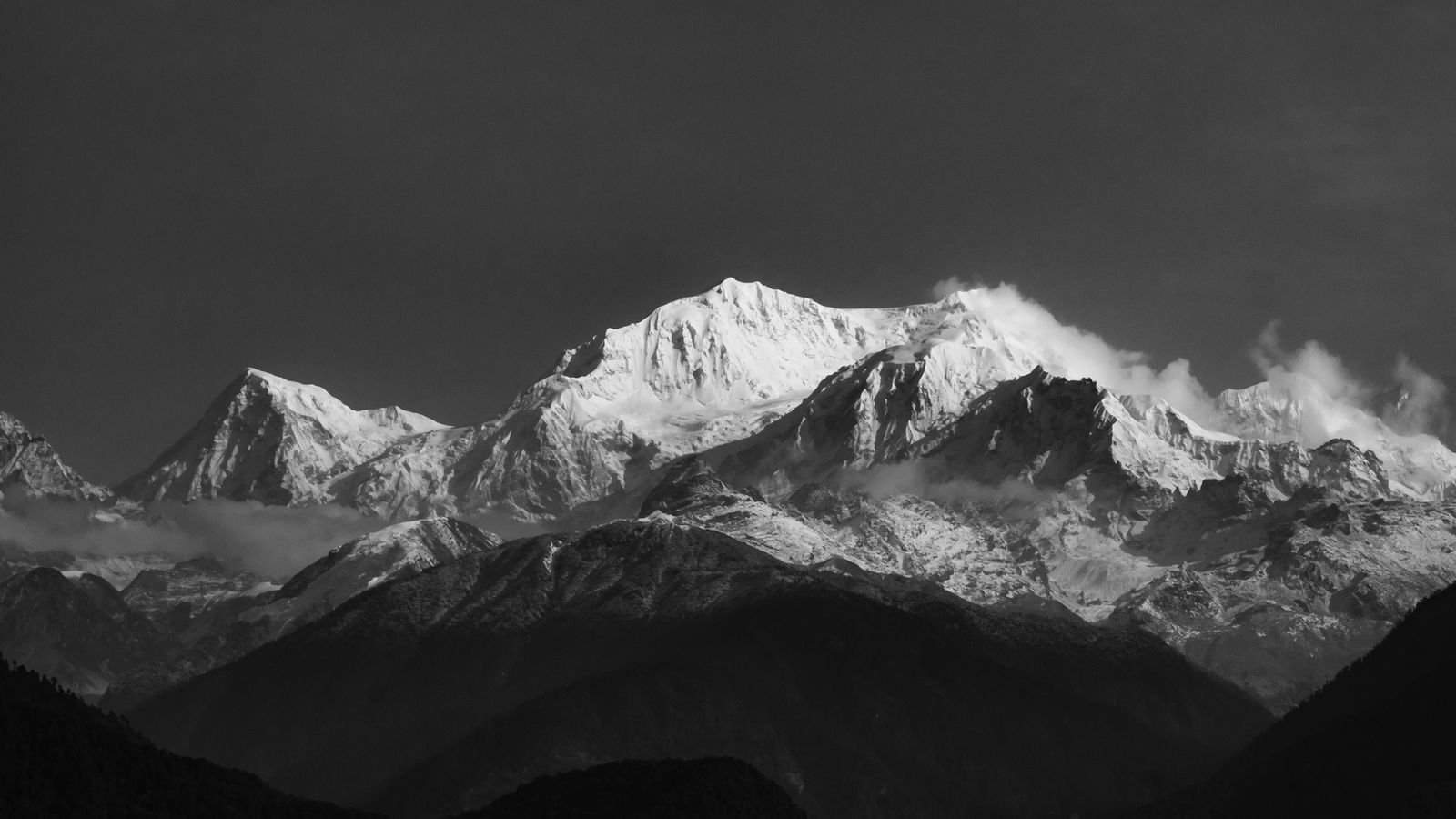
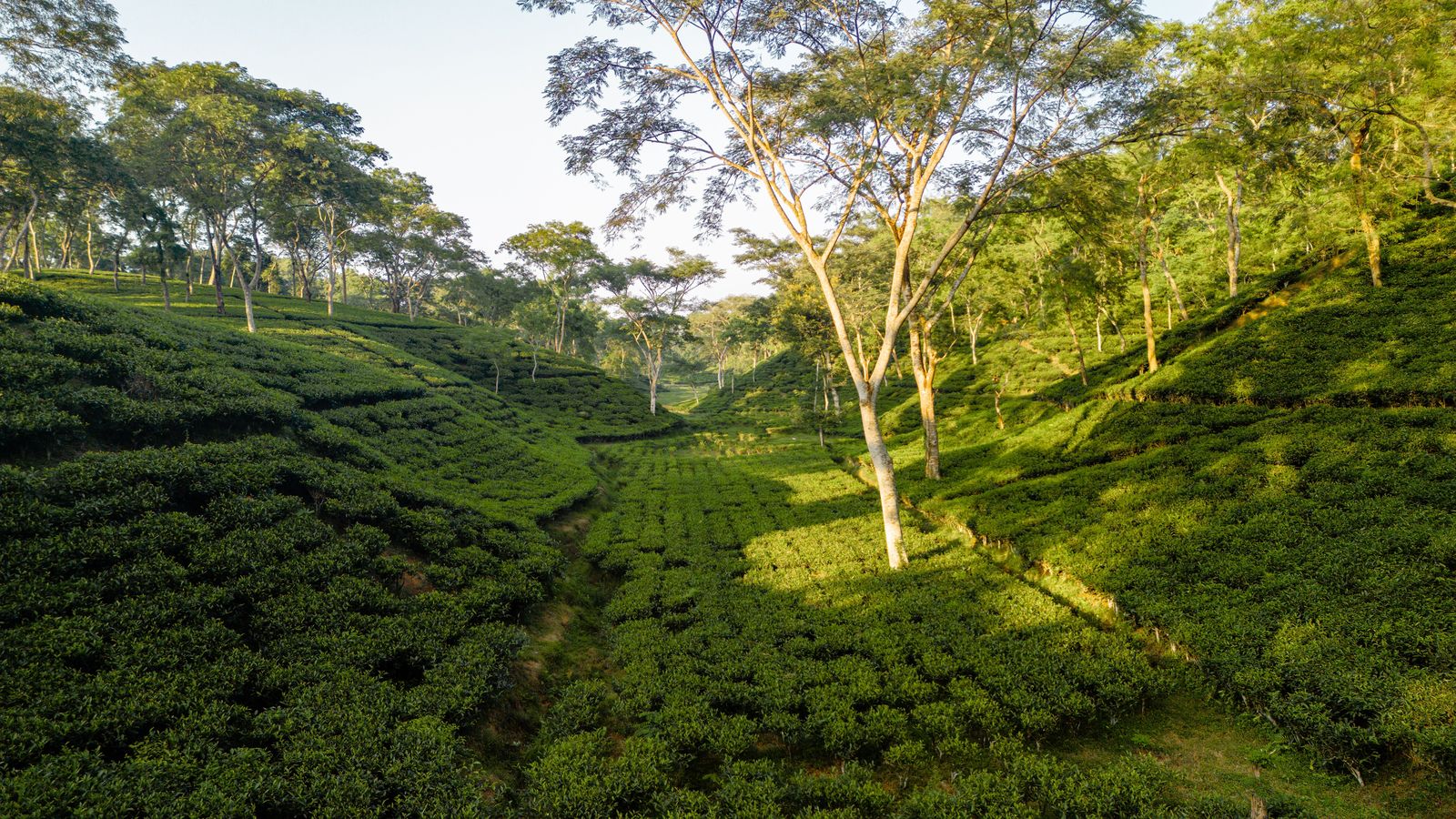
Every hill station in India claims a view; Darjeeling's is the one people cross continents for. On a clear October morning the whole Kangchenjunga massif, the third-highest mountain on earth, turns pink above a sea of cloud, and the tea gardens drop away beneath your feet in green stripes. The town itself is a tumble of Victorian cottages, monasteries, bakeries and steep lanes on a ridge at a little over 2,000 metres. It is not a place for big cars and impatient drivers. It is a place for a chauffeur who knows the hill roads, the toy-train crossings, and where to stop for momos and a pot of first-flush tea.
Most travellers arrive in the plains at Bagdogra airport, New Jalpaiguri (NJP) railway station or Siliguri town, then drive up. This guide covers the three road routes, what to see in and around Darjeeling, the seasons and landslide months, sample itineraries that fold in Kalimpong, Gangtok and Pelling, and the RutzIndia.com fares for each option.
Why Darjeeling is worth the climb
- Tiger Hill sunrise: the pre-dawn drive to the viewpoint above Ghum for sunrise over Kangchenjunga, and on exceptional days a distant glimpse of Everest. Vehicles queue from 4 am in season, and access runs on a local ticketing and vehicle system.
- Batasia Loop: the spiral where the toy train circles a garden and war memorial, with the mountains behind.
- Ghum Monastery (Yiga Choeling): one of the oldest Tibetan Buddhist monasteries in the area, with a large Maitreya Buddha image.
- The Darjeeling Himalayan Railway: the narrow-gauge "toy train" from NJP to Darjeeling, part of the UNESCO-listed Mountain Railways of India. A short joy ride between Darjeeling and Ghum by steam or diesel is a classic; the line crosses and runs alongside the road for much of the way up.
- Himalayan Mountaineering Institute and the zoo: the HMI, founded after the first ascent of Everest, has a museum of Everest expeditions and shares its campus with the Padmaja Naidu Himalayan Zoological Park, known for red pandas and snow leopards. Details are on the HMI website.
- Tea: Happy Valley and other estates near town offer tastings and factory visits in the plucking season; the muscatel second flush of early summer is prized.
- Chowrasta and the Mall: the town square for strolls, pony rides, bookshops and old bakeries such as Glenary's and Keventer's.
- Peace Pagoda and the ropeway down towards the Rangeet valley tea gardens, when running.
Three roads up the hill
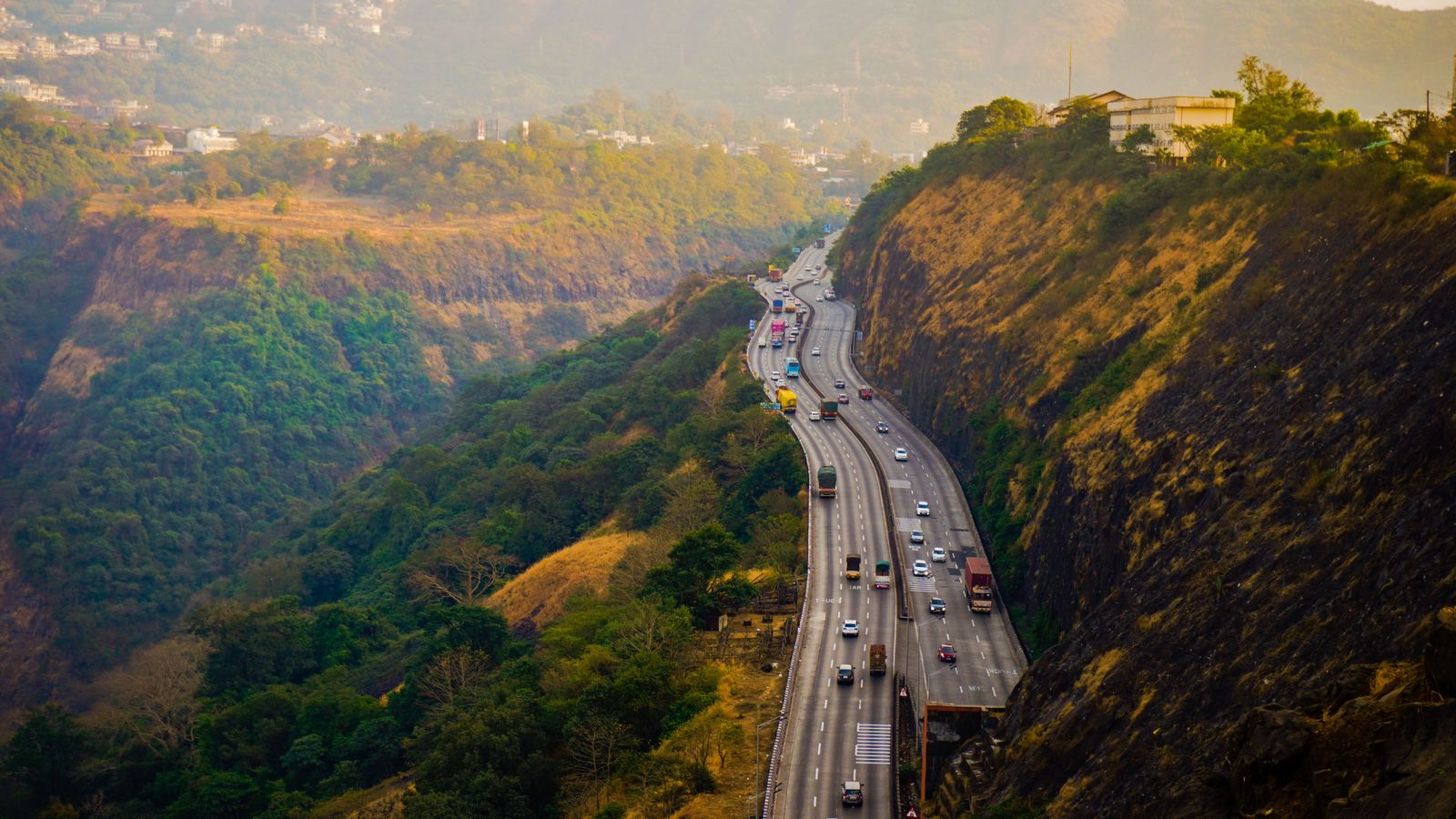
Hill Cart Road (NH 110) via Sukna, Tindharia, Kurseong and Ghum (about 65 km). This is the historic route, shared for long stretches with the toy-train track, which crosses the road dozens of times. It is narrow, busy through Kurseong's bazaar, and full of character: tea stalls, school children, the train whistling past your window. Allow about three hours. Parts of it have suffered repeated monsoon landslides, and sections are sometimes closed or restricted, which is why drivers know the next option well.
Rohini Road from Sukna to Kurseong (about 60 km to Darjeeling). Newer and wider, with long sweeping bends through tea gardens, Rohini Road cuts the climb to Kurseong and then joins the main road up to Ghum and Darjeeling. It is usually the fastest route from Bagdogra and NJP, and the one most chauffeurs take in both directions.
Via Mirik (about 80 to 90 km). A longer, scenic loop past the Mirik lake and orange orchards along the Nepal border, joining the Darjeeling road at Ghum. Ideal as the route down on your last day, turning the descent into sightseeing.
Road notes:
- Traffic in Darjeeling town is severe in peak weeks. Parking is scarce and the local administration regulates vehicles in the core; your driver will drop you near Chowrasta and wait at a designated stand.
- Local sightseeing rules: Tiger Hill and some town circuits run on local vehicle and permit systems managed by the local administration and taxi associations. Where an outside vehicle cannot do a particular sunrise run, our desk arranges a local vehicle for that leg so you are not stuck at a barrier at 4 am.
- Descents: our drivers use engine braking; the Rohini and Pankhabari roads are steep.
- District notices on road restrictions and closures appear on the Darjeeling district website.

Best time to go, and the months to avoid
- March to May: spring rhododendrons and magnolias, first-flush tea, pleasant days, and generally good but hazier views. Summer holidays from Kolkata make May busy.
- October to mid-December: the finest mountain views of the year, crisp air and clear skies after the monsoon. Durga Puja and Diwali weeks are very crowded.
- Late December to February: cold, often below freezing at night, with occasional snow on the higher ridges; clear views and fewer tourists. Pack properly.
- June to September: heavy monsoon, persistent cloud and landslide risk on the hill roads. Travel is possible with flexibility, but views are rare.
Chauffeured options from RutzIndia.com
- Airport or station pickup at Bagdogra or NJP with flight or train tracking and a name board, then straight up the hill. We wait 60 minutes free after international arrivals and 30 minutes after domestic flights. Bagdogra airport details are on the AAI Bagdogra page.
- One-way drop from Siliguri, Bagdogra or NJP to your Darjeeling hotel, and a separate drop back down when you leave.
- Multi-day hill tour with one car and chauffeur for Darjeeling, Kalimpong, Gangtok and Pelling, billed on 250 km per calendar day plus a driver night allowance.
- Tempo Traveller for school trips, family reunions and office groups; see Tempo Traveller on rent.
- SUV such as a Fortuner for travellers who want extra ground clearance and power on steep roads.
| Vehicle | Siliguri to Darjeeling one way (65 km, minimum fare applies) | Day return (250 km minimum) | 3-day hill tour (750 km minimum) |
|---|---|---|---|
| Swift Dzire or similar sedan | Rs 3,960 Pay Now to Reserve | Rs 9,000 Pay Now to Reserve | Rs 27,000 Pay Now to Reserve + night allowance |
| Ertiga / Carens MUV | Rs 4,950 Pay Now to Reserve | Rs 10,500 Pay Now to Reserve | Rs 31,500 Pay Now to Reserve + night allowance |
| Innova Crysta / Hycross | Rs 6,930 Pay Now to Reserve | Rs 14,250 Pay Now to Reserve | Rs 42,750 Pay Now to Reserve + night allowance |
| Fortuner or similar SUV | Rs 12,360 Pay Now to Reserve | Rs 21,000 Pay Now to Reserve | Rs 63,000 Pay Now to Reserve + night allowance |
| Tempo Traveller (12 to 17 seats) | Rs 10,740 Pay Now to Reserve | Rs 19,500 Pay Now to Reserve | Rs 58,500 Pay Now to Reserve + night allowance |
All fares are before 5% GST. Tolls, parking, local sightseeing permits and any state entry charges are billed at actual cost; the driver night allowance is Rs 1,500 per night. Hill vehicles are within four model years and are serviced for brakes and tyres before the season. Cancellation is free more than 72 hours before pickup, 10% within 72 hours, 50% within 48 hours and 100% within 24 hours or for a no-show; see the cancellation policy. Pay by card or UPI when you book online.
Book a Bagdogra to Darjeeling car
A three-day Darjeeling plan by car
Day one, Bagdogra or NJP to Darjeeling (about 65 to 75 km). Land before noon, drive up Rohini Road, tea at Kurseong, check in by mid-afternoon. Walk the Mall and Chowrasta at sunset and eat early; tomorrow starts before dawn.
Day two, Tiger Hill and the town circuit (about 30 to 40 km). Leave at 4 am for Tiger Hill, then Ghum Monastery and Batasia Loop on the way back. After breakfast, HMI and the zoo, a tea estate tasting in the afternoon, and a short toy-train joy ride if tickets allow.
Day three, down via Mirik or across to Kalimpong (about 50 to 90 km). Either descend via Mirik lake to Bagdogra for an evening flight, or drive east to Kalimpong (about 50 km, see Kalimpong by road) and continue into Sikkim. For Gangtok, read Gangtok by road; for the western Sikkim ridge with its Kangchenjunga views, see Pelling by road.
Food, tea and small pleasures along the way
Half the joy of the Darjeeling drive is in the stops. Kurseong, roughly halfway up, is a quieter hill town with its own tea gardens, a pretty railway station and bakeries that locals swear by; a cup of tea on a balcony here breaks the climb perfectly. Around Ghum and in Darjeeling, steamed and fried momos, thukpa noodle soup and shaphaley, a Tibetan fried meat pie, are everyday food, and the old tearooms on the Mall still serve English breakfasts to a view of the ridge.
Tea is the obvious souvenir. Buy from estate shops or established tea houses in town, where you can taste first and second flush side by side before you pay, and ask for vacuum packs if you are flying home. Woollens from the Tibetan refugee craft centre and hand-knitted caps from the Mall make practical buys for the evening chill. Your chauffeur will happily wait while you shop, and the boot keeps your bags safe between stops.
Practical tips for the hills
- Motion sickness: common on the hairpins. Sit in front, eat lightly, and ask the driver for a stop at a tea garden viewpoint.
- Clothing: layers all year; down jacket, gloves and a warm cap from December to February.
- Cash: carry some for small tea stalls, parking and monastery donations; UPI is widely accepted in town.
- Toy train tickets: the joy ride sells out in season; book early through Indian Railways.
- Water and plastic: the hills struggle with waste; refill bottles where you can.
- Coming from Kolkata: if you need a car in the city before flying north, see our Kolkata taxi service, or ask about a long outstation cab all the way up NH 27.
For a North Bengal and Sikkim circuit with permits, group vehicles and hotels in several towns, WhatsApp the travel desk and a planner will assemble the whole route.