Kurukshetra by road from Delhi: the quick answer
Kurukshetra is about 165 km from Delhi, usually 3 hours on NH44 via Sonipat, Panipat and Karnal, turning off at Pipli. A chauffeur-driven sedan is Rs 5,940 Pay Now to Reserve one way and an Innova Crysta Rs 9,410 Pay Now to Reserve, before 5% GST. A same-day round trip of about 330 km costs Rs 11,880 Pay Now to Reserve in a sedan, tolls extra at actual.
Few places in India carry as much story per square kilometre as Kurukshetra. This is Dharmakshetra, the field where, in the Mahabharata, the Pandavas and Kauravas fought for eighteen days, and where Krishna spoke the Bhagavad Gita to Arjuna on the eve of battle. The surrounding 48 kos (roughly a 90 km circuit) is dotted with tirthas, sacred tanks and temples tied to episodes of the epic. Add a history that runs through Harsha's capital at Thanesar and a Mughal-era tomb inscribed on the national list of protected monuments, and you have one of the most rewarding day trips from Delhi that most people have never taken.
It works beautifully by car because the sites are spread across town and several kilometres beyond it. This guide covers what to see, the NH44 drive, the Gita Mahotsav season, and how RutzIndia.com prices a day out, a pilgrimage circuit or a group trip. For other cars and city fares in the capital, see our Delhi taxi service.
The sacred sites worth your time
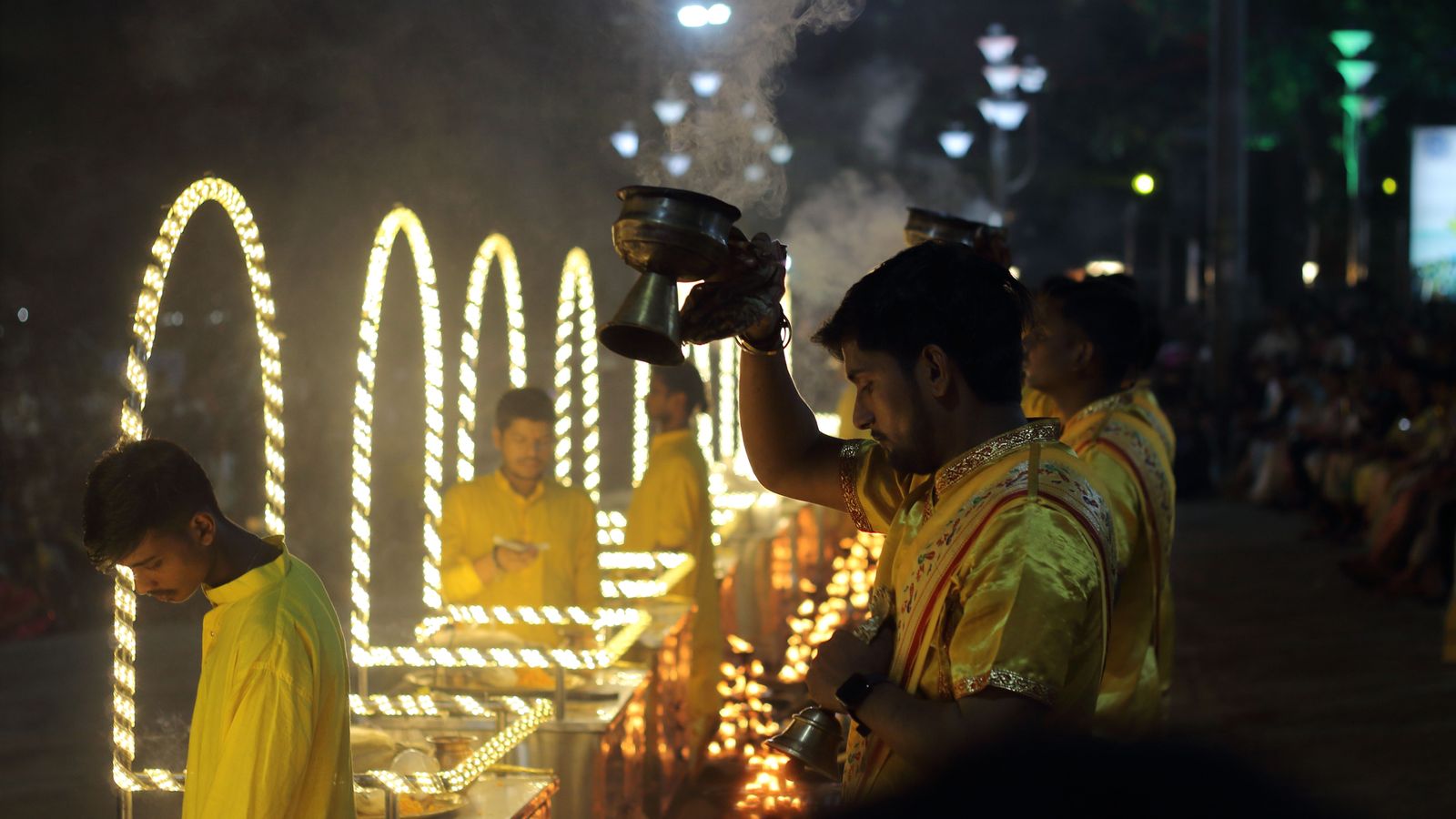
Brahma Sarovar. A huge rectangular tank ringed by ghats and temples, said to be where Brahma began creation. It is the focus of pilgrimage on solar eclipses and on Somvati Amavasya, when lakhs bathe here, and the backdrop for the evening aarti during the International Gita Mahotsav.
Sannihit Sarovar. A short drive away, believed to be the meeting point of seven sacred rivers. Families perform shraddh and pind daan rituals here, and the priests will guide you through them.
Jyotisar. About 10 km from the town centre, an ancient banyan tree marks the spot where tradition says the Gita was delivered. A marble chariot tableau stands beside it, and an evening light-and-sound show retells the story. It is the most atmospheric stop at dusk.
Bhadrakali Temple. One of the Shakti Peethas, associated with the fall of Sati's ankle; the Pandavas are said to have prayed here before the war. Devotees offer small clay or metal horses.
Sri Krishna Museum and Kurukshetra Panorama and Science Centre. The museum holds sculpture, manuscripts and art on Krishna themes; the panorama recreates the battlefield in a 360-degree painting. Both are good with children.
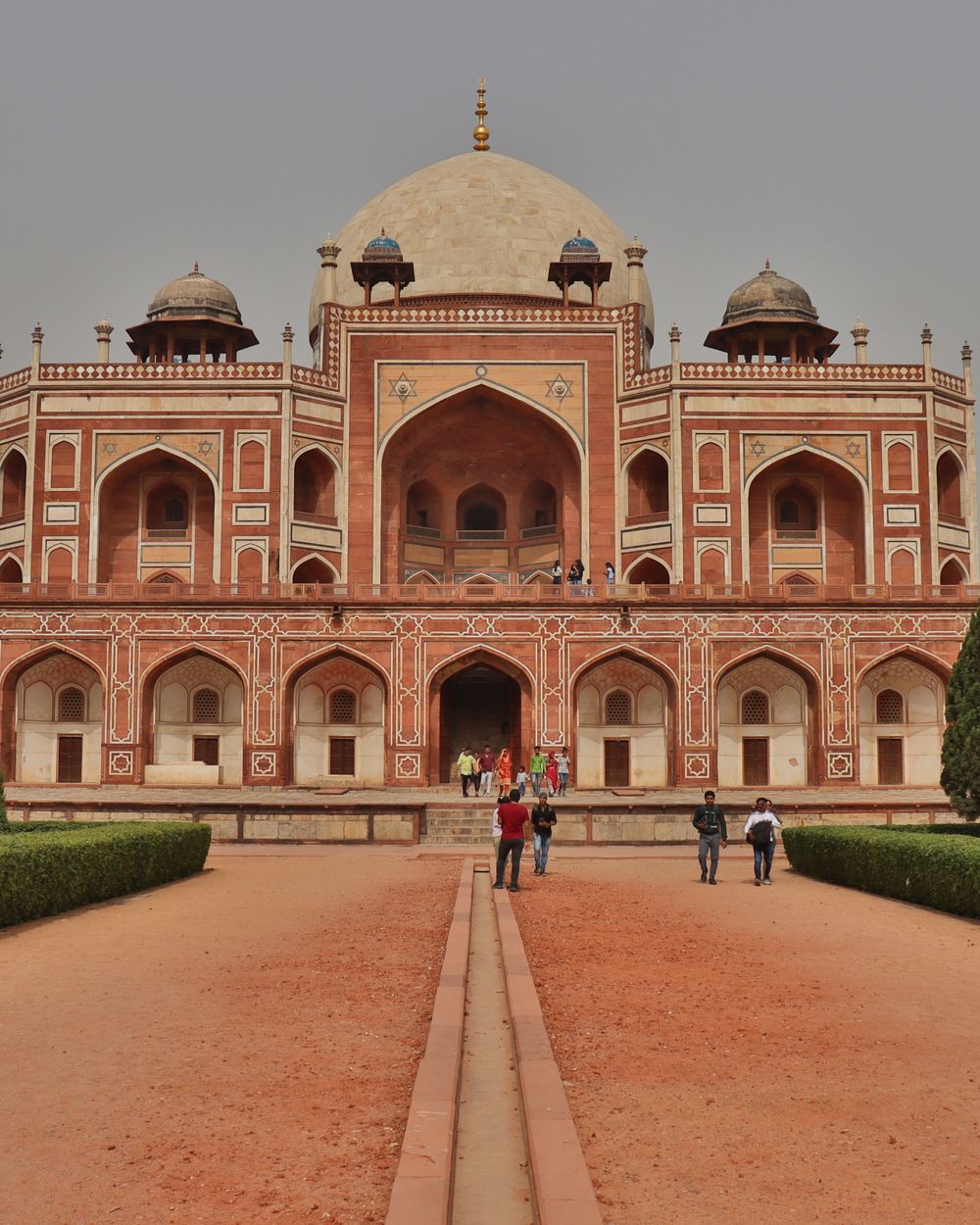
Sheikh Chehli's Tomb, Thanesar. An elegant Mughal tomb of buff sandstone and white marble with a madrasa beside it, maintained by the Archaeological Survey of India. The adjoining mound of Harsh ka Tila preserves remains of the old city. Protected-site rules and ticketing are listed on the ASI website.
Ban Ganga (Bhishma Kund) at Narkatari. Where Arjuna is said to have shot an arrow into the ground to bring water to Bhishma on his bed of arrows.
The 48 kos parikrama. Beyond the town, dozens of smaller tirthas are scattered through villages across Kurukshetra, Kaithal, Karnal, Jind and Panipat districts, each linked to a story from the epic or the Puranas. Serious pilgrims spend two or three days visiting a selection of them. Village lanes are narrow and poorly signposted, which is exactly where a chauffeur who asks locally for directions earns his keep; tell us in advance which tirthas matter to your family and we will plan the loop so that you are not backtracking across the district.
Food in town. Kurukshetra is largely vegetarian around the sacred sites. Simple thalis, kachori and lassi are easy to find near Brahma Sarovar, and the highway restaurants at Pipli and Karnal are convenient for lunch on the way back. Carry water on summer afternoons.
The district administration maintains a guide to these tirthas on the Kurukshetra district website, useful for checking festival dates and timings.
The drive: NH44 and the turn at Pipli
The route is the Delhi to Chandigarh highway for most of the way, which means fast, wide and well supplied with food.
- Delhi to Murthal (about 50 km). Out through Mukarba Chowk and the Singhu border. A dawn start avoids the morning truck queue.
- Panipat (about 90 km). The site of three famous battles; the Panipat Museum is a worthwhile add-on if history is your theme.
- Karnal (about 125 km). Good highway restaurants and fuel. The lake at Karnal is a pleasant tea stop.
- Pipli (about 155 km). Leave NH44 here for Kurukshetra town, about 8 km west. Jyotisar lies further out on the Pehowa road.
Allow three hours each way at a relaxed pace, longer on Sunday evenings when the whole of Haryana seems to be heading back to Delhi. Tolls are billed at actual and FASTag is fitted on every car. From Chandigarh the trip is shorter, about 90 km via Ambala and Shahbad, and a one-way sedan costs Rs 3,750 Pay Now to Reserve, the Chandigarh minimum fare; our Chandigarh by road guide covers the Tricity end.
When to visit: seasons, eclipses and Gita Mahotsav
October to March is the comfortable window, with cool days and golden light on the sarovars. The highlight is the International Gita Mahotsav, centred on Gita Jayanti (usually late November or December), when the ghats of Brahma Sarovar fill with craft stalls, cultural programmes, a Gita recitation and a spectacular evening deepotsav. Traffic management during the festival means drop-offs at designated points and a walk to the tank.
Solar eclipses bring the biggest crowds in the town's calendar; if an eclipse falls on your dates, expect road diversions and book well ahead. Summer from April to June is very hot on the open ghats, so plan temple visits for early morning and late afternoon. The monsoon is humid but green, and the tanks are at their fullest.
Winter fog is the practical constraint: December and January mornings on NH44 can be very slow, and we will suggest a later start if visibility is poor.
Chauffeured options and fares from RutzIndia.com
We tailor the car to the purpose: a quiet family visit for rituals, a school or college group, or a pilgrimage circuit that continues to Haridwar or the hills.
- Same-day return from Delhi with the car waiting throughout. This is the most popular format.
- One-way drop to Kurukshetra, useful if you are continuing by train or joining family.
- Pilgrimage circuit combining Kurukshetra with Pehowa, Haridwar and Rishikesh; see pilgrimage taxi for multi-stop yatras and Haridwar by road for the next leg.
- Groups in a Tempo Traveller, Urbania or mini bus; Tempo Traveller hire in Delhi lists the seat options.
- Airport pickup at Delhi IGI with a name board, flight tracking and 60 minutes free waiting after international arrivals (30 after domestic), then straight up NH44.
| Vehicle | Per km | Delhi to Kurukshetra one way (165 km) | Same-day return (330 km) | Chandigarh to Kurukshetra one way (90 km, minimum fare applies) |
|---|---|---|---|---|
| Sedan (Dzire class) | Rs 36 | Rs 5,940 Pay Now to Reserve | Rs 11,880 Pay Now to Reserve | Rs 3,750 Pay Now to Reserve |
| Ertiga / Carens | Rs 42 | Rs 6,930 Pay Now to Reserve | Rs 13,860 Pay Now to Reserve | Rs 4,710 Pay Now to Reserve |
| Innova Crysta | Rs 57.6 | Rs 9,410 Pay Now to Reserve | Rs 18,810 Pay Now to Reserve | Rs 6,570 Pay Now to Reserve |
| Tempo Traveller | Rs 78 | Rs 12,870 Pay Now to Reserve | Rs 25,740 Pay Now to Reserve | Rs 10,200 Pay Now to Reserve |
| Mini bus (up to 35) | Rs 130 | Rs 23,100 Pay Now to Reserve (minimum fare applies) | Rs 44,550 Pay Now to Reserve | Rs 21,960 Pay Now to Reserve |
Fares shown exclude 5% GST. Tolls, parking and any state permits are charged at actual; if you stay overnight a driver night allowance of Rs 1,500 applies, and round trips are billed on at least 250 km per calendar day. Our cars are all within four model years. Book online and pay by card or UPI; institutions and companies receive GST invoices. Cancelling is free more than 72 hours ahead, with 10% retained inside 72 hours, 50% inside 48 hours and 100% inside 24 hours or on a no-show; see the cancellation policy.
Book a Delhi to Kurukshetra cab

Itineraries: one day or two
One day from Delhi (about 350 km including local running). 6 am departure, breakfast at Murthal, Brahma Sarovar and Sannihit Sarovar by 10 am, Bhadrakali Temple, lunch, the Sri Krishna Museum and Panorama in the afternoon, Jyotisar for sunset and the light-and-sound show, back in Delhi around 11 pm. Long, but very doable with a driver.
Two days (about 400 km). Day 1 as above but without the rush, overnight in Kurukshetra. Day 2 morning at Sheikh Chehli's Tomb and Harsh ka Tila, then Ban Ganga at Narkatari and the ancient town of Pehowa (about 25 km) on the Saraswati, before driving back to Delhi or on to Chandigarh.
Three days, the northern arc. Add Chandigarh and Anandpur Sahib after Kurukshetra, returning via NH44; see Anandpur Sahib by road.
Tips before you go
- Rituals. If you plan pind daan or shraddh at Sannihit Sarovar, fix a priest in advance or ask at the ghat office; carry the family details you will need.
- Dress and footwear. Modest dress in temples; shoes off at the tanks. Ghats are hot underfoot by midday in summer.
- Parking. Organised lots at Brahma Sarovar and Jyotisar; charges are billed at actual. During the Gita Mahotsav cars are held at the edge of the mela area.
- Timings. The light-and-sound show at Jyotisar runs in the evening and can be suspended in rain; museums close one day a week. Haryana's festival listings appear on Haryana Tourism.
- Cash and change. Small notes are handy for prasad, boat rides on the sarovar and donations at the smaller tirthas, where digital payment is not always accepted.
- Heading onward. Kurukshetra sits on the Delhi to Chandigarh taxi route, so you can easily add it as a half-day stop on the way to the hills.