How do I get to Kolhapur by road from Pune?
Kolhapur is about 230 km from Pune, typically 4.5 hours by car on the NH48 highway through Satara and Karad. A RutzIndia.com sedan costs Rs 8,280 Pay Now to Reserve one way and an Innova Crysta Rs 13,110 Pay Now to Reserve, before 5% GST, with highway tolls and parking at actual cost. From Mumbai it is about 375 km, roughly 7 hours.
Kolhapur is one of those cities that Maharashtrians speak of with a particular warmth. It is the home of Ambabai, the goddess Mahalaxmi, whose temple is one of the Shakti Peethas and draws pilgrims from across the country. It was the capital of a princely state whose ruler, Chhatrapati Shahu Maharaj, became one of India's great social reformers in the early twentieth century. It is the town of the Kolhapuri chappal, of wrestling akhadas called talims, of jaggery, of fiery mutton curries, and of a proud, plain-spoken culture all its own.
It is also a comfortable long drive from Pune on one of India's busiest and best-maintained highways, and a natural hub for trips to the fort at Panhala, the hill temple of Jyotiba, the Konkan coast and even Goa. A chauffeur-driven car lets you make the most of all of it. Below: what to see, the road, the seasons and festivals, our services and fares, and a suggested plan.
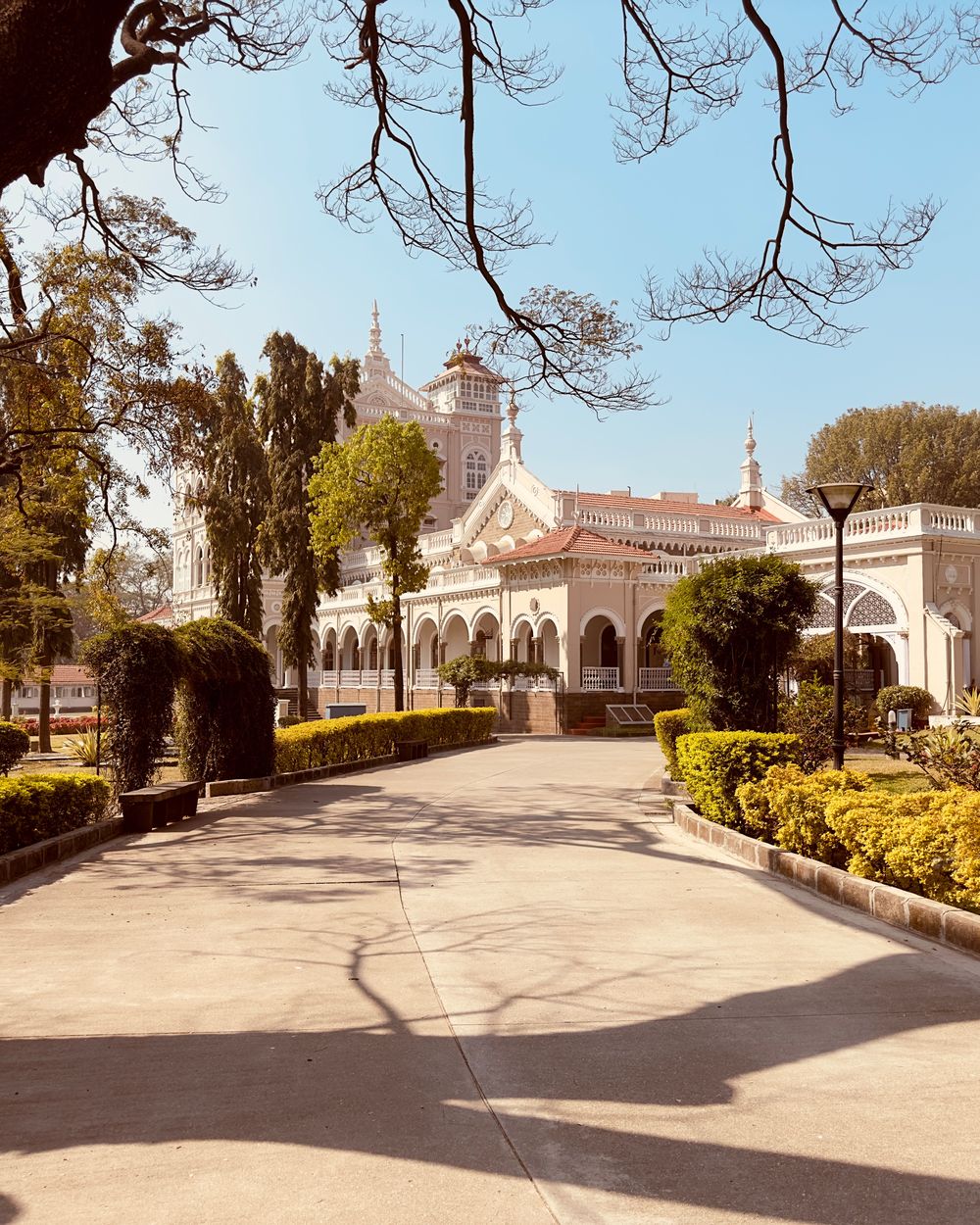
The city and its temples
Shri Mahalaxmi (Ambabai) Temple. The heart of Kolhapur, a black-stone temple of great antiquity in the old city, with intricately carved walls and a constant stream of devotees. The goddess's image faces west, and on a few evenings each year, in November and again around late January and early February, the setting sun's rays fall on the deity, an event celebrated as Kiranotsav. Navratri is the grandest festival here, with the goddess taken out in procession and the city lit up. Darshan timings and temple notices are posted on the Shri Mahalaxmi Kolhapur website.
New Palace. The residence of the Kolhapur royal family, built in the late nineteenth century in a striking blend of styles, with a museum displaying the Chhatrapatis' arms, costumes, portraits and memorabilia of Shahu Maharaj.
Rankala Lake. A large lake on the city's western edge, with a promenade, food stalls and chowpatty-style evenings. Sunsets here are a local ritual.
Bhavani Mandap and the old palace area, along with the markets of Mahadwar Road for Kolhapuri chappals, silver jewellery and saaj necklaces.
Kushti talims. Kolhapur is a centre of traditional Indian wrestling. Some talims, such as the historic Motibag talim, welcome respectful visitors to watch morning training; ask locally before you go.
Beyond the city: Panhala, Jyotiba and more
- Panhala Fort (about 20 km). One of the largest forts in the Deccan, spread across a ridge of the Sahyadri. It is closely tied to the story of Chhatrapati Shivaji Maharaj's escape from the siege of 1660 and the stand of Baji Prabhu Deshpande at Pavankhind. Cars drive up into the fort area; the ramparts, granaries and gateways are atmospheric, and the ridge is cool and breezy.
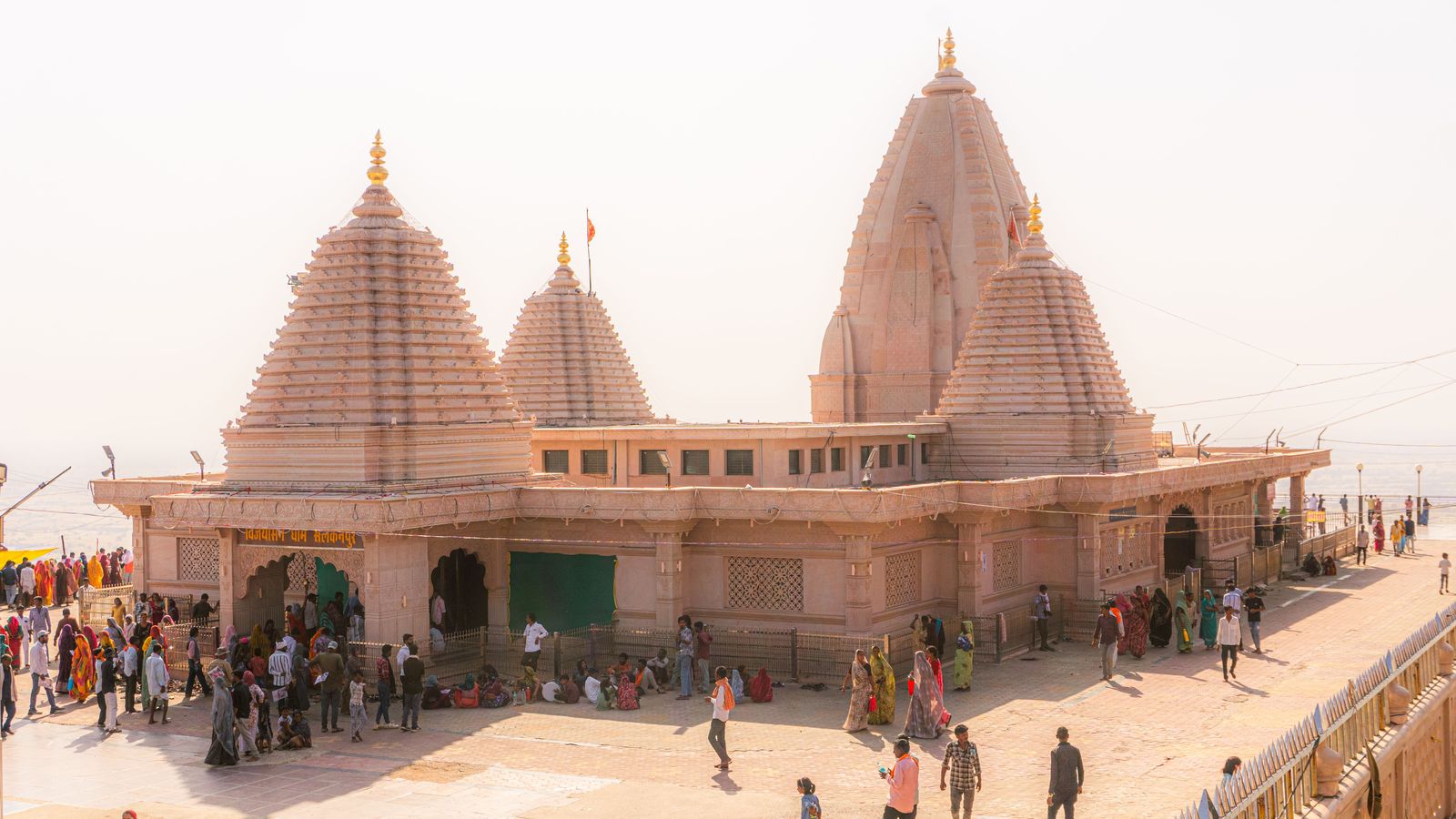
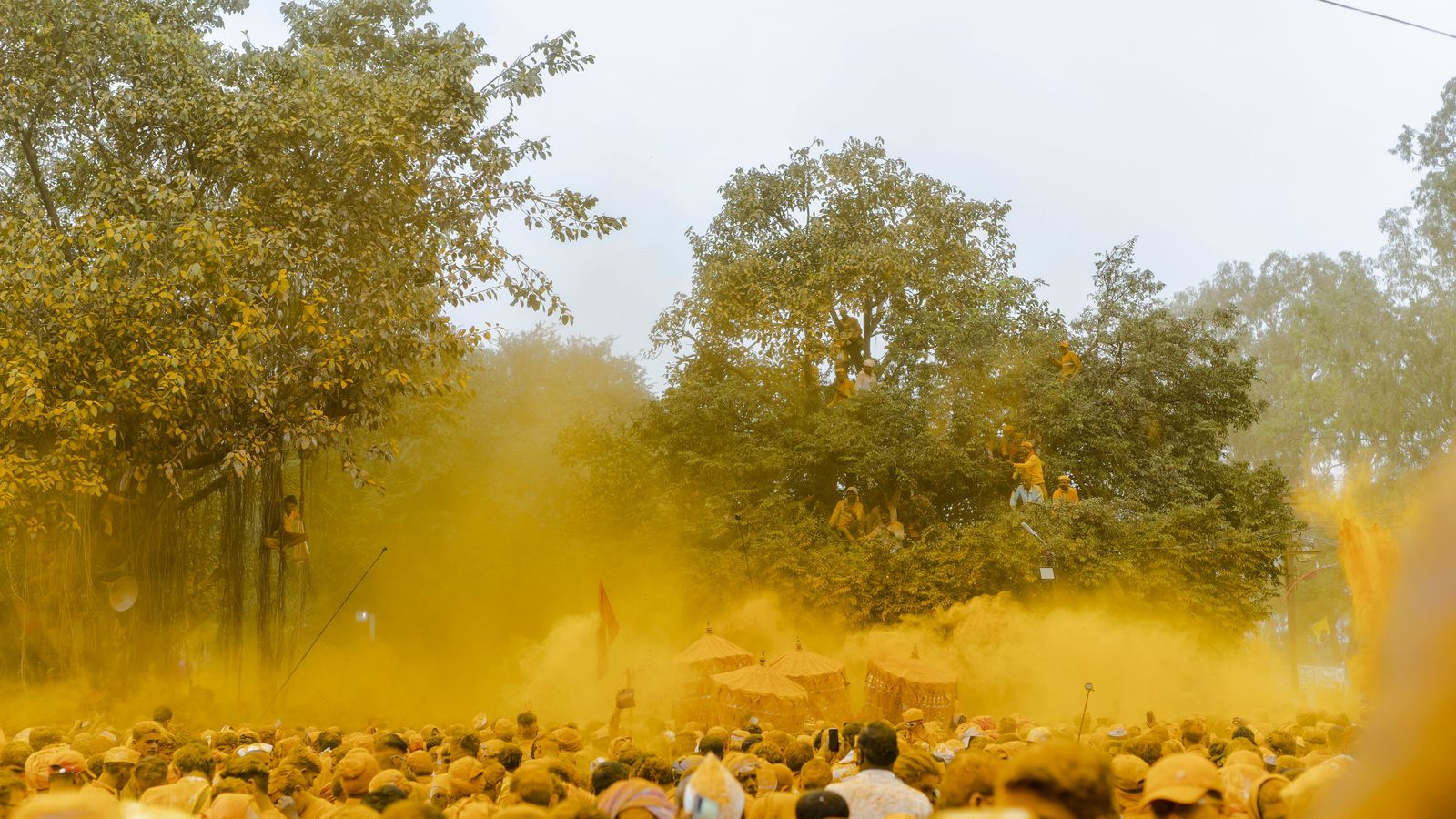
- Jyotiba Temple (about 18 km). On a hill at Wadi Ratnagiri, the temple of Jyotiba (a form of Shiva) is famous for the pink gulal thrown by pilgrims, which colours the whole hilltop during the Chaitra Purnima yatra in spring.
- Siddhagiri Gramjivan Museum at Kaneri (about 15 km). A large open-air museum of life-size sculptures depicting traditional village life, popular with families.
- Narsobawadi (about 45 km). A revered Datta shrine at the confluence of the Krishna and Panchganga rivers.
For district information, including festivals, the Kolhapur district administration publishes official notices and tourism details.
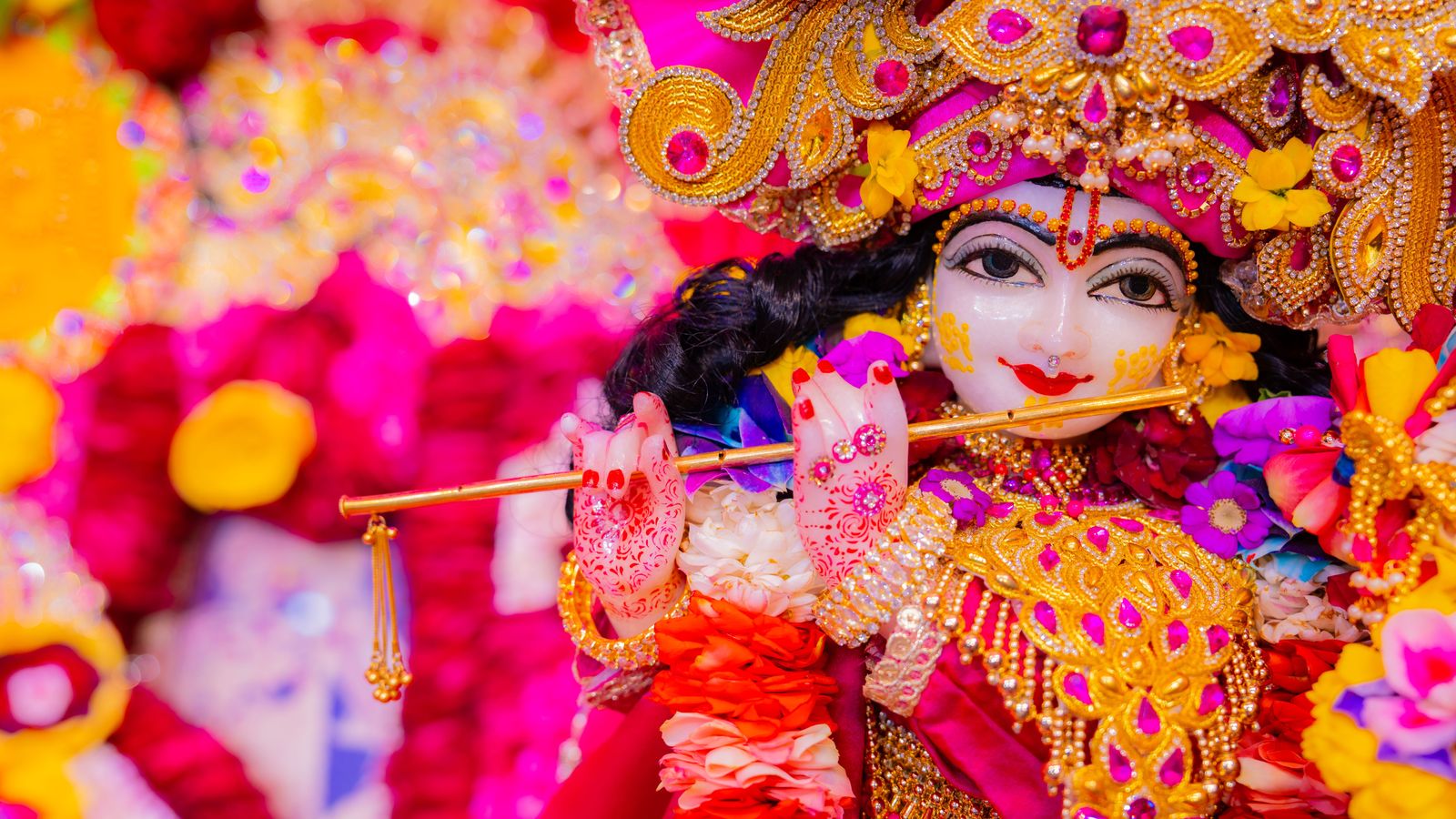
Food is half the reason to go
Kolhapur's cooking is famous and famously spicy. Try:
- Tambda rassa and pandhra rassa, the red and white mutton broths that come with a Kolhapuri mutton thali. The red is hot with the local masala; the white is milder, with coconut and whole spices.
- Kolhapuri misal, a fiery sprouted-bean curry topped with farsan, eaten with pav for breakfast.
- Jaggery and sugarcane. Kolhapur is among India's major jaggery markets. Buy blocks to take home.
- Kolhapuri lassi and dudh katta, thick sweet milk drinks, as an antidote to the chilli.
Your driver will know which family-run messes the locals queue at. Vegetarians are well catered for with bhakri, pithla, zunka and thecha.
The road: NH48 through Satara and Karad
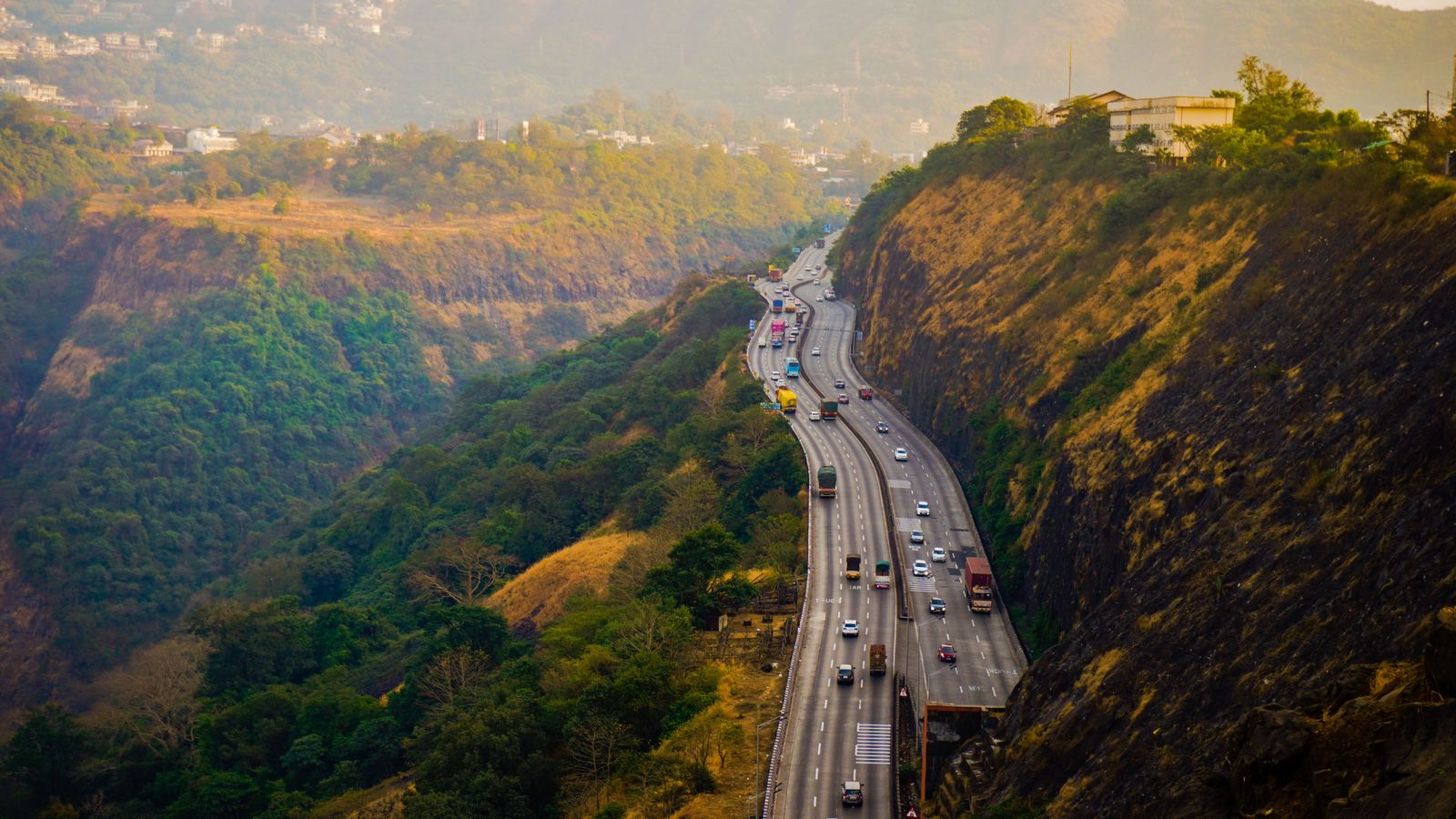
The drive from Pune is straightforward. Your driver leaves through the Katraj tunnel onto NH48, passes the Khed Shivapur toll, crosses the Khambatki Ghat (through the tunnel southbound), and then runs through the Krishna valley past Satara, Umbraj and Karad, where the Koyna and Krishna meet. The highway is a busy multi-lane road with several toll plazas, all of which are added to your invoice at actual cost. There are good food stops at Satara and Karad; the sugarcane-juice stalls along the way are a seasonal treat.
Allow 4.5 hours in normal traffic. Heavy trucks and a few town sections slow things down, and the Pune exit through Katraj is congested on weekday mornings.
From Mumbai (about 375 km). Expressway to Pune, then the same NH48 run south. Plan on seven hours with breaks; a one-way sedan is about Rs 13,500 Pay Now to Reserve and an Innova about Rs 21,370 Pay Now to Reserve.
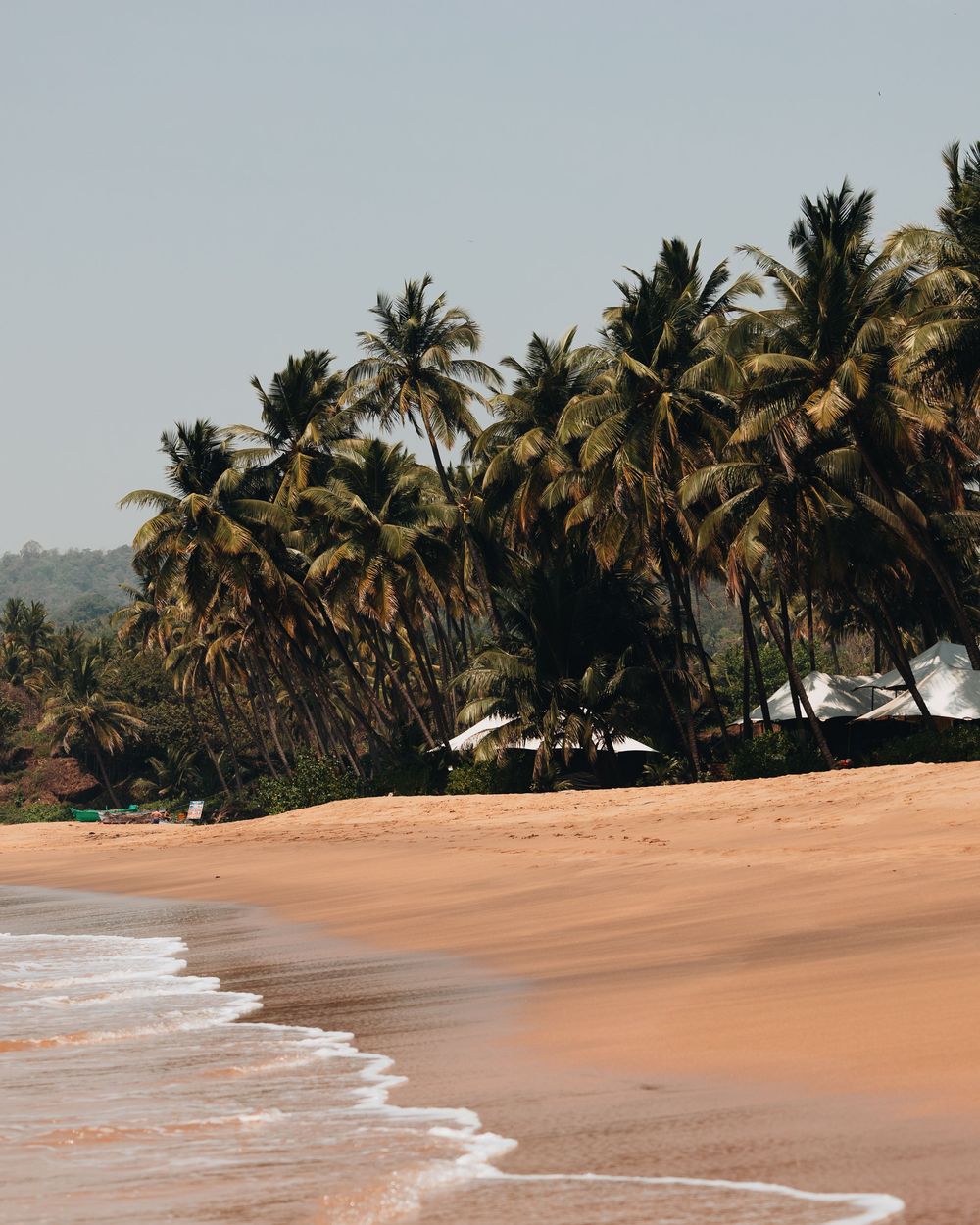
Onward journeys. From Kolhapur, the Amba Ghat leads west to Ratnagiri and the Konkan beaches (see our Ganpatipule guide), and the road south via Belagavi or the Amboli Ghat reaches Goa in five to six hours. Our Goa taxi service handles the other end of that journey.
By air. Kolhapur's airport at Ujalaiwadi has domestic flights. We meet arrivals with a name board and flight tracking and allow 30 minutes' free waiting after domestic landings.
When to go
- October to February is ideal: dry, pleasant days and cool evenings, and the Navratri festival usually falls in late September or October.
- March to May is hot in the city, though Panhala stays breezy.
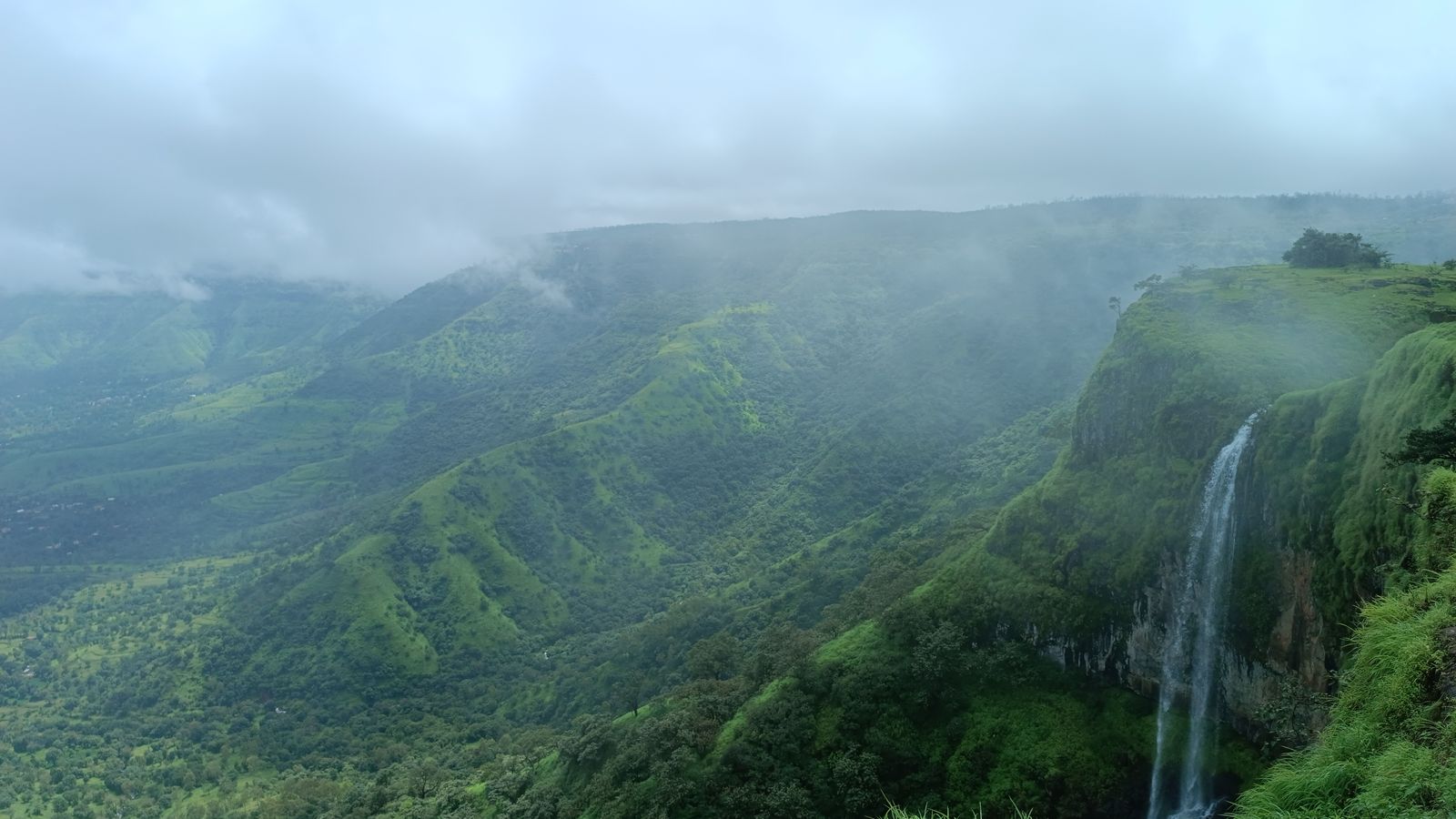
- June to September brings heavy rain to the Sahyadri west of the city; Panhala and Amba Ghat are lush and misty. The Panchganga river can flood the low-lying parts of the city in years of extreme rain, so watch the news.
Our Kolhapur services and fares
RutzIndia.com offers Kolhapur as a one-way transfer from Pune or Mumbai, a two- or three-day pilgrimage including Jyotiba and Narsobawadi, a Panhala-and-temples sightseeing day from the city, or part of a longer circuit to Mahabaleshwar, the Konkan or Goa. All cars are within four model years.
| Pune and Kolhapur | Dzire sedan | Ertiga | Innova Crysta | Tempo Traveller |
|---|---|---|---|---|
| One way (about 230 km) | Rs 8,280 Pay Now to Reserve | Rs 9,660 Pay Now to Reserve | Rs 13,110 Pay Now to Reserve | Rs 17,940 Pay Now to Reserve |
| Same-day return (about 460 km) | Rs 16,560 Pay Now to Reserve | Rs 19,320 Pay Now to Reserve | Rs 26,220 Pay Now to Reserve | Rs 35,880 Pay Now to Reserve |
| Two days with Panhala and Jyotiba (500 km minimum) | Rs 18,000 Pay Now to Reserve | Rs 21,000 Pay Now to Reserve | Rs 28,500 Pay Now to Reserve | Rs 39,000 Pay Now to Reserve |
| Three days incl. local sightseeing (750 km minimum) | Rs 27,000 Pay Now to Reserve | Rs 31,500 Pay Now to Reserve | Rs 42,750 Pay Now to Reserve | Rs 58,500 Pay Now to Reserve |
Fares are before 5% GST. Tolls on NH48, temple and fort parking, and the driver night allowance of Rs 1,500 per night are billed at actual cost. Round trips are charged on the greater of actual kilometres or 250 km per calendar day. Pilgrimage groups can combine Kolhapur with other shrines through our pilgrimage taxi service.
Cancellation costs nothing more than 72 hours before pickup. Within 72 hours the charge is 10%, within 48 hours 50%, and within 24 hours or for a no-show the full fare, per our cancellation policy. Book online and pay by card or UPI.
Business trips, weddings and groups
Kolhapur is not only a pilgrim city. Its industrial estates at Shiroli and Gokul Shirgaon are home to a large foundry and engineering cluster supplying the automotive industry, and sugar cooperatives across the district make it one of the richest agricultural regions of the state. Engineers, buyers and auditors visit constantly, usually on a same-day or overnight trip from Pune. We handle these with sedans or Innovas, GST invoices and, if you need it, monthly billing through our corporate car rental desk.
Weddings in Kolhapur are big, joyful affairs, and guests often travel down from Pune and Mumbai together. For groups of 12 to 26, a Tempo Traveller keeps the family on one schedule; the Pune tempo traveller page shows the layouts. On the way home, a coastal detour via the Amba Ghat to Ratnagiri, or further south to the Sindhudurg beaches covered in our Tarkarli guide, turns a family function into a short holiday.
Three days in and around Kolhapur
Day 1: Pune to Kolhapur (about 240 km). Leave by 7 am, breakfast in Satara, reach Kolhapur by lunchtime for a Kolhapuri thali. Evening darshan at the Mahalaxmi temple and a walk on Mahadwar Road; sunset at Rankala.
Day 2: Panhala and Jyotiba (about 80 km). Morning at Panhala fort while it is cool, lunch on the ridge, then Jyotiba temple in the afternoon. New Palace museum on the way back if time allows.
Day 3: Kaneri and home (about 260 km). Early visit to the Siddhagiri museum, then back to Pune on NH48 by evening. Alternatively, continue west to the coast or south to Goa.
Tips before you travel
- Temple timings and queues: weekends, Fridays and Navratri are busiest; go early morning.
- Dress: modest clothing for the temple; bags and phones may be restricted in the inner areas.
- Chappals: buy from established shops, and try them on; genuine Kolhapuris take a few days to soften.
- Spice levels: ask for less masala if you are not used to it. Nobody will be offended.
- Highway safety: NH48 is fast and truck-heavy; our drivers keep to lane discipline and avoid night driving where they can.
For your Pune pickups and local hire, see the Pune taxi service, and for any other long drive across the state, our outstation cabs.