How to reach Sanchi Stupa from Bhopal by road
Sanchi is about 46 km north-east of Bhopal on the Bhopal-Vidisha highway, typically a one-hour drive. RutzIndia.com charges Rs 3,960 Pay Now to Reserve one way in a sedan and Rs 6,930 Pay Now to Reserve in an Innova Crysta, the minimum fare for each class, before 5% GST. A full day covering Sanchi, the Udayagiri caves and Vidisha, about 120 km, is Rs 8,640 Pay Now to Reserve by sedan on our 8-hour package plus extra kilometres.
Sanchi is small, quiet and easy to underestimate. There is no town to speak of, just a railway halt, a few guesthouses, a museum and a low hill with a cluster of domed stupas, temples and monastery foundations on top. Yet the Great Stupa here, begun under the emperor Ashoka in the third century BCE and later enlarged and gated, is among the oldest stone structures in India, and its four carved gateways are some of the finest early Indian sculpture anywhere. The monuments of Sanchi were inscribed on the UNESCO World Heritage list in 1989.
For most visitors, Sanchi is a morning or a day out from Bhopal, often combined with the Gupta-era caves at Udayagiri and the ancient town of Vidisha a few kilometres further. A car with a driver is the practical way to do it: public transport is sparse, the sights are spread over 15 km, and the best light on the gateways comes early. Buddhist pilgrims from Sri Lanka, Thailand, Japan and elsewhere, school and university groups, and heritage-minded families all make the trip. Our guide to Bhopal by road covers the base city and its airport.
What you will see on the Sanchi hill
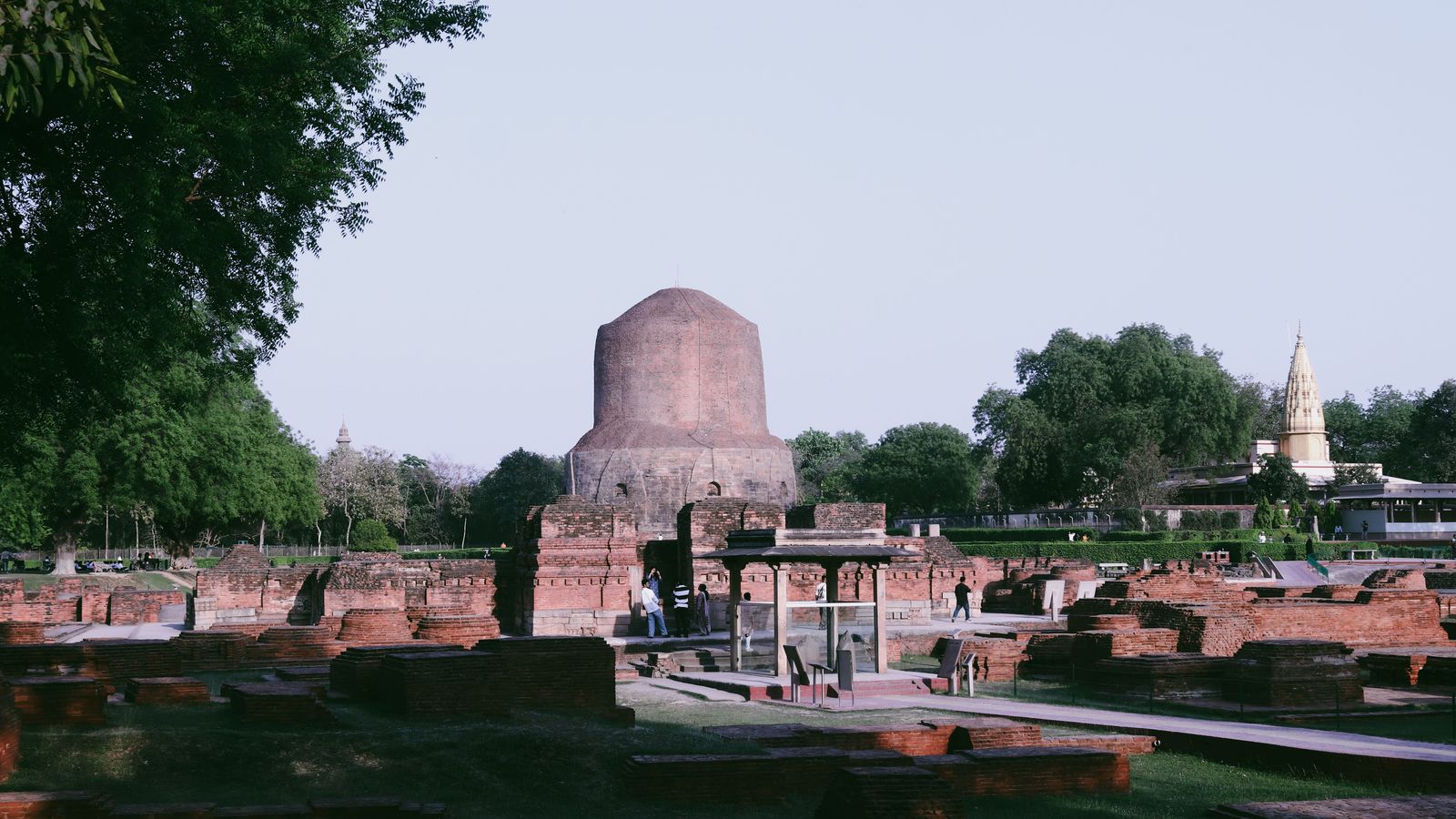
The Great Stupa (Stupa 1). The brick mound raised in Ashoka's time was later encased in stone, and railings and a processional path were added. Walk the ground-level path clockwise, as pilgrims do, and then climb to the upper terrace. The shape, a hemisphere with a square railing and a triple umbrella on top, became the model for stupas across Asia.
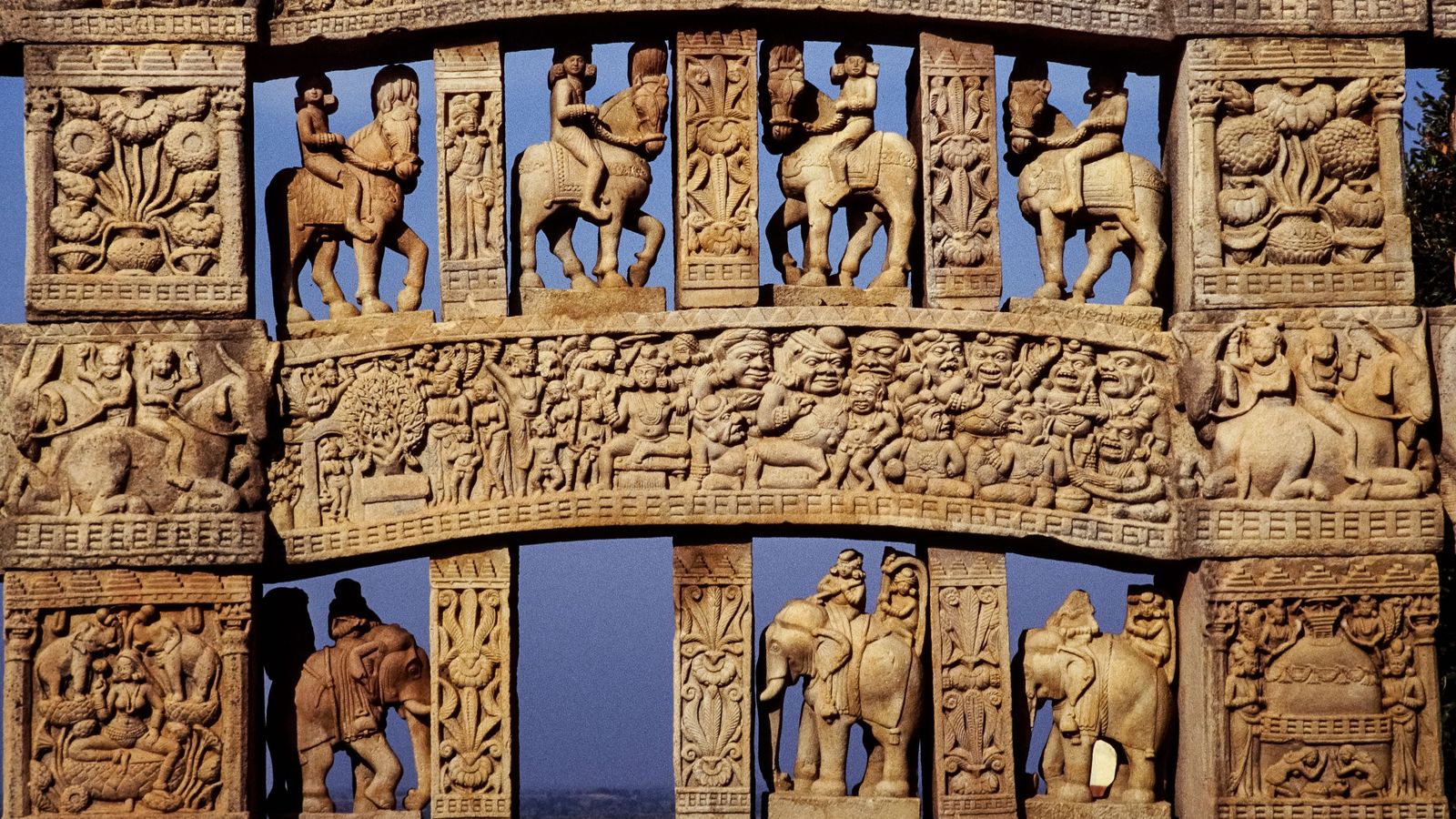
The four toranas. The gateways at the cardinal points, added around the first century BCE, are the reason to spend time here. Every surface is carved with scenes from the life of the Buddha and the Jataka tales of his previous births, yet the Buddha himself is never shown in human form: he appears as a tree, a wheel, footprints, an empty throne or a parasol. An inscription on the southern gateway records that it was carved by the ivory workers of nearby Vidisha, which explains the jeweller's detail. The east gateway's bracket figure of a yakshi leaning from a mango tree is one of the most photographed sculptures in India. Start with the north gateway, the best preserved of the four, where the long story of Prince Vessantara, who gave away everything he owned, unfolds across the architraves like a scroll; then walk round to the east gateway for the scenes of the Buddha's departure from his palace, and finish at the west gateway with the war over the Buddha's relics. A pair of binoculars, or the zoom on your phone, turns the upper panels from texture into narrative.
Stupas 2 and 3. Stupa 3, on the hill near the Great Stupa, is where nineteenth-century excavators found relic caskets of Sariputta and Mahamoggallana, two of the Buddha's chief disciples. The relics were taken to Britain and returned in the mid-twentieth century; they are now enshrined at the modern Chetiyagiri Vihara nearby and shown to the public at an annual festival in late November. Stupa 2 stands down the western slope with carved railings of its own.
Temple 17 and the monasteries. Temple 17, a flat-roofed Gupta shrine with a pillared porch, dates from around the early fifth century CE and is one of the earliest free-standing stone temples in India; its restraint is a lesson in proportion. Around it lie monastery courtyards, an apsidal temple and the stump of an Ashokan pillar.
The site museum. At the foot of the hill, the Archaeological Survey of India museum holds the lion capital of Sanchi's Ashokan pillar, sculptures and objects found in the excavations. ASI site museums typically keep a weekly closing day, so check before you plan around it. Ticket rates and timings for the monuments are on the Archaeological Survey of India website.
Vidisha, Udayagiri and the wider landscape. About 10 km away, Vidisha was a major city when Sanchi was being built. Its Heliodorus pillar, known locally as Khamba Baba, was raised around the late second century BCE by a Greek envoy who declared himself a devotee of Vasudeva. The Udayagiri caves just outside Vidisha are rock-cut Gupta shrines, famous for the colossal Varaha panel of Vishnu as the boar rescuing the earth. The Madhya Pradesh Tourism guide to Sanchi covers these and the smaller stupa sites nearby.
The road from Bhopal, and from further away
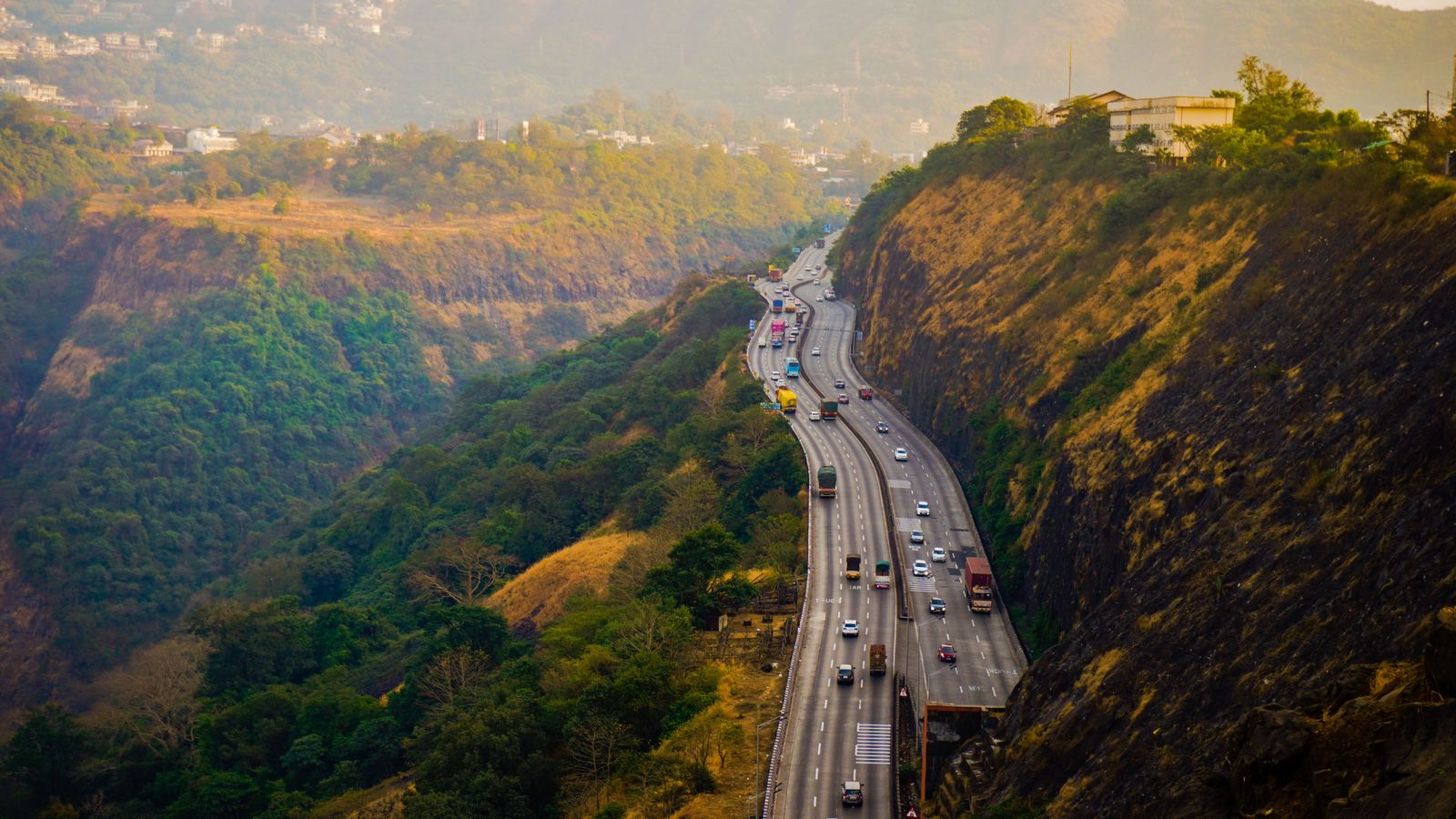
The drive leaves Bhopal eastwards past the old city and the Bhopal-Vidisha road junctions, then runs through farmland and low hills via Diwanganj to Sanchi. It is a good two-lane to four-lane road with light traffic once you are clear of the city; the slowest part is getting out of Bhopal at office hours. There are no ghats and no permits, and you arrive at the foot of the hill, where a road climbs to the monument parking.
Raisen, with its hilltop fort, is about 23 km from Sanchi by a separate road, and many guests loop back to Bhopal that way. Vidisha and Udayagiri lie a further 10-15 km north-east of Sanchi.
From Indore, Sanchi is about 240 km via Bhopal, a 4.5 to 5 hour drive. From Bhopal's Raja Bhoj airport, on the north-west side of the city, it is about 55 km. Pilgrims following a longer Buddhist circuit sometimes pair Sanchi with Sarnath and Bodh Gaya, flying between Bhopal and Varanasi.

Best time to visit, and the Chetiyagiri festival
October to March is the best time. The mornings are cool and clear, the light on the gateways is soft, and walking the hill is comfortable. The Chetiyagiri Vihara festival, when the relics of Sariputta and Mahamoggallana are displayed, is held in late November and draws monks and pilgrims from across Asia; the district administration of Raisen, under which Sanchi falls, publishes arrangements closer to the date. Buddha Purnima in April or May is another day of special observance.
April to June is hot and the hilltop has little shade, so arrive when the gates open and leave by 11. In the monsoon, from July to September, the countryside turns green and the stone takes on deeper colours after rain; the roads stay open.
Chauffeured services RutzIndia.com offers for Sanchi
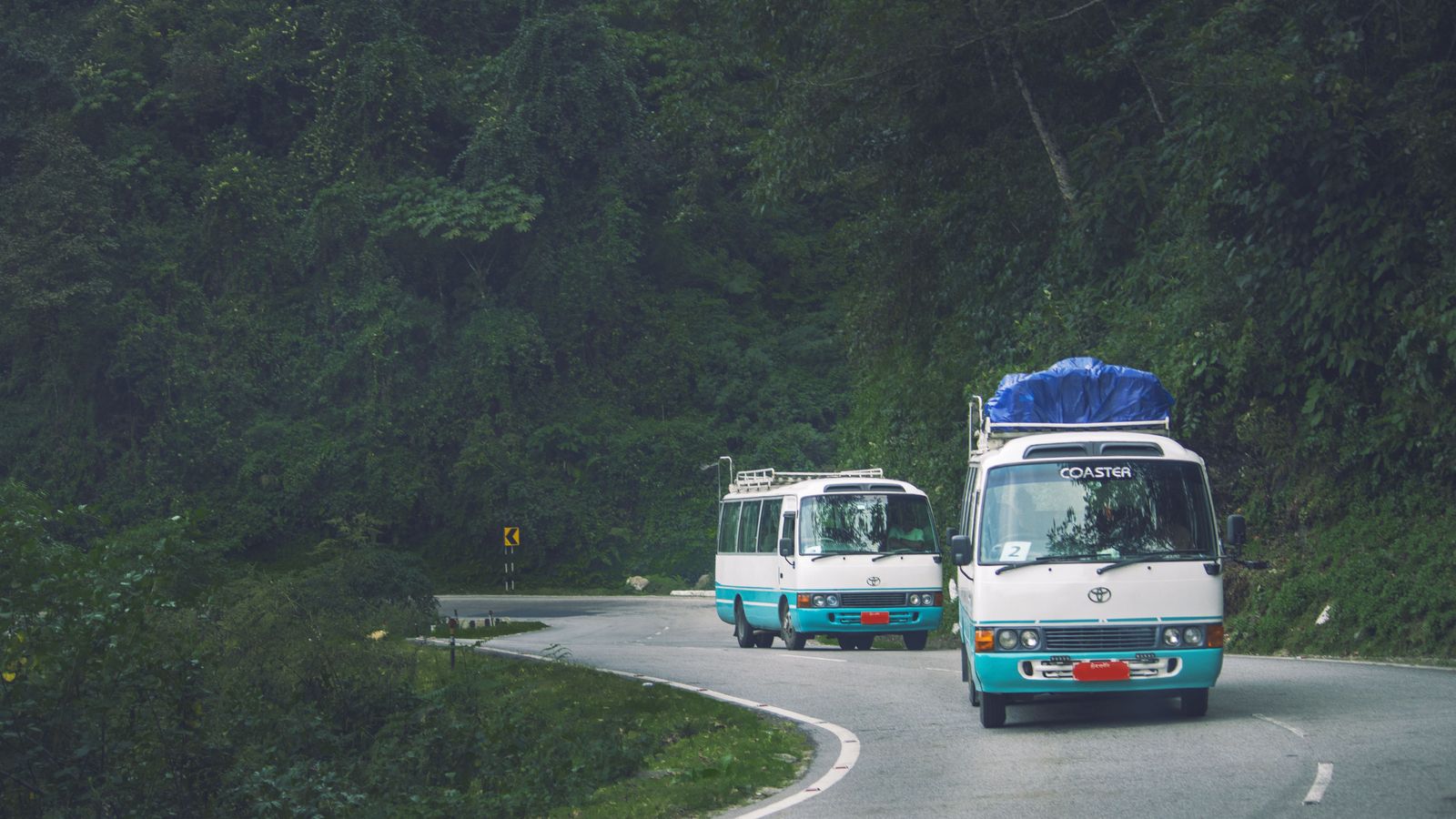
We run Sanchi as a one-way drop to a local guesthouse, a half-day or full-day return from Bhopal on the local package, a day that combines Sanchi with Bhimbetka and Bhojpur, and pickups from Bhopal airport or railway station straight to the stupas. For monastic and pilgrim groups we provide Tempo Travellers and, for larger parties, luxury coaches; see Tempo Traveller on rent. Our pilgrimage taxi page covers longer multi-faith circuits.
Airport pickups include flight tracking and a name board, with 30 minutes of free waiting for domestic arrivals and 60 minutes for international ones.
| Trip (from Bhopal) | Sedan (Dzire class) | Innova Crysta | Tempo Traveller |
|---|---|---|---|
| One way Bhopal to Sanchi, about 46 km (minimum fare applies) | Rs 3,960 Pay Now to Reserve | Rs 6,930 Pay Now to Reserve | Rs 10,740 Pay Now to Reserve |
| Sanchi + Udayagiri + Vidisha day, about 120 km (8 hr package + 40 km) | Rs 8,640 Pay Now to Reserve | Rs 14,880 Pay Now to Reserve | Rs 22,620 Pay Now to Reserve |
| Sanchi + Bhimbetka + Bhojpur in one day, about 200 km (250 km minimum) | Rs 9,000 Pay Now to Reserve | Rs 14,250 Pay Now to Reserve | Rs 19,500 Pay Now to Reserve |
| One way Indore to Sanchi, about 240 km | Rs 8,640 Pay Now to Reserve | Rs 13,680 Pay Now to Reserve | Rs 18,720 Pay Now to Reserve |
| Bhopal airport transfer within 40 km | Rs 3,960 Pay Now to Reserve | Rs 6,930 Pay Now to Reserve | Rs 10,740 Pay Now to Reserve |
Fares do not include 5% GST. Tolls, parking and monument tickets are extra at actual cost, and multi-day hire includes a driver night allowance of Rs 1,500 per night. A 45-seat luxury coach for a large pilgrim group is quoted at Rs 210/km with a daily minimum. Payment is by card or UPI through the booker, and institutions receive GST invoices.
You can cancel without charge up to 72 hours before pickup. After that we retain 10% within 72 hours, 50% within 48 hours, and 100% within 24 hours or on a no-show; see the cancellation policy. For other long drives out of Bhopal, see outstation cabs.
A one-day and two-day plan with the car
One day: Sanchi, Udayagiri and Vidisha (about 120 km). Leave Bhopal at 7.30 am and be on the hill by 8.30, before tour groups arrive. Spend two hours on the Great Stupa, the gateways, Stupa 3 and Temple 17, then an hour in the museum. Drive to Vidisha for the Heliodorus pillar, lunch, and the Udayagiri caves in the afternoon. Return to Bhopal by 5 pm.
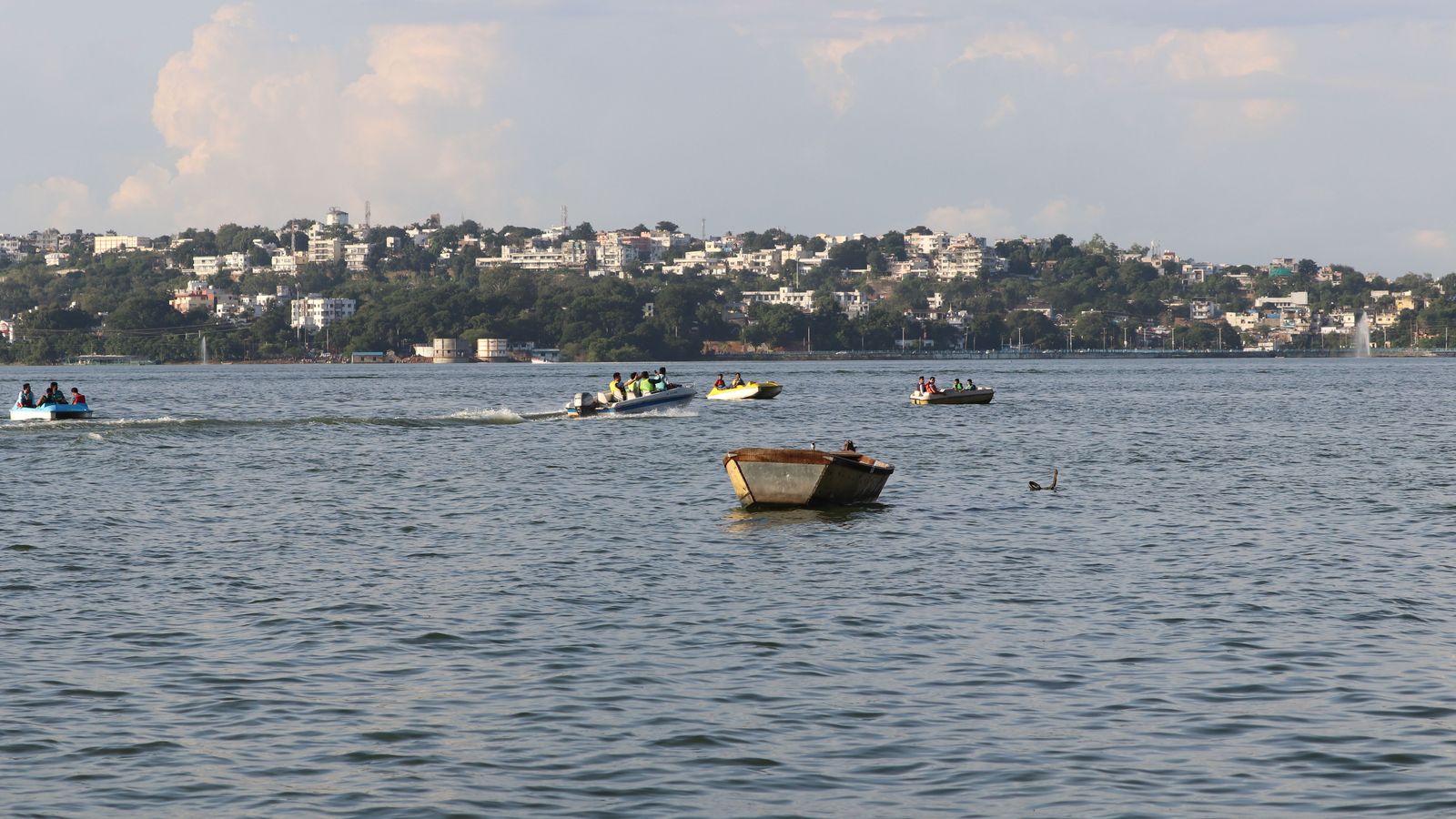
Two days: add Bhimbetka and Bhojpur (about 230 km over two days). Spend the first day as above. On the second morning drive south from Bhopal to the rock shelters of Bhimbetka and the giant lingam at Bhojpur, and be back in time for an evening flight or for the Upper Lake at sunset.
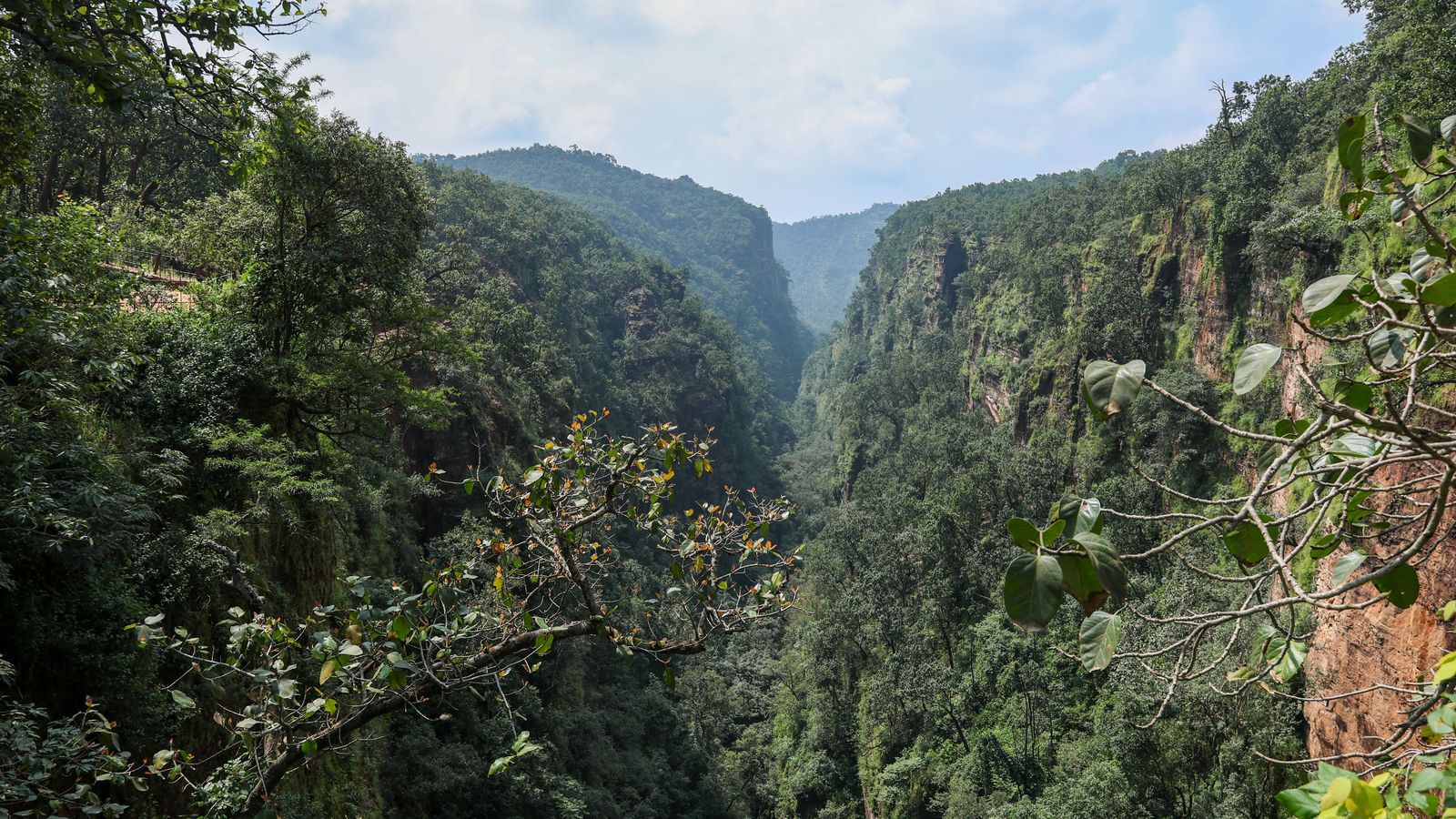
Three days or more. Continue from Bhopal to Pachmarhi in the Satpura hills for two nights, or turn north-east through Sagar towards the temples of Khajuraho, a long but scenic drive through Bundelkhand.
Practical tips for Sanchi
- Start early. Gates open in the morning and the hilltop gets hot by late morning for much of the year.
- Guides. Licensed guides at the entrance explain the gateway panels; without one, much of the storytelling is easy to miss.
- Parking. Cars can drive up close to the monuments; the parking fee is charged at actual cost.
- Respect. Sanchi is an active pilgrimage place; walk clockwise around the stupas, and keep voices low near monks at prayer.
- Food. Choices at Sanchi itself are limited to a few simple restaurants; Vidisha has more, or carry a packed lunch from Bhopal.
- Photography. Tripods and drones need prior permission from the ASI.
Sanchi asks for only a morning, but it gives back two thousand years of Indian art and faith on a single hill. Let the car bring you there early, before anyone else.