Kaziranga by road: how far, how long, how much?
Kaziranga's main gateway at Kohora is about 195 km from Guwahati, typically 4.5 to 5 hours on NH27 and NH715 via Nagaon. RutzIndia.com charges Rs 7,020 Pay Now to Reserve for a one-way sedan and Rs 11,110 Pay Now to Reserve for an Innova Crysta, before 5% GST. A three-day round trip from Guwahati, billed at 750 km, is Rs 27,000 Pay Now to Reserve by sedan.
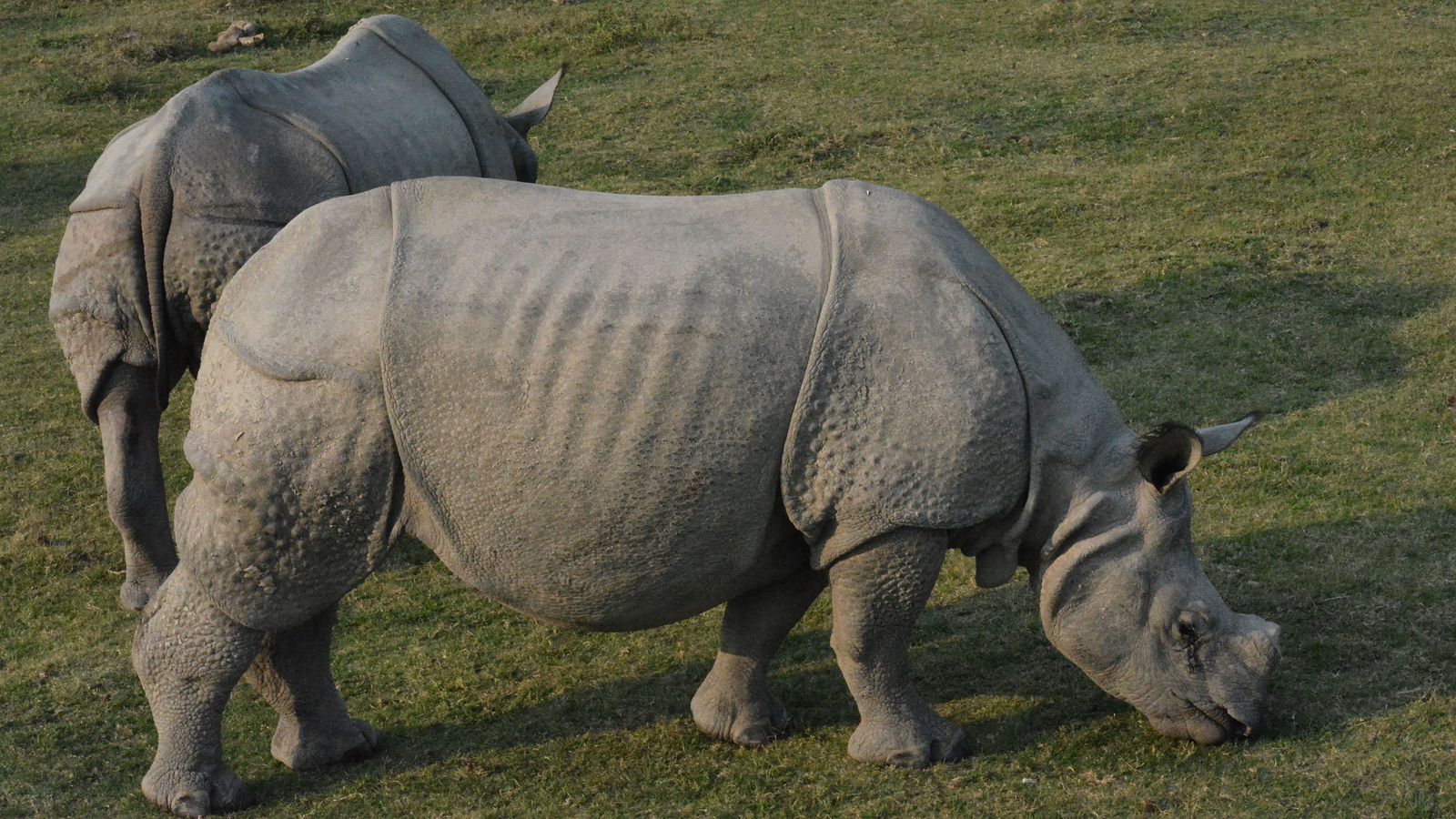
Kaziranga National Park is the great wildlife road trip of the North East. Spread along the south bank of the Brahmaputra in central Assam, its floodplain of grassland, swamp and patches of forest shelters the largest population of the greater one-horned rhinoceros anywhere, along with wild water buffalo, eastern swamp deer, herds of wild elephants and a dense population of tigers. It is a UNESCO World Heritage Site and a tiger reserve, and it is one of the few Indian parks where a rhino sighting on a morning safari is close to certain.
Getting there is refreshingly straightforward: there is no mountain pass, no permit to arrange for the road, and the highway is good for most of the way. What a chauffeur adds is timing (reaching Kohora before dark, being at the range gate for a dawn safari), knowledge of the speed-restricted animal corridors on the highway, and a car waiting for you between drives. This guide covers the route, the park's zones and season, fares and a three-day plan. You can book online with card or UPI.
What you will see in Kaziranga
The park is divided into ranges, each with its own gate and safari circuit:
- Central range (Kohora) is the busiest and most accessible, with open grassland, beels (shallow lakes) and the best odds for rhino and buffalo.
- Western range (Bagori) has the highest density of rhinos in some seasons and wide views over the grassland; many photographers prefer it.
- Eastern range (Agaratoli) is quieter, with large wetlands that are excellent for pelicans, storks and waterfowl.
- Burapahar range, in the far west, is hillier and wooded, with fewer vehicles.
Safaris are done by open jeep, in morning and afternoon slots, and by elephant back at dawn in the central and western ranges. Tigers live here in good numbers but the tall grass hides them; think of a tiger sighting as a bonus. Birders come for the Bengal florican, grey-headed fish eagle and swamp francolin, and for winter migrants on the beels.
Outside the park, walk through a tea estate near Kohora, visit the Kaziranga orchid and biodiversity park with its displays of native orchids and local rice varieties, and try Assamese food: a thali with khar, masor tenga (a tangy fish curry), pitika mashes and bamboo shoot dishes. Evenings in the resorts often include Bihu dance performances.
Beyond the park: gibbons and Majuli
If you have an extra day, drive east towards Jorhat. The Hollongapar Gibbon Sanctuary near Mariani, about two hours from Kohora, protects the hoolock gibbon, India's only ape, whose whooping calls carry through the forest in the early morning; walks are with forest guides. Further on, the ferry from Neamati ghat near Jorhat crosses the Brahmaputra to Majuli, one of the largest river islands in the world and the home of the Vaishnavite satras founded in the tradition of the saint Srimanta Sankardeva. The satras keep alive masked dance-dramas and mask making, and staying a night on the island is a gentle contrast to the jeeps and resorts of Kaziranga. Ferry timings depend on the river level, so let our desk check them before you commit to the day.
The road from Guwahati: NH27 and the NH715 corridor
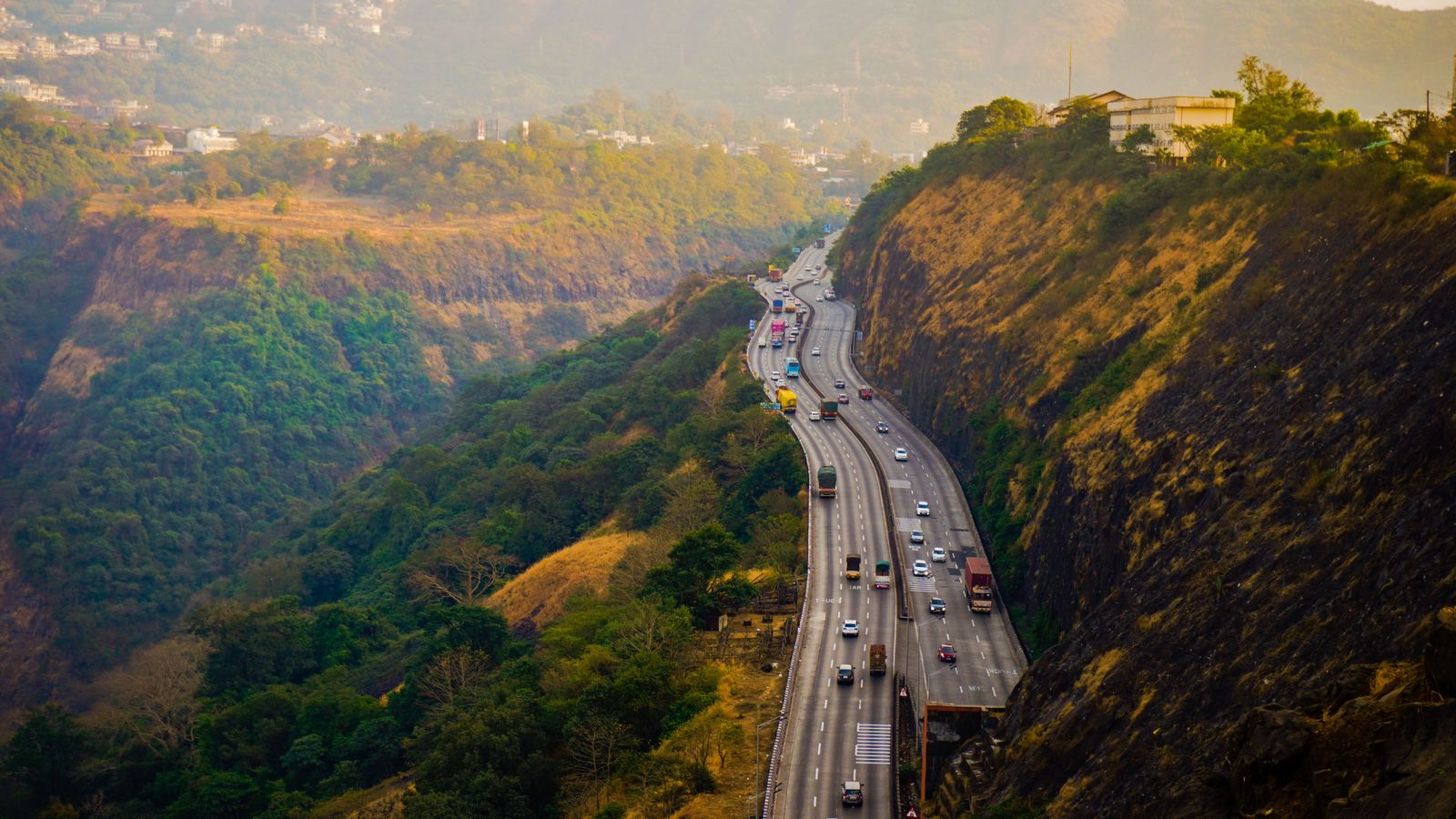
Leaving Guwahati, the car heads east past Jorabat and Sonapur on NH27, a four-lane highway through small towns, paddy fields and roadside dhabas. At the Nagaon bypass the road splits; your driver takes the eastern branch, NH715 (still widely called the old NH37), through Kaliabor and Jakhalabandha. From here the hills of Karbi Anglong rise to the right and the park's grassland opens on the left.
The last 60 km or so run along the park's southern boundary, and several stretches are designated animal corridors. During the monsoon floods rhinos, deer and elephants cross the highway to reach high ground in the Karbi hills, and the authorities enforce strict speed limits, sometimes with checks and fines for speeding. Our chauffeurs stick to the limits and will stop where it is safe if animals are near the road: sightings from the highway itself are common in winter.
Good halts include the dhabas around Nagaon for Assamese thalis and tea, and the Jakhalabandha stretch for fresh fish lunches. Traffic leaving Guwahati is heavy on weekday mornings, so a 7 am start usually puts you at Kohora by noon, in time to check in and take the afternoon jeep safari.
If you fly into Jorhat instead of Guwahati, Kohora is roughly 95 km away, about 2 hours by car. A sedan one way costs Rs 3,960 Pay Now to Reserve (minimum fare applies). Check flight availability on the Airports Authority of India site when planning.
When Kaziranga is open, and the best time to go
Kaziranga closes to tourists during the monsoon, when the Brahmaputra floods much of the park. It typically reopens in stages from October or November and stays open until around the end of April or early May, with exact dates announced each year by the park authorities. Check the official Assam Tourism page on Kaziranga before you book safaris.
November to February is the classic season: cool, dry days, short grass after burning, good visibility and winter birds on the lakes. Mornings are foggy and cold on the open jeeps, so carry a warm layer and a cap. March and April get hotter but the grass is short and animals gather near water, so sightings are excellent. Rongali Bihu, the Assamese new-year festival in mid-April, brings music and dancing to villages along the highway.
Christmas and New Year are the busiest weeks, when resorts and safari slots sell out. Plan at least a month ahead for late December, and remember that jeep safaris are booked separately from your car, through the park's official channels or your resort.
Chauffeured services and fares for a Kaziranga trip
RutzIndia.com provides:
- One-way drop from Guwahati city or airport to your Kohora or Bagori resort, and the return.
- Multi-day round trip with the car staying with you for transfers to safari gates, tea estates and village visits.
- North East circuits: Kaziranga combined with Shillong, Cherrapunji, or onward to Tawang via Tezpur.
- Group travel in a Tempo Traveller for wildlife clubs, schools and families; see Tempo Traveller on rent.
- Airport pickups with flight tracking and a name board; free waiting is 30 minutes after domestic arrivals and 60 minutes after international ones.
| Trip | Sedan (Rs 36/km) | Innova Crysta (Rs 57.6/km) | Fortuner (Rs 84/km) | Tempo Traveller (Rs 78/km) |
|---|---|---|---|---|
| Guwahati to Kaziranga one way (about 195 km) | Rs 7,020 Pay Now to Reserve | Rs 11,110 Pay Now to Reserve | Rs 16,380 Pay Now to Reserve | Rs 15,210 Pay Now to Reserve |
| Jorhat to Kaziranga one way (about 95 km, minimum fare applies) | Rs 3,960 Pay Now to Reserve | Rs 6,930 Pay Now to Reserve | Rs 12,360 Pay Now to Reserve | Rs 10,740 Pay Now to Reserve |
| 3-day round trip from Guwahati (750 km billed) | Rs 27,000 Pay Now to Reserve | Rs 42,750 Pay Now to Reserve | Rs 63,000 Pay Now to Reserve | Rs 58,500 Pay Now to Reserve |
| 6-day Kaziranga + Meghalaya loop (1,500 km billed) | Rs 54,000 Pay Now to Reserve | Rs 85,500 Pay Now to Reserve | Rs 1,26,000 Pay Now to Reserve | Rs 1,17,000 Pay Now to Reserve |
All fares are before 5% GST. Tolls on NH27, parking and any entry charges at non-park sites are added at actual cost. Multi-day trips include a driver night allowance of Rs 1,500 per night, and round trips are billed on the greater of distance driven or 250 km per calendar day. Park entry, jeep safari and elephant ride fees are paid to the park, not to us. A comfortable family choice is the Innova Crysta; see the fares page for every class.
Vehicles in the RutzIndia.com network are no more than four model years old. You get a GST invoice for company or conference travel, and changes of plan follow our cancellation policy: no charge more than 72 hours before pickup, then 10%, 50% and finally 100% of the fare as pickup gets within 72, 48 and 24 hours (or on a no-show).
Book a Guwahati to Kaziranga cab
Three days in Kaziranga by car
Day 1: Guwahati to Kohora (about 200 km). Pickup at 7 am, breakfast halt near Nagaon, arrive at your resort around noon. Afternoon jeep safari in the central range, sunset over the grassland, Assamese dinner.
Day 2: Western and eastern ranges (about 90 km of local driving). Dawn elephant or jeep safari at Bagori, back for breakfast, a walk in a tea garden and the orchid park, then an afternoon jeep drive in the Agaratoli range for birds on the wetlands.
Day 3: Morning safari and return to Guwahati (about 210 km). One last early drive, check out by 10 am, and reach Guwahati airport by about 4 pm. Alternatively, continue east to Jorhat for Majuli island, or north across the Brahmaputra to Tezpur and the Arunachal border for Tawang.
Your car covers about 500 km on this plan, but a three-day round trip is billed at the 750 km minimum.
Practical tips for the Kaziranga road trip
- Book safaris early: jeep and elephant slots are limited and are booked through official channels; your car does not enter the park.
- Respect the corridor limits on NH715; the fines are real and the animals more so.
- Dress in muted colours for safaris; bright clothes and loud voices reduce sightings.
- Mornings are cold from December to February even though days are warm; layers are essential in open jeeps.
- Cash and cards: resorts take cards and UPI, but carry cash for small dhabas and village markets.
- Mosquitoes: use repellent in the evenings, especially near the wetlands in March and April.
Kaziranga pairs beautifully with the hills. Many of our guests spend two nights here and three in Meghalaya, flying in and out of Guwahati; ask our travel desk for a combined plan, or browse tours by car for longer circuits across India.