Dawki by road: distance, time and taxi fare
Dawki lies about 85 km south of Shillong, typically 2.5 to 3 hours by road through Pynursla, and roughly 185 km from Guwahati. A RutzIndia.com one-way sedan from Shillong is Rs 3,960 Pay Now to Reserve (Innova Rs 6,930 Pay Now to Reserve), the minimum fare for each class. A same-day Shillong return with Mawlynnong is billed at 250 km: Rs 9,000 Pay Now to Reserve by sedan, before 5% GST.
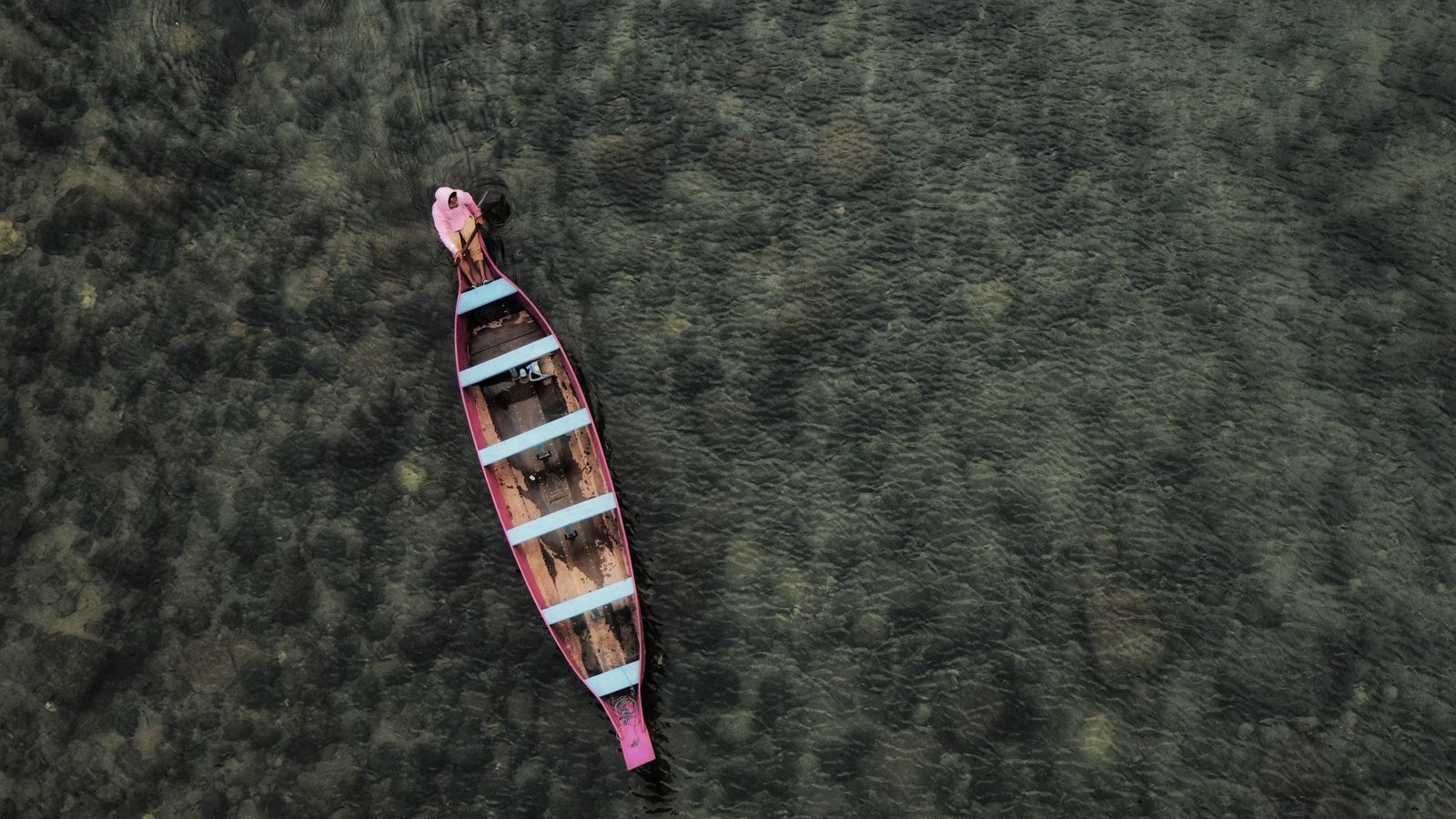
The photograph that made Dawki famous is a wooden country boat on the Umngot river, the water so clear that the boat appears to hover above the pebbles and its shadow falls on the riverbed several metres below. It is real, and on a still winter morning it looks exactly like that. The river emerges from the southern slopes of the Jaintia and Khasi hills, runs through a narrow gorge under an old suspension bridge, and a few kilometres later flows across the border into the Sylhet plains of Bangladesh.
Dawki is a small border town rather than a resort, and the pleasure of going there is the whole day: the descent from the cool plateau into warm, humid river country, the village of Mawlynnong and its root bridge on the way, a boat ride in the gorge and perhaps a swim or a night by the water at Shnongpdeng. Because the road is long and winding, a chauffeur makes all the difference. This guide covers the route, the seasons that decide whether the river is glass or mud, fares and a plan. When you are ready, book online and pay by card or UPI.

What to do at Dawki and Shnongpdeng
Boating on the Umngot. Local boatmen run wooden country boats from the landing below the Dawki bridge, usually for a set fee per boat covering a fixed stretch of the gorge. The ride is gentle, the boatmen know the clearest pools, and in winter you can see fish and stones in astonishing detail. Rates are set by the local association and vary with the season, so pay at the jetty rather than through a middleman.
The Dawki suspension bridge. The steel suspension bridge over the gorge dates from the British period and is still part of the road to the border. Stop on the approach for the classic view downstream; your driver will find a safe place to pull over, because stopping on the bridge itself is not allowed.
Shnongpdeng village. About half an hour upstream, this village has become the adventure end of the river: camping on the pebble banks, kayaking, snorkelling in the clear pools, cliff jumping for the brave and a zip line across the river. Tented camps and simple homestays make it the best place to spend a night, and the river is calmer and less crowded than at Dawki proper.
The border at Dawki and Tamabil. Dawki is a land crossing to Bangladesh, and the approach to the zero line is a curious sight: markets, trucks carrying limestone and coal, and the flat green plains stretching away beyond. Stay on the Indian side unless you hold the right documents; foreign nationals and Indians crossing need valid visas and must use the official check post.
Lunch by the river. Food at Dawki is simple: rice, dal, fish curry from the river and Khasi pork dishes at small eateries near the bridge and in Shnongpdeng. Hygiene varies, so your driver can point you to the places tourists use regularly. Families with young children often pack sandwiches in Shillong and eat on the pebble banks instead.
Who the day suits. Couples and photographers love the early boat ride; families with teenagers enjoy the kayaks and camping; older travellers should be ready for a long day in the car and a few uneven steps down to the jetty. Anyone uneasy on winding roads may prefer to split the trip with a night by the river.
The road: Shillong to Dawki via Pynursla
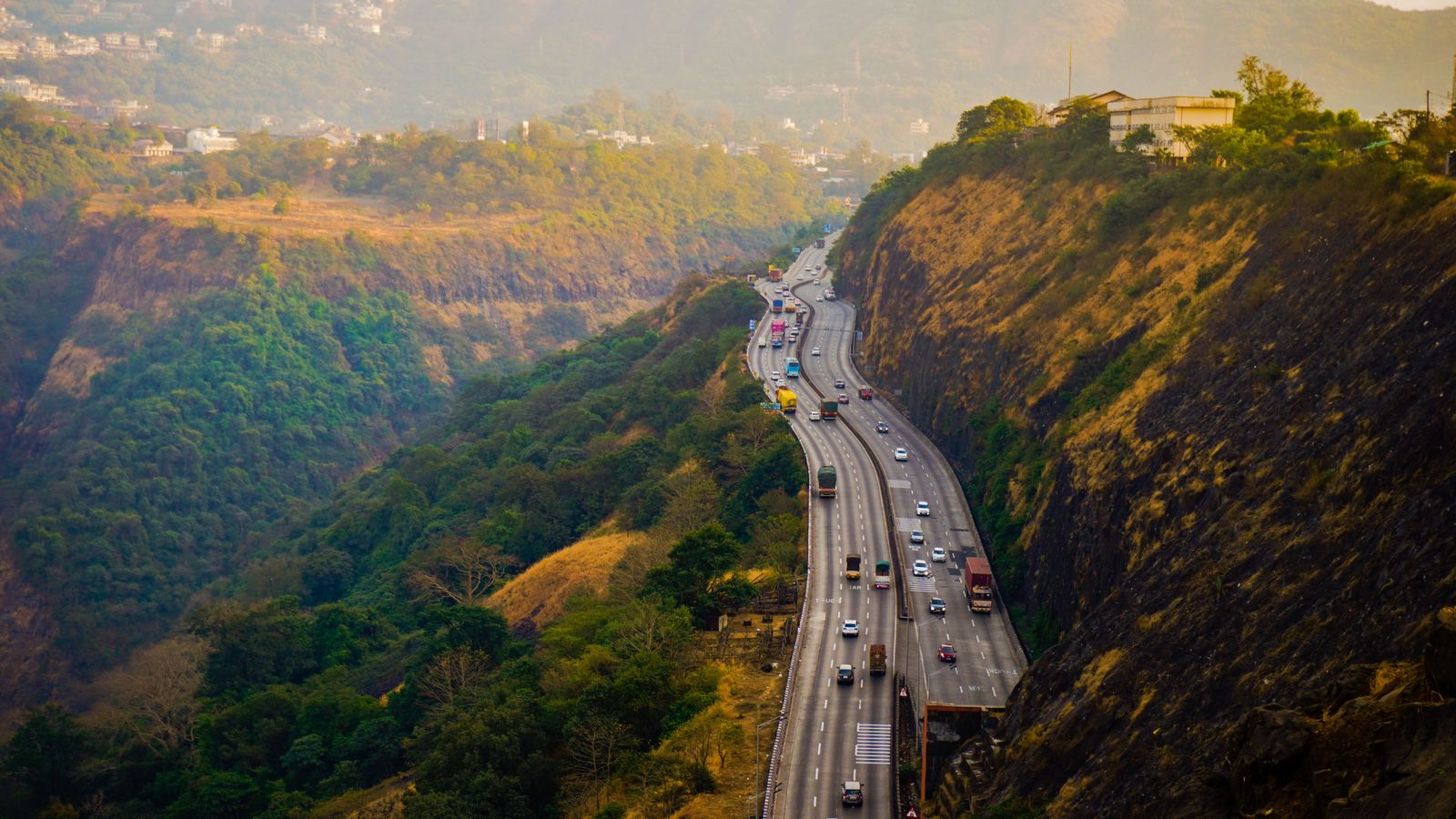
The route leaves Shillong heading south-east through Upper Shillong and the rolling grassland of the East Khasi Hills, then follows the ridge through Pynursla, a small market town and the turn-off for Mawlynnong. Beyond Pynursla the road begins its long descent, dropping from about 1,500 metres on the plateau towards the river valley, with sharp hairpins, sheer drops and views across to the Bangladesh plains on clear days.
The road has been widened and resurfaced in stretches in recent years, but you should still expect narrow sections, trucks labouring uphill with minerals from the border and the occasional patch under repair. In the monsoon, landslips on the descent can cause delays. Our drivers plan to be on the lower hairpins in daylight and avoid the climb back after dark.
Leaving Shillong by 7 or 7.30 am allows a stop at Mawlynnong on the way down, the boat ride before noon when the light on the river is best, lunch by the water and a return to Shillong by about 6 pm. From Guwahati, the drive is too long for a comfortable day return; stay a night in Shillong or at Shnongpdeng.
When is the Umngot river clear? Seasons and closures
The famous clarity depends on the rains. From roughly November to April there is little run-off from the hills, the silt settles and the Umngot runs crystal clear; December to February gives the best pictures. By May pre-monsoon showers begin to cloud the water.
From June to September the monsoon turns the river into a fast, muddy torrent. Boating is usually suspended by the local administration during high water, camping stops, and the view that brings visitors is simply not there. The drive is still beautiful, with waterfalls pouring off the hills, but do not plan a monsoon trip around the boat ride. October is a transition month and can go either way, depending on how late the rains end.
Weekends from December to February are busy, and queues for boats can stretch at midday. A weekday, early start avoids the crowds. There is no permit requirement for Dawki at the time of writing, but check current advisories on the Meghalaya Tourism website, because border-area rules can change.
Chauffeured services and fares for Dawki
RutzIndia.com arranges:
- Shillong to Dawki and back in a day, with Mawlynnong and the Riwai root bridge included in the route.
- One-way drops to a Shnongpdeng camp, with a pickup on the day you choose; see our one-way taxi service.
- Guwahati or airport pickups that combine Dawki with Shillong and Cherrapunji over three or four days.
- Group transport in a Tempo Traveller for colleges, clubs and family groups heading to the river camps.
| Trip | Sedan (Rs 36/km) | Ertiga (Rs 42/km) | Innova Crysta (Rs 57.6/km) | Tempo Traveller (Rs 78/km) |
|---|---|---|---|---|
| Shillong to Dawki one way (about 85 km, minimum fare applies) | Rs 3,960 Pay Now to Reserve | Rs 4,950 Pay Now to Reserve | Rs 6,930 Pay Now to Reserve | Rs 10,740 Pay Now to Reserve |
| Guwahati to Dawki one way (about 185 km) | Rs 6,660 Pay Now to Reserve | Rs 7,770 Pay Now to Reserve | Rs 10,550 Pay Now to Reserve | Rs 14,430 Pay Now to Reserve |
| Shillong day return via Mawlynnong (250 km billed) | Rs 9,000 Pay Now to Reserve | Rs 10,500 Pay Now to Reserve | Rs 14,250 Pay Now to Reserve | Rs 19,500 Pay Now to Reserve |
| Two days with a Shnongpdeng night (500 km billed) | Rs 18,000 Pay Now to Reserve | Rs 21,000 Pay Now to Reserve | Rs 28,500 Pay Now to Reserve | Rs 39,000 Pay Now to Reserve |
Prices exclude 5% GST. Village entry charges, parking at Dawki and Mawlynnong, and any tolls are billed at actual cost. If the driver stays overnight at the river, a night allowance of Rs 1,500 applies, and round trips are charged on 250 km for each calendar day or the actual distance, whichever is more. Compare vehicle classes on the fares page.
Our cars are within four model years and the drivers assigned to Jaintia and Khasi hills routes are used to steep descents. Plans change with the weather in Meghalaya, so note the cancellation policy: free if you cancel more than 72 hours before pickup, 10% inside 72 hours, 50% inside 48 hours, and the full fare within 24 hours or for a no-show.
A two-day Dawki and Mawlynnong plan by car
Day 1: Shillong to Shnongpdeng (about 100 km). Leave Shillong at 8 am. Stop at Pynursla for tea, then detour to Mawlynnong to walk its flower-lined lanes and climb the bamboo sky-view tower. Continue to the Riwai living root bridge, a ten-minute walk from the road. Reach Shnongpdeng by 2 pm, check into a riverside camp or homestay and spend the afternoon kayaking or snorkelling.
Day 2: Dawki, the border and back to Shillong (about 110 km). Early boat ride on the Umngot below the Dawki bridge when the water is at its most transparent, a look at the border market, then the long climb back to Shillong for the evening. If you are flying out, the car can continue from Shillong down to Guwahati airport the next morning.
Short on time? Do the whole loop as a long day from Shillong, and add Cherrapunji on a separate day. Our Shillong by road guide explains the Guwahati leg.
Practical tips for the Dawki road
- Motion sickness: the descent from Pynursla is full of bends; take tablets before leaving Shillong and sit in front if you are prone to it.
- Swimming: only swim where locals and camp operators indicate; the river has deep pools and currents, especially after rain.
- Cash for boats, entry fees and parking, as network coverage is patchy near the border.
- Photography: avoid pointing cameras at border security posts and installations.
- Heat and humidity: Dawki is far lower and warmer than Shillong, so wear light clothes and carry water, even in January.
- Plastic: many Khasi and Jaintia villages ban single-use plastic; bring a bottle and carry rubbish back to the car.
For bigger groups, a 12-seater Tempo Traveller is the most comfortable choice on this road, and our outstation cabs page explains multi-day billing. For a wider sense of the North East before you go, the Incredible India portal has an overview of Meghalaya's river and cave country.